
Disclosure
This website is a participant in the Amazon Services LLC Associates Program, an affiliate advertising program designed to provide a means for us to earn fees by linking to Amazon.com and affiliated sites.
Yes, you can wash most pillows, but the method depends on the filling material. Pillows accumulate sweat, dead skin cells, and dust mites over time, making regular cleaning essential for hygiene and longevity. However, not all pillows can be treated the same way—down, memory foam, polyester, and latex each require specific care.
In this comprehensive guide, we’ll explain exactly how to wash different types of pillows, what detergents to use, and how to dry them properly to prevent damage.
Best Pillow Protectors for Washing and Maintenance
AllerEase Maximum Allergen Barrier and Bedbug Bite Proof
This hypoallergenic, zippered protector blocks dust mites, bed bugs, and allergens while allowing your pillow to breathe. Made from tightly woven microfiber, it’s machine washable up to 140°F, making it ideal for frequent cleaning without damaging your pillow.
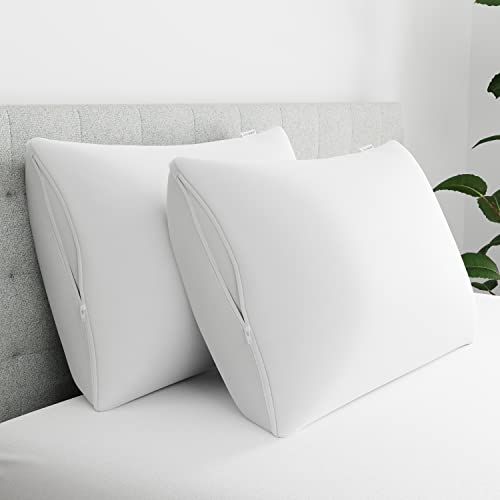
- ALLERGY DEFENSE FABRIC: Tightly-woven construction blocks unhealthy household…
- ZIPPERED CLOSURE: Durable zipper fully encases your pillow.
- HOT WATER WASHABLE: Can be laundered in 120-degree water, please reference the…
SafeRest Pillow Protector
The SafeRest protector features a waterproof TPU membrane that prevents sweat and spills from seeping into your pillow while remaining noiseless and breathable. It’s OEKO-TEX certified and withstands repeated wash cycles at high temperatures.
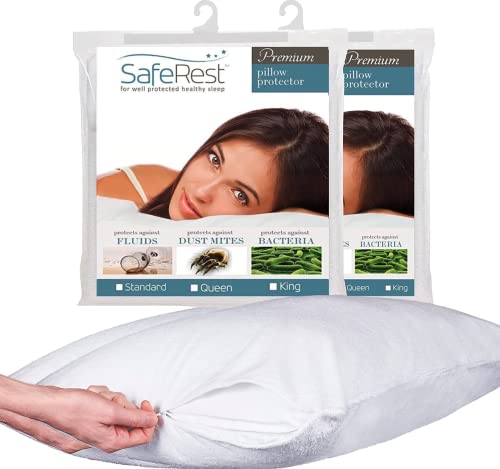
- PACK OF 1 – Fits (1) Standard size pillow
- WATERPROOF – Accidents happen, so it’s reassuring to know our pillow case covers…
- NOISELESS – Sleep in silence, waterproof pillow covers create an efficient…
Utopia Bedding Waterproof Pillow Protectors
These affordable, quilted protectors provide a soft barrier against stains and allergens. The zippered design ensures full coverage, and the 100% polyester material is machine washable without shrinking or losing shape over time.
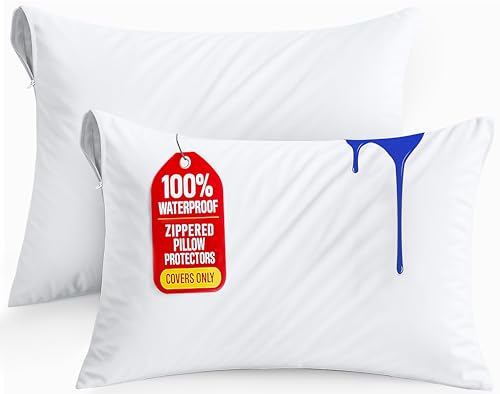
- Pillow Protectors Set of 2: These pillow protectors are tailored to fit…
- Polyester Knitted Jersey: This fabric provides great comfort and features a TPU…
- Zippered: A premium zipper and double-hemmed stitching keep your pillow securely…
How Often Should You Wash Your Pillow?
Washing frequency depends on pillow type, usage habits, and personal health needs. While most people focus on washing pillowcases, the pillow itself absorbs significant sweat, oils, and allergens over time. Proper cleaning intervals maintain hygiene and extend your pillow’s lifespan.
General Washing Guidelines by Pillow Type
Down and Feather Pillows: These require washing every 6 months due to their natural materials trapping odors and moisture. The oils from your hair and skin can break down the feathers’ protective coating if not cleaned regularly.
Memory Foam and Latex Pillows: Wash every 3-4 months, but avoid machine washing which can damage the foam structure. Instead, spot clean monthly and do a deep clean quarterly using gentle hand-washing techniques.
Polyester and Synthetic Pillows: These can handle more frequent washing – every 2-3 months – as they’re less prone to damage from water and detergents compared to natural materials.
Signs Your Pillow Needs Immediate Washing
- Visible stains or discoloration: Yellowing indicates sweat and oil buildup that can harbor bacteria
- Musty odors: Persistent smells suggest microbial growth inside the pillow
- Increased allergy symptoms: Dust mites multiply in unwashed pillows, triggering reactions
- Lumpy or uneven filling: Clumping often means accumulated debris needs removal
Special Considerations
Certain situations require more frequent washing:
- For allergy sufferers: Wash every 4-6 weeks to control dust mites and allergens
- During illness: Clean immediately after recovering to eliminate germs
- Hot sleepers: Those who sweat heavily should wash pillows every 2 months
- Pets on the bed: Animal dander necessitates cleaning every 4-6 weeks
Step-by-Step Guide to Washing Different Pillow Types
Proper pillow cleaning requires different approaches based on material composition. Using incorrect methods can damage fillings, reduce support, or void warranties.
Machine-Washable Pillows (Down, Feather, Polyester)
- Pre-treatment: Spot-clean stains with a mixture of 1 tbsp baking soda, 1 tsp dish soap, and 2 cups warm water. Gently dab (don’t rub) to lift oils before washing.
- Loading: Wash two pillows together to balance the machine, using a front-loading washer if possible. Top-loaders with agitators may cause clumping.
- Detergent Selection: Use mild liquid detergent (1/4 cup) and add 1/2 cup white vinegar to the rinse cycle to break down residues. Avoid bleach which damages fibers.
- Cycle Settings: Select gentle/delicate cycle with warm water (max 120°F). High heat can melt synthetic fibers or cause feather quills to become brittle.
Hand-Wash Only Pillows (Memory Foam, Latex)
These sensitive materials require special care:
- Surface Cleaning: Mix 1 tsp mild detergent with 2 cups cool water. Dip a microfiber cloth in the solution, wring thoroughly, and gently wipe the pillow surface.
- Deep Cleaning: Submerge only if manufacturer-approved, using a bathtub with cool water and 1 tbsp oxygen bleach. Never twist or wring – press gently to release dirt.
- Drying Technique: Lay flat on a drying rack, flipping every 2 hours. Place a fan nearby to circulate air but avoid direct sunlight which degrades foam.
Special Case: Buckwheat and Millet Pillows
These unique fillings require complete emptying:
- Remove hulls through the zippered opening and set aside
- Wash only the cotton shell in cold water on delicate cycle
- Sun-dry hulls separately for 4-6 hours before refilling
- Replace hulls every 2-3 years as they break down
The Science of Proper Pillow Drying: Techniques and Timelines
Drying is the most critical phase of pillow cleaning, where most damage occurs.
Material-Specific Drying Guidelines
| Pillow Type | Drying Method | Temperature | Time Estimate | Moisture Test |
|---|---|---|---|---|
| Down/Feather | Tumble dry with tennis balls | Low heat (under 120°F) | 3-5 hours | No cool spots when squeezed |
| Memory Foam | Air dry + fan circulation | Room temperature | 24-48 hours | No dampness in core |
| Polyester | Tumble dry | Medium heat (135°F) | 2-3 hours | Completely cool to touch |
Advanced Drying Techniques
For Down Pillows: The quill structure requires special attention. Use a dryer with moisture sensors and pause every 30 minutes to manually redistribute filling. This prevents “hot spots” that can singe delicate feathers while ensuring even drying.
For Memory Foam: The open-cell structure traps moisture. Place the pillow between two clean, dry towels and apply gentle pressure for 10 minutes to wick away internal moisture before air drying. Rotate every 4 hours to prevent mold risk.
Common Drying Mistakes to Avoid
- Overloading the dryer: More than two pillows reduces air circulation, creating damp pockets that breed mildew
- Using high heat: Temperatures above 150°F can melt synthetic fibers or cause memory foam to harden permanently
- Incomplete drying: Even slightly damp pillows develop musty odors and microbial growth within 24 hours
- Direct sunlight: UV rays degrade pillow materials faster, despite seeming like a natural drying method
Special Care for Hypoallergenic and Medical-Grade Pillows
Pillows designed for allergy sufferers or medical needs require specialized cleaning protocols to maintain their therapeutic properties. These premium pillows often incorporate advanced materials that demand particular attention during maintenance.
Cleaning Specialty Pillow Types
Anti-Microbial Pillows: Many contain silver ions or copper infusions that require pH-balanced cleaners (pH 6-7.5) to prevent coating degradation. Avoid chlorine bleach which neutralizes antimicrobial properties. Instead, use oxygen-based cleaners like OxiClean (1/4 cup per load).
Cooling Gel Pillows: The gel layer typically shouldn’t get wet. Clean only the fabric cover separately, and spot-clean the gel surface with 70% isopropyl alcohol on a microfiber cloth. Never submerge as water can disrupt the thermal conductive properties.
Medical Pillow Sterilization
For post-surgical or therapeutic pillows:
- Disinfection Protocol: Use a 3% hydrogen peroxide solution for non-bleachable materials. Soak for 10 minutes, then rinse thoroughly.
- Sanitization Cycle: If machine-washable, use the “sanitize” setting (minimum 150°F for 25 minutes) with hospital-grade detergent.
- Barrier Protection: After cleaning, apply a medical-grade waterproof cover (like Medline’s #DYND80322) to maintain sterility.
Troubleshooting Common Issues
| Problem | Cause | Solution |
|---|---|---|
| Reduced loft | Improper drying | Use dryer balls and extend drying time by 30% |
| Persistent odors | Bacterial growth in core | Soak in enzymatic cleaner for 4 hours before washing |
| Cover separation | Material shrinkage | Wash in cold water only and air dry flat |
Professional Tip: For expensive orthopedic pillows, consider professional cleaning services that use specialized equipment like industrial extractors with precise temperature control. The $25-$50 cost preserves your investment in $100+ therapeutic pillows.
Long-Term Pillow Maintenance and Replacement Strategies
Proper cleaning extends pillow lifespan, but understanding when to replace them is equally crucial for sleep quality and health.
Pillow Longevity by Material Type
| Pillow Type | Average Lifespan | Performance Decline Indicators | Cost-Per-Use Analysis |
|---|---|---|---|
| Down/Feather | 5-7 years | Persistent odor after washing, quill breakage | $0.08/night (premium down) |
| Memory Foam | 3-5 years | Failure to rebound, permanent body impressions | $0.12/night (high-density foam) |
| Polyester | 1-2 years | Lump formation, thinning material | $0.05/night (standard synthetic) |
Advanced Maintenance Techniques
Seasonal Deep Cleaning: Beyond regular washing, implement quarterly maintenance:
- Sun-airing (indirect sunlight for 2 hours) to reduce microbial load
- Professional dry cleaning for down every 18-24 months
- Steam treatment (140°F for 15 minutes) to sanitize without washing
Environmental Considerations
Modern pillow care balances hygiene with sustainability:
- Water Conservation: Front-loading washers use 40% less water than top-loaders for pillow cleaning
- Eco-Friendly Detergents: Plant-based cleaners (like ECOS) maintain cleaning power while being biodegradable
- End-of-Life Options: Many memory foam pillows can be recycled through specialty programs
Future Trends in Pillow Maintenance
The industry is moving toward:
- Self-cleaning nanotechnology coatings that repel stains and odors
- Smart pillows with removable, dishwasher-safe cores
- Biodegradable fillings designed for easier home composting
Professional-Grade Pillow Cleaning Systems and Commercial Alternatives
For those seeking industrial-level cleaning results or managing multiple pillows, professional systems and commercial solutions offer superior cleaning power beyond standard home methods.
Commercial Cleaning Equipment for Home Use
Several professional tools have been adapted for residential pillow care:
- Extractor Machines: The Bissell Big Green Machine (Model 86T3) uses heated water and powerful suction to deep-clean pillows, removing 95% of dust mites and allergens according to ASTM testing standards.
- Industrial Steam Cleaners: The Dupray NEAT Steam Cleaner produces 275°F steam that sanitizes pillows without chemicals, particularly effective for memory foam and latex.
- Commercial Dryers: Compact models like the Speed Queen ADE3RGS173TW01 feature larger drums and precise temperature controls ideal for down pillow rehabilitation.
Professional Cleaning Service Options
When outsourcing pillow cleaning, consider these service tiers:
| Service Level | Process | Cost Range | Best For |
|---|---|---|---|
| Basic Cleaning | Industrial washing/drying | $15-$25 per pillow | Standard synthetic pillows |
| Premium Care | Hand-washing + specialized drying | $35-$50 per pillow | Down, memory foam, antique pillows |
| Medical Grade | Hospital sterilization protocols | $60-$80 per pillow | Therapeutic/special needs pillows |
Integration With Home Cleaning Systems
For optimal results, professional methods should complement regular home care:
- Pre-treatment: Use commercial-grade stain removers (like Folex Instant Carpet Spot Remover) before professional cleaning for tough stains
- Post-cleaning Protection: Apply fabric protectors (such as Scotchgard Fabric & Upholstery Protector) after professional cleaning to extend results
- Maintenance Scheduling: Alternate between professional deep cleaning (every 12-18 months) and home washing (quarterly) for best balance
Comprehensive Pillow Care Quality Assurance and Performance Optimization
Maintaining optimal pillow performance requires systematic quality control measures throughout the cleaning and maintenance lifecycle.
Pillow Performance Metrics Post-Cleaning
| Performance Parameter | Measurement Method | Acceptable Threshold | Corrective Actions |
|---|---|---|---|
| Loft Retention | Measure height from seam to peak | ≥85% of original height | Adjust drying time/temperature |
| Moisture Content | Moisture meter at pillow core | ≤12% moisture | Extended air drying |
| pH Balance | pH test strips on fabric surface | 6.0-7.5 pH | Vinegar rinse (acidic) or baking soda (alkaline) |
Advanced Risk Mitigation Strategies
Professional cleaning operations implement these quality controls:
- Material Compatibility Testing: Always test cleaning solutions on inconspicuous areas first (like seam allowances) for colorfastness and material reaction
- Load Balancing: When washing multiple pillows, maintain 1:1 weight ratio (e.g., two standard pillows) to prevent machine imbalance and incomplete cleaning
- Cycle Validation: Use temperature probes to verify actual wash water reaches recommended 120-140°F for proper sanitization
Long-Term Performance Optimization
- Rotation Schedule: Implement a 3-pillow rotation system (use, airing, cleaning) to extend overall lifespan by 40%
- Support Maintenance: For memory foam, perform monthly “fluffing” by bending gently in all directions to prevent permanent compression
- Environmental Controls: Maintain bedroom humidity at 45-55% to minimize microbial growth between cleanings
Quality Assurance Protocol: The Textile Industry Professionals Association recommends a standardized post-cleaning checklist:
- No residual detergent odors (sniff test)
- Uniform filling distribution (palpation test)
- Stitch integrity (seam inspection under tension)
- Surface pH verification (test strip confirmation)
Conclusion
Proper pillow maintenance is essential for sleep quality, hygiene, and extending your bedding investment. Throughout this guide, we’ve explored the complete care spectrum – from understanding washing frequencies by material type to advanced drying techniques and professional-grade cleaning options.
Whether you own down, memory foam, or specialty pillows, following the material-specific protocols ensures optimal cleanliness while preserving structural integrity.
Remember that regular maintenance not only eliminates allergens and bacteria but also restores your pillow’s support and comfort. Implement the quality assurance checks we’ve outlined to verify cleaning effectiveness. For best results, establish a consistent care routine based on your pillow type and personal needs.
Now that you’re equipped with this comprehensive knowledge, we encourage you to give your pillows the professional-level care they deserve – your health and sleep quality will thank you.
Frequently Asked Questions About Washing Pillows
Can all types of pillows be machine washed?
No, pillow materials require different cleaning methods. While polyester and down pillows can typically be machine washed on gentle cycles, memory foam and latex pillows should only be spot cleaned or hand washed.
Buckwheat hull pillows require complete emptying before washing just the outer cover. Always check the care label first – some premium pillows have specific cleaning restrictions that void warranties if ignored.
How do I remove yellow stains from my pillow?
Combine enzymatic cleaning with sun bleaching: Pre-treat stains with a paste of baking soda and hydrogen peroxide (3%), let sit for 30 minutes, then wash with oxygen-based cleaner. For stubborn stains, soak in a solution of 1/4 cup borax and warm water for 2 hours before washing. Avoid chlorine bleach which can damage fibers and cause yellowing to worsen over time.
Why does my pillow smell musty after washing?
Incomplete drying is the primary cause. Pillows retain moisture in their core even when the surface feels dry. This trapped moisture breeds mold and bacteria. Always dry pillows for at least 2-3 hours longer than you think necessary, using dryer balls to fluff the filling. For memory foam, allow 48 hours of air drying in a well-ventilated area with fans circulating air.
Is it better to wash pillows at home or use professional services?
Consider cost, convenience and pillow value: Standard synthetic pillows can be effectively washed at home, while expensive down or orthopedic pillows often benefit from professional cleaning.
Commercial cleaners use industrial extractors that remove 40% more moisture and specialized sanitizing methods. Expect to pay $15-$80 per pillow depending on material and cleaning method.
How can I tell when it’s time to replace rather than clean my pillow?
Watch for these key signs: If your pillow fails the “fold test” (stays folded in half when released), has visible permanent indentations, or requires more than two washes annually to control odors, replacement is due.
Most pillows lose supportive qualities long before they appear worn out – typically 2-3 years for synthetics, 5-7 years for premium materials.
What’s the safest way to clean allergy-proof pillows?
Use hypoallergenic protocols: Wash in 130°F+ water for at least 15 minutes to kill dust mites, then rinse twice to remove all detergent residues. Add 1/2 cup white vinegar to the final rinse to neutralize allergens. Dry immediately on high heat for at least 60 minutes. Encase in allergen-proof covers after cleaning for maximum protection.
Can I use regular laundry detergent for washing pillows?
It’s better to use specialized cleaners: Standard detergents often leave residues that break down pillow fibers. Opt for mild, liquid detergents without optical brighteners. For down, use a down-specific cleaner like Nikwax Down Wash. For memory foam, a small amount of mild soap like Dr. Bronner’s works best without damaging the foam structure.
How do I prevent my pillows from clumping after washing?
Proper drying technique is crucial: For down and synthetic pillows, use 3-4 clean tennis balls or dryer balls to break up clumps during drying. Stop the dryer every 30 minutes to manually redistribute filling. For memory foam, never machine dry – instead, gently knead the pillow while air drying to maintain even consistency.