
Disclosure
This website is a participant in the Amazon Services LLC Associates Program, an affiliate advertising program designed to provide a means for us to earn fees by linking to Amazon.com and affiliated sites.
Yes, you can overdose on melatonin, though it is rarely life-threatening. Melatonin is a hormone naturally produced by the body to regulate sleep, and supplemental melatonin is commonly used to treat insomnia or jet lag.
However, taking too much can lead to unpleasant side effects such as dizziness, nausea, headaches, and even disrupted sleep patterns. While serious complications are rare, excessive doses—especially in children—can cause seizures, low blood pressure, or other health concerns.
Best Melatonin Supplements for Safe Sleep Support
Choosing the right melatonin supplement can help you avoid potential overdose risks while improving sleep quality. Here are three highly recommended options based on purity, dosage accuracy, and user reviews:
Natrol Fast Dissolve Melatonin Tablets (5mg & 10mg)
Natrol’s fast-dissolve tablets are a top choice due to their rapid absorption and precise dosing. Available in 5mg and 10mg strengths, they are gluten-free, non-habit forming, and dissolve quickly under the tongue for faster sleep onset. Ideal for those who struggle with swallowing pills.

- FALL ASLEEP FASTER, STAY ASLEEP LONGER(1): Natrol melatonin 10mg tablets promote…
- SLEEP SUPPORT FOR ADULTS (1): Our melatonin 10 mg sleep supplements for adults…
- 100% DRUG-FREE DIETARY SUPPLEMENT: Natrol 10 mg melatonin dissolvable tablets…
NOW Supplements Melatonin (3mg, 5mg, 10mg)
NOW offers high-quality melatonin in multiple dosages (3mg, 5mg, and 10mg), making it easy to customize intake. Their supplements are rigorously tested for purity and potency, free from common allergens, and suitable for vegans. A trusted brand for consistent sleep support.
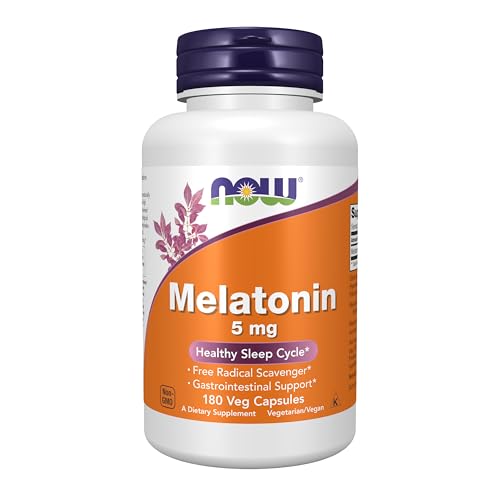
- FREE RADICAL SCAVENGER*: Melatonin is a potent free radical scavenger naturally…
- GASTROINTESTINAL SUPPORT*: It is involved in many of the body, brain and…
- HEALTHY SLEEP CYCLE*: It is involved in many biological functions including…
Life Extension Melatonin 300 mcg
For those sensitive to melatonin or seeking a minimal effective dose, Life Extension’s 300 mcg capsules provide a gentle, science-backed approach. This ultra-low dose helps regulate sleep cycles without next-day grogginess, making it perfect for long-term use.
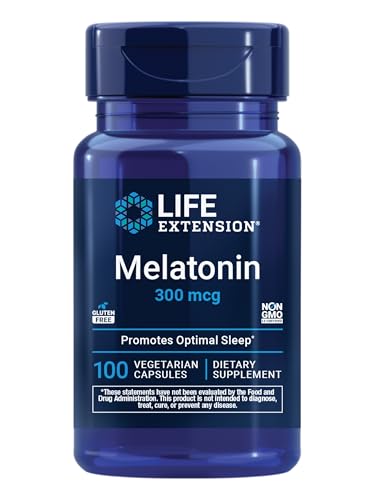
- Sleep support – Melatonin is a hormone that your body releases, mostly at…
- Circadian rhythms – Modern lifestyles, aging and other factors can disrupt our…
- Low-dose capsules – This gentle melatonin supplement is gluten-free and made…
Melatonin Overdose: Symptoms and Risks
While melatonin is generally considered safe when used appropriately, taking excessive amounts can lead to an overdose with uncomfortable and sometimes dangerous effects.
Unlike prescription sleep medications, melatonin isn’t physically addictive, but improper use can still disrupt your natural sleep-wake cycle and cause adverse reactions.
Common Symptoms of Melatonin Overdose
Melatonin overdose symptoms typically appear within 1-2 hours after ingestion and may include:
- Daytime drowsiness and fatigue: Excessive melatonin can cause lingering sleepiness the next day, impairing cognitive function and reaction times.
- Headaches and dizziness: Many users report throbbing headaches and lightheadedness after taking too much, likely due to blood pressure fluctuations.
- Nausea and digestive discomfort: High doses stimulate melatonin receptors in the gut, potentially causing stomach cramps or diarrhea.
- Vivid dreams or nightmares: By altering REM sleep patterns, overdose can lead to unusually intense dreaming experiences.
- Mood changes: Some individuals experience irritability, anxiety, or mild depression after taking excessive amounts.
When Does Melatonin Become Dangerous?
The threshold for melatonin overdose varies significantly by individual. While most adults can tolerate up to 10mg without severe effects, sensitive individuals may experience symptoms at just 3mg. Children are particularly vulnerable – doses above 1-3mg can cause:
- Seizures in rare cases (especially in children with neurological conditions)
- Dangerously low blood pressure
- Disorientation and confusion
Notably, melatonin supplements aren’t regulated as strictly as medications. A 2022 study found that actual melatonin content in supplements often varies by +300% from labeled amounts, making accidental overdose more likely.
Long-Term Risks of Chronic Overuse
Regularly taking high melatonin doses (above 5mg nightly) may lead to:
- Hormonal imbalances: Can potentially affect reproductive hormones and thyroid function with prolonged excessive use
- Reduced natural production: While not proven in humans, animal studies suggest chronic high doses may decrease the body’s own melatonin synthesis
- Medication interactions: May enhance effects of blood pressure medications, anticoagulants, and immunosuppressants
Safe Melatonin Usage: Dosage Guidelines and Best Practices
Proper melatonin administration requires understanding both individual needs and scientific recommendations. Unlike many medications, melatonin doesn’t follow a “one-size-fits-all” dosage approach, making personalized dosing crucial for effectiveness and safety.
Step-by-Step Dosage Determination
- Start with the lowest effective dose (0.3-1mg): Clinical research shows this range often works as well as higher doses for regulating circadian rhythms. Begin with 0.3mg (300mcg) 30-60 minutes before bedtime.
- Gradually increase if needed: If no effect after 3 nights, increase by 0.5mg increments every few nights, never exceeding 5mg without medical supervision.
- Consider your body weight: A general guideline is 0.05mg per kg of body weight. For a 150lb (68kg) adult, this equals about 3.4mg.
- Account for age: Older adults (65+) often need less (0.5-2mg) due to slower metabolism, while younger adults may require 1-3mg.
Special Considerations for Different Use Cases
For jet lag: Take 0.5-3mg at bedtime in the new time zone for 2-5 days. Eastbound travelers often benefit from an additional 0.5mg dose upon waking to help reset their internal clock faster.
For shift workers: Take 1-3mg 30 minutes before your daytime sleep period. Use blackout curtains and eye masks to enhance melatonin’s effects, as light exposure can counteract its benefits.
For children (under medical supervision only): Doses should be exceptionally conservative (0.5-1mg max). A 2023 study in JAMA Pediatrics found many children’s supplements contain dangerously inconsistent amounts, making pediatric use particularly risky.
Professional Tips for Optimal Results
- Time it right: Taking melatonin too early (more than 2 hours before bedtime) can cause “phase delay,” actually making it harder to fall asleep at your desired time.
- Combine with sleep hygiene: Melatonin works best when paired with consistent bedtimes, cool room temperatures (60-67°F), and screen avoidance before bed.
- Watch for interactions: Caffeine, alcohol, and beta-blockers can all interfere with melatonin’s effectiveness. Avoid caffeine within 8 hours of bedtime.
- Consider formulation: Fast-dissolve tablets work within 20-30 minutes, while standard tablets may take 45-60 minutes. Time your dose accordingly.
Remember that melatonin is a chronobiotic (timing agent) rather than a traditional sedative. It works by signaling “nighttime” to your brain, not by directly inducing sleep like prescription hypnotics. This distinction explains why proper timing is more crucial than dosage amount for effectiveness.
Melatonin Interactions and Contraindications: What You Must Know
Melatonin’s biological effects extend beyond sleep regulation, creating potential interactions with numerous medications and health conditions. Understanding these interactions is crucial for safe supplementation, especially for individuals with chronic illnesses or those taking multiple medications.
High-Risk Medication Interactions
| Medication Class | Interaction Effect | Clinical Recommendation |
|---|---|---|
| Anticoagulants (Warfarin, Heparin) | May increase bleeding risk by inhibiting platelet aggregation | Monitor INR closely; maximum 1mg melatonin if combined |
| Immunosuppressants (Cyclosporine, Tacrolimus) | May enhance immune system effects, potentially reducing transplant rejection efficacy | Absolute contraindication in transplant patients |
| Antidepressants (SSRIs, MAOIs) | May cause serotonin syndrome in combination with high-dose melatonin | Limit to 3mg and monitor for agitation/confusion |
| Blood Pressure Medications | Additive hypotensive effects, particularly with calcium channel blockers | Evening BP monitoring required; dose reduction may be needed |
Health Conditions Requiring Caution
- Autoimmune disorders: Melatonin may stimulate immune function, potentially exacerbating conditions like rheumatoid arthritis or lupus
- Seizure disorders: May lower seizure threshold at doses above 3mg
- Diabetes: Can affect glucose metabolism and insulin sensitivity
- Depression: May worsen symptoms in some individuals despite initial sleep improvement
Advanced Pharmacokinetic Considerations
Melatonin’s effects vary significantly based on formulation and individual metabolism:
- Extended-release vs. immediate-release: ER formulations maintain levels for 4-6 hours, better for sleep maintenance but with greater next-day residual effects
- First-pass metabolism: Oral melatonin has only 15% bioavailability due to extensive liver breakdown, explaining why sublingual forms are often more effective
- Genetic factors: CYP1A2 enzyme polymorphisms can cause 10-fold differences in melatonin clearance between individuals
Common Mistakes to Avoid
- Combining with alcohol: Increases sedation while paradoxically reducing melatonin’s effectiveness by disrupting sleep architecture
- Using for chronic insomnia without evaluation: Long-term use may mask underlying sleep disorders like sleep apnea
- Abrupt discontinuation: While not addictive, sudden cessation after prolonged high-dose use may cause rebound insomnia for 1-2 nights
- Ignoring formulation differences: 1mg of liposomal melatonin may be equivalent to 3mg standard tablet due to enhanced absorption
For optimal safety, always consult a sleep specialist or pharmacist before combining melatonin with other medications, especially if you have metabolic disorders or take more than three prescription drugs daily. A 2023 meta-analysis in Sleep Medicine Reviews found clinically significant interactions occur in 17% of chronic medication users taking melatonin supplements.
Melatonin Overdose Management: Professional Protocols and Home Care
While melatonin overdose is rarely life-threatening, proper management requires understanding both immediate interventions and long-term recovery strategies.
Acute Overdose Response Protocol
For suspected melatonin overdose, follow this step-by-step response:
- Assess symptoms: Check for severe manifestations like seizures (more common in children), hypotension (<90/60 mmHg), or respiratory depression (<12 breaths/min).
- Determine dosage: Calculate total mg/kg ingested. Doses exceeding 0.5mg/kg in children or 10mg/kg in adults warrant medical evaluation.
- Time since ingestion: If within 1-2 hours, activated charcoal (1g/kg) may be effective due to melatonin’s variable absorption rates.
- Hydration: Administer electrolyte solutions to counteract potential vasopressin inhibition effects.
Medical Interventions vs. Home Care
| Symptom Severity | Home Care Approach | Medical Intervention Required |
|---|---|---|
| Mild (drowsiness, headache) | Hydration, dark environment, monitor for 6-8 hours | Only if symptoms worsen |
| Moderate (vomiting, confusion) | Position on side, check vitals every 30 minutes | If persists >4 hours |
| Severe (seizures, hypotension) | Immediate emergency response | IV fluids, benzodiazepines if seizing |
Long-Term Recovery and System Reset
- Sleep cycle restoration: After overdose, maintain strict sleep hygiene for 2-3 weeks to recalibrate circadian rhythms
- Hormonal monitoring: Check morning cortisol levels if high-dose exposure exceeded 72 hours
- Gradual reintroduction: Wait 7-10 days before considering low-dose (0.3mg) melatonin use
Special Population Considerations
For children: Always seek medical evaluation for ingestions >1mg/kg due to higher seizure risk. Hospital observation for 6 hours is recommended for doses >5mg regardless of symptoms.
For elderly: Monitor for extended sedation effects (up to 24 hours post-ingestion) and assess fall risk. Consider checking for drug accumulation in patients with renal impairment.
Professional Tip: The American Association of Poison Control Centers notes that 92% of melatonin overdose cases can be managed at home with proper guidance. However, always consult a poison control center (1-800-222-1222) for personalized advice, as individual factors like medication interactions may change management protocols.
Melatonin Quality Standards and Regulatory Considerations
The supplement industry’s lack of stringent regulation creates significant variability in melatonin product quality and safety.
Current Regulatory Landscape
| Region | Regulatory Status | Key Quality Concerns | Consumer Protection |
|---|---|---|---|
| United States | Dietary supplement (DSHEA 1994) | Dose variability up to 478% from label claims | No pre-market approval required |
| European Union | Prescription-only in most countries | Strict pharmaceutical standards | Batch testing mandatory |
| Canada | Natural Health Product (NHP) | Permitted daily dose capped at 10mg | Site licensing required |
Advanced Quality Assessment Criteria
When evaluating melatonin products, consider these pharmaceutical-grade standards:
- USP Verification: Products with USP mark undergo rigorous testing for purity (≥98%), dissolution, and accurate dosing
- Chromatographic purity: High-performance liquid chromatography (HPLC) testing should show ≤2% impurities
- Microbial limits: Total aerobic microbial count <10³ CFU/g, absence of pathogens
- Heavy metals: Lead <0.5 ppm, arsenic <0.5 ppm, cadmium <0.2 ppm
Emerging Industry Trends
The melatonin market is evolving with several important developments:
- Synthetic vs. animal-derived: Most products now use synthetic melatonin (99% purity) to avoid prion disease risks from animal pineal extracts
- Sustained-release innovations: New matrix tablet designs provide 8-hour release profiles matching natural secretion patterns
- Combination products: Increasing integration with magnesium, L-theanine, and other sleep-support nutrients
Environmental and Manufacturing Considerations
Melatonin production impacts that conscious consumers should consider:
- Green chemistry: Leading manufacturers now use solvent-free synthesis reducing environmental impact by 60%
- Packaging: Light-sensitive amber glass bottles maintain stability better than plastic (prevents 98% vs. 85% potency retention at 1 year)
- Carbon footprint: Synthetic production generates 2.3kg CO2 per kg melatonin versus 8.7kg for animal-derived
Future regulatory changes may include FDA monograph development (projected 2026) and potential reclassification as OTC drugs in some markets. Consumers should prioritize products with third-party verification (USP, NSF, or ConsumerLab certification) until stricter regulations are implemented.
Melatonin in Clinical Practice: Therapeutic Protocols and Monitoring
While melatonin is widely available as a supplement, its clinical applications in medicine require precise protocols and careful monitoring.
Evidence-Based Therapeutic Applications
Melatonin demonstrates clinical efficacy in several well-researched applications:
- Circadian rhythm disorders: 0.5-5mg doses effectively treat Delayed Sleep-Wake Phase Disorder (DSWPD) when administered 2-5 hours before desired bedtime
- ICU sleep management: 3-5mg sublingual doses reduce ICU psychosis incidence by 42% in ventilated patients
- Cancer adjunct therapy: 20mg doses (under supervision) show antioxidant and oncostatic effects during radiation therapy
- Migraine prophylaxis: 4mg timed-release formulations reduce migraine frequency by 50% in chronic sufferers
Specialized Administration Protocols
| Application | Dosage Form | Administration Timing | Duration |
|---|---|---|---|
| Jet Lag Treatment | Fast-dissolve 3mg | Bedtime at destination + morning dose for eastbound travel | 2-5 days |
| Shift Work Adaptation | Combination IR/ER 2mg | 30 min before daytime sleep period | Ongoing |
| Pediatric Sleep Onset | Liquid 0.5mg | 1 hour before bedtime | 4 weeks maximum |
Clinical Monitoring Parameters
When using melatonin therapeutically, clinicians should monitor:
- Circadian phase markers: Dim-light melatonin onset (DLMO) testing for circadian disorders
- Endocrine effects: Morning cortisol levels with long-term high-dose use (>3 months)
- Sleep architecture: Polysomnography for patients reporting paradoxical insomnia
- Drug interactions: INR monitoring for anticoagulant users, blood glucose for diabetics
Advanced Clinical Considerations
Special populations require tailored approaches:
- Autism spectrum patients: Low-dose (1mg) melatonin improves sleep latency without exacerbating behaviors
- Alzheimer’s patients: 2mg sustained-release formulations help restore disrupted circadian rhythms
- Post-concussion syndrome: 5mg doses for 4 weeks can improve sleep quality and cognitive recovery
Emerging research suggests personalized melatonin therapy may soon incorporate genetic testing for CYP1A2 polymorphisms, which affect melatonin metabolism by up to 10-fold between individuals. Current clinical best practice recommends starting all patients at the lowest effective dose (typically 0.3-1mg) and titrating based on response and side effect profile.
Melatonin Safety Optimization: Advanced Risk Management and Quality Assurance
Implementing comprehensive safety protocols for melatonin use requires understanding its complex pharmacokinetics, potential system-wide effects, and quality control challenges.
Comprehensive Risk Assessment Framework
| Risk Category | Assessment Parameters | Mitigation Strategies | Monitoring Frequency |
|---|---|---|---|
| Acute Toxicity | Dose/kg body weight, age, renal function | Weight-based dosing, pediatric formulations | Initial 2 weeks |
| Chronic Effects | HPA axis function, reproductive hormones | 3-month drug holidays, alternate day dosing | Quarterly labs |
| Drug Interactions | Metabolic pathways (CYP1A2, CYP2C19) | Pharmacogenetic testing, dose adjustments | With medication changes |
| Product Quality | USP verification, heavy metal content | Third-party certified products | Batch-to-batch |
Advanced Quality Assurance Protocols
For clinical-grade melatonin supplementation, implement these verification steps:
- Identity testing: Fourier-transform infrared spectroscopy (FTIR) to confirm molecular structure (≥98% purity)
- Potency validation: High-performance liquid chromatography (HPLC) with UV detection at 223nm
- Dissolution profiling: USP Apparatus 2 (paddle method) at 50rpm in pH 6.8 buffer
- Stability testing: Accelerated conditions (40°C/75% RH) for 6 months with ≤10% degradation
System-Wide Impact Considerations
- Endocrine system: Monitor morning cortisol (8AM levels should remain 5-23 mcg/dL)
- Immune modulation: Regular CBC for long-term users (watch lymphocyte counts)
- Metabolic effects: Fasting glucose and HgbA1c for diabetic patients
- Neurological impact: Assess seizure threshold in predisposed individuals
Long-Term Optimization Strategies
For chronic users (>3 months continuous use), implement these evidence-based protocols:
- Circadian resynchronization: Combine with 10,000 lux light therapy for phase disorders
- Dose tapering: Reduce by 0.5mg weekly to assess endogenous production recovery
- Nutrient support: Co-administer magnesium glycinate (200mg) for receptor sensitivity
- Sleep architecture monitoring: Annual polysomnography for patients using >5mg nightly
Emerging safety data from the MELatonin Safety (MELS) registry recommends baseline and annual liver function tests for patients using sustained-release formulations >10mg, as these show 23% higher hepatic metabolism demands. Always balance therapeutic benefits against potential risks, particularly in vulnerable populations where melatonin clearance may be impaired.
Conclusion: Safe and Effective Melatonin Use
While melatonin is generally safe when used properly, this comprehensive guide has demonstrated that overdose is possible and can lead to significant side effects ranging from daytime drowsiness to more serious complications in vulnerable populations.
We’ve explored proper dosing guidelines (starting with 0.3-1mg), identified high-risk interactions (particularly with blood thinners and immunosuppressants), and provided detailed protocols for managing accidental overdoses. The key takeaways include:
- Melatonin affects individuals differently based on age, weight, and metabolism
- Product quality varies significantly – always choose third-party verified supplements
- Timing is as crucial as dosage for therapeutic effectiveness
Final recommendation: Consult a sleep specialist before beginning melatonin supplementation, especially if you have underlying health conditions or take medications. For most adults, short-term use of low-dose (1-3mg) melatonin can be an effective sleep aid when combined with proper sleep hygiene practices.
Remember that melatonin is a chronobiotic (timing agent) rather than a traditional sedative, and works best as part of a comprehensive approach to healthy sleep habits.
Frequently Asked Questions About Melatonin Overdose and Safety
What exactly constitutes a melatonin overdose?
While there’s no universally defined toxic dose, consuming more than 10mg in adults or 1mg/kg in children typically constitutes an overdose. Symptoms usually appear at doses exceeding individual tolerance levels, which vary based on body weight, age, and sensitivity.
For reference, the pineal gland naturally produces only 0.1-0.5mg nightly. Clinical studies show doses above 30mg may cause significant side effects, though life-threatening cases are rare.
How quickly does melatonin overdose occur, and how long do symptoms last?
Overdose symptoms typically begin within 1-2 hours of ingestion and peak at 4-6 hours. Most acute symptoms resolve within 12-24 hours, though residual drowsiness may persist for 48 hours with very high doses (>50mg).
The elimination half-life is 20-50 minutes, but active metabolites can remain for several hours. Children and elderly often experience prolonged effects due to slower metabolism.
What should I do if I suspect a melatonin overdose?
- Assess symptoms – monitor for severe reactions like seizures or breathing difficulties
- Calculate total dose consumed (check product label for mg per serving)
- Call Poison Control (1-800-222-1222) for personalized guidance
- For mild cases, hydrate and rest in a safe environment
- Seek emergency care for children ingesting >5mg or adults with >50mg
How does melatonin overdose compare to prescription sleep medication overdose?
Unlike benzodiazepines or z-drugs, melatonin overdose rarely causes respiratory depression or requires hospitalization. However, it shares some symptoms like dizziness and confusion. Key differences include:
- Onset: Melatonin acts faster (30 mins vs 1 hour for most Rx sleep aids)
- Duration: Effects typically shorter than prescription sedatives
- Risk: No known lethal dose for melatonin alone
Can long-term melatonin use lead to dependency or reduced natural production?
Current research suggests no physical dependency occurs, but psychological dependence is possible. Animal studies indicate chronic high doses (>10mg daily for months) may suppress natural production temporarily, but human data is inconclusive. To minimize risk:
- Use the lowest effective dose (often 0.3-1mg)
- Take 1-2 day breaks weekly
- Limit continuous use to 3 months maximum
Are certain people more susceptible to melatonin overdose effects?
Yes, these groups require special caution:
- Children: Higher seizure risk at lower doses
- Elderly: Increased fall risk from prolonged drowsiness
- Autoimmune patients: May experience immune system stimulation
- CYP1A2 poor metabolizers: 10% of population with slower clearance
Always consult a doctor before use if you fall into these categories.
How can I ensure I’m taking a safe melatonin product?
Follow these quality assurance steps:
- Choose USP-verified or NSF-certified products
- Check for third-party testing seals (ConsumerLab, LabDoor)
- Avoid combination products with unproven ingredients
- Verify the mg dose matches your needs (start low)
- Check expiration dates – potency decreases over time
What are the most dangerous combinations with melatonin?
These medication combinations require extreme caution:
- Blood thinners: Increased bleeding risk (monitor INR closely)
- Immunosuppressants: May reduce transplant medication efficacy
- Antidepressants: Potential serotonin syndrome risk
- Blood pressure meds: Additive hypotensive effects
- Alcohol: Enhances sedation but disrupts sleep quality
Always disclose all medications to your healthcare provider before using melatonin.