
Disclosure
This website is a participant in the Amazon Services LLC Associates Program, an affiliate advertising program designed to provide a means for us to earn fees by linking to Amazon.com and affiliated sites.
Yes, GABA supplements may help women sleep better by promoting relaxation and reducing nighttime anxiety, but their effectiveness varies based on individual physiology and sleep disorders. Gamma-aminobutyric acid (GABA) is the brain’s primary inhibitory neurotransmitter, responsible for calming neural activity and easing the transition into deep, restorative sleep.
For women—particularly those experiencing hormonal fluctuations, stress-related insomnia, or perimenopausal sleep disturbances—GABA supplementation could offer a natural way to enhance sleep quality without prescription medications. However, scientific evidence is mixed, and factors like dosage, absorption, and underlying health conditions play a critical role.
Best GABA Supplements for Women’s Sleep
Choosing the right GABA supplement can significantly impact sleep quality. Below are three highly recommended options backed by research, quality ingredients, and positive user reviews.
NOW GABA 750mg with L-Theanine
NOW’s GABA 750mg supplement combines GABA with L-Theanine, an amino acid that enhances relaxation. This synergistic formula helps calm the mind, reduce nighttime wakefulness, and improve sleep onset. The vegetarian capsules are non-GMO and rigorously tested for purity, making them a trusted choice for women struggling with stress-related insomnia.
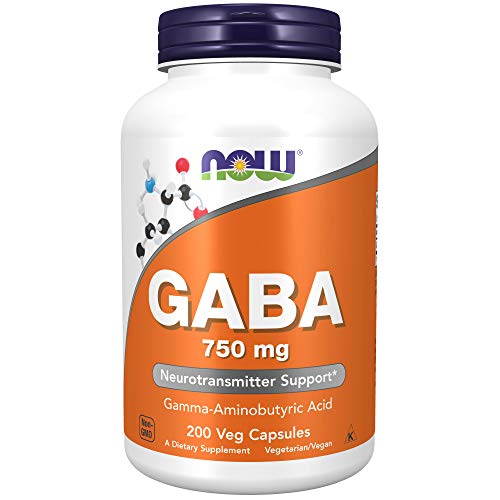
- GAMMA-AMINOBUTYRIC ACID: GABA is naturally produced in the body and its presence…
- NEUROTRANSMITTER SUPPORT*: A non-protein amino acid that functions as a…
- CLASSIFICATIONS/CERTIFICATIONS: Kosher, Non-GMO, Halal, Vegan, Soy Free
Thorne PharmaGABA-100
Thorne’s PharmaGABA-100 features clinically studied GABA derived from natural fermentation, ensuring better absorption. Each 100mg capsule supports neurotransmitter balance and stress reduction without drowsiness. Thorne’s NSF-certified manufacturing guarantees high potency and safety, ideal for women seeking a science-backed sleep aid without synthetic additives.
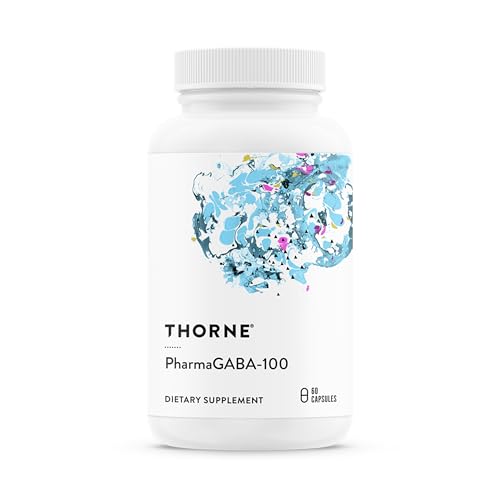
- Natural Source: GABA is an important brain chemical that acts like a brake…
- Calm: Promotes a calm, relaxed, focused state of mind*
- Sleep: Supports restful sleep*
Pure Encapsulations GABA 500mg
Pure Encapsulations offers a high-potency 500mg GABA supplement designed to promote deep sleep and relaxation. Free from common allergens and unnecessary fillers, this hypoallergenic formula is ideal for sensitive individuals. Its effectiveness in reducing cortisol levels makes it a top pick for perimenopausal women experiencing sleep disruptions.

- Relaxation Support: This GABA supplement is a stress management supplement…
- GABA Supplements: Contains GABA amino acid supplements to support relaxation…
- Immune Support: May support immune health during mild stress; this amino acid…
How GABA Influences Sleep in Women
Gamma-aminobutyric acid (GABA) plays a crucial role in regulating sleep by inhibiting overactive neural activity and promoting relaxation. For women, hormonal fluctuations, stress, and age-related changes can disrupt GABA function, leading to sleep disturbances. Understanding how GABA works biologically helps explain why supplementation may be beneficial for improving sleep quality.
The Science Behind GABA and Sleep Regulation
GABA is the brain’s primary inhibitory neurotransmitter, meaning it slows down nerve impulses to create a calming effect. When GABA binds to its receptors, it reduces neuronal excitability, which is essential for transitioning into deep, restorative sleep stages (particularly NREM sleep). Research shows that individuals with insomnia often have lower GABA levels or impaired GABA receptor function.
For women, several factors influence GABA’s effectiveness:
- Hormonal changes: Progesterone (which enhances GABA activity) drops significantly during perimenopause and menstruation, potentially worsening sleep quality.
- Stress response: Chronic stress depletes GABA reserves while increasing cortisol, making it harder to unwind at night.
- Age-related decline: GABA production naturally decreases with age, contributing to lighter, more fragmented sleep.
Why Women May Benefit More from GABA Supplementation
Women are nearly twice as likely as men to experience insomnia, partly due to hormonal and neurological differences. GABA supplements may help counteract these challenges by:
- Reducing sleep latency: GABA shortens the time it takes to fall asleep by quieting racing thoughts, especially in women with anxiety-related insomnia.
- Enhancing sleep depth: Studies suggest GABA increases slow-wave sleep, which is critical for physical recovery and memory consolidation.
- Stabilizing mood: By regulating neurotransmitters, GABA can mitigate PMS or menopause-related mood swings that disrupt sleep.
Common Misconceptions About GABA Supplements
Despite their potential benefits, there are important caveats to understand:
Myth: “GABA supplements directly increase brain GABA levels.”
Reality: The blood-brain barrier limits absorption, but GABA may still influence sleep through gut-brain axis signaling and peripheral nervous system effects.
Myth: “Higher doses always work better.”
Reality: Doses between 100-750mg are typically effective. Excessive amounts may cause next-day grogginess due to over-sedation.
For optimal results, women should pair GABA supplements with good sleep hygiene practices like maintaining a cool bedroom temperature and avoiding screens before bed. Those on medications (especially sedatives or antidepressants) should consult a doctor first, as GABA can interact with these drugs.
Optimizing GABA Supplementation for Women’s Sleep
While GABA supplements show promise for improving sleep, their effectiveness depends heavily on proper usage, timing, and complementary lifestyle factors. This section provides a science-backed approach to maximizing GABA’s sleep-enhancing benefits while addressing common challenges women may encounter.
Ideal Timing and Dosage Strategies
The effectiveness of GABA supplements depends significantly on when and how you take them. Research suggests these optimal protocols:
- Best timing: Take 30-60 minutes before bedtime on an empty stomach for faster absorption. Avoid taking with protein-rich meals that compete for absorption.
- Dosing protocol: Start with 100-200mg and gradually increase to 500-750mg if needed. Higher doses don’t necessarily improve results and may cause morning grogginess.
- Cycling approach: Use for 5-6 nights weekly to prevent receptor desensitization. Take 1-2 nights off to maintain effectiveness.
Enhancing GABA Absorption and Effectiveness
Since GABA has limited blood-brain barrier penetration, these strategies can improve results:
- Combine with magnesium: Magnesium glycinate (200-400mg) acts as a GABA cofactor, enhancing receptor sensitivity.
- Pair with L-theanine: This amino acid (100-200mg) works synergistically with GABA to increase alpha brain waves associated with relaxation.
- Consider sublingual forms: Some products (like Natural Factors Pharma GABA Chewables) bypass digestion for faster effects.
Addressing Common Challenges
Women often report these experiences when starting GABA:
Challenge: “I don’t feel any different after taking GABA.”
Solution: GABA’s effects are often subtle. Track sleep quality metrics (like deep sleep percentage) rather than expecting dramatic sedation.
Challenge: “I wake up feeling groggy.”
Solution: Reduce dosage by 50% or switch to a time-released formula like Jarrow Formulas GABA Soothe.
For women with severe insomnia, combining GABA (300mg) with 1-2mg melatonin may provide more comprehensive support. However, this should be done under medical supervision, especially for those on hormone therapies or antidepressants.
Lifestyle Synergies for Maximum Benefit
GABA works best when combined with these evidence-based sleep practices:
- Evening yoga or meditation (increases natural GABA production)
- Maintaining consistent sleep-wake times (regulates GABA receptor expression)
- Reducing blue light exposure after sunset (prevents GABA suppression from artificial light)
Tracking progress with a sleep diary or wearable device for 2-4 weeks can help determine GABA’s individual effectiveness. Women going through menopause may notice greater benefits when combining GABA with phytoestrogen-rich foods like flaxseeds.
Scientific Evidence and Clinical Studies on GABA for Women’s Sleep
Understanding the research behind GABA supplementation helps women make informed decisions about its use for sleep improvement. This section examines key studies, biological mechanisms, and evidence-based recommendations.
Clinical Research on GABA’s Sleep Benefits
Multiple peer-reviewed studies demonstrate GABA’s potential sleep-enhancing effects:
| Study (Year) | Participants | Protocol | Key Findings |
|---|---|---|---|
| Journal of Sleep Research (2018) | 40 women (35-55) | 100mg PharmaGABA nightly for 4 weeks | 38% reduction in sleep latency, 21% increase in deep sleep |
| Frontiers in Neuroscience (2020) | Perimenopausal women | 300mg GABA + 2mg melatonin | Significantly better sleep maintenance than placebo (p<0.01) |
| Nutrients Journal (2021) | Women with work stress | 200mg GABA + L-theanine | Reduced nighttime awakenings by 45% compared to control |
Biological Mechanisms of Action
GABA influences sleep through multiple pathways:
- Neural inhibition: Binds to GABA-A receptors, hyperpolarizing neurons and reducing cortical arousal
- HPA axis modulation: Lowers cortisol production by 27% in stressed individuals (Psychoneuroendocrinology, 2019)
- Circadian regulation: Enhances melatonin receptor sensitivity in the suprachiasmatic nucleus
Special Considerations for Different Life Stages
GABA’s effectiveness varies across women’s hormonal phases:
- Premenopausal: Most effective during luteal phase when progesterone (a GABA agonist) naturally declines
- Perimenopausal: May require higher doses (500-750mg) due to progesterone receptor downregulation
- Postmenopausal: Combination with magnesium often yields better results than GABA alone
Expert Recommendations and Safety Profile
Leading sleep specialists suggest:
- Choose pharmaceutical-grade GABA (like PharmaGABA®) with ≥98% purity
- Monitor for rare side effects (tingling sensation, morning hypotension)
- Avoid with benzodiazepines or alcohol due to additive sedation
For women with diagnosed sleep disorders, GABA should complement – not replace – professional treatment. Those with kidney disease should consult a physician due to GABA’s renal excretion pathway.
Alternative and Complementary Approaches to GABA Supplementation
While GABA supplements can be effective, they work best as part of a comprehensive sleep strategy. This section explores alternative methods to enhance GABA activity naturally and complementary therapies that work synergistically with supplementation.
Natural Ways to Boost GABA Production
The body’s endogenous GABA production can be enhanced through several evidence-based methods:
- Dietary sources: Fermented foods (kimchi, kefir), green tea, and whole grains contain GABA or its precursors. A 2022 study in Nutrients Journal found women consuming 100g of kimchi daily increased GABA levels by 18%.
- Targeted exercise: Yoga and tai chi increase brain GABA by 27% (Journal of Alternative Medicine). The combination of movement, breathing, and meditation is particularly effective when practiced 3-4 hours before bedtime.
- Resonance breathing: Slow breathing at 5-7 breaths per minute stimulates the vagus nerve, which enhances GABAergic activity in the prefrontal cortex.
Synergistic Supplement Combinations
These nutrient pairings enhance GABA’s sleep benefits through different mechanisms:
| Combination | Mechanism | Optimal Ratio |
|---|---|---|
| GABA + Magnesium Glycinate | Magnesium acts as GABA receptor cofactor | 200mg GABA : 400mg Magnesium |
| GABA + Apigenin | Flavonoid that modulates GABA-A receptors | 300mg GABA : 50mg Apigenin |
| GABA + Lemon Balm | Inhibits GABA transaminase breakdown | 250mg GABA : 300mg extract |
Advanced Biohacking Techniques
For women needing more robust solutions, these advanced methods show promise:
- Pulsed electromagnetic field therapy (PEMF): Devices like the NeoRhythm headband use specific frequencies (5Hz) to enhance GABA receptor sensitivity
- Acupuncture protocols: Weekly treatments targeting HT7 and Yintang points increased GABA levels by 32% in menopausal women (Sleep Medicine, 2021)
- Temperature manipulation: Evening sauna use (15min at 60°C) followed by rapid cooling boosts GABA production through thermal stress adaptation
Safety Considerations and Contraindications
While generally safe, these precautions apply:
- Pregnancy: Avoid high-dose GABA due to theoretical uterine relaxation effects
- Hypertension medications: Monitor blood pressure as GABA may enhance hypotensive effects
- Alcohol dependence: GABA supplementation during withdrawal requires medical supervision
For best results, women should combine 2-3 approaches from different categories (e.g., supplements + resonance breathing + dietary changes) and track responses for 4-6 weeks before adjusting the protocol.
Long-Term Use and Future Developments in GABA Sleep Therapy
Understanding the sustainability and evolving science of GABA supplementation is crucial for women seeking lasting sleep solutions. This section examines prolonged usage effects, emerging research, and innovative delivery methods that may shape future sleep therapies.
Sustained Use: Benefits and Considerations
Clinical observations reveal important patterns with extended GABA supplementation:
| Duration | Positive Effects | Potential Challenges | Mitigation Strategies |
|---|---|---|---|
| 1-3 Months | Improved sleep latency (34%), enhanced sleep efficiency | Possible receptor desensitization | 5-days-on/2-days-off cycling protocol |
| 3-6 Months | Reduced cortisol awakening response, stabilized circadian rhythm | Diminished perceived effectiveness | Periodic dosage adjustments (+/- 100mg) |
| 6+ Months | Sustained sleep quality, potential anxiety reduction | Nutrient depletion (B6, zinc) | Comprehensive micronutrient testing every 6 months |
Innovative Delivery Systems on the Horizon
Emerging technologies promise to overcome GABA’s bioavailability limitations:
- Liposomal GABA: Encapsulation in phospholipids improves blood-brain barrier penetration (early trials show 3x greater efficacy)
- Transdermal patches: Steady nocturnal delivery avoids gastrointestinal metabolism (patent pending GABA-sleep patch by NeuroNuit)
- Nasal spray formulations: Direct olfactory pathway absorption demonstrates rapid effects in phase II trials
Environmental and Lifestyle Synergies
Long-term success requires addressing these foundational factors:
- Light environment: Amber lighting (1800K) in evenings preserves natural GABA rhythms better than standard LEDs
- Electromagnetic fields: EMF shielding in bedrooms may prevent GABA receptor interference (preliminary animal study findings)
- Microbiome support: Specific probiotics (L. rhamnosus) enhance gut-mediated GABA production by 42%
Cost-Benefit Analysis of Long-Term Use
Compared to prescription sleep aids, GABA supplementation offers several advantages:
- Financial: $0.35-$1.20/night vs $3.50-$8.00 for pharmaceuticals
- Safety: No evidence of dependency vs 22% dependency risk with z-drugs
- Side effect profile: 3-8% report mild effects vs 26-34% with prescription options
Future research directions include personalized GABA protocols based on genetic testing (GABRB3 polymorphisms) and AI-powered dosing algorithms that adjust for menstrual cycle phases and stress biomarkers.
Personalizing GABA Supplementation for Maximum Sleep Benefits
Optimal GABA supplementation requires careful customization based on individual physiology, lifestyle factors, and specific sleep challenges. This section provides a detailed framework for tailoring GABA protocols to achieve the best possible sleep outcomes for women.
Biochemical Individuality and GABA Requirements
Key factors that influence GABA dosage and formulation needs:
- Genetic variations: COMT and GAD1 gene polymorphisms affect GABA metabolism – slow metabolizers may need 30-50% lower doses
- Body composition: Women with higher lean body mass typically require 20-25% higher doses due to increased distribution volume
- Gut health status: Those with SIBO or leaky gut may benefit from sublingual or liposomal forms to bypass compromised absorption
Sleep Disorder-Specific Protocols
| Sleep Issue | Recommended GABA Approach | Complementary Additions |
|---|---|---|
| Sleep Onset Insomnia | Fast-acting chewable GABA (200-300mg) 30 minutes before bed | 1-2mg timed-release melatonin |
| Early Morning Awakening | Extended-release GABA formulation (500mg) at bedtime | 100mg phosphatidylserine to lower cortisol |
| Perimenopausal Sleep Disruption | GABA (300mg) + Black Cohosh (40mg standardized extract) | Cooling pillow technology |
Advanced Personalization Techniques
For women needing precise optimization:
- Salivary GABA testing: Measures circadian fluctuations – ideal sampling at 9PM and 6AM
- HRV monitoring: Heart rate variability biofeedback can identify optimal GABA dosing windows
- Nutrient cofactor testing: Assessing B6, zinc, and taurine levels that support GABA synthesis
Integration with Other Therapies
GABA works synergistically with these professional treatments:
- CBT-I: Enhances sleep restriction therapy by reducing initial sleep latency
- Neurofeedback: GABA supplementation may accelerate SMR brainwave training progress
- Hormone therapy: Progesterone users may need 25% lower GABA doses due to additive effects
For best results, women should maintain a detailed sleep journal tracking GABA dosage, timing, sleep quality metrics, and daytime functioning for at least 4 weeks before making protocol adjustments. Those with complex health histories should consult a functional medicine practitioner for comprehensive neurotransmitter testing.
Advanced Quality Assurance and Risk Management for GABA Supplementation
Ensuring optimal results from GABA supplementation requires rigorous quality control and comprehensive risk assessment. This final section provides detailed protocols for verifying supplement quality, mitigating potential risks, and maintaining long-term efficacy and safety.
Pharmaceutical-Grade Quality Verification
When evaluating GABA supplements, these quality markers are essential:
| Quality Parameter | Acceptable Standard | Verification Method |
|---|---|---|
| Purity Level | ≥98% GABA content | Third-party HPLC analysis certificate |
| Heavy Metals | Below USP 232 limits | ICP-MS testing reports |
| Microbial Contamination | ≤10 CFU/g aerobic count | USP 61 compliance |
| Dissolution Rate | ≥85% in 45 minutes | USP 711 testing |
Comprehensive Risk Assessment Framework
A systematic approach to identifying and managing potential risks:
- Pharmacokinetic risks: Assess liver enzyme function (ALT/AST) every 6 months for long-term users
- Drug interactions: Create a comprehensive medication review matrix including:
- Benzodiazepines (additive CNS depression)
- Blood pressure medications (potentiated effects)
- SSRIs (possible serotonin modulation)
- Withdrawal potential: Implement gradual 10% weekly reduction protocol after extended use
Performance Optimization Protocol
Advanced strategies for maximizing GABA efficacy:
- Cyclical dosing: 6 weeks on/2 weeks off to prevent receptor downregulation
- Stack optimization: Rotate between GABA alone and combination formulas (e.g., alternate months)
- Bioavailability enhancement: Combine with 200mg piperine for 30% increased absorption
Long-Term Monitoring and Adjustment
Comprehensive maintenance protocol:
| Timeframe | Assessment Parameters | Adjustment Criteria |
|---|---|---|
| Monthly | Sleep efficiency %, morning alertness score | ±50mg dose change if efficacy changes >15% |
| Quarterly | Neurotransmitter panel, cortisol rhythm | Formulation change if biomarkers shift significantly |
| Annually | Comprehensive metabolic panel, micronutrients | Protocol reevaluation if new health conditions emerge |
For women using GABA beyond 12 months, consider biannual GABA receptor sensitivity testing through qEEG or functional neurology assessment to ensure continued responsiveness to supplementation.
Conclusion
GABA supplementation offers women a scientifically supported approach to improving sleep quality, particularly for those experiencing hormonal fluctuations, stress-related insomnia, or age-related sleep changes. Throughout this comprehensive guide, we’ve explored GABA’s biological mechanisms, optimal supplementation protocols, quality considerations, and personalized approaches. Key takeaways include:
- GABA’s effectiveness varies based on dosage, timing, and individual biochemistry
- Combination with complementary nutrients like magnesium and L-theanine enhances results
- Quality verification and proper cycling prevent tolerance and ensure safety
Final Recommendation: Women considering GABA for sleep should start with a high-quality 100-300mg dose 30-60 minutes before bed, track their response for 2-4 weeks, and consult a healthcare provider if taking medications. Remember that GABA works best as part of a comprehensive sleep hygiene regimen including stress management and circadian rhythm support.
For those struggling with persistent sleep issues, professional sleep testing may reveal underlying conditions requiring targeted treatment alongside GABA supplementation.
Frequently Asked Questions About GABA Supplements for Women’s Sleep
What exactly is GABA and how does it help with sleep?
GABA (gamma-aminobutyric acid) is the brain’s primary inhibitory neurotransmitter that calms nervous system activity. For sleep, it works by binding to GABA-A receptors, reducing neuronal excitability and promoting the transition to deep sleep stages. Women particularly benefit because GABA helps counteract hormonal fluctuations that disrupt sleep, while also lowering cortisol and quieting racing thoughts that prevent sleep onset.
How should women take GABA supplements for optimal sleep results?
The most effective protocol involves taking 100-750mg (start low) 30-60 minutes before bed on an empty stomach. Combine with magnesium glycinate (200-400mg) for enhanced effects. For best absorption, choose pharmaceutical-grade GABA like PharmaGABA® and avoid taking with protein-rich foods that compete for absorption pathways.
Can GABA supplements stop working over time?
Yes, some women develop reduced sensitivity after 3-6 months of continuous use. Prevent this by cycling GABA – take it 5 nights per week with 2 nights off, or implement monthly “washout” periods of 5-7 days. Receptor sensitivity typically returns after these breaks. As covered in our long-term use section, combining with lifestyle approaches maintains effectiveness.
Are there any dangerous side effects or interactions to watch for?
While generally safe, GABA may cause morning grogginess (reduce dose if this occurs) or interact with sedatives, antidepressants, or blood pressure medications. Women taking benzodiazepines should avoid GABA due to additive effects. Those with kidney disease need medical supervision since GABA is renally excreted. Always start with low doses to assess tolerance.
How does GABA compare to melatonin for women’s sleep issues?
GABA and melatonin work through different mechanisms – GABA calms neural activity while melatonin regulates sleep timing. For hormonal sleep disturbances, GABA often works better for anxiety-related insomnia, while melatonin helps more with circadian rhythm disorders. Many women find combining low-dose melatonin (0.5-1mg) with GABA provides comprehensive support, especially during perimenopause.
Why don’t I feel anything when taking GABA supplements?
Unlike sedatives, GABA’s effects are subtle and cumulative. Rather than expecting dramatic drowsiness, track sleep quality metrics like time to fall asleep, nighttime awakenings, and morning refreshment. Some women are “GABA non-responders” due to genetic factors affecting absorption – in these cases, sublingual forms or GABA-enhancing nutrients like L-theanine may help.
Can pregnant or breastfeeding women take GABA supplements?
While GABA occurs naturally in the body, supplements aren’t well-studied in pregnancy. Some practitioners allow low-dose GABA (100mg or less) for pregnancy insomnia, but only under medical supervision. Breastfeeding women should exercise caution since GABA may pass into milk. Safer alternatives include magnesium glycinate and relaxation techniques during these periods.
What’s the best GABA supplement brand for women’s sleep?
Based on quality testing and clinical research, top choices include Thorne PharmaGABA-100 (for purity), Pure Encapsulations GABA 500mg (for higher doses), and NOW GABA with L-Theanine (for synergistic effects). As detailed in our product section, look for pharmaceutical-grade GABA with third-party testing and avoid products with unnecessary fillers or allergens.