
Disclosure
This website is a participant in the Amazon Services LLC Associates Program, an affiliate advertising program designed to provide a means for us to earn fees by linking to Amazon.com and affiliated sites.
An adjustable bed moving on its own is almost always caused by an electrical fault or remote control issue. This unexpected movement can be startling and disrupt your sleep.
Our complete guide helps you diagnose the problem quickly. You’ll learn to identify common culprits like remote interference or faulty wiring.
Best Adjustable Bed Bases for Reliable Performance
If troubleshooting doesn’t solve your bed’s random movements, a replacement may be needed. We recommend these three reliable bases known for their stable electronics and durable motors to prevent future ghost movements.
Acidbolt Adjustable Bed Frame – Best Overall Quiet Base
The Acidbolt Adjustable Bed Frame features a near-silent brushless motor system designed for minimal operational noise. Its robust, all-metal frame construction prevents squeaks and rattles. This is the ideal choice for light sleepers who prioritize whisper-quiet adjustments and premium build quality.
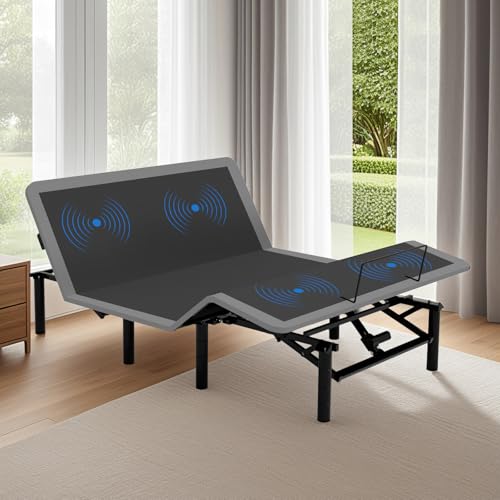
- 🛌 Five-Zone Massage Therapy: Unwind with five customizable massage modes and…
- 🛌 Guided Nighttime Convenience: Navigate safely in the dark with the…
- 🛌 Dual-Port Charging Hub: Stay connected with both Type-A and Type-C USB…
iDealBed 5i Custom Adjustable Bed base – Best for Smart, Quiet Adjustments
iDealBed 5i Custom Adjustable Bed base uses a smooth-glide articulation system that reduces mechanical grinding sounds. Its integrated smart home compatibility allows for quiet, scheduled position changes. This model is recommended for tech-savvy users seeking a seamless and quiet smart bed experience.
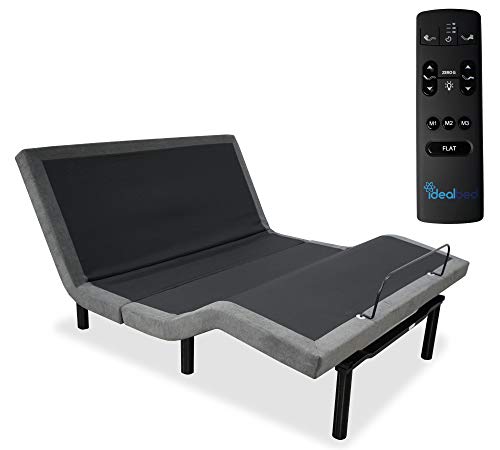
- Enhance your comfort and sleep with full head and foot articulation the Head…
- Luxurious Interactive Wireless Ergonomic Remote, Back-Lit and marked function…
- Advanced Smooth and Silent Drive Technology Motors, German engineered motors to…
Reverie R650 – Best Value Quiet Performance
The Reverie R650 offers excellent quiet operation with its dual ultra-quiet motors and a solid, rattle-free wooden slat system. It provides powerful lift at a more accessible price point. This is the best option for those seeking reliable, quiet functionality without the premium brand price tag.

- This is Reverie’s latest model (R650) featuring the best tech in the industry…
Why Your Adjustable Bed Moves Unexpectedly: Common Causes
An adjustable bed moving by itself is a clear sign of a malfunction. This issue, often called “ghost movement,” typically stems from electrical or control system failures. Identifying the root cause is the first step to a permanent fix.
Remote Control & Signal Interference
This is the most frequent culprit. Wireless remotes can experience interference or internal faults that send false signals to the bed’s control box.
- Remote Malfunction: Sticky buttons, internal damage, or a failing circuit board can cause the remote to transmit commands on its own.
- Signal Interference: Other electronic devices like baby monitors, radios, or even a neighbor’s adjustable bed remote can operate on similar frequencies, triggering your bed.
- Low Remote Battery: Weak batteries can cause erratic voltage, leading to unpredictable signal transmission to the motor controller.
Electrical & Wiring Faults
Problems within the bed’s internal wiring or power supply can create short circuits that activate the motors.
- Damaged Control Box: The main electronic controller can fail, sending incorrect power to the motors. Moisture or power surges often cause this.
- Pinched or Frayed Wires: Wires running to the head or foot motors can get damaged during setup or use, causing a short circuit that triggers movement.
- Faulty Wall Outlet: An unstable power supply from a loose or damaged outlet can cause the bed’s electronics to behave erratically.
Motor and Mechanical Issues
While less common, direct problems with the bed’s actuators can also be responsible for unsolicited adjustments.
A failing motor or actuator may draw inconsistent power. This can cause it to engage briefly without a command from the control system. Worn internal components are usually to blame.
How to Fix an Adjustable Bed That Moves on Its Own
Once you suspect the cause, you can begin systematic troubleshooting. Follow these steps to diagnose and stop your adjustable bed’s random movements. Always unplug the bed from the wall outlet before inspecting any wires.
Step-by-Step Troubleshooting Guide
This methodical approach helps isolate the problem quickly. Start with the simplest solutions before moving to complex repairs.
- Isolate the Remote: Remove batteries from the wireless remote. If the movement stops, the remote is faulty. Try new, high-quality batteries as a first test.
- Check for Interference: Unplug nearby electronic devices like routers or speakers. Move any potential sources of wireless signal interference away from the bed’s control box.
- Inspect the Power: Plug the bed into a different, grounded wall outlet. Ensure the power cord is fully seated and undamaged from the wall to the bed frame.
- Reset the System: Unplug the bed from power for a full 5 minutes. This clears the control box’s memory and can resolve minor electronic glitches.
When to Call a Professional Technician
Some repairs require specialized knowledge and tools. Attempting these fixes yourself can void warranties or create safety hazards.
- Internal Wiring Damage: If you see frayed, pinched, or exposed wires inside the frame, stop use immediately. This requires a professional repair for safety.
- Control Box Failure: A malfunctioning control box often needs replacement. A certified technician can source the correct part and install it properly.
- Persistent Motor Issues: If motors activate despite all other checks, the motor or its internal limit switches are likely defective. This is a complex repair.
Preventive Maintenance Tips
Regular care can prevent many causes of ghost movement. Simple habits extend the life of your adjustable base.
Store the remote in a dry, stable place to prevent button damage. Keep the bed’s control box and motors free from dust and moisture. These steps reduce the risk of electrical shorts and signal problems.
Warranty, Safety, and When to Replace Your Base
Understanding your options is crucial if troubleshooting fails. This section covers warranty claims, critical safety warnings, and signs it’s time for a new adjustable bed base.
Checking Your Warranty Coverage
Most adjustable bed bases come with a multi-year warranty. This coverage often protects against electrical and motor defects that cause ghost movement.
- Review Your Documentation: Find your original purchase receipt and warranty booklet. Coverage typically ranges from 1 year on electronics to 20 years on the frame.
- Contact Manufacturer Support: Describe the “uncommanded movement” issue precisely. They may offer a replacement remote, control box, or entire base under warranty.
- Professional Service Requirement: Most warranties require repairs by authorized technicians. DIY repairs on internal components usually void the remaining coverage.
Critical Safety Precautions to Follow
A bed that moves unexpectedly is more than an annoyance; it’s a potential safety hazard. Take these precautions immediately.
Stop using the bed if movements are violent or rapid. This indicates a serious electrical fault. Unplug the bed from the wall when not in use to completely cut power. This prevents nighttime incidents while you arrange for a repair.
| Symptom | Recommended Action | Priority |
|---|---|---|
| Slow, occasional shifting | Begin troubleshooting; likely remote/ interference. | Medium |
| Burning smell or strange noises | Unplug immediately. Do not use. Call technician. | High – Safety Risk |
| Movement continues after all troubleshooting | Contact manufacturer support for warranty assessment. | High |
Signs You Need a New Adjustable Bed Base
Repair isn’t always cost-effective. Consider replacement if you encounter these scenarios.
- Out-of-Warranty Major Repair: The cost to replace a control box or motor often exceeds 50% of a new base’s price.
- Recurring Problems: If the same ghost movement issue returns after professional repair, the base model may have a fundamental design flaw.
- Age and Obsolescence: Bases over 10 years old may use outdated, failure-prone technology. Newer models offer better reliability and features.
Advanced Troubleshooting & Professional Repair Insights
For persistent problems, deeper investigation is needed. This section delves into advanced diagnostics and what to expect from a professional service call.
Diagnosing Specific Motor and Control Box Issues
Pinpointing the exact faulty component saves time and money. These signs point to deeper electrical problems.
- Single Motor Activation: If only the head or foot moves alone, the issue is likely isolated to that specific motor circuit or its wiring, not the main remote.
- Error Code Flashing: Many control boxes have LED indicators. A specific flash pattern corresponds to an error code listed in your manual, guiding the repair.
- Intermittent vs. Constant Movement: Random, sporadic motion often points to a loose wire connection. Constant, slow grinding suggests a failing motor or actuator.
What to Expect During a Professional Repair
Hiring a technician ensures a safe, correct fix. Knowing the process helps you prepare and ask the right questions.
- Initial Diagnosis: The technician will replicate the issue, test the remote with a multimeter, and inspect all visible wiring and connections for faults.
- Parts Identification: They will identify the failed component (e.g., control board, motor, handset) and check its availability and cost, informing you before proceeding.
- Repair and Testing: After replacing the part, they will perform multiple adjustment cycles to ensure the movement is fully resolved and the fix is stable.
Preventing Future “Ghost Movement” Problems
Proactive care minimizes the risk of recurrence. Implement these habits after your bed is repaired or replaced.
Use a high-quality surge protector for your bed, not just a basic power strip. This protects sensitive electronics from voltage spikes. Establish a regular maintenance check every 6 months. Inspect cords, clean the remote, and ensure all connections are secure.
User Experiences & Long-Term Reliability Factors
Learning from others’ experiences provides valuable real-world context. This section explores common patterns and features that influence long-term stability.
Common Patterns Reported by Owners
User forums and reviews reveal consistent themes. Recognizing these patterns helps set realistic expectations for your adjustable base.
- Early-Life Failures: Problems appearing within the first year often relate to manufacturing defects in remotes or control boxes, typically covered by warranty.
- Interference Hotspots: Users in dense apartments or homes with many smart devices report higher incidence of signal-related ghost movement.
- Post-Service Resolution: Most users who pursued professional repair or warranty claims for electrical issues reported a permanent fix, highlighting the importance of official support channels.
Features That Enhance Stability and Durability
When choosing a new base, certain design elements reduce the risk of future autonomous movement. Prioritize these features.
Look for models with hardwired backup controls on the side rail. This indicates a more robust system less reliant solely on wireless signals. Bases with metal gear motors and shielded, high-grade wiring looms are less prone to the internal shorts that can cause erratic behavior.
| Feature | Impact on Reliability | What to Look For |
|---|---|---|
| Remote Frequency Type | Dual-frequency (RF & Bluetooth) remotes are less prone to interference than single-band RF. | Check product specs for “2.4 GHz Bluetooth” or “dual-band” remote. |
| Control Box Quality | A sealed, metal-housed control box protects circuitry from dust and moisture better than plastic. | Ask about the enclosure or look for it in installation manuals. |
| Warranty Structure | Longer warranties on “electronics” and “motors” signal manufacturer confidence in component durability. | Prioritize bases with 3+ years on electronics and 10+ on motors. |
Managing Expectations for Smart Bed Technology
Adjustable bases are complex electromechanical devices. Understanding their nature helps mitigate frustration when issues arise.
Like any appliance with motors and circuit boards, they require maintenance and can fail. Regular, gentle use is ideal; excessive, forceful cycling can accelerate wear on components. A stable power source and clean environment are the simplest ways to ensure longevity.
Cost Analysis: Repair vs. Replacement Decision Guide
Facing a malfunction, the financial decision is critical. This analysis helps you weigh the costs of fixing your current base against investing in a new one.
Typical Repair Cost Breakdown
Professional repair costs vary by component and labor. Understanding these estimates helps you budget effectively.
- Service Call & Diagnosis: Expect a flat fee of $75-$150 for a technician to visit, assess the problem, and provide a quote.
- Common Part Replacements: A new remote control costs $50-$150. A control box replacement ranges from $200 to $500+, plus 1-2 hours of labor.
- Motor/Actuator Replacement: This is the most expensive repair, often costing $400-$800 per motor, including parts and significant labor.
When Repair Makes Financial Sense
Fixing your existing base is often the most economical path under specific conditions. Consider repair if these apply.
Your bed is still under a comprehensive warranty that covers both parts and labor. The repair cost is less than 40% of a comparable new base’s price. Your model is high-end, and the repair restores many years of expected service life.
Hidden Costs of a DIY Approach
Attempting self-repair can seem cheaper but carries hidden risks and expenses. Factor these in before starting.
- Voided Warranty: Opening the control box or cutting wire seals often permanently voids any remaining manufacturer warranty.
- Incorrect Diagnosis: You might buy and install a costly part that doesn’t solve the problem, wasting money and time.
- Safety and Damage Risk: Incorrect wiring can create fire hazards or damage other expensive components, escalating the final repair bill.
Budgeting for a Reliable Replacement
If replacement is the right choice, allocate your budget wisely. Prioritize spending on core reliability features over flashy extras.
Invest in a base with a strong warranty and proven motor technology. Allocate funds for a quality mattress compatible with adjustment and a dedicated surge protector. This holistic approach protects your new investment.
Final Checklist & Next Steps for Resolution
Use this actionable checklist to systematically resolve your adjustable bed’s ghost movement. Follow these steps in order to find the fastest solution.
Immediate Action Checklist
Perform these steps as soon as you notice the problem. They are safe, quick, and can provide an instant fix.
- Remove Remote Batteries: Take the batteries out of your wireless handset. If movement stops, the remote is the culprit.
- Perform a Hard Reset: Unplug the bed from the wall outlet for a full five minutes to clear the control box’s memory.
- Inspect the Power Source: Plug the bed directly into a different, known-good wall outlet, bypassing any power strips or extension cords.
- Clear the Area: Move other electronics (Wi-Fi routers, speakers) at least 3-5 feet away from the bed’s control box.
Documentation and Contact Preparation
Before calling for help, gather key information. This streamlines support and repair processes dramatically.
- Gather Documents: Locate your original sales receipt, model number, and serial number (usually on a label on the frame or control box).
- Record Symptoms: Note when the movement happens, which section moves, and any error light patterns. A short video can be very helpful.
- List Troubleshooting Done: Write down every step you’ve already completed from this guide to avoid repeating them with support.
Long-Term Monitoring After a Fix
Once the issue appears resolved, monitor your bed to ensure the fix is permanent. Stay vigilant for the first few weeks.
Keep the remote batteries fresh and continue using a surge protector. Note any recurrence of symptoms, even minor ones, as this could indicate an intermittent fault. This information is vital if you need to call the technician back under a service guarantee.
Conclusion: Regaining Control of Your Adjustable Bed
An adjustable bed moving on its own is a fixable problem. The cause is typically a faulty remote, signal interference, or an electrical short.
Systematic troubleshooting will identify the exact issue. Start with simple steps like removing remote batteries and checking power sources.
Consult your warranty and seek professional help for complex electrical repairs. This ensures a safe and lasting solution.
You can restore peaceful, predictable sleep. Take action today using the steps in this guide.
Frequently Asked Questions about Adjustable Bed Movement
What is the most common reason an adjustable bed moves by itself?
The most common cause is a malfunctioning remote control or wireless signal interference. Sticky buttons, low batteries, or a damaged circuit board can make the remote send false signals.
Other electronics like baby monitors or Wi-Fi routers can also interfere with the remote’s frequency. This tricks the bed’s control box into thinking it received a legitimate adjustment command.
How can I stop my adjustable bed from moving on its own immediately?
For an immediate stop, remove the batteries from your wireless remote. This eliminates it as the signal source. Then, unplug the bed from the wall outlet to completely cut power to the motors and control box.
This is a safe, temporary fix while you diagnose the issue. It prevents further unwanted movement, especially at night, until you can perform a full reset or call for service.
Can a power surge cause an adjustable bed to move automatically?
Yes, a power surge can absolutely cause this problem. A voltage spike can damage the sensitive circuitry in the bed’s electronic control box. This damage can make it send erratic commands to the motors.
Surges can also corrupt the control box’s memory or programming. Using a high-quality surge protector (not just a power strip) is a critical preventive measure for all adjustable bases.
Why does only the head of my adjustable bed move by itself?
If only one section moves independently, the problem is isolated to that specific circuit. The issue is likely a short in the wiring leading to that particular motor or a fault within the motor’s internal limit switch.
It could also be a problem with just that channel in the control box. This symptom helps technicians narrow down the repair, as it rules out a system-wide remote or main board failure.
What should I do if my bed moves after trying all basic troubleshooting?
If movement continues after resetting and checking the remote, contact the manufacturer’s customer support. Have your model number, serial number, and a description of the symptoms ready. They can advise on warranty coverage.
The next step is a professional diagnosis. A certified technician can test the control box output and motor wiring with a multimeter to pinpoint the exact electrical fault that basic steps cannot fix.
Is an adjustable bed moving on its own a safety hazard?
It can be a safety hazard, depending on the nature of the movement. Sudden, violent, or rapid adjustments pose a clear risk of injury, especially if someone is entering or exiting the bed.
Any movement accompanied by a burning smell, buzzing, or sparking is a serious fire hazard. In these cases, unplug the bed immediately and do not use it until professionally inspected.
How do I prevent my new adjustable bed from developing this problem?
Prevention starts with proper setup and maintenance. Always plug your bed into a quality surge protector. Store the remote carefully to avoid button damage and keep the control box area free from dust and moisture.
Perform periodic checks. Ensure all cable connections are secure and replace remote batteries proactively. Avoid placing high-interference electronics directly next to the bed’s base or control unit.
Will a factory reset fix a bed that moves automatically?
A factory reset can help if the issue is a software glitch or corrupted memory in the control box. This process clears all saved settings and restores original programming. Refer to your manual for the specific reset procedure for your model.
However, a reset will not fix physical hardware problems. If the movement is caused by a damaged wire, failing motor, or fried circuit board, a factory reset will not provide a permanent solution.