
Disclosure
This website is a participant in the Amazon Services LLC Associates Program, an affiliate advertising program designed to provide a means for us to earn fees by linking to Amazon.com and affiliated sites.
A mattress topper that won’t expand can ruin your sleep and feel like a waste of money. The common causes is the first step to a quick solution.
Most expansion issues are not permanent failures but simple environmental factors. With the right technique, you can often restore your topper to its full comfort in under a day.
Is Your Mattress Topper Still a Flat, Lifeless Pancake Days After Unboxing?
You waited for relief, but your topper never fully expanded, leaving you on a lumpy, uncomfortable surface. This usually means poor quality foam. The Biteany Topper uses high-density, temperature-sensitive memory foam that reliably expands within hours, transforming into a supportive, pressure-relieving layer for instant comfort and a perfect night’s sleep.
For a topper that expands correctly every time: Biteany Dual Layer Memory Foam Mattress Topper

- GET 2X SUPPORT FROM MATERIAL REVOLUTION! Biteany queen mattress topper combines...
- PAIN-FREE SLEEP, CUSTOMIZES COMFORT! Our queen size mattress topper can...
- STAY COOL & SLEEP SAFE! The cooling mattress topper features a 3D air mesh...
Common Reasons Your Mattress Topper Won’t Fully Expand
A new mattress topper failing to reach its full size is frustrating. The root cause is almost always related to its environment or handling. these factors is the key to fixing the problem quickly.
Insufficient Airflow and Temperature
Memory foam and latex require specific conditions to expand properly. A cold room or lack of circulating air significantly slows the process. This is the most common reason for a slow-expanding topper.
- Cold Room Temperature: Foam materials become stiff and less responsive in cool air. Aim for a room temperature of at least 65-70°F (18-21°C) for optimal expansion.
- Poor Ventilation: The topper needs fresh air to replace the compressed air inside its cells. Placing it directly on a non-breathable surface or in a closed room hinders this.
- High Humidity: Damp air can be absorbed by the foam, adding weight and slowing the expansion process. A dehumidifier can help in very humid climates.
Compression Time and Material Type
How long the topper was packaged and what it’s made of greatly affect expansion time. A topper vacuum-sealed for months will take longer to bounce back than one packed for weeks.
Different materials have different recovery rates. Here is a quick comparison:
| Material | Typical Full Expansion Time | Key Consideration |
|---|---|---|
| Standard Memory Foam | 24-72 hours | Most sensitive to temperature. |
| Gel-Infused Memory Foam | 48-72 hours | May feel cooler but expands at a similar rate. |
| Latex (Natural or Synthetic) | 12-48 hours | Generally expands faster and is more resilient. |
Step-by-Step Guide to Fix a Mattress Topper That Won’t Expand
If your topper is still flat after a day, don’t give up. These proven methods can accelerate the expansion process. Follow this systematic approach to restore your topper’s loft and comfort.
Immediate Actions for Faster Expansion
Start by creating the ideal environment for your compressed topper. These first steps are crucial for triggering the material’s recovery.
- Unpack and Position: Immediately remove all plastic packaging. Place the topper flat on your bed or a clean, breathable floor, ensuring it is not folded or bunched.
- Apply Gentle Heat: Increase the room’s temperature. You can also briefly use a hairdryer on a low, warm setting, moving it continuously over the surface from a distance of 12 inches.
- Promote Airflow: Use a fan to circulate air directly over and under the topper. For a bed, gently lift the topper at the corners periodically to let air underneath.
Advanced Techniques for Stubborn Toppers
For toppers that remain sluggish, more direct intervention may be necessary. These methods help manually encourage the foam cells to open.
- Manual Flexing: Gently bend and flex the topper in different directions. This physical manipulation helps break apart foam layers that may be stuck together from compression.
- The Rolling Pin Method: Carefully use a rolling pin over the surface, applying light pressure. This can help push out trapped air and smooth out persistent wrinkles or indentations.
- Extended Warm Room Rest: Sometimes, only time and consistent warmth will work. Leave the topper in the warmest room of your house, like a sunroom, for a full 72 hours.
When to Contact Customer Support for a Defective Topper
Despite your best efforts, some toppers may have genuine manufacturing flaws. Recognizing the signs of a defective product is essential for a timely resolution. Knowing when to stop troubleshooting and start the return process saves time and frustration.
Clear Signs of a Manufacturing Defect
Certain issues cannot be fixed at home and indicate a problem from the factory. These are red flags that warrant contacting the seller or manufacturer directly.
- Persistent Strong Odor: A mild “off-gassing” smell is normal for a few days. A powerful chemical odor that causes headaches or lasts over two weeks is not.
- Visible Physical Damage: Look for permanent tears, significant uneven lumps, or sections that feel like solid, non-porous blocks instead of foam.
- Zero Recovery After 72+ Hours: If a large portion of the topper remains severely compressed, pancake-flat, or misshapen in a warm room after 3-4 full days, it is likely faulty.
How to Prepare for Your Support Call
Being prepared with the right information speeds up the customer service process. It helps you clearly demonstrate the problem and your troubleshooting efforts.
- Gather Your Proof: Locate your original order number and receipt. Take clear, well-lit photos and a short video showing the topper’s failure to expand next to a measuring tape.
- Document Your Steps: Briefly note the dates and methods you tried, such as “placed in 70°F room with fan for 72 hours” or “gently flexed as per guide.”
- Know the Policy: Review the company’s warranty, return, and exchange policy beforehand so you can reference it and understand your options.
| Your Observation | Likely Cause | Recommended Action |
|---|---|---|
| Slow expansion in one corner | Uneven ventilation or initial unpacking | Focus airflow on that area; give it more time. |
| Entire topper is still 50% flat after 4 warm days | Potential manufacturing defect | Contact customer support with your documentation. |
| Strong odor that doesn’t fade | Possible excessive off-gassing or material issue | Ventilate aggressively; contact support if health concerns arise. |
Proactive Tips to Prevent Future Mattress Topper Expansion Problems
Once your topper is fully expanded, proper care will maintain its comfort and longevity. Implementing a few simple habits from day one can prevent future issues and protect your investment. A little prevention ensures you get the best sleep for years to come.
Optimal Unpacking and Initial Setup
The first hour after opening your topper sets the stage for its performance. Rushing this process is a common mistake that leads to immediate frustration.
- Unpack Immediately: Do not let the vacuum-sealed package sit after delivery. The longer it stays compressed, the longer initial expansion may take.
- Choose the Right Surface: Always unroll the topper directly onto its final destination—your mattress. Unpacking on the floor can introduce dust and hinder airflow from below.
- Allow Full Cure Time: Even after it looks expanded, give memory foam an extra 24-48 hours to fully “cure” and off-gas before making your bed with sheets.
Long-Term Maintenance for Lasting Loft
Regular care prevents the foam from becoming permanently compressed or damaged. This maintenance is simple but highly effective.
- Rotate Regularly: Every 3-6 months, rotate your topper 180 degrees. This ensures even wear and prevents body impressions from forming in the same spots.
- Ensure Proper Support: A topper cannot fix a sagging mattress. Place it only on a firm, supportive, and intact mattress base to prevent premature breakdown.
- Use a Protective Cover: A waterproof, breathable mattress protector shields the topper from spills, dust mites, and body oils, which can break down the foam over time.
Expansion Time and Material Concerns
timelines and material differences helps set realistic expectations. Here are precise answers based on common topper types.
- How long should I wait before deciding it’s broken? For most memory foam, allow a full 72 hours in a warm room. For latex, 48 hours is typically sufficient. If significant flat spots remain after this, contact support.
- Is it normal for one side to expand faster? Yes, slight uneven expansion can occur due to airflow or initial rolling. Ensure even ventilation and gently massage slower areas. It should even out within the full timeframe.
- Can I sleep on it while it’s still expanding? It’s best to wait 24 hours if possible. Sleeping on it too soon can create permanent body impressions in the foam before it has fully recovered its cell structure.
Troubleshooting Specific Issues
Some problems require targeted fixes. Use this guide to address odd smells, lumps, or persistent compression.
| Problem | Quick Fix | When to Worry |
|---|---|---|
| Strong chemical smell | Unwrap in a well-ventilated room; use a fan for 48 hours. Baking soda can help absorb odors. | If the smell is overpowering or causes irritation after one week. |
| Lumps or bumps in the foam | Gently walk on the topper or use a rolling pin to distribute material evenly. | If lumps are rock-hard or the surface is severely uneven after several days. |
| Edges won’t uncurl | Apply low heat from a hairdryer to the curled edge while gently holding it flat. Weight it down with a book. | If edges remain tightly rolled after 48 hours of heat and pressure. |
Choosing the Right Mattress Topper to Avoid Expansion Issues
Selecting a high-quality topper from the start can minimize the risk of expansion problems. Key product features and informed purchasing decisions lead to a smoother setup experience. Investing in the right product ensures reliable performance from day one.
Critical Features to Evaluate Before Buying
Not all mattress toppers are created equal. Paying attention to these specifications can help you avoid products prone to poor recovery or defects.
- Foam Density: Look for a density of at least 3 pounds per cubic foot (PCF) for memory foam. Higher-density foam is more durable, resilient, and less likely to have permanent compression issues.
- CertiPUR-US® Certification: This certification guarantees the foam is made without harmful chemicals, has low VOC emissions for indoor air quality, and is more likely to perform as expected.
- Warranty Length and Coverage: A reputable brand will offer a minimum 3-5 year warranty that specifically covers defects like failure to expand or loss of support. Read the fine print on what is excluded.
Smart Purchasing and Unpacking Strategy
Your actions as a consumer, from click to unpack, influence the outcome. Plan your purchase and delivery to set up for success.
- Time Your Delivery: Schedule delivery for a day when you can unpack the topper immediately. Avoid letting the compressed package sit in a cold garage or storage unit.
- Read Recent Reviews: Before purchasing, filter customer reviews for keywords like “expand,” “smell,” and “lumpy.” This reveals real-world performance beyond marketing claims.
- Inspect Upon Arrival: As soon as you receive the package, check for any signs of shipping damage like punctures or heavy crushing. Document any issues with photos before opening.
Mattress Topper Materials and Their Expansion Behavior
Different core materials expand and recover at unique rates. Knowing what your topper is made of explains its behavior and sets correct expectations. This knowledge helps you troubleshoot effectively and choose the best product for your needs.
Memory Foam vs. Latex vs. Fiberfill
Each material has distinct properties that affect how it responds after being compressed. Their recovery process is tied to their fundamental structure.
- Memory Foam (Viscoelastic): This material is temperature-sensitive and expands slowly as warmth softens its cells. It is most prone to slow expansion in cool rooms but offers superior pressure relief.
- Latex (Natural or Synthetic): Latex is inherently springy and elastic. It expands rapidly, often reaching 90% of its size within hours. It is more resilient to compression but can be heavier.
- Fiberfill or Down Alternative: These toppers are not compressed in the same way; they simply need fluffing. Expansion is instant, but they will flatten over time and require regular fluffing to maintain loft.
How Material Density and ILD Affect Performance
Two technical specs, density and ILD, are excellent indicators of quality and expansion reliability. They tell you about the foam’s durability and feel.
| Specification | What It Means | Impact on Expansion |
|---|---|---|
| Density (lbs/ft³) | Weight of foam per cubic foot. Measures material mass. | Higher density (>3.0 for memory foam) means better cell structure, more resilience, and less risk of permanent compression. |
| ILD (Indentation Load Deflection) | Force needed to compress foam by 25%. Measures firmness. | Does not directly affect expansion time. A higher ILD means a firmer feel, but both high and low ILD foams should expand fully if quality is good. |
Best Mattress Toppers for Reliable Expansion and Comfort
Choosing a well-made topper from a reputable brand minimizes expansion problems. These three options are known for consistent performance, quality materials, and positive customer feedback regarding setup and recovery.
DOWNCOOL 3 Inch Queen Mattress Topper – Best for Plush, Cooling Support
This topper combines a cooling gel memory foam layer with a down-alternative quilted cover. It is designed to minimize off-gassing and expand reliably, offering a balance of softness and pressure relief for a restorative sleep.
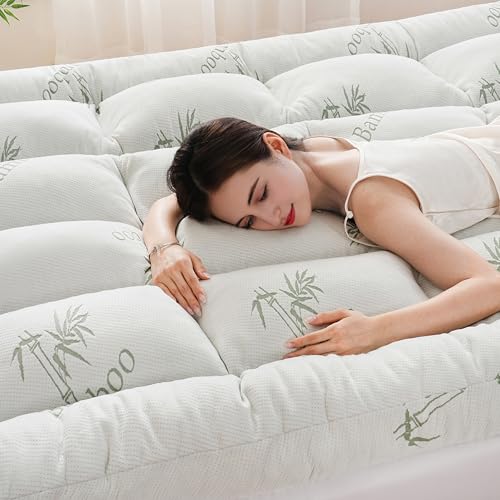
- Cooling Bamboo Viscose Top with 3D Air Layer: Made of 39% bamboo viscose and...
- Plush Pillow Top for Pressure Relief: Made with a thin gel memory foam layer and...
- Secure Deep Pocket Design: The elastic deep pocket skirt wraps around the...
COONP King Mattress Topper – Best Budget-Friendly Durability
Featuring 3-inch ventilated memory foam, this model promotes airflow for faster expansion and cooling. Its CertiPUR-US certified foam is known for resilient recovery, making it a dependable and affordable choice for lasting comfort.

- 1.Extra Thick and Luxury Comfort: Drift into a sounder, deeper sleep on this...
- 2.Cool and Breathable: The top surface features good ventilation and distributes...
- 3.Elastic Deep Pocket: Elastic deep pocket will wrap mattress(8-21") tightly. It...
Serta ThermaGel Cooling, Memory Foam Mattress Topper – Best Brand-Name Cooling Technology
From a trusted mattress brand, this topper uses Serta’s ThermaGel technology to draw heat away. The high-density foam is less prone to permanent compression, ensuring it expands fully and maintains its supportive feel over time.
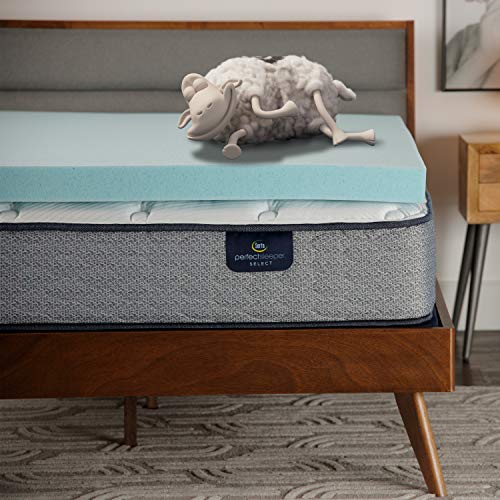
- BREATHABLE GEL-INFUSED FOAM: Engineered with ThermaGel-infused memory foam to...
- COOLING TECHNOLOGY: ThermaGel particles help create a refreshing sleep surface...
- CONTOURING SUPPORT: Adapts and conforms to your body’s natural shape for...
Conclusion
A mattress topper that won’t expand is usually a fixable problem, not a defective product. The solution typically involves patience, warmth, and proper airflow to help the material recover.
By The common causes and following the step-by-step fixes, you can quickly restore your topper’s comfort. Investing in a quality product and proper care from the start will ensure many nights of restful sleep.
Frequently Asked Questions about Why Your Topper Won’t Expand And How To Fix It Fast
How long does it take for a memory foam mattress topper to fully expand?
Most quality memory foam toppers will reach 90-95% of their full size within 24-48 hours in a warm room. However, to achieve complete expansion and for any odor to dissipate, allow a full 72 hours before making a final judgment on its performance.
Factors like room temperature, foam density, and how long it was compressed in packaging can extend this timeline. Be patient and ensure the environment is ideal before assuming there is a defect.
Can I use a hairdryer or heater to speed up the expansion process?
Yes, you can use a hairdryer on a low or warm setting as a safe method. Keep it moving continuously at least 12 inches from the foam surface to apply gentle, even heat without risking damage to the material.
Avoid placing space heaters too close or leaving the topper in direct, hot sunlight for hours. Excessive, concentrated heat can degrade the foam’s chemicals and structure, potentially voiding the warranty.
What should I do if my topper has a strong chemical smell?
A mild “new product” odor, called off-gassing, is normal for 24-72 hours. Unpack the topper in a well-ventilated room and use fans to circulate air. This process helps disperse the volatile organic compounds (VOCs) released from the foam.
If the smell is overpowering, causes headaches, or persists beyond a week, it may indicate a lower-quality foam. In such cases, increase ventilation further and consider contacting the manufacturer, as prolonged strong odors are not typical for CertiPUR-US® certified foams.
Is it bad if one part of my topper expands faster than another?
Uneven expansion is common, especially if the topper was tightly rolled. Areas exposed to more airflow or warmth will recover first. Gently massage or flex the slower sections and ensure the entire surface has equal exposure to warm, circulating air.
As long as the material is not permanently lumpy or misshapen, it should even out within the full 72-hour window. Significant permanent deformation, however, could signal a manufacturing flaw.
Why did my topper expand but now feels lumpy or uneven?
Lumps can form if the foam’s internal structure was damaged during compression or if it expanded too rapidly in an uneven environment. Try manually flexing the topper or carefully using a rolling pin over the surface to redistribute the material.
If lumps are hard, immovable, or create significant discomfort after several days of use, this is likely a defect in the foam’s consistency. You should document the issue with photos and contact customer support for a potential replacement.
Can I return a topper if it never fully expands?
Yes, most reputable companies accept returns for products that fail to perform as advertised, including failure to expand. Check the specific warranty and return policy, which often covers such defects for a period ranging from 30 days to several years.
Before initiating a return, ensure you followed unpacking instructions and allowed adequate time in the proper environment. Having documentation of your troubleshooting steps and photos of the problem will streamline the return process.