
Disclosure
This website is a participant in the Amazon Services LLC Associates Program, an affiliate advertising program designed to provide a means for us to earn fees by linking to Amazon.com and affiliated sites.
Discovering a yellowing mattress topper is a common frustration that can ruin your sleep sanctuary. This discoloration is more than just unsightly; it often signals underlying issues that need addressing.
Yellowing is typically caused by a combination of body oils, sweat, and oxidation over time. The specific cause is the first crucial step to effectively restoring your topper’s freshness and appearance.
Is Your Yellowing Topper Ruining Your Bedroom’s Look and Your Sleep?
A yellowed topper is more than an eyesore; it signals trapped sweat, oils, and allergens degrading the foam. The BedStory Firm Mattress Topper features a premium, breathable bamboo cover that resists staining and yellowing, while its supportive 3-inch foam revitalizes your mattress for cooler, cleaner, and more comfortable sleep.
For a fresh, supportive sleep surface: BedStory Firm Mattress Topper 3 Inch
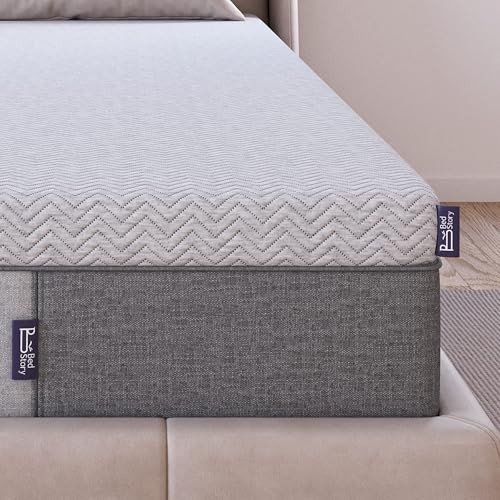
- RELIEVE PAIN & PROTECT THE SPINE - 2-layer pressure-relieving firm memory foam...
- 2-LAYER DESIGN & OPTIONAL FIRMNESS - Featuring double-layer foam design, the top...
- REMOVE MOISTURE & ALLEVIATE FATIGUE - Fusion memory foam contains bamboo...
the Primary Causes of Mattress Topper Yellowing
Your mattress topper turns yellow due to specific, identifiable factors. Knowing these causes is essential for effective cleaning and prevention. This section breaks down the science behind the stains.
Body Fluids and Natural Oils
Sweat, body oils, and moisture are the most common culprits. They seep into the padding and react with the materials over time. This creates a perfect environment for discoloration to set in.
- Sweat and Moisture: Perspiration contains salts and acids that break down fibers, leading to yellow or brownish stains.
- Body Oils: Natural skin oils transfer to the topper, oxidizing and turning yellow with exposure to air.
- Other Fluids: Spills or accidental leaks can also contribute if not cleaned promptly and thoroughly.
Material Oxidation and Age
Oxidation is a chemical reaction where materials break down upon exposure to air. This process naturally occurs in foam and fabric over the years. It is a primary reason for yellowing in older toppers.
Polyurethane foam and memory foam are particularly susceptible. The chemicals in these foams can yellow when exposed to light and oxygen. This type of yellowing is often uniform across the surface.
Environmental Factors and Care Mistakes
Your sleeping environment and cleaning habits significantly impact your topper’s color. Sunlight, heat, and improper washing can accelerate the yellowing process.
- Sunlight Exposure: Direct UV rays can bleach some fabrics but cause chemical yellowing in foam materials.
- Heat from Bedding: Electric blankets or heated mattress pads can increase the rate of oxidation in the foam.
- Improper Cleaning: Using harsh chemicals or failing to rinse thoroughly can leave residues that attract dirt and yellow over time.
How to Clean a Yellowing Mattress Topper Effectively
Restoring your mattress topper requires the right techniques for the material. A methodical approach can remove stains and brighten the fabric. Always check the manufacturer’s care label first.
Step-by-Step Cleaning for Memory Foam and Polyurethane
Foam toppers cannot be submerged in water. You must use a gentle spot-cleaning method to avoid damaging the material. This process focuses on lifting stains without soaking the core.
- Vacuum Thoroughly: Remove all loose dust and debris from the topper’s surface and crevices.
- Create a Cleaning Solution: Mix a few drops of mild dish soap with cold water. For tougher stains, add one part white vinegar to two parts water.
- Spot Clean Gently: Dip a clean cloth in the solution, wring it out completely, and dab (don’t rub) the yellowed areas.
- Rinse and Dry: Use a cloth dampened with plain water to dab away soap residue. Allow the topper to air dry completely before use.
Washing Machine Methods for Removable Covers
If your topper has a removable, machine-washable cover, this is your simplest solution. Proper washing can eliminate the oils and sweat causing yellow stains. Follow these guidelines for best results.
- Pre-treat Stains: Apply a paste of baking soda and water or a gentle enzymatic cleaner to yellowed spots before washing.
- Use Cold Water: Always wash on a gentle, cold cycle with a mild detergent. Hot water can set protein-based stains.
- Avoid Heat Drying: Tumble dry on low heat or air dry to prevent shrinkage and further material degradation.
Using Natural Brighteners and Stain Removers
Natural solutions like hydrogen peroxide and baking soda are safe and effective for whitening. They work by breaking down the organic compounds in stains. Always test any solution on a small, inconspicuous area first.
For a brightening treatment, mix a paste of hydrogen peroxide and baking soda. Apply a thin layer to yellowed areas and let it sit for up to an hour before gently wiping away. This combination lifts stains without harsh chemicals.
Preventative Measures to Stop Your Topper from Yellowing Again
After cleaning your mattress topper, prevention is key to maintaining its freshness. Simple protective habits can significantly extend its lifespan and appearance. Implementing these strategies creates a barrier against future stains.
Using a High-Quality Mattress Protector
A waterproof and breathable mattress protector is your first line of defense. It creates a physical barrier against sweat, oils, and spills before they reach the topper. This is the single most effective preventative step you can take.
- Choose the Right Material: Look for protectors made from cotton terry or bamboo with a waterproof membrane for comfort and protection.
- Ensure a Secure Fit: A protector with deep pockets and elastic edges will stay in place and provide full coverage.
- Wash It Regularly: Clean the protector every 1-2 months according to its care instructions to prevent residue buildup.
Establishing a Smart Bedding Routine
Your daily habits directly impact your topper’s condition. A consistent routine manages moisture and reduces the accumulation of staining agents. Small changes make a big difference over time.
- Air Out Your Bed: Pull back the sheets for 30 minutes each morning to allow moisture to evaporate.
- Wash Bedding Weekly: Clean sheets, pillowcases, and any mattress pads in hot water to eliminate oils and bacteria.
- Shower Before Bed: Reducing the amount of sweat, lotions, and oils you bring to bed minimizes transfer to the topper.
| Method | Primary Benefit | Maintenance Frequency |
|---|---|---|
| Mattress Protector | Blocks fluids at the source | Wash every 1-2 months |
| Breathable Mattress Pad | Adds a washable comfort layer | Wash with weekly sheets |
| Rotating and Flipping | Prevents uneven wear and staining | Every 3-6 months |
Controlling the Sleep Environment
Manage the temperature and light in your bedroom to slow material degradation. High heat and direct sunlight accelerate the oxidation process that causes yellowing. Keeping your room cool and dark protects the topper’s materials.
Use fans or air conditioning to maintain a cooler sleeping temperature. Keep blinds or curtains closed during the day to block UV rays. Avoid placing heated blankets directly on the topper for extended periods.
When to Replace a Yellowed Mattress Topper vs. Cleaning It
Sometimes cleaning is not enough, and replacement becomes the smarter choice. Knowing the signs can save you time and ensure a healthy sleep surface. Evaluate your topper’s condition against these key factors.
Signs Your Topper is Beyond Saving
Persistent stains, odor, and material breakdown indicate it’s time for a new topper. Deep-set yellowing that returns quickly after cleaning is a major red flag. The structural integrity of the foam is crucial for support and comfort.
- Deep Structural Stains: If yellowing has penetrated the core and cleaning only affects the surface, the stains are permanent.
- Persistent Odors: Musty or sour smells that remain after thorough cleaning signal mold, mildew, or deep bacterial growth.
- Loss of Support and Lumps: When the foam no longer springs back or develops permanent body impressions, its functional life is over.
Assessing the Cost-Benefit of Cleaning
Consider the age, original cost, and your effort before attempting a major restoration. A simple cost-benefit analysis helps determine if cleaning is worth the investment of time and products.
- Calculate the Age: Most quality toppers last 3-7 years. If yours is near the end of its lifespan, replacement is advisable.
- Evaluate Cleaning Attempts: Have previous cleanings failed? If stains and odors return within weeks, the topper is likely saturated.
- Consider Health Factors: For allergy or asthma sufferers, a deeply stained topper can harbor allergens that are difficult to fully eradicate.
Choosing a Replacement with Better Stain Resistance
When buying a new topper, select materials designed to resist yellowing. Modern options offer built-in protection, making future maintenance easier. Look for specific features that enhance longevity.
Toppers with infused gel, copper, or charcoal often have antimicrobial properties. Consider models with a removable, machine-washable cover as a non-negotiable feature. Natural latex toppers are naturally more resistant to dust mites and mold than traditional memory foam.
Investing in a higher-quality, stain-resistant topper from the start, paired with a protector, is the ultimate long-term solution for preventing yellowing.
Expert Tips and Common Mistakes in Topper Maintenance
Professional cleaners and manufacturers know the secrets to preserving a mattress topper. Avoiding common errors is just as important as following the right steps. These advanced tips will keep your sleep surface pristine for longer.
Professional Cleaning Insights for Tough Stains
For severe yellowing, professionals use targeted methods that homeowners can adapt. The key is The stain type and using the correct solution without damaging the foam’s cell structure.
- Enzyme Cleaners for Organic Stains: Use an enzyme-based cleaner specifically designed for bodily fluids. It breaks down the proteins in sweat and oils that cause yellowing.
- Controlled Dampness: Professionals never soak foam. They use extractor machines or very well-wrung cloths to apply and remove moisture quickly, preventing internal mold growth.
- Sunlight as a Tool: After spot cleaning, brief, indirect sunlight can help freshen and dry the topper, but prolonged direct UV exposure will damage it.
Critical Mistakes That Accelerate Yellowing
Many well-intentioned cleaning attempts can actually make yellowing worse. These common errors compromise the materials and lock in stains. Being aware of them prevents accidental damage.
- Using Harsh Chemicals: Bleach, ammonia, or strong solvents can break down foam fibers, causing them to yellow and deteriorate faster.
- Over-wetting the Topper: Saturating memory foam ruins its support and creates a breeding ground for mildew inside the core, leading to permanent stains and odors.
- Putting a Wet Topper Back on the Bed: Even slight dampness trapped against the mattress will cause mold growth on both surfaces. Ensure it is bone-dry.
| Do This | Avoid This |
|---|---|
| Vacuum with an upholstery attachment monthly. | Beating or shaking the topper, which can damage internal foam. |
| Spot clean immediately after a spill occurs. | Using steam cleaners, as intense heat and moisture can warp foam. |
| Rotate the topper head-to-foot every 3 months. | Storing it in a plastic bag, which traps moisture and promotes mildew. |
Long-Term Storage Strategies
If you need to store your topper, proper preparation prevents yellowing in storage. The goal is to keep it clean, completely dry, and in a climate-controlled environment. Never store it compressed for long periods.
Clean the topper thoroughly and ensure it is 100% dry before storage. Place it in a breathable cotton storage bag or an old sheet, not plastic. Store it flat in a cool, dry place away from direct light to prevent oxidation during inactivity.
Can a Yellowed Mattress Topper Be Whitened?
Yes, a yellowed topper can often be whitened, depending on the cause and material. Surface stains from sweat and oils are typically treatable. However, deep oxidation or mold-related yellowing may be permanent.
For whitening, create a paste of baking soda and hydrogen peroxide. Apply a thin layer to the stain, let it sit for up to an hour, then gently wipe away. Always test this solution on a small area first to check for colorfastness.
Why Does My New Mattress Topper Have Yellow Stains?
Yellow spots on a new topper are usually not stains but a result of the manufacturing process. This is called off-gassing yellowing and is common with polyurethane-based foams.
- Chemical Off-Gassing: Fire retardants or other chemicals can migrate to the surface and oxidize, creating yellow patches.
- Packaging Contact: The plastic packaging can sometimes interact with the foam, especially if stored in heat, causing localized discoloration.
- What to Do: Air out the topper in a well-ventilated room for 48-72 hours. The discoloration often fades and is harmless.
How Often Should I Clean My Mattress Topper?
Establish a regular cleaning schedule to prevent yellowing before it starts. Proactive maintenance is far easier than removing set-in stains. Follow this simple timeline for optimal care.
- Monthly: Vacuum the topper surface thoroughly to remove dust and skin cells.
- Every 3-6 Months: Perform a light surface clean with a damp cloth and mild soap, focusing on any visible spots.
- Annually: Give the topper a deeper clean using the spot-cleaning methods outlined earlier, or wash the removable cover.
Adjust this schedule based on your environment. If you sleep hot, have pets, or live in a humid climate, consider cleaning more frequently. Always ensure the topper is completely dry before remaking the bed.
Choosing the Right Mattress Topper Material to Resist Yellowing
Your choice of material significantly impacts how quickly a topper will discolor. Some materials are inherently more resistant to stains and oxidation. Selecting wisely can reduce future maintenance and extend product life.
Comparing Yellowing Resistance Across Materials
Not all mattress topper materials react the same way to sweat, oils, and light. their inherent properties helps you make an informed, long-term purchase. Here is a breakdown of common options.
| Material | Yellowing Risk | Key Advantage | Maintenance Tip |
|---|---|---|---|
| Natural Latex | Low | Naturally antimicrobial and dust-mite resistant. | Spot clean only; avoid excessive moisture. |
| Memory Foam | High | Excellent pressure relief and comfort. | Mandatory use of a mattress protector is crucial. |
| Wool or Cotton | Medium | Highly breathable and often machine-washable. | Follow specific washing instructions to prevent shrinkage. |
| Gel-Infused Foam | Medium-Low | Cooler sleep surface with added stain-inhibiting properties. | Same as memory foam; protect from direct liquids. |
Features to Look for in a Stain-Resistant Topper
Beyond the base material, specific product features enhance durability against yellowing. Prioritize these elements when shopping for a new topper to ensure easier upkeep.
- Removable, Washable Cover: A zip-off cover made of tightly woven cotton or bamboo is the best defense. It can be laundered regularly.
- Infused Technologies: Look for toppers with copper, silver, or charcoal infusions that inhibit microbial growth causing odors and stains.
- CertiPUR-US® Certified Foam: This certification ensures the foam is made without certain heavy metals and harmful chemicals that can contribute to off-gassing yellowing.
Balancing Comfort with Practical Maintenance
The most stain-resistant material may not be the most comfortable for you. The optimal strategy is to pair your preferred comfort material with aggressive external protection. This two-layer approach is highly effective.
For instance, if you love memory foam, choose a model with a washable cover and immediately use a high-quality, waterproof mattress protector over it. This combination allows you to enjoy the comfort you want while the protectors handle the practical job of preventing yellowing.
Best Mattress Toppers for Durability and Easy Cleaning
Choosing a well-designed topper can help minimize yellowing issues from the start. These recommended options feature practical benefits like removable covers or infused materials. Each is selected for its balance of comfort and easier maintenance.
Lucid 4 Inch Memory Foam Mattress Topper – Best with Removable Cover
This topper features a machine-washable bamboo cover, making it easy to clean the surface layer that traps oils and sweat. The 4-inch ventilated gel memory foam provides deep comfort while promoting airflow. Its removable design is ideal for proactive stain prevention.
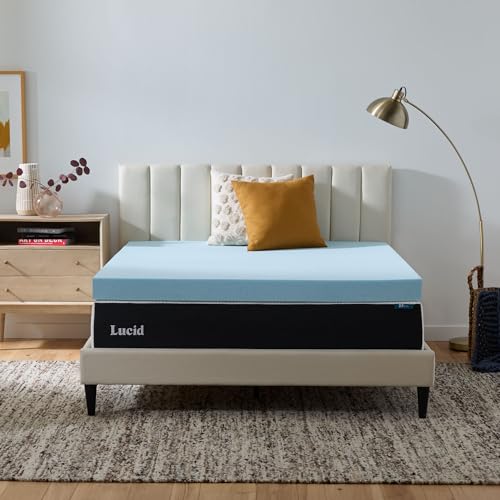
- ULTRA PLUSH FEEL – Lucid memory foam mattress toppers are designed to enhance...
- COOLER SLEEP: Cooling gel is infused in the memory foam to help regulate your...
- CHOOSE YOUR SIZE: 2-inch profile adds a soft layer of support to any mattress...
OLANLY Dual-Layer 4 Inch Memory Foam Mattress Topper – Best for Cooling & Support
This dual-layer model combines 2-inch cooling gel foam with 2-inch supportive base foam. The breathable, quilted cover helps wick moisture away from the sleep surface. Its construction is designed to reduce heat buildup, a factor in material degradation.

- Dual-Layer Luxury for Supreme Comfort: Designed with a 2-inch gel-infused memory...
- Enhanced Pressure Relief & Body Alignment: Wake up refreshed and ache-free with...
- Snug Fit with Deep Pocket Skirt: The 360° elastic deep-pocket skirt hugs your...
SHOUREN Memory Foam Mattress Topper – Best Value with Infused Protection
An affordable option featuring CertiPUR-US certified foam with green tea infusion to help resist odors and microbes. The 3-inch profile adds cushioning without excessive height. It offers a good balance of basic protective features at a competitive price point.
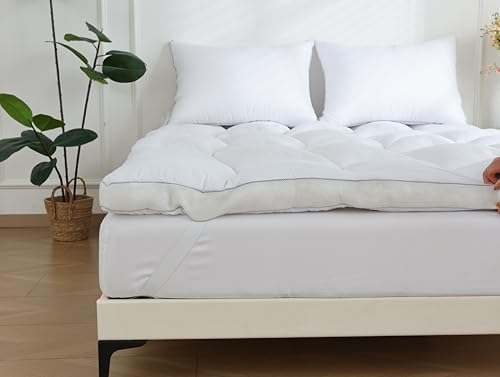
- Memory Foam Mattress Topper Fullf, 3In Thick Plush Gel Foam Bed Topper , Smooth...
Conclusion
A yellowing mattress topper is a common issue caused by body oils, sweat, and material oxidation. By The root causes, you can effectively clean and restore your sleep surface using targeted methods.
The key to long-term success is combining proper cleaning with proactive prevention. Investing in a quality mattress protector and establishing a simple maintenance routine will keep your topper fresh, clean, and comfortable for years to come.
Frequently Asked Questions about Why Your Topper Is Yellowing And How To Fix It Fast
Can yellowing be a sign of mold in my mattress topper?
Yellowing alone is not a definitive sign of mold, as oxidation and sweat stains are more common. However, if the discoloration is accompanied by a musty odor or damp feel, mold could be present. This often occurs from prolonged moisture exposure.
To check, inspect the area closely for black or green speckles. If you suspect mold, it is safest to replace the topper, as cleaning may not fully remove spores embedded deep within the foam material, posing a health risk.
Is it safe to use bleach on a yellowed mattress topper?
No, using bleach on a foam mattress topper is not recommended. Bleach is a harsh chemical that can break down the foam’s cellular structure, causing it to deteriorate faster and become brittle. It can also set some organic stains permanently.
Instead, use gentle cleaners like diluted dish soap, white vinegar, or a baking soda paste. Always test any cleaning solution on a small, inconspicuous area first to ensure it does not cause discoloration or damage to the fabric or foam.
How can I prevent yellowing if I sweat a lot at night?
For heavy sweaters, a multi-layer protection strategy is essential. Start with a moisture-wicking mattress protector that has a waterproof barrier. Use breathable, natural fiber sheets like cotton or bamboo that help pull moisture away from your body.
Additionally, consider a cooling mattress topper designed with gel infusions or ventilated foam. Ensure you wash your bedding, including the protector, more frequently—at least once a week—to prevent sweat and oil buildup from reaching the topper itself.
Will a mattress topper pad or protector itself turn yellow?
Yes, a mattress protector or pad can also yellow over time, as it is the primary layer absorbing sweat and oils. This is actually a sign it is doing its job by protecting your more expensive mattress and topper beneath it.
The advantage is that most protectors and many pads are fully machine-washable. Regular washing according to the care label will help maintain its whiteness and effectiveness, making it a much easier item to clean than the topper core.
Can I put my memory foam topper in the washing machine?
You should never submerge a solid memory foam topper in a washing machine. The agitation and soaking will saturate the foam, ruining its support and creating an environment for mildew inside the core. It will also be extremely heavy and difficult to dry.
Only the removable, machine-washable cover (if your model has one) should go in the wash. For the foam itself, strictly use the spot-cleaning and air-drying methods outlined in the cleaning section to avoid irreversible damage.
Why does only one side of my mattress topper have yellow stains?
Localized yellowing on one side typically indicates the stain source is specific to that area. This is commonly caused by body contact from one sleeper, a persistent spill, or uneven exposure to sunlight if the bed is near a window.
It can also occur if the topper is not rotated regularly. To prevent this, rotate your topper 180 degrees (head to foot) every three to six months. This ensures even wear and distributes exposure to oils and pressure more uniformly.