
Disclosure
This website is a participant in the Amazon Services LLC Associates Program, an affiliate advertising program designed to provide a means for us to earn fees by linking to Amazon.com and affiliated sites.
An uneven mattress topper ruins sleep and can cause back pain. This common issue often stems from simple setup errors or product wear that you can correct quickly.
Many toppers shift because their fitted sheets or mattress pads are too tight. Identifying the specific cause is the first step to a smooth, supportive sleep surface tonight.
Are You Tired of Waking Up Achy Because Your Bed Feels Lumpy and Unbalanced?
An uneven mattress topper creates pressure points and disrupts sleep. The Linenspa Memory Foam Mattress Topper solves this by conforming perfectly to your body and the mattress below, creating a uniform, supportive surface that eliminates lumps and fills gaps for all-night comfort.
For a reliably even and comfortable sleep surface, we recommend: Linenspa Memory Foam Mattress Topper

- PRESSURE RELIEVING MEMORY FOAM: Plush gel infused memory foam conforms to your...
- COOLING GEL INFUSIONS: This topper is infused with a cooling gel that helps...
- MULTIPLE PROFILE OPTIONS: Choose your own level of comfort with a plush 2-inch...
Common Reasons Your Mattress Topper Is Shifting and Uneven
An unlevel sleep surface usually has a clear, fixable cause. these root issues is key to a permanent solution. Let’s explore the primary culprits behind a lumpy or sliding topper.
Improper Installation and Bedding Fit
This is the most frequent mistake. A topper needs to be secured properly to stay flat. Incorrect bedding creates tension that bunches the material.
- Wrong-sized sheets: Using standard sheets on a mattress-plus-topper setup stretches the fabric, pulling the topper out of place as you move.
- Missing anchor straps: Many toppers have elastic straps to hook under the mattress corners. Forgetting to use them guarantees slippage.
- Rushed placement: Not allowing the topper to fully expand and settle after unboxing can create permanent lumps and an uneven feel.
Material Breakdown and Body Impressions
Over time, the topper’s materials can degrade unevenly. This is especially true for memory foam and latex toppers where sleep positions create permanent dips.
Areas under your hips and shoulders compress more than others. This natural wear leads to an uneven support surface that no amount of smoothing can fix. Regularly rotating your topper head-to-foot can significantly slow this process.
Underlying Mattress Problems
Your topper can only be as smooth as the foundation it lies on. An old, sagging mattress will telegraph its imperfections upward.
A topper is not designed to fix a severely damaged mattress. If your bed has a large dip or broken springs, the topper will conform to that shape, creating an uneven sleeping experience. Placing a topper on a slatted base with gaps that are too wide can also cause sagging.
How to Fix an Uneven Mattress Topper Step-by-Step Tonight
You can solve most topper problems in under an hour. This practical guide provides immediate solutions to level your sleep surface. Follow these steps in order for the best results.
Immediate Fixes for a Shifting or Bunched Topper
Start with these quick adjustments. They address the most common installation errors that cause nightly frustration.
- Strip the bed completely. Remove all sheets, mattress pads, and the topper. This gives you a clean slate.
- Re-center and smooth the topper. Place it perfectly aligned on your mattress. Smooth out all wrinkles and air pockets by hand from the center outward.
- Secure it in place. Use the topper’s anchor straps or a fitted mattress pad designed for deep pockets. This layer holds the topper flat.
- Use deep-pocket sheets. Put sheets with a pocket depth of at least 15 inches over both the mattress and topper. This prevents tight sheets from pulling the topper.
Solutions for Lumps, Dips, and Permanent Unevenness
If smoothing doesn’t work, the issue may be material compression or settling. These methods can help redistribute the fill.
For memory foam or fiberfill toppers, try manually fluffing and redistributing the material in the flat areas. Walk gently on the topper to help break up clumps, focusing on the raised sections. For a persistent body impression, rotating the topper 180 degrees can offer temporary relief by placing the dip at your feet.
When to Consider a Replacement
Sometimes a fix isn’t possible. Recognizing the signs of a failed topper saves you time and ensures good sleep.
- Severe permanent sagging where the material does not bounce back.
- Visible tears, cracks, or crumbling foam that affect support and hygiene.
- Persistent lumps or odors that remain after thorough cleaning and airing out.
If your underlying mattress is the root cause, a new topper will not solve the problem. Investing in a new mattress may be the necessary long-term solution.
Preventing Future Topper Problems: Long-Term Care Tips
Proper maintenance stops unevenness before it starts. A little regular care extends your topper’s life and performance dramatically. Implement these habits to protect your investment.
Establishing a Routine Maintenance Schedule
Consistency is key for topper care. A simple monthly routine prevents material breakdown and keeps support even.
- Rotate Monthly: Turn your topper 180 degrees (head-to-foot) every month. This ensures even wear from your body weight.
- Air It Out: Strip the bed and let the topper breathe for a few hours monthly. This reduces moisture buildup and odors.
- Vacuum Gently: Use an upholstery attachment to remove dust and allergens from the surface. This maintains a clean sleep environment.
Choosing the Right Protective Bedding
The right barrier layer is crucial. It protects your topper from spills and stains while keeping it securely in place.
Always use a waterproof, breathable mattress protector. Look for one with deep pockets and a non-slip bottom. A fitted mattress pad can also add an extra securing layer over the topper before you add your sheets.
| Bedding Layer | Primary Function | Key Feature to Look For |
|---|---|---|
| Mattress Protector | Barrier against spills, stains, and allergens | Breathable, waterproof membrane |
| Fitted Mattress Pad | Secures topper and adds light cushioning | Deep pockets and non-slip bottom |
| Fitted Sheet | Comfort layer and final secure hold | Extra-deep pockets (15″+ depth) |
Selecting a Topper Designed to Stay Flat
Your next purchase can avoid these issues entirely. Focus on design features that promote stability from day one.
Prioritize toppers with secure anchor straps on all four corners. Consider materials like latex or high-density foam that are less prone to shifting than feather or fiberfill. Ensure the topper’s size matches your mattress dimensions exactly for a perfect, gap-free fit.
Dealing with Specific Topper Materials and Issues
Different materials have unique challenges. Your topper’s composition helps you apply the correct fix.
- Can I fix a lumpy memory foam topper? Yes. Allow it to fully expand for 48 hours. Gentle walking on the lumps can help, but severe permanent indentations mean it’s time for a replacement.
- Why does my feather topper go flat in the middle? This is normal settling. Fluff it vigorously daily by shaking and punching the clusters apart to redistribute the feathers evenly.
- How do I stop a latex topper from sliding? Use a non-slip mattress pad underneath it. The rubbery texture of latex needs this grippy layer to stay perfectly in place.
Solving Compatibility and Setup Problems
Mismatched components are a major source of frustration. These answers ensure everything works together Easily.
What if my sheets don’t fit over the topper? You must use deep-pocket sheets. Measure your mattress and topper height combined, then buy sheets with a pocket depth at least 2 inches greater than that total.
Can a topper fix a sagging mattress? A topper can mask minor sagging for a short time by adding cushioning. It cannot correct structural failure or significant dips in an old mattress, which will eventually create a new uneven surface.
Warranty, Longevity, and Replacement Signs
Knowing when to repair versus replace saves money and restores sleep quality. Look for these definitive signals.
- How long should a mattress topper last? Quality toppers last 3-5 years with proper care. Material breakdown after this point is normal and leads to uneven support.
- Will washing my topper fix lumps? Washing can sometimes cause clumping in fiber or feather toppers. Always follow the manufacturer’s cleaning instructions precisely to avoid damage.
- When is it absolutely time for a new one? When there are permanent body impressions deeper than 1.5 inches, persistent uncomfortable lumps, or a noticeable loss of support causing morning aches.
Product Recommendations: Toppers That Stay Flat and Secure
Choosing the right product prevents problems from the start. This guide highlights key features and reliable brands for a hassle-free experience. Invest in a topper designed for stability and even support.
Essential Features for a Non-Shift Topper Design
Not all toppers are created equal. Prioritize these construction elements to ensure your topper stays perfectly flat night after night.
- Anchor Straps or Bands: Elastic straps on all four corners are non-negotiable for securing the topper to your mattress.
- Non-Slip Bottom Layer: A grippy material like silicone dots or a mesh base prevents lateral sliding on the mattress surface.
- High-Density Core: Toppers with a higher density foam (4 lbs/ft³ or more) or structured latex resist body impressions and sagging.
- Full Mattress Coverage: Ensure the topper dimensions exactly match your mattress size (e.g., Queen topper on a Queen mattress).
Comparing Top Material Types for Stability
Each material has pros and cons for staying even. Your sleep style and priorities will determine the best choice.
| Material | Stability & Evenness | Best For |
|---|---|---|
| Dunlop or Talalay Latex | Excellent. Naturally resilient with minimal motion transfer and even support. | Sleepers wanting durable, cool, and buoyant support. |
| High-Density Memory Foam (4lb+) | Very Good. Contours closely but slower rebound reduces shifting. Prone to heat retention. | Pressure relief for side sleepers; less motion disturbance. |
| Structured Fiber or Wool | Moderate. Requires regular fluffing. Can shift or mat down over time without a secure cover. | Adding softness and warmth; often more affordable. |
Trusted Brands and Where to Shop
Several companies focus on design features that prevent common topper issues. Look for brands with generous trial periods and clear warranty coverage for defects like permanent uneven sagging.
Consider brands known for quality materials and secure designs. Always read recent customer reviews specifically mentioning “stays in place” or “doesn’t slide.” Purchase from retailers with a good return policy in case the product doesn’t meet your stability expectations.
Professional Insights and When to Call for Help
Sometimes a DIY fix isn’t enough. Recognizing when to seek expert advice saves time and ensures your sleep health. Learn from industry professionals about persistent problems.
Signs You Need More Than a Quick Fix
Certain issues indicate a deeper problem with your sleep system. Continuing to use a faulty setup can negatively impact your rest and posture.
- Recurring morning back or neck pain that starts after your topper became uneven.
- Visible structural damage to the topper, like large permanent craters, torn seams, or crumbling material.
- Allergic reactions or persistent odors that cleaning cannot remove, suggesting mold or mildew inside the topper.
- The topper slides or bunches nightly despite correctly using deep-pocket sheets and anchor straps.
Consulting a Sleep Specialist or Mattress Professional
An expert assessment can pinpoint the true source of your discomfort. This is especially valuable if you’ve tried all standard troubleshooting steps.
A certified sleep coach or physical therapist can analyze your sleep posture and determine if your uneven surface is causing alignment issues. Many mattress stores offer complimentary consultations where they can assess both your mattress and topper in person, often identifying compatibility problems instantly.
Warranty Claims and Returns
If your topper is defective, know how to navigate the manufacturer’s process. Proper documentation is key to a successful claim.
- Review your warranty document for specific coverage on “body impressions” or “loss of support.” Most require a dip deeper than 1.5 inches.
- Take clear photos and measurements of the uneven area with a ruler or tape measure visible in the shot as proof.
- Contact customer service directly with your order number and evidence. Be prepared to describe all troubleshooting steps you’ve already attempted.
If the topper is new, check the retailer’s return window. Many offer 30 to 100-night sleep trials, allowing you to return the product if it fails to stay flat or comfortable.
DIY Solutions and Household Hacks for Immediate Relief
Before you spend money, try these clever fixes using items you likely already own. These temporary solutions can provide a level surface while you plan a permanent fix. They are perfect for a quick fix tonight.
Using Household Items to Stabilize and Level
Simple objects can add grip or fill gaps. The goal is to create a temporary, non-slip barrier between your mattress and topper.
- Non-Slip Rug Pads: Cut a rug gripper pad to fit under your topper. This provides excellent traction to prevent sliding.
- Binder Clips or Safety Pins: For toppers without straps, use large binder clips to secure the topper’s corners to your mattress cover or pad. Ensure they are smooth-side down.
- Pool Noodles or Towels: If your mattress sags in the center, place rolled towels or pool noodles under the topper’s edges to lift them and create a more level surface.
Adjusting Your Bed Base for Better Support
An unstable foundation causes top-layer problems. Inspect and reinforce your bed frame for instant improvement.
Ensure all slats on a platform bed are intact and evenly spaced (no more than 3 inches apart). For a box spring, check for broken springs or sagging wood. Placing a piece of plywood between a slatted base and your mattress can provide the uniform support a topper needs to lie flat.
Revitalizing an Old or Clumpy Topper
You can sometimes restore loft and evenness without special tools. This is most effective for fiber or feather-filled toppers.
- Sun and Fluff Method: On a dry day, place the topper in direct sunlight for 2-3 hours. The heat can help expand compressed materials.
- Manual Redistribution: While outside, vigorously shake, punch, and knead the topper to break apart clumps and redistribute filling.
- Tumble Dry (Low Heat): If the care label permits, place the topper in a large commercial dryer with clean tennis balls on a no-heat or air-fluff cycle to re-fluff it.
Remember, these are temporary measures for materials that are simply settled, not structurally failed. They buy you time to implement a proper long-term solution.
Best Recommended Toppers for a Flat, Secure Sleep Surface
These top-rated toppers are selected for their design features that directly prevent shifting and unevenness. Each model offers a reliable solution for a specific sleep need.
SHOUREN 5 Inch Memory Foam Mattress Topper – Best for Deep Contouring & Pressure Relief
This thick, 5-inch memory foam topper provides exceptional cushioning to mask minor mattress imperfections. It features a breathable bamboo cover and is designed to minimize motion transfer. Its substantial density helps resist premature sagging for long-lasting, even support.
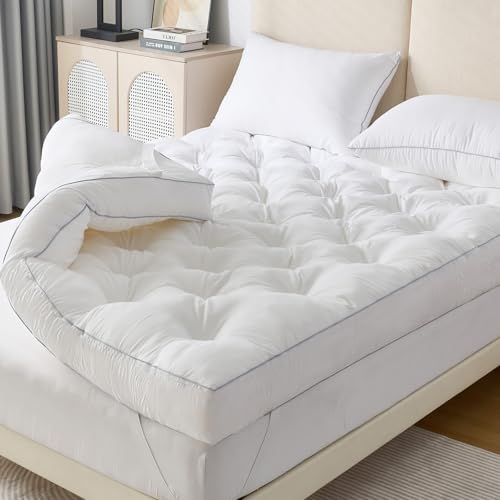
- 【5-Inch Extra Thick Comfort & Support】 SHOUREN mattress topper features a...
- 【Ergonomic Body-Contour Design】 Engineered to naturally fit your body...
- 【Upgraded 4-Way Elastic Anchor Straps】 Equipped with strong elastic straps...
BEDLORE Queen Mattress Topper – Best Cooling & Secure-Fit Option
Ideal for hot sleepers, this topper uses gel-infused memory foam and a cooling fabric cover. It includes four non-slip elastic straps to anchor it firmly to your mattress, preventing the nightly shift that causes bunching and unevenness.
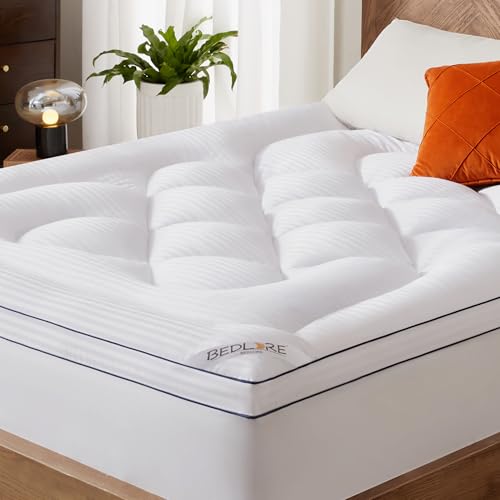
- Improve Sleep Quality: Use polyester fabric and extra thick filler, improve...
- Ultra Soft Improves Comfort: Conforms to the curves and shapes of the body...
- Deep Pocket Design: Elastic deep pockets can accommodate mattresses 6-18 inches...
Zalmureta 4 Inch Dual Layer Memory Foam Mattress Topper – Best Dual-Layer Support System
This model combines a 2-inch responsive support foam base with a 2-inch memory foam top layer. The dual-layer construction promotes even weight distribution and reduces the risk of deep body impressions. It comes with a removable, washable cover for easy maintenance.
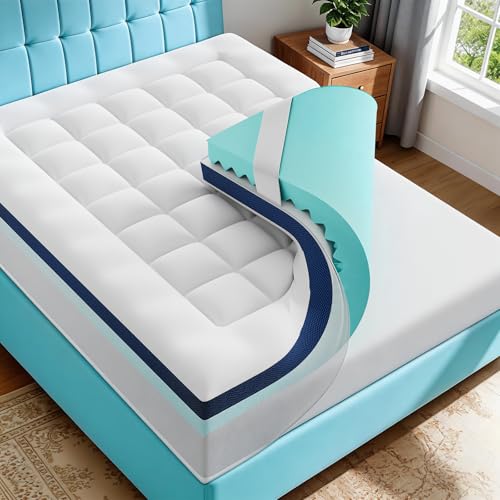
- 【4-Inch Dual-Layer Design】Our mattress topper features a 2-inch cooling...
- 【Breathable Design】This mattress topper is designed with Cold Gel Memory...
- 【Effective Body Support】Our mattress topper are ergonomically designed with...
Conclusion
An uneven mattress topper is a common but solvable problem. By identifying the root cause—whether it’s improper bedding, a shifting base, or material wear—you can take direct action to restore comfort.
The key is to start with simple fixes like securing straps and using deep-pocket sheets tonight. For lasting results, invest in a well-designed topper and maintain it with regular care. A smooth, supportive sleep surface is within reach.
Frequently Asked Questions about Why Your Topper Is Uneven And How To Fix It Tonight
Can I fix a memory foam topper that has permanent body impressions?
You can temporarily improve it by rotating it and using the sun-and-fluff method. However, deep permanent dents indicate the foam’s core structure has broken down.
This loss of resilience means the material can no longer provide even support. For severe impressions deeper than 1.5 inches, replacement is the most effective long-term solution for proper spinal alignment.
Why does my new mattress topper feel lumpy right out of the box?
This is almost always due to incomplete expansion. Memory foam and latex need 24-48 hours to fully air out and regain their intended shape after being vacuum-sealed.
Ensure the room is warm and give it time. If lumps persist after two full days, there may be a manufacturing defect in the foam’s consistency, and you should contact the seller.
How do I stop a feather or down topper from going flat in the middle?
Daily fluffing is essential. Shake it vigorously, punch the clusters apart, and redistribute the filling from the edges toward the center each morning when you make the bed.
Using a tightly woven, baffle-box construction cover can also help contain the feathers more evenly. Without consistent maintenance, these toppers will compress where your body weight is greatest.
Is a mattress pad or protector better for keeping a topper in place?
A fitted mattress pad is generally better for securing a topper. It acts like a deep pocket sheet with a non-slip bottom, holding the topper flat against the mattress.
A protector is primarily for waterproofing and may not have the same gripping power. For best results, use a non-slip pad directly over the topper, then a protector if needed for spills.
Can an adjustable bed base cause my topper to become uneven?
Yes, frequent bending can cause some toppers to migrate, crease, or wear unevenly at the hinge points. Not all toppers are designed for adjustable bases.
Look for toppers specifically marketed as “flexible” or “adjustable bed compatible.” These are made with materials and construction that can withstand repeated flexing without buckling or separating.
When should I completely replace my mattress instead of using a topper?
Replace the mattress if it has significant sagging, broken springs, or is over 7-10 years old. A topper cannot correct structural failure and will simply conform to the existing dips.
If you feel the hard frame or springs through the topper, or if your sleep pain originated before the topper became uneven, the underlying mattress is likely the core issue requiring replacement.