
Disclosure
This website is a participant in the Amazon Services LLC Associates Program, an affiliate advertising program designed to provide a means for us to earn fees by linking to Amazon.com and affiliated sites.
Your mattress topper should improve sleep, but a heat-trapping one can ruin it. Why this happens is key to staying cool and comfortable all night.
Many toppers use dense memory foam or non-breathable covers that block airflow. This material choice, while supportive, often creates a heat-retaining barrier against your body.
Are You Waking Up Sweaty and Frustrated Because Your Bed Feels Like an Oven?
Many mattress toppers trap body heat, leading to restless, sweaty nights. The SHOUREN 5 Inch Memory Foam Mattress Topper is engineered with a breathable, open-cell structure that actively promotes airflow and dissipates heat, transforming your sleep surface into a consistently cool and comfortable retreat.
For a cooler night’s sleep, we suggest: SHOUREN 5 Inch Memory Foam Mattress Topper
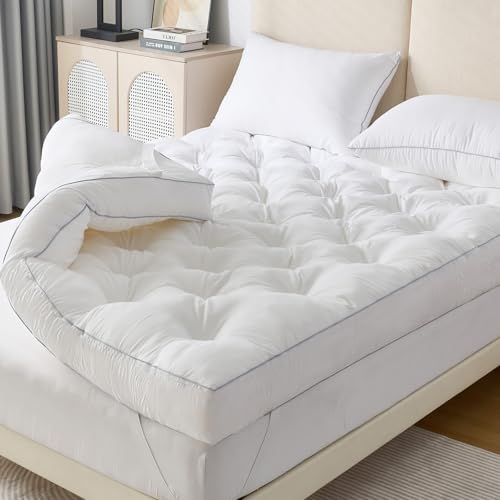
- 【5-Inch Extra Thick Comfort & Support】 SHOUREN mattress topper features a...
- 【Ergonomic Body-Contour Design】 Engineered to naturally fit your body...
- 【Upgraded 4-Way Elastic Anchor Straps】 Equipped with strong elastic straps...
The Science of Heat Retention: Why Your Mattress Topper Sleeps Hot
Why your bed topper traps heat is the first step to a cooler sleep. The core issue is material density and airflow restriction. Different topper types manage temperature in vastly different ways.
Material Matters: Memory Foam vs. Latex vs. Fiberfill
Your topper’s material is the primary factor in its heat retention. Dense, conforming foams are often the warmest, while natural and open-cell materials breathe better. Here’s a quick breakdown of common types:
- Traditional Memory Foam: This material is notorious for sleeping hot due to its dense, heat-sensitive cells that contour closely to your body and trap warm air.
- Gel-Infused or Open-Cell Foam: These are engineered with cooling technologies. Gel beads or open-cell structures aim to dissipate heat and improve airflow within the foam itself.
- Natural Latex: Derived from rubber trees, it has a naturally open, breathable structure that allows for excellent air circulation, making it a cooler choice.
- Down Alternative or Fiberfill: These plush toppers are generally breathable but can compress over time, reducing their ability to let air pass through.
The Role of Your Mattress Base and Bedding
Your topper doesn’t work in isolation; it interacts with your entire sleep system. A non-breathable mattress base, like a solid platform bed, can compound the problem by blocking ventilation from below. Similarly, using non-breathable sheets or a waterproof mattress protector on top of the topper creates another heat-sealing layer. For the best airflow, consider this combination:
- A breathable mattress (like innerspring or hybrid).
- A slatted bed frame for under-mattress air circulation.
- Natural fiber sheets such as cotton, linen, or bamboo.
How to Cool Down a Hot Mattress Topper: Immediate Fixes and Long-Term Solutions
If your topper is currently trapping heat, you don’t necessarily need to replace it. Several effective strategies can cool it down quickly and improve its long-term performance. Let’s explore practical steps you can take tonight.
Quick Cooling Hacks for Immediate Relief
These simple adjustments can lower your sleep temperature in minutes. They focus on enhancing airflow and managing moisture around your topper. Start with these easy wins:
- Use a Cooling Mattress Protector: Place a breathable, moisture-wicking protector directly over your topper. This creates a cool-to-the-touch barrier that doesn’t block airflow.
- Switch to Temperature-Regulating Bedding: Replace polyester sheets with natural, breathable fabrics. Bamboo, linen, and high-thread-count cotton are excellent for heat dissipation.
- Employ Strategic Bed Fans: A small fan pointed at the bed or a bed fan system tucked under your sheets can dramatically increase air circulation around your body and topper.
Step-by-Step Deep Cooling and Maintenance
For a more permanent improvement, a regular maintenance routine is key. This process helps reset the topper’s materials and remove heat-trapping debris. Follow these steps monthly:
- Strip the Bed: Remove all bedding, including the mattress protector.
- Vacuum the Topper: Use an upholstery attachment to thoroughly remove dust, skin cells, and allergens that can clog material pores.
- Air It Out: Stand the topper on its side near an open window or fan for several hours. This allows trapped warm air to escape and fresh air to circulate through the core.
- Flip or Rotate: If your topper is double-sided, flip it over. If not, rotate it 180 degrees to ensure even wear and prevent body impressions from deepening, which can trap more heat.
Choosing a Cooling Mattress Topper: What to Buy If Yours Sleeps Hot
If fixes aren’t enough, selecting a new, cooling-focused topper is the best solution. The market offers advanced materials specifically designed to prevent heat buildup. Knowing what features to look for will ensure you buy a cooler bed topper.
Key Features of a Non-Heat-Trapping Topper
Modern cooling toppers use technology and smart design to promote airflow. Avoid dense, solid blocks of foam. Instead, prioritize these cooling characteristics in your search:
- Open-Cell or Gel-Infused Construction: These foams have channels or cooling gels that actively draw heat away from the body and allow air to move freely.
- Breathable, Moisture-Wicking Covers: The fabric cover should be removable and made from natural fibers or advanced phase-change materials that feel cool to the touch.
- Responsive Materials: Look for terms like “responsive latex” or “breathable foam.” These materials contour without sinking too deeply, which prevents the “quicksand” heat trap effect.
Comparison of Cooling Topper Materials
To make an informed decision, compare the primary cooling topper types. This table highlights their key differences in heat management.
| Material Type | Cooling Mechanism | Best For |
|---|---|---|
| Copper-Infused Gel Memory Foam | Conductive metals and gel draw heat away; often has open-cell design. | Sleepers who want contouring pressure relief with maximum cooling tech. |
| Natural Talalay Latex | Naturally breathable, open-cell structure; excellent airflow. | Those seeking a buoyant, responsive feel and natural materials. |
| Wool or Bamboo-Infused Fiberfill | Natural fibers wick moisture and allow air circulation through loose fill. | Sleepers wanting a plush, soft top layer with inherent temperature regulation. |
Can I Make My Existing Memory Foam Topper Cooler?
Yes, you can significantly improve its temperature regulation without buying a new one. The goal is to enhance airflow around and through the foam. A multi-layered approach works best.
- Add a Breathable Layer: Place a wool or bamboo mattress pad directly on top of the foam. These natural fibers are excellent at wicking moisture and allowing air to pass.
- Ensure Base Ventilation: Check that your mattress is on a slatted base or breathable foundation. Placing a foam topper on a solid surface traps all heat underneath.
- Control Room Climate: Lowering your bedroom thermostat at night and using a fan are simple, highly effective ways to cool any sleeping surface.
How Often Should I Maintain My Topper for Optimal Cooling?
Regular maintenance is non-negotiable for preventing heat buildup. Dust, skin cells, and moisture accumulate, clogging the material’s pores. Follow this straightforward schedule:
- Weekly: Strip your bed and let the topper air out for an hour while you wash your breathable sheets and mattress protector.
- Monthly: Perform a deep clean: vacuum the topper thoroughly, then flip or rotate it to ensure even wear and prevent body impressions.
- Seasonally: If possible, give the topper several hours of fresh air outdoors in a shaded, dry area to fully refresh the materials.
What Are the Signs I Need a New Cooling Topper?
Sometimes, fixes aren’t enough, and replacement is the most effective solution. Look for these clear indicators that your current topper is beyond saving.
- Persistent Heat Despite Fixes: If you’ve tried all cooling strategies and still wake up sweaty, the core material may be degraded.
- Deep, Permanent Body Impressions: These craters reduce support and create pockets that trap warm air around your body all night.
- Lumpiness or Uneven Support: This signals material breakdown, which compromises both comfort and the ability to maintain even airflow.
Advanced Tips and Professional Advice for a Cooler Sleep
For those who have tried the basics but still struggle with heat, these advanced strategies can make a critical difference. This section delves into professional insights and less common fixes. Implementing these can optimize your entire sleep environment.
Optimizing Your Bed Frame and Foundation
Your bed’s foundation is the first line of defense against heat accumulation. A solid platform or old box spring can be the hidden culprit. Upgrading this component often yields dramatic cooling results.
- Switch to a Slatted Base: Ensure slats are no more than 3 inches apart. This allows maximum airflow upward through your mattress and topper, carrying heat away.
- Consider a Adjustable Base: Slightly elevating the head of the bed can improve overall air circulation around your body. Some models even have built-in cooling systems.
- Use a Breathable Mattress Encasement: If you need allergen protection, choose an allergen-proof but breathable encasement, not a plastic vinyl one that creates a heat seal.
Layering Your Bedding for Maximum Airflow
Think of your bedding as a temperature-regulating system. The right combination of layers wicks moisture and allows heat to escape efficiently. Follow this professional layering approach from the bottom up:
- Base Layer: Your mattress (preferably breathable) on a slatted frame.
- Core Layer: Your chosen cooling topper (e.g., latex or gel foam).
- Protective Layer: A moisture-wicking, breathable mattress protector.
- Top Layer: Natural fiber sheets (cotton, linen, bamboo).
- Adjustable Layer: Use a light cotton blanket or a dedicated cooling blanket instead of a heavy comforter, adding layers as needed.
Product Recommendations and Final Checklist for a Cool Night
Selecting the right products can solidify your cooling strategy. This section highlights trusted topper types and provides a final action checklist. Use this guide to make confident purchasing decisions and ensure no step is missed.
Top-Rated Cooling Topper Categories
Based on cooling performance and user reviews, these topper categories consistently deliver cooler sleep. Your choice depends on your preferred feel and specific needs.
- Best Overall Cooling (Gel-Infused Memory Foam): Look for brands with open-cell gel foam and a removable, breathable Tencel or bamboo cover. These offer contouring pressure relief with active heat dissipation.
- Best Natural Cooling (Latex): A Talalay latex topper provides superior breathability and a buoyant, responsive feel. It is naturally antimicrobial and dust-mite resistant, enhancing overall sleep hygiene.
- Best Plush Cooling (Wool or Down Alternative): For a soft, cloud-like feel, a wool-blend or eucalyptus fiberfill topper wicks moisture effectively while providing gentle cushioning without dense heat retention.
Your Pre-Purchase Cooling Topper Checklist
Before you buy any new topper, run through this essential checklist. It ensures the product addresses the core causes of heat buildup you’ve learned about.
- Material Verification: Does it use cooling technology (gel, copper, open-cell) or natural breathable materials (latex, wool)?
- Cover Quality: Is the cover removable, washable, and made from a breathable, moisture-wicking fabric like cotton, bamboo, or Tencel?
- Density & ILD Rating: For foam, a medium density (3-4 lbs/ft³) and a medium ILD (Indentation Load Deflection) rating often balance support and breathability better than very dense, soft foams.
- Return Policy: Does the company offer a risk-free sleep trial (minimum 30 nights) and a clear return policy? Never buy a topper final sale.
Myths vs. Facts: Debunking Common Cooling Misconceptions
Misinformation can lead you to waste money on ineffective solutions. Let’s separate the proven strategies from the common myths about cooling a hot mattress topper. Knowing the facts ensures your efforts are effective.
Myth: Thicker Toppers Are Always Hotter
This is not necessarily true. Heat retention is more about material density and structure than thickness alone. A two-inch thick slab of solid, low-quality memory foam will sleep hotter than a three-inch layer of aerated latex or open-cell gel foam. The key factor is airflow permeability. A thicker topper made of breathable materials can actually allow for more air channels, promoting better circulation than a thin, dense pad that conforms too closely and creates a heat seal.
Myth: All Mattress Protectors Make You Hot
This is a major misconception that prevents proper bedding hygiene. While vinyl or plastic waterproof protectors are heat traps, modern protectors are engineered for cooling. The right protector is a crucial part of the solution, not the problem.
- Fact: Breathable waterproof protectors use membrane technology (like TPU) that blocks liquids but allows water vapor and air to pass through.
- Fact: Cooling mattress pads made from wool, bamboo, or phase-change material can be placed over your topper to actively lower surface temperature.
- Fact: Skipping a protector allows sweat, oils, and allergens to soak into your topper, degrading its materials and reducing its breathability over time.
Myth: Freezing Your Sheets is a Long-Term Fix
Putting sheets in the freezer or using cooling sprays provides only momentary, superficial relief. These methods address the surface temperature of your bedding for a few minutes but do nothing to solve the core issue: heat generation and trapped airflow at the body-topper interface. The energy your body radiates will quickly warm the surface again. Invest in solutions that manage heat at the source through material science and consistent airflow, not temporary tricks.
Best Recommended Cooling Mattress Toppers
Based on cooling technology and material breathability, these three toppers are top choices for solving heat retention. Each excels in a different area, from advanced cooling gels to natural airflow.
Biteany Dual Layer Memory Foam Mattress Topper – Best Advanced Cooling
This topper combines a cooling gel foam layer with a ventilated support foam base. The dual-layer design actively dissipates heat while providing pressure relief. It’s an ideal upgrade from a basic, heat-trapping foam topper.

- GET 2X SUPPORT FROM MATERIAL REVOLUTION! Biteany queen mattress topper combines...
- PAIN-FREE SLEEP, CUSTOMIZES COMFORT! Our queen size mattress topper can...
- STAY COOL & SLEEP SAFE! The cooling mattress topper features a 3D air mesh...
SHOUREN Memory Foam Mattress Topper – Best Value Cooling
Featuring open-cell memory foam and a breathable bamboo cover, this option offers effective temperature regulation at a competitive price. It’s a great budget-friendly solution for reducing sleep heat without sacrificing comfort.
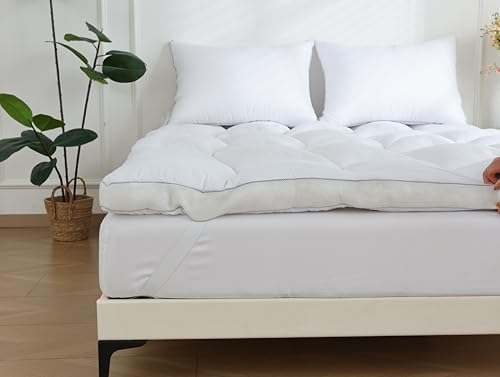
- Memory Foam Mattress Topper Fullf, 3In Thick Plush Gel Foam Bed Topper , Smooth...
Sleep On Latex Pure Green Natural Latex Mattress Topper – Best Natural Breathability
Made from 100% natural Talalay latex, this topper provides superior, inherent airflow. Its open-cell structure stays cool and is naturally antimicrobial. This is the best option for those seeking a non-toxic, durable, and cool sleep surface.
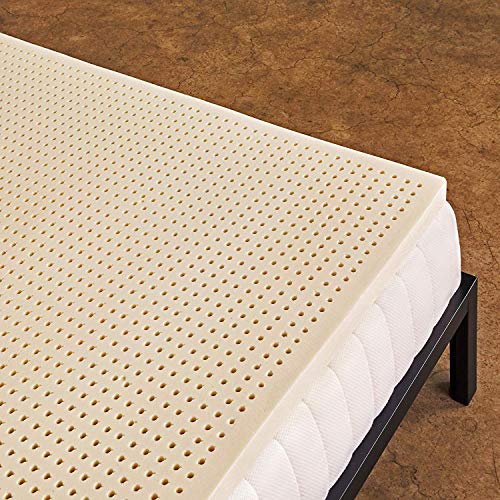
- Soft - Great for Adding Softness to the Surface of a Mattress
- Adjusts to Your Body Instantly - Latex Foam Naturally Stays Cool
- Made of Natural Latex Harvested from Organically Grown Rubber Trees
Conclusion
A mattress topper trapping heat is a solvable problem, rooted in material choice and airflow. By The science behind heat retention, you can apply targeted fixes or choose a better-designed topper.
The main point is to manage your entire sleep system—from a breathable bed frame to cooling bedding layers. Whether you adjust your current setup or invest in a new cooling topper, a cooler, more comfortable night’s sleep is within reach.
Frequently Asked Questions about Why Your Topper Is Trapping Heat And How To Fix It Fast
What is the main reason my memory foam topper sleeps so hot?
Traditional memory foam is dense and has a closed-cell structure that conforms closely to your body. This tight seal restricts airflow and traps your body heat within the foam material itself. The heat-sensitive cells absorb and retain warmth throughout the night.
Newer memory foams incorporate cooling gels, copper infusions, or open-cell designs to combat this. However, the base material’s density remains a primary factor in heat retention compared to more breathable options like latex.
Can I just put a cooling pad on top of my hot topper?
Yes, adding a breathable, moisture-wicking mattress pad or protector is an excellent immediate fix. Look for pads made from wool, bamboo, or Tencel that promote airflow. This layer creates a cooler surface barrier without replacing your entire topper.
This solution addresses surface heat and moisture. For a deeper fix, you must also ensure ventilation from below by checking your bed frame and consider flipping or airing out the topper itself regularly.
How does a latex topper stay cooler than memory foam?
Natural latex has an inherently open, airy cell structure that allows for continuous air circulation. This design lets body heat dissipate through the material rather than being trapped. It is also more responsive and bouncy, preventing the “sinking in” feeling that restricts airflow.
Latex is derived from rubber tree sap and is naturally breathable and antimicrobial. This makes it a superior choice for hot sleepers who also have allergies or prefer eco-friendly, non-toxic sleep materials.
Will flipping my topper help it sleep cooler?
Flipping or rotating your topper can definitely help. It prevents deep body impressions from forming, which are pockets that trap warm air. This practice ensures even wear and can expose a cooler, less-compressed side to your body.
However, this is a maintenance tactic, not a complete solution for a fundamentally non-breathable material. Combine flipping with other strategies like using breathable sheets and ensuring room airflow for the best results.
Is a thicker topper always better for cooling?
No, thickness alone does not determine cooling ability. A very thick topper made of dense foam will likely sleep hotter. The material’s density and breathability are far more critical factors than its overall height.
A medium-thickness topper made of open-cell gel foam or latex will often sleep cooler than a thick, solid block of traditional memory foam. Always prioritize the material’s technology and airflow properties over its listed depth.
When should I replace my topper instead of trying to fix it?
Replace your topper if it has permanent, deep body impressions, feels lumpy, or continues sleeping hot after you’ve implemented all cooling strategies. These are signs the core material has broken down and lost its supportive, breathable structure.
If your topper is over 5-7 years old, material degradation is likely. Investing in a new topper with modern cooling technology is often more effective and cost-efficient than continually battling an old, failing product.