
Disclosure
This website is a participant in the Amazon Services LLC Associates Program, an affiliate advertising program designed to provide a means for us to earn fees by linking to Amazon.com and affiliated sites.
Is your mattress topper feeling too soft and ruining your sleep? A too-soft topper can cause back pain and poor sleep quality, making this a common and frustrating issue.
Often, the problem isn’t the topper itself but an unsuitable mattress base. A soft topper on a soft mattress creates a sinking feeling that lacks the necessary support for proper spinal alignment.
Is Your Plush Mattress Topper Causing Aches Instead of Curing Them?
That sinking, unsupportive feeling ruins sleep and leaves you sore. The Biteany topper fixes this with a dual-layer design: a soft top for comfort and a firm supportive base. It adds contouring pressure relief without the bottomless sink, transforming your too-soft bed into a perfectly balanced sleep surface.
For a balanced feel that truly supports you, go with: Biteany Dual Layer Memory Foam Mattress Topper

- GET 2X SUPPORT FROM MATERIAL REVOLUTION! Biteany queen mattress topper combines...
- PAIN-FREE SLEEP, CUSTOMIZES COMFORT! Our queen size mattress topper can...
- STAY COOL & SLEEP SAFE! The cooling mattress topper features a 3D air mesh...
Common Reasons Your Mattress Topper Loses Firmness
Why your bed topper feels too soft is the first step to fixing it. The issue often stems from material breakdown, improper support, or simple user error. Identifying the root cause helps you choose the most effective solution.
Material Compression and Breakdown
All mattress topper materials soften over time with regular use. This natural wear reduces the product’s original support and firmness level. Memory foam and latex are particularly prone to permanent compression.
- Memory Foam Density: Low-density foam softens quickly and may develop body impressions that create a hammocking effect.
- Fiber Fill Shifting: Feather or down toppers can develop soft spots where the fill material clumps together unevenly.
- Latex Degradation: Natural latex can oxidize and lose its resilience, especially if exposed to direct sunlight or heat.
Incompatible Mattress Foundation
A too-soft mattress base is a leading cause of excessive softness. Your topper cannot compensate for a sagging or unsupportive underlying mattress. This combination creates a deep sinkhole effect.
For example, placing a plush featherbed on a well-used innerspring mattress often results in a lack of support. The topper simply fills the existing dips rather than providing a new, firm surface. Always assess your primary mattress condition first.
Incorrect Topper Selection and Care
Choosing the wrong topper type or thickness for your sleep style leads to immediate softness issues. Furthermore, improper maintenance accelerates material breakdown.
- Wrong Firmness Level: Selecting a “plush” or “soft” model when you need a “firm” or “extra firm” topper.
- Inadequate Thickness: A 2-inch topper may be too thin to provide meaningful support on a worn mattress.
- Lack of Rotation: Not rotating your topper regularly causes uneven wear and soft spots in high-pressure areas.
Choosing a Firm Mattress Topper for Lasting Support
If fixes don’t work, selecting a new, firmer topper is the permanent solution. The right choice depends on material density, thickness, and your specific sleep needs. This guide helps you navigate the key specifications for optimal firmness.
Key Material Specifications for Firmness
Material type and density are the primary drivers of a topper’s firmness level. High-density materials provide more resistance and support, preventing the sinking feeling.
- Memory Foam Density: Choose a density of 4 pounds per cubic foot (PCF) or higher. Low-density (2-3 PCF) foam will feel soft quickly.
- Latex Firmness Level: Look for labels like “firm” or “extra firm.” Dunlop latex is generally firmer than Talalay latex.
- Fiber Fill Power: For down alternatives, a higher fill power and tighter baffle box construction prevent shifting and soft spots.
Optimal Thickness and Layering Strategy
Thickness impacts how a topper feels. A common mistake is choosing a topper that is too thick for the desired firmness effect.
For a firmer feel, a 2-inch topper is often more effective than a 3 or 4-inch model. A thinner, high-density layer provides support without excessive cushioning. You can also use a layering strategy: place a firm 2-inch foam topper directly on the mattress, then add a thinner plush layer on top for comfort without sacrificing support.
| Topper Type | Best For Firmness | Consideration |
|---|---|---|
| High-Density Memory Foam | Pressure relief with solid support | May sleep warm; look for gel-infused versions |
| Firm Dunlop Latex | Resilient, buoyant support | Heavier and more expensive; excellent durability |
| Wool or Horsehair Pad | Minimal cushioning, maximum firm support | Natural temperature regulation; often very thin |
Ensuring Long-Term Firmness Retention
Protect your investment with proper care to maintain the topper’s firm feel. Regular maintenance prevents premature softening and material breakdown.
- Use a Protector: A waterproof mattress protector shields the topper from moisture and body oils that break down materials.
- Follow a Rotation Schedule: Rotate your topper head-to-foot every 3 months to ensure even wear.
- Air it Out: Strip your bed regularly to let the topper breathe and recover its shape.
When to Replace vs. Fix Your Soft Mattress Topper
Knowing when to stop fixing and start replacing saves time and money. Some toppers are beyond revival due to permanent damage or age. This section provides clear signs to help you make the right decision.
Signs Your Topper is Beyond Repair
Certain types of damage indicate irreversible loss of support. If you notice these issues, a replacement is likely your best option for restoring sleep quality.
- Permanent Body Impressions: Deep, visible dents that do not bounce back after 24-48 hours of being off the bed.
- Lumps and Uneven Surfaces: Severe clumping of fill material that cannot be redistributed by shaking or drying.
- Material Breakdown: Crumbling latex, cracked foam, or a powdery residue indicates the core material has degraded.
Cost-Benefit Analysis of Replacement
Weigh the cost of a new topper against the ongoing cost of poor sleep. Temporary fixes may work, but they often don’t provide a long-term solution for a severely worn product.
Consider replacement if your topper is over 3-5 years old, as most materials significantly degrade in this timeframe. If you’ve already tried firming pads and rotation with no improvement, further effort is usually not cost-effective. Investing in a high-quality, firm replacement often provides better value than continually addressing problems.
How to Responsibly Dispose of an Old Topper
Once you decide to replace, dispose of your old topper responsibly. Most mattress toppers are not recyclable through standard curbside programs, but better options exist.
- Check with the Retailer: Some companies offer take-back programs when you purchase a new topper, especially for foam or latex.
- Local Recycling Centers: Search for a facility that accepts polyurethane foam or textiles. Some may charge a small fee.
- Donation: If the topper is clean and only slightly soft, animal shelters may accept it as bedding. Always call first.
- Municipal Bulk Pickup: Schedule a special pickup with your waste management service; they may direct it to a specialized landfill or incinerator.
Preventing Your New Mattress Topper From Getting Too Soft
Protecting your new topper’s firmness starts from day one. Proactive care extends its lifespan and maintains the supportive feel you purchased. Implement these preventative measures to avoid future softness problems.
Establish a Proactive Maintenance Routine
Consistent, simple habits are the most effective defense against premature softening. A regular schedule prevents uneven wear and material compression.
- Monthly Rotation: Rotate your topper 180 degrees every month for the first six months, then every three months thereafter.
- Weekly Air-Outs: Once a week, strip your bed for a few hours to let the topper air out and release moisture.
- Immediate Protection: Use a high-quality, breathable mattress protector from the first night. This barrier prevents oils, sweat, and moisture from breaking down the materials.
Optimize Your Sleep Environment
External factors like heat, humidity, and improper support can accelerate softening. Controlling your bedroom environment protects your investment.
Keep your bedroom cool and well-ventilated, as excessive heat can cause memory foam to soften and lose resilience. Ensure your mattress foundation is solid and level; a sagging base puts undue stress on one area of the topper. Avoid sitting on the edge of the bed repeatedly, as this concentrated pressure can create permanent soft spots.
Selecting Durable Materials from the Start
Your initial purchase decision is the ultimate form of prevention. Choosing a topper designed for durability will resist softening for years longer.
- Prioritize Density Over Thickness: A 2-inch high-density foam topper will stay firmer longer than a 4-inch low-density one.
- Look for Certifications: CertiPUR-US® for foam or OEKO-TEX® for textiles indicate higher quality, more durable materials.
- Consider a Firm Core: Some hybrid toppers combine a firm support core with a comfort top layer, offering both comfort and lasting support.
Can I Make a Memory Foam Topper Firmer?
Yes, you can temporarily firm up a memory foam topper. The most effective method is to remove it from the bed and let it expand on a flat, hard floor for 24-48 hours. This allows the foam cells to fully reinflate.
For a longer-term fix, place a firming pad or a thin, high-density foam layer underneath it. Avoid using heat, as this can permanently damage the foam’s structure. Remember, low-density foam will always soften faster than high-density foam.
How Long Should a Mattress Topper Last Before Getting Soft?
The lifespan varies significantly by material quality and care. A general timeline for when softening typically begins is below.
- High-Quality Memory Foam (4+ PCF): 3-5 years before noticeable softening.
- Natural Latex: 5-7 years, with a very gradual loss of resilience.
- Feather/Down or Fiberfill: 2-4 years, as clumping and shifting cause soft spots.
Proper maintenance, like using a protector and rotating, can extend these timeframes. A topper getting soft within a year often indicates a low-quality product.
Is a Soft Topper Causing My Back Pain?
Very likely. A too-soft topper fails to support proper spinal alignment, allowing your hips and shoulders to sink too deeply. This places strain on your lower back muscles as they work to stabilize your posture all night.
If you wake up with stiffness or pain that improves after moving around, your sleep surface is a probable culprit. Try the firming solutions mentioned earlier, like adding a support board. If pain persists, replacing the topper with a firmer model is often necessary for relief.
What’s the Best Firm Topper for a Side Sleeper?
Side sleepers need a balance: firm support for the hips and shoulders with enough cushioning for pressure relief. A medium-firm memory foam topper (3-4 inches) is often ideal, as it contours without bottoming out.
Alternatively, a zoned latex topper provides firmer support in the center third for the hips and softer cushioning at the shoulders and legs. Avoid ultra-firm, non-contouring materials like some wool pads, as they can create pressure points for side sleepers.
Professional Solutions and When to Call an Expert
For complex or persistent softness issues, professional help may be the most efficient path. Experts can assess your unique sleep setup and recommend targeted, often permanent, solutions. Knowing when to seek help saves time and ensures proper support.
Consulting a Sleep Specialist or Mattress Retailer
Certified sleep consultants or knowledgeable mattress fitters can diagnose compatibility issues. They assess your body type, sleep position, and existing mattress to recommend the correct topper firmness and material.
- In-Store Testing: A professional can guide you to test toppers on a bed similar to yours, avoiding guesswork.
- Warranty Evaluation: They can determine if your topper’s excessive softening is a defect covered under the manufacturer’s warranty.
- Custom Layering Advice: Experts can design a custom multi-layer system using a firm base topper with a softer top layer for ideal comfort and support.
Professional Topper Restoration and Alteration Services
Some specialized services can physically alter or restore a topper. This is often a cost-effective alternative to replacement for high-quality, durable materials like latex or high-density foam.
Upholstery shops may be able to open a fiber-filled topper, replace clumped or flattened fill, and resew it. For a foam topper, a custom foam fabricator can trim it to a thinner profile or bond a new, firmer layer to the bottom. Always get a quote first, as labor costs can sometimes approach the price of a new mid-range topper.
Utilizing Manufacturer Warranties and Guarantees
Many toppers come with a warranty against excessive sagging or defects. The terms is crucial for a successful claim.
- Review Your Warranty: Check the document for a “sag depth” clause (e.g., a 1.5-inch indentation is considered defective).
- Document the Issue: Place a straight edge across the topper and use a ruler to photograph the depth of any body impressions.
- Contact Customer Service: Provide your proof of purchase and documentation. A reputable company may offer a repair, replacement, or partial credit.
Best Mattress Toppers for Firm Support and Comfort
If you need a replacement, these three highly-rated toppers address different firmness needs. Each is an excellent option for solving softness problems and improving sleep quality. Choose based on your desired feel and support level.
Sweetcrispy Memory Foam Mattress Topper – Best for Balanced Firmness
This topper offers a medium-firm feel ideal for most sleepers. Its 3-inch thickness and gel-infused foam provide contouring support without excessive sinkage, helping to alleviate pressure points while maintaining spinal alignment. It’s a great all-around solution.
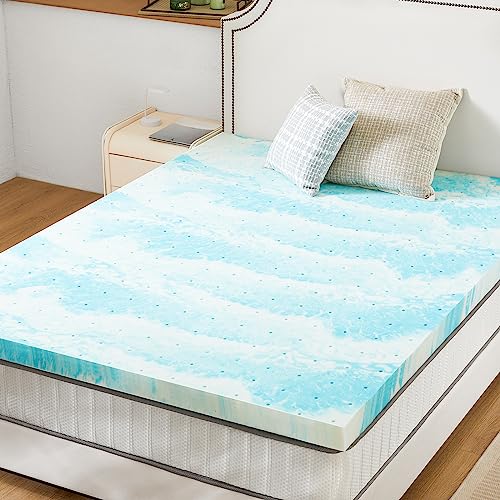
- ENHANCED COMFORT - With this memory foam mattress topper, say goodbye to...
- IMPROVED AIRFLOW - The gel infusion in this mattress pad helps to dissipate heat...
- VERSATILE USE - Whether you use it on your bed, sofa, or even in your RV, this...
Niagara Sleep Solution Ultra Soft Mattress Topper – Best Plush Top Layer
For those who want cloud-like comfort on top of a firm base, this is the ideal choice. Made with a down-alternative fiberfill, it adds a luxurious, soft surface. Use it in a layering strategy over a firmer pad to prevent the deep sinkage of a standard soft topper.

- ULTRA SOFT: Niagara Queen Mattress Topper is made from viscose made from bamboo...
- CLOUD-LIKE SLEEP: This queen mattress topper adds an extra cushion to...
- EASY TO USE: The cooling bed pad has a deep pocket, is easy to put on, and has...
BedStory Firm Mattress Topper 3 Inch – Best for Maximum Firmness
Specifically designed for firm support, this is the recommended option if your current topper is too soft. Its high-density memory foam provides significant resistance to sinkage, making it perfect for back and stomach sleepers or for placing on a slightly soft mattress.
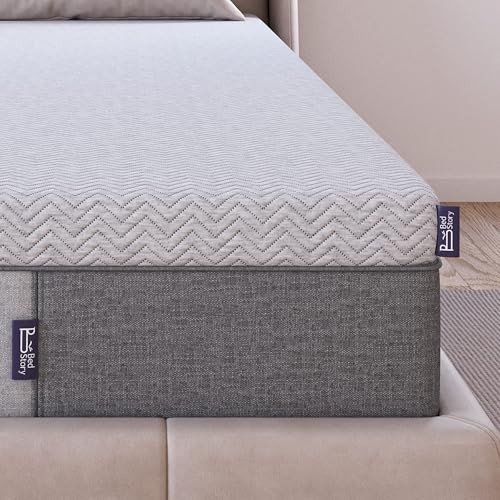
- RELIEVE PAIN & PROTECT THE SPINE - 2-layer pressure-relieving firm memory foam...
- 2-LAYER DESIGN & OPTIONAL FIRMNESS - Featuring double-layer foam design, the top...
- REMOVE MOISTURE & ALLEVIATE FATIGUE - Fusion memory foam contains bamboo...
Conclusion
A too-soft mattress topper is a common but fixable problem. Whether through simple adjustments, material revival, or selecting a new firm model, you can restore the supportive sleep surface you need.
The main point is to diagnose the root cause—often an incompatible mattress base or worn materials—before acting. With the right approach, you can quickly fix the softness and enjoy better, pain-free sleep tonight.
Frequently Asked Questions about Why Your Topper Is Too Soft And How To Fix It Fast
Can I just flip my topper over to make it firmer?
Yes, flipping can be an effective quick fix if your topper is double-sided. This utilizes the less-worn underside, which often retains more of its original firmness and support.
If it’s single-sided, rotate it 180 degrees instead. This moves the softened areas from your torso to your legs, providing temporary relief and more even wear distribution.
Will a mattress pad make my soft topper firmer?
No, a typical mattress pad is a thin, quilted layer designed for protection, not support. It adds minimal structure and will not correct a too-soft topper.
For firming, you need a firming pad made of dense materials like wool or high-density foam. Place this supportive pad underneath your soft topper to create a stable base.
How can I tell if my mattress or topper is the problem?
Remove the topper and sleep directly on your mattress for a night. If the mattress itself feels firm and supportive, the topper is the culprit.
If the mattress feels saggy or unsupportive, the topper is likely sinking into those dips. A too-soft mattress foundation is a leading cause of topper softness issues.
Is a firmer topper better for back pain?
Generally, yes. A firm topper promotes better spinal alignment by preventing your hips from sinking too deeply. This reduces strain on the muscles and ligaments in your lower back.
However, it must have some contouring, like memory foam provides. An overly hard, non-contouring surface can create pressure points, so aim for a medium-firm to firm feel.
Can I wash a topper to make it firmer again?
Washing is not recommended for most toppers and can ruin them. Water can break down foam and cause fill materials to clump permanently, making the topper even softer and lumpier.
For fiber-filled toppers, use a dryer on a no-heat, air-fluff cycle with tennis balls. For foam, simply air it out. Always follow the manufacturer’s care instructions.
What is the fastest way to fix a soft topper tonight?
The fastest method is to place a firm, flat board between your mattress and topper. Plywood or a folded cardboard panel can create an immediate, temporary firm base.
Also, try rotating the topper head-to-foot. This shifts the pressure points and can provide a noticeably firmer feel for immediate relief until a permanent solution is found.