
Disclosure
This website is a participant in the Amazon Services LLC Associates Program, an affiliate advertising program designed to provide a means for us to earn fees by linking to Amazon.com and affiliated sites.
Discovering a tear in your mattress topper is frustrating and can compromise your sleep quality. This common issue often stems from simple causes that are easy to address with the right knowledge.
Many tears result from improper handling or material fatigue, not just normal wear. Learning the correct repair techniques can save you money and extend your topper’s life significantly.
Is Your Mattress Topper Ripping Apart, Stealing Your Sleep Night After Night?
That frustrating tear isn’t just a nuisance; it’s a direct path to discomfort, poor support, and wasted money. The DUMOS Dual Layer Topper solves this with a durable, reinforced design that resists tearing while providing plush comfort and pressure relief, so you can finally sleep soundly without the worry.
For lasting comfort and durability, we suggest: DUMOS Dual Layer 3 Inch Mattress Topper
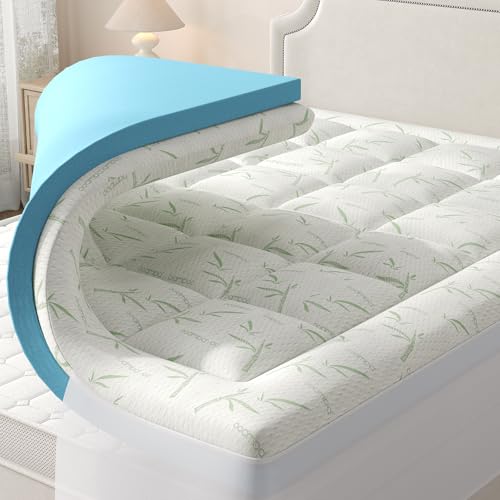
- 【Upgrade 2 In 1 Dual Layer Design】Combines a 2 inch cooling gel-infused...
- 【Relieve Pain & Contouring Support】This topper softens firm mattresses and...
- 【Ultra Cooling & Breathable】The innovative fiber pillowtop cover uses...
Common Causes of Mattress Topper Damage and Tearing
Why your sleep topper is failing is the first step to a lasting fix. Tears rarely happen spontaneously and are usually a symptom of underlying issues. Identifying the root cause prevents the problem from recurring after a repair.
Material Fatigue and Manufacturing Defects
Over time, the materials in your topper naturally degrade, becoming brittle and prone to splitting. This material fatigue is accelerated by body heat, moisture, and pressure points. A weak seam or thin material from the factory can also lead to premature failure.
- Memory Foam and Latex: These materials can dry out and crack, especially in low-humidity environments or with exposure to direct sunlight.
- Fiberfill and Feather: Shifting internal fill can create thin spots in the fabric shell, making it easy to puncture or tear.
- Bonded Mattress Pads: The adhesive binding the layers can fail, causing the cover to separate and rip at the edges.
Improper Handling and Daily Wear
How you use and care for your bed topper directly impacts its longevity. Rough handling during washing or moving is a primary culprit for sudden damage. Friction against bed frames or sharp objects is another common source of tears.
Consider these everyday scenarios that lead to wear:
- Fitted Sheet Tension: Excessively tight sheets pull and stress the topper’s corners and edges during nightly movement.
- Pet Claws: Even trimmed claws can snag and puncture delicate topper fabrics during pet naps.
- Incorrect Washing: Machine washing a topper not designed for it can cause violent twisting and seam blowouts.
How to Repair a Torn Mattress Topper Quickly and Effectively
Once you’ve identified the cause, you can choose the best repair method for a fast fix. The right technique depends on the topper’s material and the tear’s size and location. Acting quickly prevents the damage from spreading and restores comfort.
Quick Fix Solutions for Small Tears and Seam Splits
For minor damage, a simple adhesive repair can be a permanent solution. Fabric glue or a specialized urethane adhesive for foam works best for clean, small tears. Ensure the area is clean, dry, and pressed flat during the curing process for a strong bond.
Follow these steps for a seamless repair:
- Gently clean the torn area with a damp cloth and let it dry completely.
- Apply a thin layer of appropriate adhesive to both sides of the tear.
- Press the edges together firmly and place a heavy book on top for 24 hours.
Reinforcing Large Rips with Patches and Sewing
A large gash requires a more Strong approach using a patch for reinforcement. This method is ideal for feather toppers or deep foam tears. You will need a durable fabric patch, strong thread, or a heavy-duty repair tape designed for bedding.
- Iron-On Patches: Perfect for fabric-covered toppers; use a cloth barrier to protect materials from direct heat.
- Sewn Fabric Patch: For a durable, invisible mend on quilted pads, use a curved needle and a tight whipstitch.
- Tear-Aid or Tenacious Tape: These fabric repair tapes create a flexible, waterproof seal instantly without sewing.
| Tear Type | Best Method | Key Tool |
|---|---|---|
| Small seam split | Fabric glue | Urethane adhesive |
| Large fabric rip | Sewn patch | Curved needle, strong thread |
| Puncture or hole | Repair tape | Tear-Aid type tape |
Preventative Care to Stop Future Mattress Topper Damage
Proactive maintenance is the best strategy to protect your investment and avoid future repairs. Simple changes in how you handle and protect your topper can double its lifespan. This care routine saves you time, money, and ensures consistent sleep comfort.
Proper Installation and Daily Protection Tips
Correctly placing and securing your topper prevents stress points that lead to tears. Always use a mattress protector as a sacrificial barrier against spills, dust, and friction. Ensure your fitted sheet is the correct depth to avoid excessive tension on the topper’s edges.
- Use a Non-Slip Pad: Place a grippy mattress pad underneath to prevent the topper from sliding and bunching, which strains seams.
- Rotate Regularly: Rotate your topper head-to-foot every 3 months to distribute wear evenly and prevent material fatigue in one spot.
- Mind the Corners: When making the bed, gently tuck instead of pulling aggressively on the topper’s corners.
Correct Cleaning and Storage Methods
Improper washing is a leading cause of sudden topper failure. Always follow the manufacturer’s care label instructions precisely. For most toppers, spot cleaning with a mild detergent is safer than machine washing.
For long-term storage, proper preparation is key to preventing dry rot or mold.
- Clean the topper thoroughly and ensure it is completely bone-dry to prevent mildew.
- Store it in a breathable cotton storage bag, never in plastic, which traps moisture.
- Keep it in a cool, dry place away from direct sunlight, which degrades foam and fabrics.
- Always use a waterproof mattress protector.
- Never machine wash unless the tag explicitly states it is safe.
- Always allow for full air drying after any spot cleaning.
- Never store in a compressed state for long periods.
When to Repair Your Topper vs. When to Replace It
Not every damaged topper is worth fixing; knowing the difference saves you effort and money. A simple cost-benefit analysis based on the damage extent and topper age provides a clear answer. This decision impacts your sleep quality and overall value.
Signs Your Topper Repair Will Be Successful
Repair is a smart choice when the damage is localized and the surrounding material is still in good condition. A successful fix relies on the integrity of the base material holding the repair. If the topper is less than two years old, a repair often restores it fully.
- Localized Damage: A single clean tear or a split seam away from the main sleeping area is highly repairable.
- Firm Foundation: The foam or fill around the tear is still resilient and not crumbling or permanently flattened.
- High-Quality Material: Denser memory foam or latex toppers are more receptive to adhesive and patch repairs than cheap poly-fill.
Indicators You Need a New Mattress Topper
Sometimes, replacement is the more practical and hygienic solution. Extensive damage, loss of support, or old age are clear signals. A topper that no longer provides pressure relief has failed its primary function, regardless of repairs.
Consider replacement if you notice any of the following:
- Multiple Failure Points: Widespread cracking, several large tears, or failing seams across the entire surface.
- Loss of Support and Comfort: The material is permanently compressed, lumpy, or no longer contours to your body.
- Hygiene Concerns: The tear has led to mold, mildew, or an inability to clean deep stains and allergens effectively.
| Scenario | Verdict | Reason |
|---|---|---|
| One 3-inch seam tear on a 1-year-old latex topper | Repair | Localized damage on a durable material. |
| A 5-year-old foam topper flattened and cracked in multiple zones | Replace | Material fatigue is widespread; comfort is gone. |
| Small puncture from a pet claw on a high-quality featherbed | Repair | Damage is small and containment is possible with a patch. |
Choosing Durable Materials to Prevent Topper Tearing
Your choice of material is the most important factor in long-term durability and tear resistance. Investing in a Strong topper from the start prevents many common damage issues. material properties helps you select a product built to last.
Comparing Tear Resistance in Common Topper Materials
Not all sleep surfaces are created equal when it comes to physical resilience. Density and construction are better indicators of durability than price alone. A tightly woven cover and high-density core are your best defenses against splitting and punctures.
- High-Density Memory Foam: Resists tearing better than low-density versions but can still crack if it dries out. Look for a minimum 4-pound density.
- Natural Latex: Offers exceptional elasticity and resilience, making it highly resistant to permanent tears and material fatigue.
- Quilted Mattress Pads (Fiber/Feather): The quilted box-stitch pattern reinforces the fabric, but the fill can shift, creating weak spots.
Key Features for a Long-Lasting Mattress Topper
Beyond the core material, specific design features significantly enhance a topper’s lifespan. These elements protect against the daily stresses that cause wear. Prioritize these features when shopping for a replacement or upgrade.
Look for these durability markers on product labels and descriptions:
- Reinforced Corners and Edges: Extra stitching or binding in high-stress areas prevents common seam failures.
- Removable, Machine-Washable Cover: A zip-off cover allows for easy cleaning without subjecting the core to damaging wash cycles.
- Non-Slip Bottom: A silicone or gripper backing keeps the topper securely in place, eliminating friction and bunching.
| Material | Tear Resistance | Primary Weakness |
|---|---|---|
| Natural Latex | Excellent | Can be damaged by oils; requires a protector. |
| High-Density Memory Foam | Good | Prone to drying/cracking in arid climates. |
| Quilted Fiberfill Pad | Moderate | Fabric wear at stitch points; fill shifting. |
Expert Answers to Common Mattress Topper Repair Questions
Even with a guide, specific situations can create uncertainty about the best course of action. This section addresses the most frequent concerns people have when fixing their sleep surface. Clear, direct answers help you proceed with confidence and avoid mistakes.
Addressing Specific Repair Scenarios and Challenges
Real-world damage often doesn’t fit a perfect category, requiring tailored solutions. How to adapt basic techniques is key to a successful outcome. The goal is always to create a repair that is both functional and comfortable.
- “The foam inside my topper is crumbling at the tear.” For crumbling foam, cut away the degraded material in a clean line. Fill the void with a piece of similar-density foam, then glue the original cover over it as a patch.
- “My featherbed has a small hole and is leaking feathers.” Immediately cover the hole with strong tape to contain the loss. Then, sew a fabric patch over the area, using a tight stitch to prevent further leakage.
- “The bonded layers of my mattress pad are separating.” Use a waterproof fabric glue or epoxy designed for fabrics. Inject it between the layers, press flat under weight, and allow a full 48 hours to cure.
Tools and Products Recommended by Professionals
Using the right supplies makes the difference between a temporary patch and a permanent fix. Household items often lack the strength and flexibility needed for bedding repairs. Investing in a few specialized products yields superior, longer-lasting results.
For a reliable repair kit, include these items:
- Urethane-Based Adhesive: This glue remains flexible when dry, essential for materials that compress and move with your body nightly.
- Curved Upholstery Needle and Heavy-Duty Thread: Essential for sewing through thick, quilted fabrics where a straight needle cannot maneuver.
- Fusible Bonding Web: An iron-on mesh that creates a strong, no-sew fabric bond, ideal for reinforcing areas before patching.
Long-Term Maintenance Schedule for Mattress Topper Care
Consistent, simple upkeep is the most effective way to prevent tears and extend your topper’s life for years. A scheduled maintenance routine takes minimal effort but delivers maximum protection. This proactive approach addresses minor issues before they become major repairs.
Weekly and Monthly Topper Care Checklist
Incorporate these quick tasks into your regular bedroom cleaning routine. They focus on preventing the accumulation of stressors that weaken materials over time. This regular attention keeps your sleep surface in optimal condition.
- Weekly: Strip your bedding and inspect the topper surface for early signs of wear, pilling, or loose threads. Vacuum the topper lightly with an upholstery attachment to remove dust and debris.
- Monthly: Rotate your topper 180 degrees (head-to-foot) to ensure even wear distribution. Check that the non-slip pad underneath is still securely in place and not bunched.
- Seasonally: Air out the topper by leaving it uncovered on a made bed for a few hours in a well-ventilated room. Deep clean any spots or stains according to the manufacturer’s instructions.
Annual Deep Cleaning and Inspection Protocol
Once a year, perform a thorough assessment and cleaning to reset your topper’s condition. This is the time to address any minor damage immediately. A Complete check helps you plan for potential replacement before a crisis occurs.
Follow this annual deep maintenance process:
- Full Inspection: Examine every inch, especially seams, corners, and high-pressure areas, for thinning fabric, tiny tears, or compression.
- Professional-Level Cleaning: If the care tag allows, use a handheld steam cleaner (on a low setting) for a sanitizing clean without saturation. Otherwise, perform a detailed spot clean.
- Protector Refresh: Wash or replace your mattress protector. Consider upgrading to a new one with better waterproofing or cooling technology if needed.
| Frequency | Core Action | Goal |
|---|---|---|
| Weekly | Visual inspection & light vacuuming | Catch damage early; remove abrasives. |
| Every 3 Months | Rotate topper 180 degrees | Prevent uneven wear and material fatigue. |
| Annually | Deep clean & full integrity check | Assess overall health and plan proactively. |
Best Durable Mattress Toppers to Prevent Tearing
If your current topper is beyond repair, choosing a durable replacement is crucial. These recommended options are built with reinforced materials and smart designs to resist common causes of damage. Investing in quality from the start is the ultimate preventative measure.
BEDLORE King Mattress Topper – Best for Reinforced Edge Support
This topper features a double-stitched border that prevents seam splitting at the vulnerable edges. The high-density foam resists permanent indentation, and its breathable, stretch-knit cover moves with you to reduce fabric stress. Ideal for preventing corner and edge tears.

- 【Premium Quality】Experience ultimate comfort with our pillow top mattress...
- 【Breathable Design】 Stay cool and cozy all night with the king bed mattress...
- 【Enhanced Comfort】 Upgrade your sleep with this luxurious and durable king...
DOWNCOOL 3 Inch Queen Mattress Topper – Best Cooling & Quilted Durability
Its advanced box-stitch quilting reinforces the entire surface, preventing fill shift and fabric strain. The cooling gel foam and bamboo cover resist moisture-related degradation. This construction is excellent for those who need a cool, stable surface that withstands nightly movement.
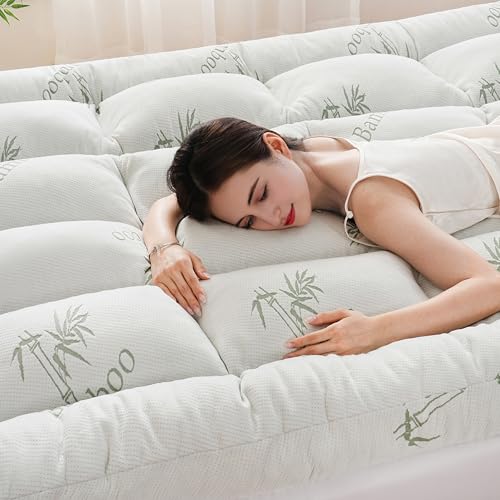
- Cooling Bamboo Viscose Top with 3D Air Layer: Made of 39% bamboo viscose and...
- Plush Pillow Top for Pressure Relief: Made with a thin gel memory foam layer and...
- Secure Deep Pocket Design: The elastic deep pocket skirt wraps around the...
OLANLY Dual-Layer 4 Inch Memory Foam Mattress Topper – Best for Heavy-Duty Use
Built with a 4-inch dual-layer design of high-density support foam and plush memory foam, it resists compression and tearing. The removable, machine-washable cover allows for easy cleaning without damaging the core. The best option for long-term resilience and easy maintenance.

- Dual-Layer Luxury for Supreme Comfort: Designed with a 2-inch gel-infused memory...
- Enhanced Pressure Relief & Body Alignment: Wake up refreshed and ache-free with...
- Snug Fit with Deep Pocket Skirt: The 360° elastic deep-pocket skirt hugs your...
Conclusion
A tearing mattress topper is a common but solvable problem. By The causes, applying the correct repair technique, and committing to preventative care, you can restore comfort and extend its life significantly.
The main point is that proactive maintenance and choosing durable materials are your best defenses. Whether you repair your current topper or invest in a resilient new one, these strategies ensure you enjoy restful, supported sleep for years to come.
Frequently Asked Questions about Why Your Topper Is Tearing And How To Fix It Fast
Can I use duct tape to fix a torn mattress topper?
Duct tape is a temporary emergency fix only. The adhesive will fail with body heat and movement, leaving a sticky residue that is difficult to remove. It can also damage the fabric further when peeled off.
For a permanent repair, use a flexible fabric glue or a specialized repair tape like Tear-Aid. These products are designed to withstand compression and washing, creating a bond that lasts.
How often should I replace my mattress topper to prevent tearing?
There is no universal timeline, as lifespan depends on material quality and care. A high-quality topper with proper maintenance can last 3-5 years or more before showing significant wear. Cheaper models may fail in 1-2 years.
Replace your topper when you notice permanent loss of support, widespread material degradation, or multiple irreparable tears. Regular rotation and using a protector are the best ways to maximize its life.
Will washing my mattress topper cause it to tear?
Machine washing a topper not designed for it is a leading cause of tears. The agitation can shred internal materials and blow out seams. Always check the manufacturer’s care label first for specific washing instructions.
Most toppers should only be spot cleaned. If machine washing is approved, use a gentle cycle in a large, commercial-sized machine to prevent twisting and stress on the material.
What is the best way to repair a memory foam topper that is cracking?
For surface cracks, a flexible urethane adhesive can seal the split effectively. Apply a thin layer into the crack, press the sides together, and weight it down for 24 hours. This restores integrity and prevents the crack from spreading.
If the foam is crumbling deeply, you may need to cut out the damaged section and insert a new piece of foam as a plug. Glue the plug in place and then seal the cover over it with adhesive or a patch.
Can a mattress protector actually prevent my topper from tearing?
Yes, a quality mattress protector is one of the best preventative investments. It acts as a sacrificial layer, absorbing friction from sheets, protecting against spills, and shielding the topper from dust mites and oils that degrade fabric.
Choose a protector that fits snugly without being overly tight. A smooth, fitted protector reduces daily abrasive stress on the topper’s surface, directly combating one of the main causes of fabric wear and tear.
Is it worth repairing a cheap mattress topper, or should I just buy a new one?
For a very inexpensive topper with significant damage, replacement is often more cost-effective. The materials in budget toppers are less receptive to repairs and may fail again quickly elsewhere.
Repair is worthwhile for minor damage on a topper that is otherwise comfortable and less than a few years old. It is also a good temporary solution while you research a more durable, higher-quality replacement.