
Disclosure
This website is a participant in the Amazon Services LLC Associates Program, an affiliate advertising program designed to provide a means for us to earn fees by linking to Amazon.com and affiliated sites.
A sweaty mattress topper ruins sleep and damages materials. The cause is the first step to a cooler, drier, and more comfortable bed tonight.
Heat and moisture buildup often stem from your topper’s material trapping body heat. The right fix depends on whether it’s a memory foam, latex, or featherbed design.
Are You Waking Up Drenched And Uncomfortable Every Night?
That trapped, sweaty feeling ruins your sleep and your mattress. The Biteany Topper solves this with a unique dual-layer design. Its cooling gel memory foam and breathable support foam work together to regulate temperature and improve airflow, stopping heat buildup for a cooler, drier, and more comfortable night’s rest.
For a cooler, sweat-free sleep, we recommend: Biteany Dual Layer Memory Foam Mattress Topper

- GET 2X SUPPORT FROM MATERIAL REVOLUTION! Biteany queen mattress topper combines...
- PAIN-FREE SLEEP, CUSTOMIZES COMFORT! Our queen size mattress topper can...
- STAY COOL & SLEEP SAFE! The cooling mattress topper features a 3D air mesh...
Why Your Mattress Topper Feels Hot and Sweaty at Night
Why your bed topper retains heat is crucial for finding a solution. The primary culprits are material density, your body’s natural thermoregulation, and poor airflow around the sleeping surface.
Material Matters: How Your Topper Traps Heat
Different mattress topper materials have varying thermal properties. Dense foams and certain fibers can create a heat-trapping barrier between you and your mattress.
- Memory Foam: This material is notorious for heat retention due to its dense, conforming cells that cradle your body and restrict airflow.
- Traditional Featherbeds: While initially fluffy, down and feathers can compress and mat down, losing their loft and creating a non-breathable layer.
- Solid Latex: Dense, non-aerated latex can also sleep warm, though it generally offers better breathability than traditional memory foam.
Your Body’s Role in Nighttime Sweating
Your own physiology contributes significantly to the problem. As you sleep, your body releases heat and moisture. A non-breathable topper acts like a lid, trapping this humidity against your skin.
This creates a microclimate of warmth and dampness. The result is a cycle where you feel hot, sweat more, and the moisture has nowhere to escape, making the topper feel damp and uncomfortable.
Environmental and Bedding Factors
Your bedroom environment and other bedding layers can worsen the issue. A warm room temperature or heavy, non-breathable sheets and blankets compound the heat buildup.
For a quick diagnostic check tonight, assess these three factors:
- Feel your topper’s material. Is it dense and non-porous?
- Check your room temperature and humidity level.
- Examine your sheets. Are they made of synthetic polyester or breathable cotton?
How to Stop Your Topper from Sweating Immediately
You can implement several fast fixes tonight to cool down a hot mattress topper. These solutions focus on improving airflow, managing moisture, and creating a temporary barrier.
Quick Bed Adjustments for Tonight
Start with simple changes to your sleep setup that require no new purchases. The goal is to increase ventilation around your body and the topper itself.
- Switch Your Bedding: Replace polyester sheets with 100% cotton or moisture-wicking bamboo. These natural fibers breathe better and pull dampness away from you.
- Use a Fan: Position a bedroom fan to circulate air directly over your bed. This evaporates moisture and creates a cooling effect.
- Layer a Cool Mat: Place a breathable, woven cotton mattress protector or a cooling gel mat directly on top of your topper, under your sheet.
The Overnight Moisture-Wicking Strategy
If your topper already feels damp, you need to address the existing moisture. This two-step process can make it feel drier in just a few hours.
- First, strip your bed completely. Sprinkle a thin layer of baking soda over the entire topper surface and let it sit for 30-60 minutes to absorb odors and moisture.
- Next, thoroughly vacuum the baking soda away. Then, leave the bare topper exposed in a well-ventilated room with a fan on it for as long as possible before remaking your bed.
When to Consider a Topper Replacement
If quick fixes fail, your topper’s material may be the core issue. Some materials are inherently cooler and more breathable than others.
Compare common topper types for sleep temperature:
| Material | Breathability | Best For |
|---|---|---|
| Gel-Infused Memory Foam | Medium | Those who want contouring with less heat |
| Natural Latex (Aerated) | High | Hot sleepers needing support and bounce |
| Wool or Cotton Fiberfill | Very High | Maximum breathability and natural temperature regulation |
Long-Term Solutions to Prevent a Sweaty Mattress Topper
For a permanent fix, you need strategies that address heat and moisture at the source. This involves selecting the right products and establishing a consistent maintenance routine for your sleep surface.
Choosing a Cooling Mattress Topper Material
Investing in a naturally breathable topper is the most effective long-term solution. Look for materials engineered for temperature regulation and airflow.
- Copper-Infused or Gel Memory Foam: These versions are designed to draw heat away from the body more effectively than traditional memory foam.
- Wool Toppers: Wool is a superb natural temperature regulator, wicking moisture away while providing insulating loft without overheating.
- Open-Cell or Egg-Crate Foam: The specific structure of these foams creates air channels that promote ventilation and prevent heat buildup.
Essential Protective Bedding Layers
The right barrier between you and your topper can make a dramatic difference. A high-quality protector is a non-negotiable investment for a dry bed.
Opt for a waterproof, breathable mattress protector made from cotton terry or a similar breathable fabric. Avoid vinyl or plastic-backed protectors, as they will trap heat and moisture, making the sweating problem worse.
Maintenance Routine to Keep It Dry
Regular care prevents the accumulation of moisture, oils, and debris that can compromise your topper’s breathability. Follow this simple monthly routine.
- Strip your bed and vacuum the topper surface thoroughly to remove dust and skin cells.
- Air it out by leaving it uncovered near an open window or with a fan for a few hours.
- Spot clean any stains immediately with a mild detergent and cold water, ensuring it dries completely before remaking the bed.
This maintenance breaks the cycle of moisture retention. Consistent care extends the life of your topper and ensures it remains a comfortable, dry part of your sleep environment for years to come.
Can a Mattress Topper Cause Night Sweats?
Yes, a topper can be a significant contributing factor. While night sweats have medical causes, a heat-trapping topper creates a microclimate that amplifies warmth and prevents sweat evaporation.
If you wake up damp primarily where your body contacts the bed, your topper is likely the issue. Improving bedding breathability is a practical first step before exploring other causes.
How Do You Dry a Wet Mattress Topper Fast?
Speed is crucial to prevent mold and mildew. Never put a large, non-machine-washable topper in a dryer. Follow this safe, accelerated drying method instead.
- Blot excess moisture immediately with dry towels, applying pressure.
- Place the topper in a well-ventilated area with multiple fans blowing directly on it.
- For foam toppers, rotate them every few hours to ensure all sides are exposed to airflow. Sprinkle baking soda to aid odor absorption once mostly dry.
What Is the Best Mattress Topper for Hot Sleepers?
The best topper for temperature regulation prioritizes breathability and heat dissipation. Based on material properties, here is a clear comparison.
| Material | Cooling Mechanism | Consideration |
|---|---|---|
| Natural Latex (Aerated) | Open-cell structure for airflow | Durable and responsive, but can be heavy |
| Wool or Cotton | Moisture-wicking and temperature balancing | Softer support; may require fluffing |
| Gel-Infused Foam | Gel beads absorb and dissipate heat | Better than standard foam, but can still sleep warm over time |
Advanced Tips and Product Recommendations for a Cooler Sleep
Beyond basic fixes, specific products and sleep science strategies can optimize your comfort. These advanced approaches target the sleep environment holistically.
Optimizing Your Entire Sleep System
Your topper is one part of a system. For maximum cooling, every layer from mattress to blanket should work together to promote airflow and wick moisture.
- Cooling Pillows: Pair your topper with a breathable pillow made of latex, shredded foam, or gel fibers to prevent heat buildup around your head and neck.
- Moisture-Wicking Pajamas: Wear sleepwear made from natural fibers like bamboo or technical fabrics designed for athletic wear to move sweat away from your skin.
- Weighted Blanket Alternatives: If you use a weighted blanket, ensure it has a glass bead fill and a breathable cotton or bamboo cover to prevent overheating.
Recommended Cooling Mattress Topper Accessories
Certain accessories can enhance a topper’s breathability or add a direct cooling effect. These are ideal for hot sleepers not ready to replace their entire topper.
A bed fan is a highly effective tool. These devices fit under your sheets and draw cool air across your body, disrupting the warm air layer trapped by your topper. For a passive solution, a wool or cotton mattress pad adds a breathable, moisture-managing buffer.
When to Consult a Professional
If you’ve tried all solutions and still experience severe sleep disruption from heat, it may indicate a broader issue. Consider these next steps.
- Evaluate your mattress. An old, sagging, or non-breathable mattress can undermine even the best cooling topper.
- Monitor your bedroom’s ambient temperature and humidity. Ideal sleep conditions are around 65°F (18°C) with 30-50% humidity.
- If night sweats are extreme and persistent, consult a healthcare provider to rule out underlying medical conditions unrelated to your bedding.
Addressing the entire sleep ecosystem is the final key to permanently solving the problem of a sweaty, uncomfortable bed.
Common Mistakes That Make Your Topper Hotter
Often, well-intentioned habits or product choices accidentally worsen heat retention. Identifying and correcting these errors can provide immediate relief without any new purchases.
Using the Wrong Bedding Layers
Layering non-breathable materials on top of your topper seals in heat. This creates a thermal barrier that even a cooling topper cannot overcome.
- Plastic Mattress Protectors: Vinyl or plastic-backed protectors are a primary culprit. They block all airflow and trap moisture directly against the topper.
- Polyester or Sateen Sheets: These synthetic or tightly woven fabrics feel soft but lack the breathability of natural fibers like cotton or linen.
- Heavy Comforters in Warm Weather: Using a winter-weight duvet or comforter during summer months adds excessive insulating layers.
Neglecting Routine Topper Care and Ventilation
A topper needs regular airing out. Over time, it absorbs body moisture and oils, which can clog its pores and reduce its inherent breathability.
Failing to rotate and air out your topper monthly allows heat and humidity to build up permanently within the material. Simply stripping the bed and letting the topper breathe for a few hours can significantly improve its feel.
| Mistake | Why It Causes Heat | Tonight’s Fix |
|---|---|---|
| Sealing Topper in a Mattress Encasement | Blocks all airflow from below | Switch to a breathable, fitted protector |
| Making the Bed Immediately | Traps nighttime moisture | Leave sheets pulled back for an hour each morning |
| Piling on Too Many Layers | Creates excessive insulation | Use a top sheet and a lightweight blanket separately |
Misunderstanding Topper Materials and Claims
Not all “cooling” labels are equal. Some marketing terms refer to initial feel rather than long-term temperature regulation.
A topper may feel cool to the touch initially but still lack breathability. Focus on the core material construction—like open-cell foam or natural fibers—rather than just surface treatments. Research independent reviews from other hot sleepers to gauge real-world performance before buying a replacement.
Step-by-Step Guide to Fixing a Sweaty Topper Tonight
Follow this practical, numbered plan for immediate results. This consolidated guide combines the most effective quick fixes into one efficient routine.
Phase 1: Immediate Bed Stripping and Assessment (15 Minutes)
Begin by diagnosing the situation and preparing your topper for treatment. A clear starting point is essential for an effective fix.
- Remove all bedding—sheets, blankets, and mattress protectors. Feel the topper’s surface with your hand. Is it damp, warm, or both?
- Check the room. Lower the thermostat if possible and open a window to increase air circulation in the bedroom itself.
- Vacuum the topper surface thoroughly. This removes dust and skin cells that can block airflow and contribute to warmth.
Phase 2: The Rapid Cooling and Drying Treatment (60-90 Minutes)
This phase actively addresses moisture and heat trapped in the topper material. You will need baking soda and fans.
Sprinkle a generous, even layer of baking soda over the entire topper. Let it sit for 30 minutes to absorb moisture and odors. While waiting, set up multiple fans—one on the floor pointing up at the bed and another oscillating nearby.
After 30 minutes, vacuum the baking soda completely. Then, leave the bare topper exposed to the fan airflow for another 30-60 minutes before remaking the bed.
- Topper is vacuumed and aired out.
- Room is cooler with moving air.
- You have clean, 100% cotton sheets ready.
- A breathable mattress pad is on hand (if available).
Phase 3: Remaking the Bed for a Cooler Sleep
How you reconstruct your sleep surface is critical. The goal is to create breathable layers that won’t undo your work.
- If you have one, place a breathable cotton or wool mattress pad directly on the topper. Avoid any plastic-backed layers.
- Put on your fresh, natural fiber sheets. Tightly fitted sheets can restrict airflow, so ensure they are snug but not constricting.
- Use lightweight blankets instead of a single heavy comforter. Layer them so you can easily remove one if you get warm.
Finally, direct a bedroom fan over the bed. This single step dramatically enhances evaporation and convective cooling throughout the night, making your immediate fixes far more effective.
Best Cooling Mattress Topper Recommendations
If your current topper cannot be salvaged, these three highly-rated options offer superior cooling features. Each is designed to address heat retention for a more comfortable sleep.
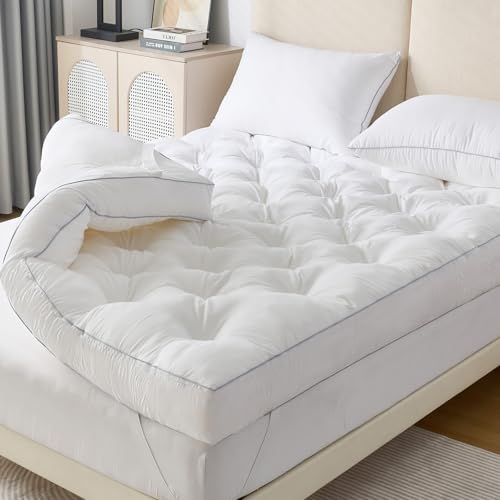
SHOUREN 5 Inch Memory Foam Mattress Topper – Best for Deep Contouring & Cooling
This thick topper combines 5 inches of gel-infused memory foam with a breathable bamboo cover. The gel beads actively draw heat away from the body, while the deep comfort layer provides exceptional pressure relief, making it ideal for side sleepers.
- 【5-Inch Extra Thick Comfort & Support】 SHOUREN mattress topper features a...
- 【Ergonomic Body-Contour Design】 Engineered to naturally fit your body...
- 【Upgraded 4-Way Elastic Anchor Straps】 Equipped with strong elastic straps...
Linenspa Memory Foam Mattress Topper – Best Budget-Friendly Cooling Upgrade
A popular choice for value, this topper features 2 inches of ventilated, egg-crate foam. The unique design promotes maximum airflow to prevent heat buildup. It’s a cost-effective way to add plush comfort and improve breathability on any mattress.

- PRESSURE RELIEVING MEMORY FOAM: Plush gel infused memory foam conforms to your...
- COOLING GEL INFUSIONS: This topper is infused with a cooling gel that helps...
- MULTIPLE PROFILE OPTIONS: Choose your own level of comfort with a plush 2-inch...
NicePlus Dual Layer 4 Inch Memory Foam Mattress Topper – Best Dual-Layer Support
This model uses a smart two-layer design: 2 inches of cooling gel foam on top of 2 inches of supportive base foam. This combination provides both temperature regulation and enhanced spinal alignment, a great option for those needing extra support without the heat.
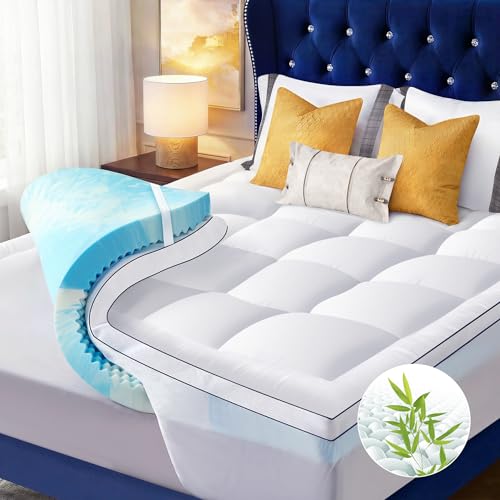
- 2-in-1 Double-Layer Mattress Topper: Featuring a dual-layer structure, designed...
- Relieves Pain & Supports Restful Sleep: The soft mattress topper bottom features...
- Cooling & Breathable: The 4 inch mattress topper fabric contains 40% Viscose...
Conclusion
A sweaty mattress topper is a common problem with clear causes and solutions. From material choice to bedtime habits, heat and moisture buildup can be effectively managed.
The key is to act on both immediate fixes and long-term strategies. By improving airflow, choosing breathable materials, and maintaining your sleep system, you can transform a hot, damp bed into a consistently cool and comfortable retreat tonight and every night.
Frequently Asked Questions about Why Your Topper Is Sweaty And How To Fix It Tonight
Does a mattress topper make you hotter?
Yes, many toppers can make you feel hotter. Dense materials like traditional memory foam trap your body heat because they restrict airflow. This creates a warm microclimate between you and the mattress.
The topper’s material is the main factor. Breathable options like aerated latex or wool are much less likely to cause overheating compared to solid, non-porous foams.
How can I cool down my memory foam topper?
Use breathable bedding like cotton sheets and a fan to increase air circulation over the bed. You can also place a cooling gel pad or a breathable mattress protector directly on top of the foam.
For a deeper clean, sprinkle baking soda on it, vacuum after 30 minutes, and let it air out with a fan. These steps help wick moisture and dissipate the trapped heat.
Can a mattress topper cause night sweats?
A topper can significantly worsen or trigger night sweats. If the material is non-breathable, it traps your body’s moisture and heat, creating a damp sleeping environment even if the room is cool.
If you wake up damp where your body contacts the bed, your topper is likely a key contributor. Improving its breathability is a crucial first step.
What is the best material for a cooling mattress topper?
The best cooling materials are naturally breathable and promote airflow. These include aerated natural latex, wool, and certain gel-infused or open-cell memory foams designed for temperature regulation.
These materials either wick moisture well or have structural channels that allow heat to escape, preventing the clammy, trapped feeling of traditional foams.
How often should I clean my mattress topper?
You should perform light maintenance monthly. This includes vacuuming the surface and airing it out for a few hours to prevent moisture and odor buildup that reduces breathability.
Follow the manufacturer’s instructions for deep cleaning. Most foam toppers should only be spot-cleaned to avoid water damage that can ruin the material and make it retain more heat.
Will a mattress protector make my topper hotter?
It can, if you choose the wrong type. A plastic or vinyl waterproof protector will absolutely trap heat and moisture. This creates a sauna effect that makes any topper feel much hotter.
Always select a breathable, waterproof mattress protector made from cotton terry or a similar moisture-wicking fabric. This protects your investment without sacrificing airflow.