
Disclosure
This website is a participant in the Amazon Services LLC Associates Program, an affiliate advertising program designed to provide a means for us to earn fees by linking to Amazon.com and affiliated sites.
Discovering stains on your mattress topper can be frustrating and puzzling. The common causes is the first step to restoring its comfort and extending its lifespan.
Many stains originate from body oils, sweat, or accidental spills that seep through sheets. The right cleaning approach depends entirely on your topper’s specific material, such as memory foam or feather.
Is Your Mattress Topper a Permanent Map of Every Spill and Accident?
Stubborn stains on your topper are frustrating and unhygienic, often seeping through to your mattress. The DUMOS Dual Layer 3 Inch Mattress Topper features a premium, waterproof cover that acts as a complete barrier. It locks out liquids and bodily fluids, preventing deep-set stains and protecting your investment for years of clean, comfortable sleep.
For lasting protection and peace of mind, choose: DUMOS Dual Layer 3 Inch Mattress Topper
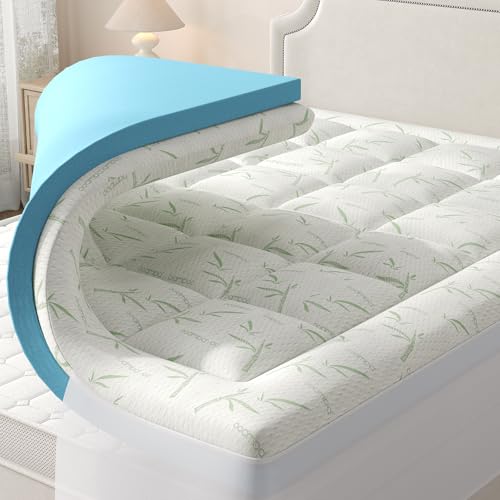
- 【Upgrade 2 In 1 Dual Layer Design】Combines a 2 inch cooling gel-infused...
- 【Relieve Pain & Contouring Support】This topper softens firm mattresses and...
- 【Ultra Cooling & Breathable】The innovative fiber pillowtop cover uses...
Common Causes of Mattress Topper Stains and Discoloration
Why your topper is discolored is crucial for effective cleaning. Stains typically fall into two main categories: biological and environmental. Each type requires a different cleaning strategy for the best results.
Biological Stains from Body Fluids and Oils
These are the most frequent culprits behind mattress topper stains. Nightly exposure to sweat, body oils, and dead skin cells creates a perfect environment for discoloration. Over time, this buildup can lead to yellowing and unpleasant odors.
- Sweat and Moisture: Perspiration soaks into the material, leaving salt deposits and creating dark, damp patches that can promote mildew.
- Body Oils: Natural oils from your skin transfer through sheets, gradually causing a yellowish stain that is often difficult to remove.
- Accidental Spills: This includes urine, vomit, or other bodily fluids that can cause immediate and severe staining if not treated promptly.
Environmental and Accidental Spills
Stains aren’t always from the body. Everyday accidents and environmental factors play a significant role. Quick action is essential to prevent these spills from becoming permanent.
- Food and Drink Spills: Coffee, wine, or sauces can quickly seep into the topper’s fibers, leaving a visible mark.
- Pet Accidents: Urine or muddy paws create stains and odors that require enzymatic cleaners to break down thoroughly.
- Dust and Mold: In humid environments, moisture trapped in a topper can lead to mold growth, appearing as black or green spots.
How to Clean a Stained Mattress Topper by Material Type
Cleaning your topper correctly depends on its core material. Using the wrong method can damage its structure and comfort. Always start by checking the manufacturer’s care label for specific instructions.
Cleaning a Memory Foam or Latex Topper
These materials are sensitive to excess moisture and harsh chemicals. The goal is to spot clean without fully saturating the foam, which can lead to mold inside the core.
- Blot and Vacuum: Blot fresh spills immediately with a clean cloth. Once dry, vacuum the entire surface to remove debris.
- Create a Gentle Cleaner: Mix a few drops of mild dish soap with cold water. Never use bleach or strong detergents.
- Apply and Blot Dry: Dampen a cloth with the solution, wring it out thoroughly, and gently dab the stain. Follow with a cloth dampened with plain water to rinse, then blot dry.
Cleaning Feather Down or Fiberfill Toppers
These plush toppers can often handle more moisture but require thorough drying. Clumping of the fill is a primary concern during the cleaning process.
- Surface Treatment: For small stains, use a mild upholstery cleaner. Test it on an inconspicuous area first to ensure colorfastness.
- Deep Cleaning Option: Some down toppers are machine washable. Use a front-loading washer on a gentle, cold cycle with a mild detergent.
- Critical Drying Step: Tumble dry on low heat with tennis balls to fluff the fill. Ensure it is completely dry to prevent mildew.
| Material | Key Cleaning Rule | Avoid This |
|---|---|---|
| Memory Foam | Minimal moisture, spot clean only | Soaking, heat, harsh chemicals |
| Latex | Similar to memory foam; gentle soap | Oil-based cleaners, machine washing |
| Feather Down | Check label; often machine washable | High heat drying without fluffing aids |
| Wool or Cotton | Often surface cleanable; some are machine washable | Bleach, which can weaken fibers |
Preventative Measures and Long-Term Topper Care
Preventing stains is easier than removing them. A simple protection strategy can significantly extend your mattress topper’s life and freshness. Consistent care maintains its comfort and hygiene for years.
Using a Mattress Protector as a Barrier
A high-quality mattress protector is your first and best line of defense. It creates a waterproof and breathable shield between your body and the topper. Look for protectors that are bedbug-proof and hypoallergenic for Complete protection.
- Fully Encasing Style: These zip around the entire topper, offering the most complete protection from spills, dust mites, and allergens.
- Fitted Sheet Style: These are easier to remove and wash regularly, providing a solid barrier against sweat and skin oils.
- Material Matters: Choose a protector made from cotton terry or bamboo for breathability, with a waterproof membrane like polyurethane underneath.
Establishing a Routine Maintenance Schedule
Regular upkeep prevents the deep-set grime that causes stubborn stains. This routine is simple but highly effective for maintaining a clean sleep surface.
- Weekly Air-Out: Strip your bed and let your topper air out for a few hours. This reduces moisture buildup and freshens the material.
- Monthly Vacuuming: Use your vacuum’s upholstery attachment to remove dust, dead skin cells, and allergens from the surface.
- Seasonal Deep Clean: Follow your material-specific cleaning guide for a thorough spot cleaning every three to four months, or as needed.
By combining a reliable protector with consistent care, you create a system that stops stains before they start. This proactive approach saves you time, money, and the hassle of deep cleaning.
When to Seek Professional Cleaning or Replacement
Not every stain can be handled at home. Recognizing when a problem is beyond DIY fixes can save your topper from irreversible damage. Professional intervention is sometimes the most cost-effective solution.
Signs You Need Professional Mattress Topper Cleaning
Certain conditions warrant calling in experts with specialized equipment. Professional cleaners use industrial-grade extraction tools and safe, potent cleaners that are not available to consumers.
- Large or Set-In Stains: If a stain covers a significant area or has been present for months, home methods may not penetrate deeply enough.
- Persistent Odors: Lingering smells from mold, mildew, or pet accidents indicate a deep-seated issue that requires professional-grade enzymatic treatments.
- Delicate or High-Value Materials: Specialty toppers like organic wool, silk, or high-density latex benefit from a professional’s precise knowledge and care.
Evaluating If Your Topper Needs Replacement
Sometimes, cleaning is not enough. A topper has a finite lifespan, and damage can compromise its support and hygiene. Consider these factors before investing in another cleaning.
| Consider Replacement If… | Consider Repair/Cleaning If… |
|---|---|
| The core is lumpy, misshapen, or no longer provides support. | Stains are surface-level and the topper still feels comfortable and even. |
| There is widespread mold growth or a persistent musty smell that returns after cleaning. | The issue is a recent, isolated spill or localized discoloration. |
| The topper is over 5-7 years old and shows significant wear, as materials degrade over time. | The topper is relatively new and the cost of professional cleaning is less than half the price of a new one. |
Making the right call depends on the topper’s age, the extent of damage, and its current comfort level. A professional cleaner can often provide an honest assessment to help you decide.
How to Remove Yellow Stains from a Mattress Topper
Yellow stains are typically caused by oxidized body oils and sweat. A gentle, targeted approach is needed to lift this discoloration without damaging the material.
- Create a Cleaning Paste: Mix hydrogen peroxide (3% solution) with a small amount of baking soda to form a thick paste. For colored fabrics, do a spot test first.
- Apply and Sit: Spread the paste thinly over the yellowed area and let it sit for up to an hour. Do not let it fully dry out.
- Blot and Rinse: Use a damp cloth to gently blot and lift the paste away. Follow with a water-only cloth to rinse the area, then blot thoroughly dry.
Can You Put a Mattress Topper in the Washing Machine?
This depends entirely on the topper’s material and construction. Machine washing can destroy some types while being perfectly safe for others.
- Usually Safe: Many feather down, polyester fiberfill, or thin cotton toppers have care labels that permit machine washing on a gentle, cold cycle.
- Almost Never Safe: Memory foam and latex toppers should never be machine washed. The agitation can break down the foam, and they will not dry properly, leading to mold.
- Check First: Always look for a manufacturer’s tag. If it says “spot clean only,” do not submerge or machine wash the topper.
Addressing stains quickly with the correct method is key. When in doubt, err on the side of gentler cleaning solutions and techniques to preserve your topper’s integrity.
Specialized Solutions for Tough Stains and Odors
Some stains require more than soap and water. Targeted treatments break down specific compounds like proteins, tannins, or biological matter. Using the right solution for the stain type is critical for success.
Removing Blood Stains from a Mattress Topper
Act quickly with cold water, as heat will set a blood stain permanently. The goal is to dissolve the proteins in the blood before they bind to the fibers.
- Blot with Cold Water: Immediately blot the stain with a cloth soaked in cold water. Never use warm or hot water at this stage.
- Apply a Enzyme Cleaner or Paste: Use a commercial enzyme cleaner designed for blood, or make a paste of cold water and meat tenderizer (which contains enzymes). Apply gently.
- Rinse and Repeat: Blot with a cold, wet cloth to rinse. If the stain persists, repeat the process. Allow the area to air dry completely.
Eliminating Urine or Pet Accident Stains and Smells
These stains are challenging because they leave both a mark and a persistent odor. You must neutralize the uric acid crystals to fully remove the smell.
- Blot Up Excess Liquid: Press down firmly with absorbent towels to pull up as much moisture as possible.
- Use an Enzymatic Cleaner: This is non-negotiable for urine. Enzymatic cleaners biologically break down the odor-causing molecules that soap cannot touch.
- Soak and Dry Thoroughly: Apply the enzymatic cleaner according to the label, allowing it to soak into the stain area. Complete, air-assisted drying is essential to prevent mildew.
| Stain Type | Primary Cleaning Agent | Key Rule |
|---|---|---|
| Wine or Coffee | Cold water & dish soap, followed by a vinegar/water mix | Blot, don’t rub, to prevent spreading. |
| Mold or Mildew | White vinegar or diluted rubbing alcohol | Ensure the topper is completely dry after treatment to prevent regrowth. |
| Ink | Rubbing alcohol (isopropyl alcohol) applied with a cotton swab | Test on a hidden area first, as alcohol can damage some fabrics. |
Patience is vital with tough stains. Multiple, gentle applications are more effective than one aggressive scrubbing session, which can damage the topper’s surface.
Choosing the Right Mattress Topper for Easy Maintenance
If you’re purchasing a new topper, considering future cleaning can save you headaches. Some materials are inherently more stain-resistant and easier to care for than others. This foresight is a key part of long-term ownership.
Most Low-Maintenance and Stain-Resistant Materials
Certain topper materials are designed to repel liquids and resist daily wear. These options are ideal for households with children, pets, or individuals concerned about allergies.
- Bamboo or Tencel Lyocell Covers: These natural fibers are moisture-wicking, antimicrobial, and often come with inherent stain resistance. They feel cool and are easy to spot clean.
- Wool Toppers: Wool is naturally moisture-wicking, dust-mite resistant, and odor-resistant. It often requires only airing out and occasional surface cleaning.
- Latex with a Removable Cover: A natural latex core paired with a zip-off, machine-washable cover offers the best of both worlds: durable support and easy cleaning.
Features to Look for in an Easy-Clean Topper
Beyond the core material, specific construction features make maintenance significantly simpler. Prioritize these elements during your shopping research.
- Removable, Machine-Washable Cover: This is the single most important feature for easy maintenance. A zip-off cover you can wash weekly prevents stains from reaching the core.
- Water-Resistant or Barrier Layer: Some toppers have an integrated waterproof layer beneath the fabric top, providing an extra line of defense against spills.
- CertiPUR-US® or OEKO-TEX® Certification: These certifications indicate the foam or fabric is made without harmful chemicals, which often means the materials are more stable and easier to clean safely.
Investing in a topper designed for easy care from the start reduces long-term effort. A removable cover alone can transform the cleaning process from a daunting chore into a simple laundry task.
Best Mattress Toppers for Easy Cleaning and Stain Prevention
Choosing a topper designed for easy maintenance can prevent future staining issues. These recommended options feature removable covers or durable materials that simplify care. Investing in the right product saves time and effort in the long run.
SINWEEK Mattress Topper Twin XL – Best with Removable Cover
This topper excels in easy maintenance with its machine-washable, bamboo-derived cover. The cooling gel memory foam core is protected from spills, and the cover’s natural fibers resist stains and odors. A practical choice for simple upkeep.

- GEL MEMORY FOAM MATERIAL: Our memory foam mattress topper readily conforms to...
- MORE COMFORTABLE SLEEP: The gel memory foam material used in our mattresses...
- SOFT BUT NOT FOLDABLE: our mattress is soft, do not roll up and store too long...
Zalmureta 4 Inch Dual Layer Memory Foam Mattress Topper – Best for Deep Comfort & Protection
Featuring a 4-inch dual-layer design with a removable, quilted mattress pad, this topper offers plush support and easy cleaning. The thick pad acts as a barrier, and its washability makes managing accidents and stains straightforward.
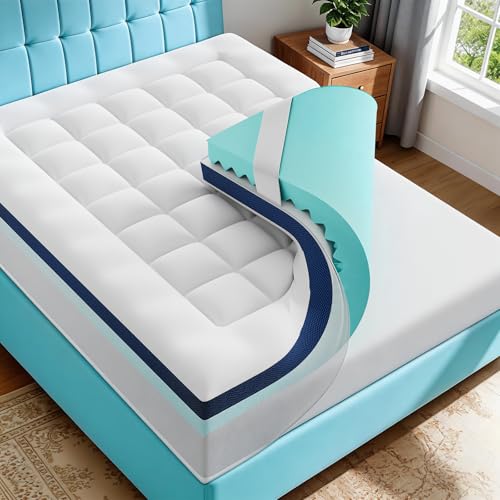
- 【4-Inch Dual-Layer Design】Our mattress topper features a 2-inch cooling...
- 【Breathable Design】This mattress topper is designed with Cold Gel Memory...
- 【Effective Body Support】Our mattress topper are ergonomically designed with...
BEDLORE King Mattress Topper – Best Cooling & Hypoallergenic Option
Ideal for hot sleepers, this topper uses breathable, hypoallergenic materials that resist moisture and allergens. Its construction promotes airflow to reduce sweat-related staining, and the surface is designed for simple spot cleaning.

- 【Premium Quality】Experience ultimate comfort with our pillow top mattress...
- 【Breathable Design】 Stay cool and cozy all night with the king bed mattress...
- 【Enhanced Comfort】 Upgrade your sleep with this luxurious and durable king...
Conclusion
Managing mattress topper stains effectively requires identifying the cause, using the correct cleaning method for your material, and implementing preventative measures. From spot cleaning memory foam to washing removable covers, the right approach preserves your comfort and investment.
The main point is that prevention, through a quality mattress protector and regular maintenance, is far simpler than stain removal. With consistent care, you can enjoy a fresh, clean, and supportive sleep surface for years to come.
Frequently Asked Questions about Why Your Topper Is Staining And How To Fix It
Why does my mattress topper turn yellow?
Yellow stains are primarily caused by the oxidation of body oils and sweat over time. These substances seep through your sheets and gradually react with the air and materials in your topper.
This process is natural but can be slowed significantly. Using a mattress protector creates a crucial barrier, and regular airing out of your topper helps reduce moisture and oil buildup.
Can I use bleach to clean my mattress topper?
It is not recommended to use bleach on most mattress toppers. Bleach is a harsh chemical that can break down foam materials, weaken fabric fibers, and cause discoloration.
Instead, opt for gentle cleaners like diluted dish soap, white vinegar, or hydrogen peroxide for whitening. Always test any cleaner on a small, inconspicuous area first to check for damage.
How often should I clean my mattress topper?
For routine maintenance, vacuum your topper monthly and air it out weekly when you change your sheets. This removes dust, skin cells, and moisture that contribute to stains and odors.
A deeper spot clean should be performed every three to four months, or immediately after any spills or accidents. Always follow the cleaning instructions specific to your topper’s material.
What is the best way to dry a memory foam topper after cleaning?
Never put a memory foam topper in a clothes dryer, as the heat can damage it. After spot cleaning, blot the area vigorously with dry towels to absorb as much moisture as possible.
Then, air dry the topper flat in a well-ventilated room, using fans to circulate air. Flip it periodically to ensure both sides dry completely and prevent mold growth inside the foam.
Are some mattress topper materials more stain-resistant than others?
Yes, materials with natural properties like wool and bamboo are more resistant to moisture, odors, and stains. Wool naturally wicks away moisture, while bamboo has antimicrobial qualities.
The most practical feature for stain prevention is a removable, machine-washable cover. This allows you to clean the protective layer regularly without ever wetting the core support material.
When is it time to replace a stained mattress topper instead of cleaning it?
Consider replacement if the topper has deep, set-in stains accompanied by persistent odors or mold. If the core material is lumpy, misshapen, or no longer provides support, cleaning will not restore comfort.
Also, if the topper is over 5-7 years old and heavily soiled, investing in a new one with better protection features is often more cost-effective than repeated professional cleanings.