
Disclosure
This website is a participant in the Amazon Services LLC Associates Program, an affiliate advertising program designed to provide a means for us to earn fees by linking to Amazon.com and affiliated sites.
Is your mattress topper constantly bunching up or sliding off the bed? This frustrating problem can ruin your sleep and damage your bedding investment. A secure topper is essential for comfort and support every night.
The primary culprit is usually a lack of friction between the topper and the mattress surface. Slick materials like memory foam or bamboo covers slide easily on standard fitted sheets, creating a nightly battle to keep everything in place.
Is Your Mattress Topper Constantly Bunching Up, Ruining Your Sleep Night After Night?
That frustrating slide and shift is often caused by a lack of grip. This premium Tempur-Pedic topper features a non-slip, stretch-knit skirt that grips your mattress securely on all sides, preventing movement. Its adaptive memory foam also conforms to your body, eliminating the gaps that cause slippage.
For a truly secure and transformative upgrade: Tempur-Pedic TEMPUR-Adapt + Cooling 3-Inch Twin XL Mattress Topper

- COOLING 3-INCH TWIN XL TOPPER: TEMPUR-Adapt + Cooling topper is ideal for...
- SOFTEST TEMPUR MATERIAL: 3-inches of exclusive TEMPUR-ES Material precisely...
- WASHABLE COOLING COVER: Premium knit cooling cover provides cool-to-the-touch...
Common Causes of a Slipping Mattress Topper
A sliding mattress topper is rarely due to a single issue. The root causes is the first step to a permanent fix. The problem typically stems from material combinations and bed setup.
Material Incompatibility and Surface Friction
Certain materials naturally slide against each other, creating a low-friction surface. This is the most frequent reason for a topper that won’t stay put. The slicker the materials, the more movement you will experience.
- Memory Foam on Polyester Sheets: Memory foam has a smooth, dense surface that glides easily on standard, silky-feeling polyester or sateen sheets.
- Bamboo or Tencel Covers: These popular, cooling fabrics are often very smooth, offering little grip against the mattress below.
- Quilted Topper Backing: Many toppers have a thin, non-slip backing that wears out or is insufficient for heavier foam models.
Incorrect Sizing and Poor Fit
Even a grippy topper will slide if it’s not the right size for your bed. A poor fit leaves excess material that can shift and bunch. Always check the exact dimensions before purchasing.
For example, a “Full” size topper on a “Full XL” mattress will be too short, causing it to creep up or down. Similarly, a deep-pocket topper on a thin mattress will have loose fabric that easily moves. Measure your mattress height, width, and length precisely.
Lack of Proper Anchoring
Most mattress toppers are not designed with secure attachment points. They simply sit on top of your mattress, relying on friction and weight alone. Without a dedicated anchoring system, any movement during sleep can displace them.
This is especially true for adjustable beds or for people who change positions frequently. The constant motion gradually works the topper out of place. Effective solutions add a physical connection between the topper and the mattress.
Choosing the Right Non-Slip Products for Your Topper
Not all anti-slip solutions are created equal. Selecting the best product depends on your topper’s material, thickness, and your personal preferences. This comparison will help you make an informed purchase.
Comparing Mattress Pads, Sheets, and Grippers
Different products offer varying levels of security and convenience. Your choice impacts both effectiveness and bed comfort. Consider how each option integrates with your existing bedding.
| Product Type | Best For | Key Consideration |
|---|---|---|
| Rubber-Backed Mattress Pad | All topper types, especially memory foam | Can be warm; ensure it’s breathable. |
| Fitted Sheet with Gripper Corners | Lightweight toppers and featherbeds | May not provide enough hold for thick foam. |
| Elastic Topper Straps/Suspenders | Heavy toppers and adjustable beds | Requires lifting the mattress to install. |
Key Features to Look For
When shopping for a non-slip solution, prioritize these features for long-term success. Quality materials and design prevent the problem from recurring. Avoid cheap options that may lose grip after washing.
- Breathable Material: Look for pads made with cotton, bamboo, or cooling gel infusions to prevent heat buildup, especially under memory foam.
- Deep Pocket Design: Ensure the pad or sheet has pockets deep enough to accommodate your combined mattress and topper height.
- Washable and Durable: The grip should survive multiple machine washes. Silicone dots often last longer than rubber coatings.
Installation for Maximum Effectiveness
Proper installation is crucial for any product to work. A poorly fitted pad or strap will not solve the sliding issue. Follow these steps to ensure a secure hold.
- Strip the Bed: Remove all bedding, including the topper and fitted sheet.
- Lay the Base Layer: Smooth the non-slip pad or protector directly onto the bare mattress.
- Add the Topper: Center your topper perfectly on top of the pad.
- Secure Corners: If using straps, hook them onto the topper’s corners and tighten under the mattress.
- Finish with Sheets: Put a deep-pocket fitted sheet over everything, pulling it taut.
Preventative Measures and Long-Term Maintenance
Preventing your topper from sliding is easier than fixing it repeatedly. Simple habits and regular checks can maintain a secure, comfortable sleep surface. Consistent care extends the life of both your topper and your bedding.
Daily and Weekly Bed-Making Habits
How you make your bed each day significantly impacts topper movement. A few extra seconds during your routine can prevent nightly slippage. The goal is to keep all layers taut and aligned.
- Tuck and Smooth: Each morning, smooth the topper from the center outward to eliminate wrinkles and bunching before putting on sheets.
- Use a Top Sheet: A flat top sheet tucked tightly under the mattress can help anchor the layers beneath it, reducing independent movement.
- Weekly Realignment: When changing sheets, lift and recenter the topper on the mattress to correct any minor creeping that occurred during the week.
Routine Cleaning and Care Checks
Dirt, oils, and wear can reduce the friction of your bedding materials. A clean sleep environment helps maintain grip. Inspect your anti-slip products regularly for signs of wear.
Follow the manufacturer’s instructions for washing your non-slip pad or topper cover. Buildup of body oils and lotions on sheets can make fabrics slicker. Check the elastic on straps or suspenders every few months to ensure they haven’t stretched out.
When to Consider a New Topper or Mattress
Sometimes, persistent sliding indicates a larger issue with your sleep setup. If fixes fail, the problem may be with the topper or mattress itself. Consider these signs that it’s time for a replacement.
An old, lumpy mattress provides an uneven surface that no topper can grip properly. If your topper has lost its original structure and compresses too easily, it will shift more. Very thin or poorly constructed toppers often lack the weight and integrity to stay in place, regardless of other solutions.
Will a Heavier Mattress Prevent Topper Sliding?
A heavier mattress alone is not a reliable solution. While weight can add some stability, the primary issue is surface friction, not mass. A slick topper will still slide on a heavy mattress if the materials are incompatible.
Focus instead on creating a high-friction interface. A non-slip mattress pad is far more effective than simply adding weight. For adjustable beds, where the surface angle changes, physical straps are essential regardless of mattress weight.
How Do I Keep a Topper from Sliding on an Adjustable Bed?
Adjustable beds present the biggest challenge due to constant movement. Standard friction-based methods often fail here. You need a system that physically connects the topper to the moving mattress surface.
- Mattress Topper Straps: Use heavy-duty, extra-long elastic straps that hook under the entire mattress frame, not just the mattress.
- Anchor Kits: Look for adjustable bed-specific anchor kits with strong clips and Strong elastic designed for repeated movement.
- Layer and Lock: Place a grippy pad down first, then the topper, and finally use a deep-pocket sheet to tightly encase both layers before raising the bed.
Are There DIY Home Remedies That Work?
Yes, several effective DIY solutions use common household items. These are great for a quick, low-cost fix before you buy a dedicated product. Their effectiveness can vary based on your specific materials.
- Rug Gripper or Shelf Liner: Cut a piece of mesh rug gripper or rubberized shelf liner to fit under your topper. This adds instant grip.
- Safety Pins or Stitching: Carefully safety pin the corners of the topper to your fitted sheet beneath. For a permanent fix, hand-stitch fabric ties or loops to the topper corners.
- Double-Sided Tape: Use strips of strong, fabric-friendly double-sided tape between the mattress and topper. Test in a small area first to ensure it doesn’t damage materials.
Product Recommendations and Where to Buy
Choosing a reliable product is key to solving your topper sliding issues for good. We’ve compiled options based on effectiveness, value, and specific use cases. These recommendations are based on common user reviews and material performance.
Top-Rated Non-Slip Mattress Pads
A high-quality pad is the foundation of a secure sleep setup. These pads are designed to stay in place while adding comfort. Look for breathable materials to avoid sleeping hot.
- Luna Premium Anti-Slip Mattress Pad: Features a full silicone dot backing for maximum grip and is made with cooling, breathable cotton. Ideal for memory foam toppers.
- SafeRest Premium Mattress Protector: While primarily waterproof, its fitted skirt and terry cotton surface provide excellent friction to hold a topper in place.
- Pure Care Classic Cotton Mattress Pad: A simple, quilted cotton pad with deep pockets and a textured bottom that increases surface grip effectively.
Best Mattress Topper Straps and Suspenders
For a direct, mechanical hold, these straps are the most effective solution. They are essential for thick toppers and adjustable beds. Ensure they are long enough to go under your mattress and provide strong tension.
| Product | Best Feature | Ideal For |
|---|---|---|
| Bed Band XL Mattress Topper Straps | Extra-long, heavy-duty elastic with secure metal hooks | Deep mattresses and king/cal king sizes |
| Linenspa 4-Piece Topper Fasteners | Simple, adjustable clip design; easy to install | Standard mattress depths and lightweight toppers |
| Dreamzie Bed Sheet Suspenders | Multi-clip system that can secure both sheets and topper layers | Combating multiple layers of shifting bedding |
Where to Find These Solutions
These products are widely available from both online retailers and brick-and-mortar stores. For the best selection and reviews, major online marketplaces are a great starting point. Always check the return policy in case the product doesn’t meet your needs.
Amazon, Walmart, and Target offer a vast range of options with user reviews. For specialty bedding, check retailers like Bed Bath & Beyond, Mattress Firm, or direct manufacturer websites like Slumber Cloud or Tempur-Pedic for compatible accessories.
Troubleshooting Persistent Sliding Issues
If you’ve tried standard fixes and your topper still won’t stay put, a deeper issue may be at play. Advanced troubleshooting can identify and solve less obvious problems. This systematic approach will help you diagnose the root cause.
Diagnosing the Problem Step-by-Step
Follow this process to isolate why your specific setup is failing. Start by stripping your bed back to the basic components. Test each layer individually to find the weak point in your system.
- Remove All Bedding: Take off sheets, protectors, and the topper. Start with a bare mattress.
- Test the Mattress Surface: Feel the mattress cover. Is it a slick vinyl or polyester? This may be the primary slippery surface.
- Add the Topper Alone: Place just the topper on the bare mattress. Does it slide easily? This tests the core material compatibility.
- Introduce Solutions One by One: Add your non-slip pad, then straps, then sheets separately, testing stability after each step.
When Standard Solutions Aren’t Enough
Some scenarios require more creative or reinforced approaches. Standard products may be insufficient for extreme cases. Combining multiple methods often creates the necessary hold.
- For Extremely Thick or Heavy Toppers: Use two sets of crossing straps in an “X” pattern under the mattress for distributed hold.
- If the Mattress Cover is Vinyl: Cover the entire mattress first with a grippy, fitted mattress encasement to create a new, high-friction surface.
- For Toppers with No Corner Tabs: Sew on durable fabric loops or ribbons at all four corners to provide anchor points for straps.
Considering a Professional or Custom Solution
In rare cases, a custom modification may be the only answer. This is typically for expensive or specialty bedding where standard products don’t fit. A local upholsterer or tailor can often provide a permanent fix.
They can sew a non-slip fabric like suede cloth or silicone-infused material directly onto the bottom of your topper. For a split king adjustable bed, they can create a custom-fitted topper cover with built-in anchor points. Always get a quote and check references before proceeding with custom work.
Best Mattress Toppers with Secure, Non-Slip Design
Choosing a topper designed to stay in place can prevent sliding issues from the start. These recommended models feature thoughtful construction that enhances stability. They are ideal for sleepers seeking comfort without nightly adjustments.
BEDLORE Queen Mattress Topper – Best Overall Secure Fit
This topper combines cooling gel memory foam with a breathable bamboo cover and anti-slip bottom. The reinforced corner elastic straps are a standout feature, providing built-in anchoring to keep the topper perfectly aligned on your mattress.
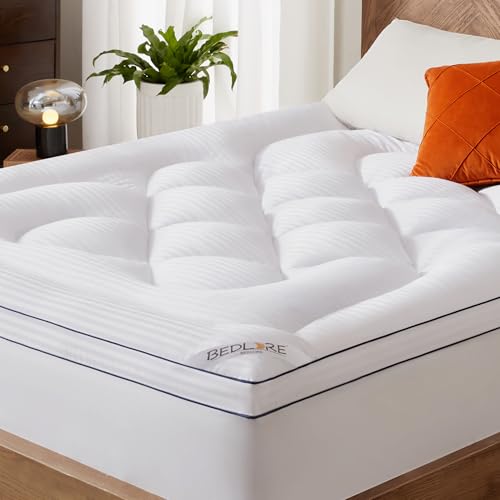
- Improve Sleep Quality: Use polyester fabric and extra thick filler, improve...
- Ultra Soft Improves Comfort: Conforms to the curves and shapes of the body...
- Deep Pocket Design: Elastic deep pockets can accommodate mattresses 6-18 inches...
NicePlus Dual Layer 4 Inch Memory Foam Mattress Topper – Best for Pressure Relief
Featuring a dual-layer design with responsive foam and a plush knit cover, this topper offers deep comfort. The fitted skirt with full elastic edging helps it grip the mattress securely, minimizing movement during sleep.
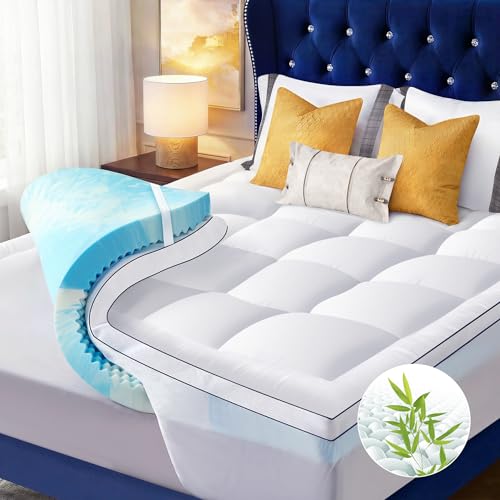
- 2-in-1 Double-Layer Mattress Topper: Featuring a dual-layer structure, designed...
- Relieves Pain & Supports Restful Sleep: The soft mattress topper bottom features...
- Cooling & Breathable: The 4 inch mattress topper fabric contains 40% Viscose...
Lucid 4 Inch Memory Foam Mattress Topper – Best Value Option
A popular, affordable choice, this topper is made with certified foam and includes a removable, washable cover. Its deep pockets and substantial weight help it stay in place better than many thinner, lighter alternatives on the market.
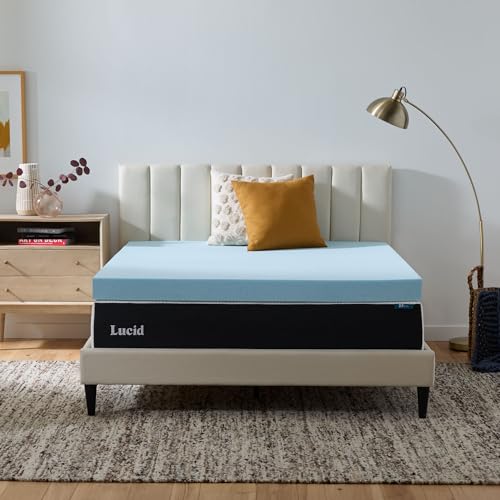
- ULTRA PLUSH FEEL – Lucid memory foam mattress toppers are designed to enhance...
- COOLER SLEEP: Cooling gel is infused in the memory foam to help regulate your...
- CHOOSE YOUR SIZE: 2-inch profile adds a soft layer of support to any mattress...
Conclusion
A sliding mattress topper disrupts sleep and damages your bedding. The problem is almost always caused by low friction between materials or a poor fit, not by the weight of the topper itself.
You can fix it quickly with a non-slip pad or securing straps. For a permanent solution, combine these methods with proper bedding habits. A secure topper ensures you get the full comfort and support you paid for every single night.
Frequently Asked Questions about Why Your Topper Is Sliding Down And How To Fix It Fast
What is the fastest way to stop my mattress topper from sliding tonight?
The quickest temporary fix is to use large safety pins or binder clips to attach the corners of your topper to your fitted sheet underneath. Alternatively, place a rubberized shelf liner or a non-slip rug pad between the mattress and topper for instant grip.
For a more permanent solution you can implement immediately, order a set of elastic mattress topper straps online. They often deliver quickly and provide a reliable, long-term hold by anchoring the topper directly to the mattress.
Do mattress topper straps damage your mattress?
No, high-quality mattress topper straps are designed not to damage your mattress. They use wide, elastic bands and smooth hooks or clips that distribute pressure evenly. Avoid using thin cords or bungee straps with metal hooks that could tear the fabric.
To be extra safe, you can place a small piece of felt or fabric under the strap hooks where they contact the underside of the mattress. This protects the mattress cover from any potential abrasion over time.
Why does my memory foam topper slide more than other types?
Memory foam has a dense, smooth surface that creates very little friction against standard mattress covers or sheets. Its material is inherently slippery, especially when new. The weight of the foam can also cause it to shift in large sections once it starts moving.
This is why memory foam often requires the strongest anchoring solutions. Combining a non-slip pad underneath with over-the-top straps is the most effective strategy for keeping a memory foam topper securely in place.
Can I sew a non-slip material onto my topper myself?
Yes, this is a viable DIY project if you have basic sewing skills. You can hand-stitch or use a sewing machine to attach panels of suede cloth, silicone-dotted fabric, or even sections of a non-slip rug pad to the bottom of your topper cover.
Focus on securing material at the four corners and along the centerline for the best results. Ensure you only sew through the topper’s cover and not into the foam interior to avoid damaging the comfort layers.
How often should I replace a non-slip mattress pad?
Replace your non-slip pad when you notice a decrease in grip, even after washing, or if it becomes torn or misshapen. With proper care, a good quality rubber or silicone-backed pad should last 2-3 years with regular use and washing.
Signs it’s time for a replacement include visible wear on the grippy dots, stretched-out elastic corners, or a permanent loss of elasticity. Washing according to label instructions helps maintain its effectiveness for longer.
Will a mattress protector help keep my topper from sliding?
It depends on the protector. A standard, smooth polyester protector may make sliding worse. However, a protector with a quilted, textured top surface or a fitted skirt with a grippy underside can significantly improve stability.
Look for protectors specifically marketed as “non-slip” or “gripping.” These often have silicone beads or a rubberized backing designed to hold both the mattress and the topper firmly in place, solving two problems at once.