
Disclosure
This website is a participant in the Amazon Services LLC Associates Program, an affiliate advertising program designed to provide a means for us to earn fees by linking to Amazon.com and affiliated sites.
Discovering your mattress topper is shedding can be frustrating and messy. This common issue affects comfort and can shorten the lifespan of your bedding investment.
Shedding often stems from material quality, construction methods, or improper care. The root cause is the first step to an effective and lasting solution.
Is Your Mattress Topper Leaving a Trail of Debris and Ruining Your Sleep?
Constant shedding from a cheap foam topper creates a mess, degrades comfort, and can trigger allergies with dust and fibers. The Sleep On Latex topper solves this with a solid, durable core of 100% natural latex that doesn’t flake or crumble, providing lasting support and a clean, hypoallergenic sleep surface.
For a durable, shed-free solution, we recommend: Sleep On Latex Pure Green Natural Latex Mattress Topper
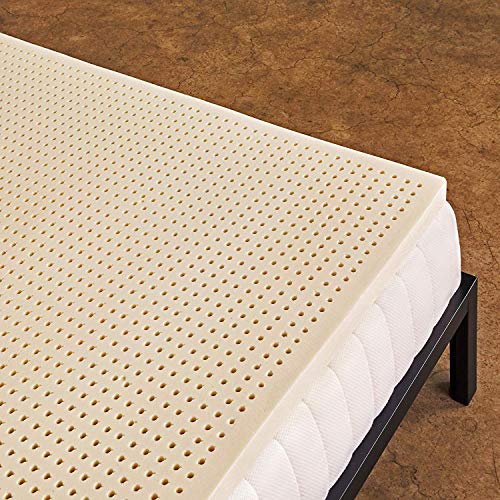
- Soft - Great for Adding Softness to the Surface of a Mattress
- Adjusts to Your Body Instantly - Latex Foam Naturally Stays Cool
- Made of Natural Latex Harvested from Organically Grown Rubber Trees
Primary Causes of Mattress Topper Shedding and Fiber Loss
Why your topper is losing material is crucial for finding the right fix. The shedding problem typically originates from a few key areas related to materials and use.
Material Quality and Construction Flaws
Low-quality materials are the most common culprit behind a shedding mattress topper. Budget options often use shorter, weaker fibers that easily break and escape the cover.
- Fiber Fill Density: A low fill weight means fewer fibers are packed in, leaving more room for movement and escape through fabric seams.
- Fabric Weave Tightness: A loosely woven cover acts like a sieve, allowing tiny fibers to pass through with every movement you make in bed.
- Stitching and Seam Integrity: Poorly finished seams are weak points where filling can readily poke through and eventually break free.
Improper Care and Maintenance Habits
Even a well-made topper can shed if it is not cared for correctly. Aggressive cleaning and incorrect handling accelerate fiber degradation.
Washing a non-machine-washable topper is a primary error. The agitation in a washing machine can shred delicate fillings like wool, down, or low-quality foam. Similarly, using harsh detergents or high heat in a dryer can break down fibers.
- Always check the manufacturer’s care label first.
- Use a gentle, protective topper cover as a first line of defense.
- Spot clean spills immediately instead of subjecting the entire topper to moisture.
Natural Wear and Tear Over Time
All bedding materials degrade with regular use. Friction from body movement, pressure from sleeping in the same spots, and general compression weaken the topper’s structure.
This is especially true for natural fills like feather or down, which can develop quill pokes. For memory foam or latex, shedding may appear as crumbling or dust, indicating the material is breaking down.
How to Stop a Mattress Topper from Shedding Immediately
If your topper is currently shedding, you need practical steps to contain the mess. These immediate fixes can prevent further fiber loss and extend usability.
Quick Containment and Cleaning Methods
First, address the loose fibers on the topper and your bed. A vacuum cleaner with an upholstery attachment is your best tool for this task.
- Gently vacuum the entire surface of the topper to remove loose, shedding fibers.
- Use a lint roller or packing tape wrapped around your hand to pick up stubborn particles.
- Wash your sheets and any mattress protector to remove transferred fibers from the sleep surface.
Using a Protective Encasement or Cover
The single most effective step is to fully encase the topper. A high-quality, zippered mattress protector designed for toppers will trap all fibers inside.
Look for a protector with a tightly woven, barrier fabric like cotton-polyester blend or bamboo. This creates a physical block, preventing any fill from escaping while still being breathable for sleep comfort.
- Fully Encasing Style: A zippered cover that seals the entire topper is more effective than a simple fitted pad.
- Waterproof Bonus: Many quality protectors are also waterproof, adding a layer of spill and stain protection.
- Easy to Clean: You can regularly wash the protector, which is far easier than cleaning a shedding topper itself.
Repairing Minor Damage to Prevent More Shedding
Inspect your topper for specific damage points like torn seams or small holes. Repairing these spots can stop a localized shedding problem from worsening.
For small holes or seam gaps, use a needle and strong thread to stitch them closed. For larger issues, a fabric patch or even a dedicated iron-on repair tape for bedding can create a durable seal.
Choosing a Non-Shedding Mattress Topper for Future Purchases
If shedding is a recurring issue, selecting the right topper from the start is key. Certain materials and construction features are inherently more resistant to fiber loss.
Best Mattress Topper Materials That Resist Shedding
Material choice is the primary factor in long-term durability. Solid foam and latex options typically do not shed fibers at all.
- Solid Memory Foam or Latex: These are monolithic slabs, not loose fill, so there are no fibers to escape. They may degrade over many years but won’t create daily mess.
- High-Density Wool: Quality, felted wool toppers have tightly matted fibers that are less prone to breaking loose compared to cheap fiberfill.
- Bamboo or Tencel Covers: Toppers with covers made from these smooth, long-staple fibers have a tighter weave that effectively contains the fill inside.
Key Construction Features to Look For
Beyond material, how the topper is built determines its integrity. Superior construction directly combats the common causes of shedding.
Look for features like double-stitched seams and internal baffle boxes or channels. These keep the filling evenly distributed and prevent it from migrating to weak spots in the seams.
| Feature | Benefit for Shedding |
|---|---|
| Gusseted Edges | Prevents fill from compressing at seams and poking through. |
| High Thread Count Cover (250+) | Creates a denser barrier that fibers cannot penetrate. |
| Certified Quality Standards (e.g., CertiPUR-US® for foam) | Ensures material durability and performance claims are verified. |
Evaluating Brand Reputation and Warranty
Investing in a reputable brand often means better quality control. Read customer reviews specifically mentioning “shedding” or “durability” over time.
A strong warranty is a good indicator of a company’s confidence in its product. A warranty of 3 years or more suggests the manufacturer expects the topper to hold up structurally, which includes resisting premature fiber loss.
Long-Term Care Routine to Prevent Topper Shedding
Proper maintenance is essential for preserving your topper’s integrity. A consistent care routine minimizes wear and keeps filling securely in place for years.
Correct Washing and Drying Instructions
Always follow the manufacturer’s label exactly. Improper cleaning is a leading cause of accelerated shedding and material breakdown.
For machine-washable toppers, use a gentle cycle with cold water and a mild detergent. Avoid bleach or fabric softeners, as they can degrade fibers. Air drying flat is ideal, but if using a dryer, select the lowest heat setting or air-fluff cycle.
- Use a large, commercial washer for bulky items to allow proper movement and rinsing.
- Add a few clean tennis balls to the dryer to help fluff the filling evenly.
- Ensure the topper is completely dry before putting it back on the bed to prevent mildew.
Regular Rotation and Maintenance Schedule
Rotating your topper prevents consistent pressure on the same areas. This simple step distributes wear evenly and prevents weak spots from forming.
- Rotate your topper 180 degrees (head to foot) every 2-3 months.
- If it’s a two-sided model, flip it over according to the same schedule.
- Vacuum the surface with an upholstery attachment during each sheet change to remove dust and debris.
When to Repair vs. Replace a Shedding Topper
Assess the severity of shedding to decide on the best course of action. Minor, contained shedding can often be managed, but significant loss indicates replacement time.
Consider repair if shedding is isolated to a single torn seam or small hole that you can effectively patch. If the topper has developed lumps, significant flat spots, or the filling is visibly degrading throughout, replacement is the more hygienic and comfortable option. A topper that causes allergic reactions due to excessive dust or fibers should be replaced immediately.
Is a Shedding Mattress Topper Dangerous or Unhealthy?
For most people, a shedding topper is a nuisance, not a direct health hazard. The primary concerns are related to air quality and potential allergies.
Inhaled fibers can irritate airways, especially for those with asthma or sensitivities. Low-quality memory foam dust may contain off-gassed chemicals. Using a high-quality, allergen-proof encasement effectively mitigates these risks by containing all particles.
Can I Return a Topper That Started Shedding?
Your return options depend entirely on the retailer’s policy and the warranty terms. Most companies require you to contact customer service within a specific window, often 30 to 100 days.
- Check the Warranty: Look for clauses covering “material defects” or “premature degradation.”
- Document the Issue: Take clear photos and videos showing the extent of the shedding.
- Contact the Seller: Provide your documentation and order details promptly to start a claim.
Why is My New Mattress Topper Shedding Immediately?
Immediate shedding on a new topper is almost always a sign of poor manufacturing quality. This is often called “initial shedding” or “loose fiber release.”
It typically means the cover’s weave is too loose or the internal fibers are short and poorly secured. While some minimal lint can be normal, excessive shedding from day one indicates a defective or very low-quality product. A thorough vacuuming may help, but a return is often the best solution.
Professional Solutions and When to Seek Help
For severe shedding problems, professional services or expert consultation may be necessary. Knowing when to call in a pro can save you time and ensure a proper fix.
Professional Cleaning and Restoration Services
Specialized upholstery and bedding cleaners have industrial equipment to deep clean a topper without causing damage. This service is ideal for high-value natural fills like wool or down.
They use powerful, yet gentle, extraction methods that remove embedded dirt and loose fibers a home vacuum cannot reach. This process can revitalize the fill and extend the topper’s life, provided the core material is still intact and the cover is salvageable.
- Search for “upholstery cleaning” or “mattress cleaning” services with specific topper experience.
- Ask about their methods and guarantees to ensure they won’t worsen the shedding.
- Consider cost versus replacement; professional cleaning is often worthwhile for premium toppers.
Consulting with the Manufacturer for Defects
If your topper is under warranty and shedding excessively, contact the manufacturer directly. They have the most knowledge about potential material or construction flaws in their specific product lines.
Be prepared to provide your purchase proof, model number, and detailed evidence of the issue. A reputable company may offer a repair, replacement, or refund if the shedding is deemed a manufacturing defect covered under their warranty terms.
Alternative Uses for a Severely Shedding Topper
When a topper is beyond practical repair for your bed, repurposing it can be a creative solution. This prevents immediate waste and can still provide comfort in other areas.
Cut it down to use as a comfortable kneeling pad for gardening. Alternatively, place it inside a durable, zippered cover to create a pet bed. For craft projects, the filling can be used to stuff pillows or cushions, provided it is contained within a high-quality, non-shedding fabric.
Investing in Quality for Long-Term Comfort
While a non-shedding topper may have a higher upfront cost, it pays off in durability and peace of mind. You avoid the recurring mess, replacement costs, and potential health irritants associated with low-quality, shedding products.
View your topper as a long-term investment in sleep health. Choosing a well-constructed product from a reputable brand, and caring for it correctly, ensures you get the comfort and support you paid for without the hassle of constant fiber cleanup.
Best Mattress Topper Recommendations to Prevent Shedding
Choosing a well-constructed topper is the ultimate solution to shedding. These three recommended options are known for their durable materials and solid construction.
DOWNCOOL 3 Inch Queen Mattress Topper – Best Cooling & Breathable Option
This gel-infused memory foam topper is a solid slab, eliminating loose fill shedding. It features a breathable bamboo cover and is designed for cooler sleep. The 3-inch profile provides substantial pressure relief without the mess of fiberfill.
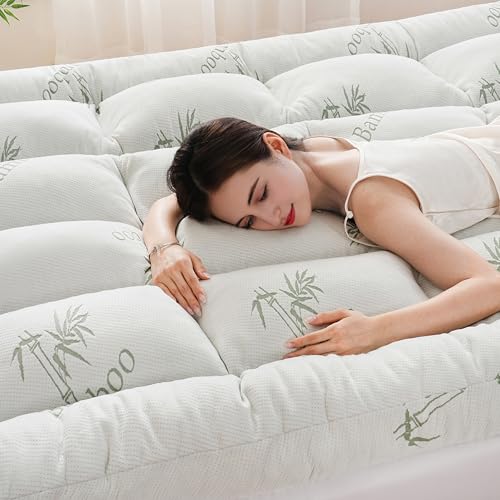
- Cooling Bamboo Viscose Top with 3D Air Layer: Made of 39% bamboo viscose and...
- Plush Pillow Top for Pressure Relief: Made with a thin gel memory foam layer and...
- Secure Deep Pocket Design: The elastic deep pocket skirt wraps around the...
SHOUREN 5 Inch Memory Foam Mattress Topper – Best for Maximum Plushness
For deep cushioning, this 5-inch thick solid foam topper adds significant softness. Its egg crate design enhances airflow, and as a single foam piece, it will not shed fibers. It’s ideal for renewing an extremely firm mattress.
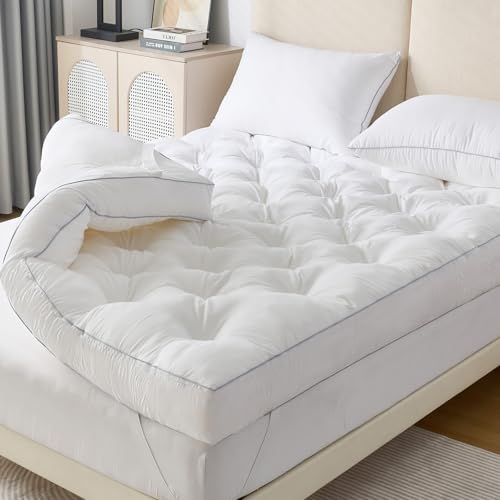
- 【5-Inch Extra Thick Comfort & Support】 SHOUREN mattress topper features a...
- 【Ergonomic Body-Contour Design】 Engineered to naturally fit your body...
- 【Upgraded 4-Way Elastic Anchor Straps】 Equipped with strong elastic straps...
Lucid 4 Inch Memory Foam Mattress Topper – Best Value & Proven Durability
A trusted, long-standing option, this 4-inch ventilated memory foam topper is CertiPUR-US® certified for durability. The solid foam construction and infused aloe vera make it a reliable, non-shedding choice that provides consistent comfort and support.
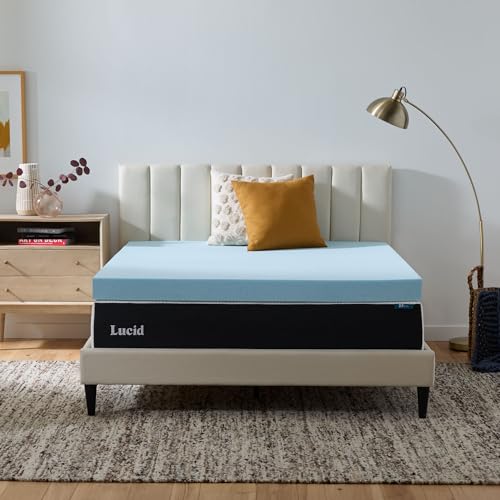
- ULTRA PLUSH FEEL – Lucid memory foam mattress toppers are designed to enhance...
- COOLER SLEEP: Cooling gel is infused in the memory foam to help regulate your...
- CHOOSE YOUR SIZE: 2-inch profile adds a soft layer of support to any mattress...
Conclusion
A shedding mattress topper is a common but fixable problem. The causes range from material quality and improper care to simple wear and tear over time.
You can effectively manage shedding with immediate containment, a protective cover, and proper maintenance. For a permanent solution, invest in a high-quality, solid-foam or well-constructed topper that is designed to last without creating a mess.
Frequently Asked Questions about Why Your Topper Is Shedding And How To Fix It Fast
How can I tell if my topper is shedding due to poor quality or normal wear?
Excessive shedding immediately after purchase indicates poor quality, often from a loose cover weave or short fibers. Normal wear appears gradually over years, with minor fiber loss concentrated in high-pressure areas.
If the topper develops lumps or flat spots alongside shedding, it’s a sign of material breakdown from age. Quality issues typically present as a constant, fine dust or lint from the very beginning of use.
Will washing my mattress topper make the shedding worse?
Washing can significantly worsen shedding if done incorrectly. Machine agitation and heat break down delicate fibers, causing them to shred and escape through seams.
Always check the care label first. For machine-washable models, use a gentle cycle with cold water and air dry. For non-washable toppers, spot cleaning and professional services are safer alternatives.
Is it safe to sleep on a mattress topper that is shedding?
For most people, it is a nuisance rather than an immediate health hazard. The primary risk is inhaling loose fibers, which may irritate allergies, asthma, or sensitive airways.
Using a fully encasing, allergen-proof mattress protector completely contains the fibers, making it safe to continue use. If shedding is severe or causes respiratory issues, replacement is the best course of action.
Can I permanently fix a topper that has started shedding?
You can manage and significantly reduce shedding, but you cannot permanently re-bond loose fill that has degraded. The most effective permanent fix is to fully encase the topper in a high-quality, zippered protector.
This solution traps all existing and future loose particles inside. For small holes or torn seams, stitching or patching can stop localized shedding, but overall material breakdown cannot be reversed.
What is the difference between shedding from memory foam vs. Fiberfill toppers?
Fiberfill or feather toppers shed actual loose fibers or feathers through the fabric. Memory foam toppers “shed” as they age by crumbling into a fine dust, which is the foam material itself breaking down.
Foam dust is often a sign of very old or low-density foam. Both types of shedding are contained the same way: with a tightly woven, protective mattress cover that acts as a barrier.
How often should I replace a mattress topper to avoid shedding problems?
A high-quality topper should last 3 to 5 years with proper care before showing significant wear. If you notice increased shedding, lumps, or loss of support before then, it may be defective or of poor quality.
Replacement timing depends on material and usage. Solid foam and latex toppers generally have longer lifespans than fiberfill. Consistent, proper maintenance like using a protector and rotating the topper can extend its life.