
Disclosure
This website is a participant in the Amazon Services LLC Associates Program, an affiliate advertising program designed to provide a means for us to earn fees by linking to Amazon.com and affiliated sites.
A sagging mattress topper ruins your sleep and can lead to back pain. The causes is the first step to restoring comfort and support.
Common culprits include improper support from the mattress below and the natural breakdown of materials over time. Even high-quality toppers will eventually lose their shape with regular use.
Is Your Mattress Topper Creating an Uncomfortable Valley Instead of a Supportive Cloud?
A sagging topper ruins sleep by failing to support your body, leading to aches and poor rest. The COONP King Mattress Topper solves this with its high-density, resilient foam that resists permanent impressions, providing consistent, contouring support night after night to eliminate the sag and restore comfort.
For restoring proper support and comfort, we suggest: COONP King Mattress Topper

- 1.Extra Thick and Luxury Comfort: Drift into a sounder, deeper sleep on this...
- 2.Cool and Breathable: The top surface features good ventilation and distributes...
- 3.Elastic Deep Pocket: Elastic deep pocket will wrap mattress(8-21") tightly. It...
Common Causes of a Sagging Mattress Topper
Why your topper is losing its shape is crucial for finding the right fix. Several factors, from your bed frame to your body weight, can contribute to this problem. Identifying the root cause will save you time and money.
Inadequate Mattress Support
A mattress topper cannot perform well on a weak foundation. If your underlying mattress is old or sagging itself, the topper will conform to those dips and valleys. This is one of the most frequent reasons for premature topper failure.
- Old Innerspring Mattress: Coils can weaken over time, creating an uneven surface that stresses the topper’s materials.
- Sagging Memory Foam: A worn-out foam mattress lacks the density needed to properly support a new topper layer.
- Broken Slats or Box Spring: A compromised bed frame provides inconsistent support, leading to dips that accelerate wear.
Material Breakdown and Compression
All mattress topper materials have a finite lifespan. Daily compression from body weight gradually breaks down the internal structure of the foam or fibers. This natural wear is unavoidable but can be accelerated.
The rate of breakdown depends heavily on the topper material density and quality. Low-density foams and cheap fiber fills will flatten much faster than high-resilience alternatives. For example, a 2-pound density memory foam will sag quicker than a 4-pound density version.
Improper Care and Maintenance
How you treat your topper directly impacts its longevity. Without proper care, materials degrade faster, losing their supportive properties. Simple habits can make a significant difference in lifespan.
- Lack of Rotation: Failing to rotate and flip your topper regularly creates permanent body impressions.
- Excess Moisture: Spills and humidity can break down foam cells and cause internal padding to clump.
- Incorrect Cleaning: Machine-washing a non-washable topper can destroy its internal structure and recovery ability.
How to Fix a Sagging Mattress Topper
Before you replace your topper, try these practical solutions. Many sagging issues can be corrected or mitigated with simple adjustments. The right fix depends on accurately diagnosing the cause.
Immediate Solutions for Topper Support
If the sag is minor, you can reinforce your sleep surface quickly. These methods address the symptom of poor support to extend your topper’s usable life. They are cost-effective first steps.
- Add a Mattress Board: Place a firm plywood or bunkie board between your mattress and bed frame. This creates a solid, flat foundation.
- Use a Mattress Protector: A quilted, padded protector can add a thin, supportive layer that masks slight dips and imperfections.
- Rotate and Flip: Immediately rotate your topper 180 degrees. If it’s double-sided, flip it over to distribute wear more evenly.
Long-Term Repair and Maintenance Strategies
For a more permanent improvement, focus on care and material recovery. These strategies help the topper’s materials regain their shape and resilience. Consistency is key for lasting results.
For memory foam and latex toppers, allow them to air out and expand on a flat floor for 24-48 hours. This can help the cells decompress. Regularly vacuuming and spot-cleaning prevents material degradation from dirt and oils.
| Topper Type | Best Fix Approach |
|---|---|
| Memory Foam | Air out to decompress; use a firm mattress board for support. |
| Feather/Down | Fluff vigorously daily; redistribute filling from edges to center. |
| Fiberfill | Machine wash (if allowed) to re-loft fibers; add a supportive pad underneath. |
| Latex | Rotate frequently; ensure excellent ventilation to prevent moisture softening. |
When to Replace Your Mattress Topper
Sometimes, repair isn’t cost-effective or possible. Recognize the signs that indicate it’s time for a new topper. Continuing to use a severely compromised topper can affect your sleep quality and spinal health.
- Deep, Permanent Body Impressions: If dips remain after 48 hours off the bed, the core material is likely broken down.
- Lumps and Uneven Surfaces: Internal shifting or clumping of materials cannot be reversed.
- Age Exceeds Warranty: Most toppers last 3-5 years; significant sagging beyond this point usually requires replacement.
Preventing Future Mattress Topper Sagging
Proactive care is the best defense against a sagging sleep surface. By choosing wisely and maintaining properly, you can maximize your topper’s lifespan. Prevention saves you from recurring discomfort and expense.
Choosing a High-Quality, Durable Topper
Your purchasing decision sets the stage for longevity. Not all toppers are created equal, and specific features resist sagging better. Invest in quality materials from the start for better results.
- Check Material Density: For foam, opt for a density of at least 3 pounds per cubic foot (PCF). Higher density equals greater durability.
- Look for a Firm Support Core: Many toppers combine a soft comfort layer with a firmer base layer to prevent bottoming out.
- Review the Warranty: A strong warranty (5+ years) often indicates the manufacturer’s confidence in the product’s longevity.
Implementing a Proactive Maintenance Routine
Regular, simple habits are your topper’s best friend. A consistent care schedule prevents minor issues from becoming major sagging problems. This routine takes only minutes each month.
- Schedule Monthly Rotations: Mark your calendar to rotate your topper head-to-foot every month to distribute wear evenly.
- Use a Protective Cover: Always use a waterproof, breathable mattress protector to shield against spills, moisture, and dust mites.
- Air It Out Quarterly: Strip your bed and let the topper breathe for a few hours in a well-ventilated room to release moisture.
Optimizing Your Overall Sleep Setup
Your topper’s performance depends on the entire sleep system. Ensure every component from the frame up is providing optimal support. A weak link anywhere can compromise your comfort.
Always place your topper on a firm, flat, and supportive mattress. Check your bed frame and slats annually for any signs of bending or breakage. Consider using a mattress foundation designed for enhanced support instead of a traditional box spring.
Can You Actually Fix a Sagging Mattress Topper?
Yes, you can often improve a sagging topper, but a complete fix depends on the cause and severity. Temporary solutions like adding support can restore comfort. However, permanently broken-down materials usually require replacement.
- For Foundation Issues: Adding a firm mattress board is a highly effective and permanent fix for support-related sag.
- For Material Fatigue: Decompressing foam or re-fluffing down offers temporary relief but won’t reverse years of compression.
- For Minor Sagging: Regular rotation and using a supportive mattress pad can effectively manage and mask the problem.
How Long Should a Mattress Topper Last?
A quality mattress topper typically lasts between 3 to 5 years with proper care. This lifespan varies significantly based on material quality, usage, and maintenance. High-density foams and natural latex may last toward the longer end of this range.
Cheaper fiberfill or low-density foam toppers may show signs of sagging within 1-2 years. Your body weight and whether you rotate the topper also critically impact its functional longevity.
| Material | Average Lifespan | Key Factor for Longevity |
|---|---|---|
| High-Density Memory Foam (4+ PCF) | 4-6 years | Material Density & Rotation |
| Natural Latex | 5-7 years | Ventilation & Support |
| Feather/Down | 3-5 years | Regular Fluffing & Cleaning |
| Standard Polyester Fiberfill | 1-3 years | Initial Loft & Support |
Does a Topper Fix a Sagging Mattress?
A topper can mask a slightly sagging mattress temporarily, but it is not a repair. The soft topper will eventually conform to the mattress’s dips, transferring the uneven support. This is a short-term comfort solution, not a structural fix.
For a severely sagging mattress, adding a topper is ineffective and can even be unsafe, as it creates an unstable sleep surface. The only reliable solution for a broken-down mattress is to replace it or use a firm mattress board underneath for solid support.
Expert Tips for Topper Longevity and Comfort
Beyond basic fixes, these professional strategies can optimize your topper’s performance. Implementing these tips helps maintain support and comfort for the long haul. Small changes in habit yield significant improvements in durability.
Optimal Bedding and Sleep Hygiene Practices
Your bedding choices directly impact your topper’s environment. The right accessories promote breathability and even weight distribution. This reduces stress on the topper’s materials every night.
- Choose Breathable Sheets: Use natural fibers like cotton or bamboo to allow heat and moisture to escape from the topper.
- Avoid Heavy Bedspreads: Excessive weight from thick comforters can compress the topper unnecessarily over time.
- Make Your Bed Loosely: Pulling sheets and blankets too tight restricts the topper’s ability to fully rebound each day.
Seasonal Care and Climate Considerations
Temperature and humidity affect topper materials, especially foam. Proactive seasonal adjustments prevent environmental damage. This is crucial for maintaining the material’s resilience and shape.
In humid climates, use a dehumidifier in the bedroom to prevent moisture from softening and breaking down foam cells. During dry winter months, static can make fibers brittle; a humidifier can help maintain optimal material flexibility. Always allow new toppers to fully expand for 24-48 hours in the room where they will be used to acclimate.
When to Consult a Professional or Manufacturer
Sometimes, a situation requires expert advice. Knowing when to seek help can save you from making a costly mistake. Your first point of contact should often be the product’s warranty department.
- Check Warranty First: If sagging occurs well within the warranty period, document it with photos and contact the manufacturer for a potential claim.
- Signs of Defect: Lopsided sagging, severe lumps, or unusual odors soon after purchase may indicate a manufacturing flaw.
- For Custom Setups: If you have an adjustable bed or unique mattress size, consult the topper manufacturer for compatibility advice to avoid voiding warranties.
Comparing Solutions: Repair vs. Replace Your Topper
Deciding between fixing an old topper or buying a new one is a common dilemma. This comparison weighs the cost, effort, and expected outcome of each path. Making the right choice depends on a clear assessment of your specific situation.
Cost-Benefit Analysis of Topper Repairs
Minor repairs are often worthwhile and cost-effective. If the sagging is due to external factors like a weak foundation, the fix is simple and cheap. Investing in a support solution can add years to your topper’s life.
- Low-Cost Fixes: A mattress board or bunkie board is an inexpensive one-time purchase that solves support issues.
- Moderate Investment: Adding a high-quality mattress protector adds a supportive layer and protects against future stains.
- Time Investment: Regular rotation and fluffing require no financial cost, only consistent habit formation.
Signs You Need a New Mattress Topper
At a certain point, replacement becomes the only sensible option. Continuing to use a failed topper can negatively impact your sleep posture and comfort. These clear indicators suggest it’s time to shop.
If you wake up with new or worsening aches, the topper is no longer providing adequate support. Visible permanent body impressions deeper than 1.5 inches indicate the core material has lost its resilience. When the cost of potential fixes approaches half the price of a new, quality topper, replacement is more economical.
| Situation | Recommended Action | Reasoning |
|---|---|---|
| Sagging less than 1 inch; mattress is firm | Repair (Add Support, Rotate) | The topper is likely salvageable with better foundational support. |
| Topper is under 2 years old | Repair & Check Warranty | Premature sagging may be a defect covered by the manufacturer. |
| Deep permanent dips; topper over 5 years old | Replace | Materials have reached the end of their functional lifespan. |
| Sagging mattress causes topper to dip | Replace Mattress, then Assess Topper | No topper can correct a failed mattress foundation. |
Selecting a Sag-Resistant Mattress Topper
If replacement is your best option, choose a new topper designed for durability. Specific materials and construction features are engineered to resist sagging longer. This informed purchase protects your investment and sleep quality.
Key Features of Durable, Supportive Toppers
Look beyond price and thickness when shopping for longevity. Technical specifications reveal how well a topper will maintain its shape under pressure. These features are your best indicators of quality.
- High Density Foam: For memory foam or polyfoam, a density rating of 4 pounds per cubic foot (PCF) or higher offers superior longevity.
- Zoned Support Design: Toppers with firmer zones in the hip and shoulder areas prevent premature compression in high-pressure areas.
- Reinforced Edges: Foam encasement or denser perimeter foam prevents the edges from collapsing when you sit on the side of the bed.
Material Showdown: Which Resists Sagging Best?
Different topper materials have inherent strengths and weaknesses regarding durability. these helps you match the product to your needs and expected lifespan.
Natural latex is often considered the most resilient, offering excellent bounce-back and minimal motion transfer. High-density memory foam provides great pressure relief but requires more careful maintenance to prevent heat-related softening. Advanced hybrid toppers that combine coils with foam layers can offer exceptional support and reduce the risk of deep body impressions.
Questions to Ask Before You Buy
Arm yourself with specific questions for retailers or manufacturers. The answers will clarify the product’s true durability and the company’s confidence in it. This due diligence prevents future disappointment.
- “What is the foam density?” Insist on a numerical answer; vague terms like “premium” are not specifications.
- “What is the warranty coverage for sagging?” Many warranties define sagging as an impression deeper than 1.5 inches.
- “Is there a break-in period?” Most toppers soften slightly initially; ask how long this should last before the feel stabilizes.
Best Sag-Resistant Mattress Toppers Recommended
Based on durability and support features, these three toppers are excellent choices to prevent and combat sagging. Each offers a different material approach for long-lasting comfort. Consider your primary sleep need when selecting.
NicePlus Dual Layer 4 Inch Memory Foam Mattress Topper – Best for Pressure Relief & Support
This topper combines a 2-inch cooling gel memory foam layer with a 2-inch high-density support foam base. The dual-layer design specifically targets sagging by providing a firm foundation. It’s an ideal upgrade for older mattresses needing renewed contouring comfort.
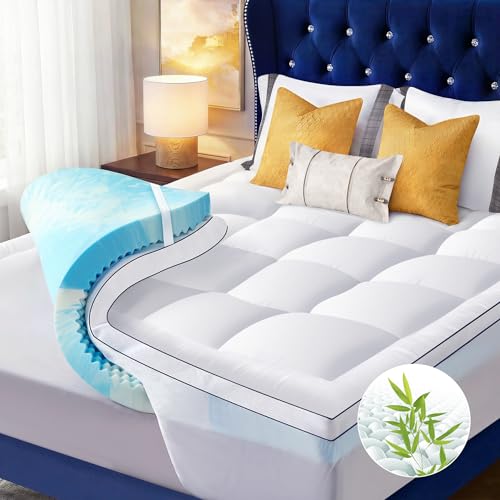
- 2-in-1 Double-Layer Mattress Topper: Featuring a dual-layer structure, designed...
- Relieves Pain & Supports Restful Sleep: The soft mattress topper bottom features...
- Cooling & Breathable: The 4 inch mattress topper fabric contains 40% Viscose...
SHOUREN 5 Inch Memory Foam Mattress Topper – Best for Deep Comfort & Durability
With a substantial 5-inch profile, this option offers a plush feel without sacrificing support. The high-density foam is engineered to resist permanent body impressions. It’s a great choice for side sleepers or anyone wanting a significant change in mattress softness.
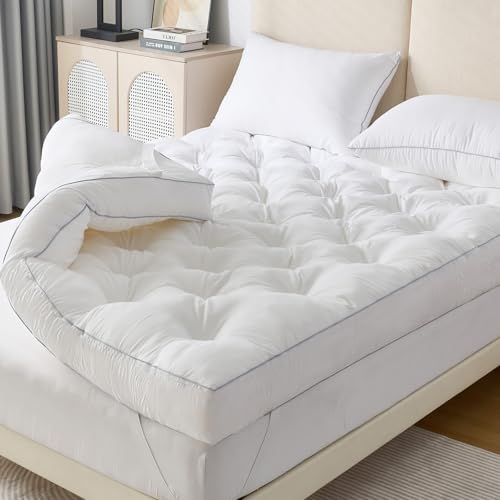
- 【5-Inch Extra Thick Comfort & Support】 SHOUREN mattress topper features a...
- 【Ergonomic Body-Contour Design】 Engineered to naturally fit your body...
- 【Upgraded 4-Way Elastic Anchor Straps】 Equipped with strong elastic straps...
Sleep On Latex Pure Green Natural Latex Mattress Topper – Best for Long-Term Resilience
Made from 100% natural Dunlop latex, this topper is renowned for its exceptional bounce-back and durability. It naturally resists sagging and provides consistent, buoyant support for decades. Ideal for those seeking an eco-friendly, hypoallergenic, and supremely durable option.
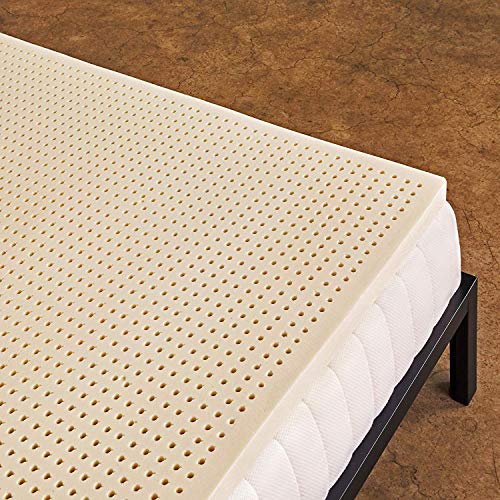
- Soft - Great for Adding Softness to the Surface of a Mattress
- Adjusts to Your Body Instantly - Latex Foam Naturally Stays Cool
- Made of Natural Latex Harvested from Organically Grown Rubber Trees
Conclusion
A sagging mattress topper is a common issue with clear causes and solutions. From inadequate support to material breakdown, identifying the root problem is the first step toward a better night’s sleep.
Whether you choose to repair with a firm foundation or invest in a new, high-density topper, proactive care is essential. By implementing the maintenance tips and selection advice outlined here, you can enjoy lasting comfort and support for years to come.
Frequently Asked Questions about Why Your Topper Is Sagging And How To Fix It
Can I put a topper on a sagging mattress to fix it?
Adding a topper can temporarily mask a slightly sagging mattress by adding a comfort layer. However, it is not a structural fix and will eventually conform to the mattress’s dips.
For a long-term solution, you must address the mattress itself. Place a firm board between the mattress and bed frame or consider replacing the mattress for proper support.
How often should I flip or rotate my mattress topper?
You should rotate your mattress topper 180 degrees every one to two months. This prevents body impressions from forming in the same spots, distributing wear evenly.
If your topper is double-sided, also flip it over according to the same schedule. This simple habit is one of the most effective ways to prevent premature sagging.
Will a mattress topper help with back pain from a sagging bed?
A supportive, high-density topper can alleviate minor back pain by providing a more even surface. It adds cushioning and can improve spinal alignment on a slightly uneven mattress.
If your mattress has severe sagging, a topper will not correct the underlying poor support. In such cases, the sagging foundation is likely the root cause of the pain and needs replacement.
What is the difference between topper sagging and normal break-in?
Normal break-in involves the topper softening slightly to conform to your body, which happens within the first few weeks. This softening is even and maintains supportive qualities.
Sagging is the formation of permanent, deep body impressions that do not recover. It indicates material breakdown or inadequate support and often worsens over time, unlike a stable break-in feel.
Are expensive mattress toppers less likely to sag?
Higher-priced toppers often use higher-density, more durable materials that resist sagging longer. Features like reinforced edges and zoned support also contribute to longevity.
However, price alone isn’t a guarantee. Always check the material specifications, like foam density, and read reviews to assess real-world durability before purchasing.
Can I machine wash a mattress topper to fluff it back up?
Only if the care label explicitly states it is machine washable. Most memory foam and latex toppers are spot-clean only, as machine washing can destroy their internal structure.
For fiber or down toppers that are washable, use a gentle cycle and dry thoroughly with tennis balls to re-loft the filling. Always follow the manufacturer’s instructions precisely.