
Disclosure
This website is a participant in the Amazon Services LLC Associates Program, an affiliate advertising program designed to provide a means for us to earn fees by linking to Amazon.com and affiliated sites.
Discovering your mattress topper rolling up is a common frustration that disrupts sleep and comfort. This issue often stems from simple, fixable causes related to material and fit.
Memory foam and latex toppers are particularly prone to curling due to their material memory and reaction to temperature. This core reason is the first step to a permanent solution.
Is Your Mattress Topper Constantly Bunching Up, Ruining Your Sleep Night After Night?
A topper that rolls and slides turns your bed into a frustrating, lumpy mess, causing poor sleep and morning aches. The BEDLORE Queen Mattress Topper solves this with deep, secure elastic straps on all four corners, anchoring it firmly to your mattress for a perfectly smooth, stable, and comfortable sleep surface every single night.
For a secure, wrinkle-free solution, choose: BEDLORE Queen Mattress Topper
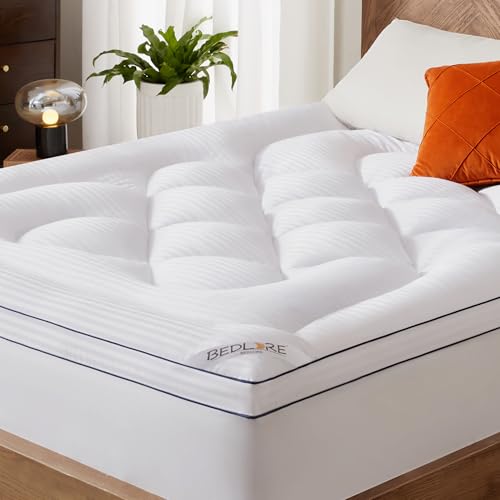
- Improve Sleep Quality: Use polyester fabric and extra thick filler, improve...
- Ultra Soft Improves Comfort: Conforms to the curves and shapes of the body...
- Deep Pocket Design: Elastic deep pockets can accommodate mattresses 6-18 inches...
Why Your Mattress Topper Keeps Rolling Up
A mattress topper that won’t stay flat is more than an annoyance; it’s a sign of underlying issues. The primary culprits are material properties, improper fit, and environmental factors. Identifying the specific cause is essential for choosing the right fix.
Material Memory and Temperature Effects
Materials like memory foam have a natural tendency to return to their original shape, a property called material memory. When compressed in packaging, this memory can cause persistent curling. Furthermore, cold temperatures can make these materials stiff and more likely to roll.
- Memory Foam: Highly susceptible to curling from packaging compression and cool room temperatures.
- Latex Topper: Has strong natural resilience, which can cause edges to lift if not properly weighted down.
- Feather or Down: Less prone to rolling but can shift and bunch, creating uneven surfaces.
Improper Fit and Lack of Secure Attachment
A topper that is the wrong size for your mattress will never lie flat. Even a correctly sized topper needs help staying in place against nightly movement. Without a secure method of attachment, it will inevitably slide and curl.
For example, a queen-size topper on a full-size bed will have significant overhang that easily flips up. Conversely, a topper that’s too small will leave gaps at the edges, allowing it to shift and roll inward. The solution always involves creating a secure connection between the topper and mattress.
| Problem | Common Symptom | Primary Material Affected |
|---|---|---|
| Packaging Curl | Topper rolls inward from both long sides | Memory Foam |
| Incorrect Sizing | Overhang or gaps causing sliding and bunching | All Materials |
| Lack of Grip | Entire topper shifts when you get into bed | Silk, Bamboo, Latex |
Long-Term Fixes and Preventative Measures
To permanently solve the issue, you need to address the root cause. This involves ensuring a perfect fit and using dedicated attachment tools. Investing in the right accessories will save nightly frustration.
- Purchase a Non-Slip Mattress Pad: A pad with a silicone-dot or rubberized bottom provides a grippy layer between the mattress and topper, preventing all sliding.
- Use Topper Anchor Bands: These are elastic straps with clips that secure the topper’s corners to the mattress corners, similar to how a fitted sheet works.
- Ensure Perfect Sizing: Always measure your mattress depth and width before buying. A topper that is slightly too small is a primary cause of movement and rolling.
Transitioning from quick fixes to a permanent setup ensures lasting comfort. The next step involves choosing the right accessory for your specific topper material.
Choosing the Best Mattress Topper Holder for Your Material
Not all topper securement methods work equally well for every material. Selecting the right holder is crucial for effectiveness and durability. This section matches solutions to specific topper types for optimal results.
Securing a Memory Foam or Latex Topper
These dense materials require strong, elastic anchoring to counteract their rolling force. Avoid solutions that rely solely on friction, as they often fail. A combination of grip and tension works best.
- Elastic Anchor Bands with Clips: These provide direct, adjustable tension from the topper corners to the mattress base, effectively holding down curled edges.
- Deep-Pocket Fitted Mattress Encasement: A fully zippered encasement encloses both mattress and topper, creating a single, immovable unit and blocking all movement.
- High-Grip Mattress Pad: Choose a pad with a full rubberized bottom, not just corner grips, to maximize surface area friction against the topper.
Solutions for Feather, Down, or Fiberfill Toppers
These lighter, plush toppers are prone to shifting and bunching rather than severe curling. The goal is to contain the fill and prevent it from migrating to the sides, which creates a rolling effect.
A baffle-box or quilted design topper is less likely to shift than one with simple channels. The most effective solution is a fitted, quilted mattress pad that acts like a second skin. This pad keeps the fill evenly distributed and anchors the entire assembly to the mattress.
| Topper Type | Recommended Holder | Why It Works |
|---|---|---|
| Memory Foam | Elastic Anchor Bands | Applies direct tension to combat material memory and curl. |
| Latex | Rubber-Backed Non-Slip Pad | Provides maximum surface grip for heavy, resilient material. |
| Feather/Down | Fitted, Quilted Mattress Pad | Contains fill and prevents bunching that leads to rolling edges. |
Step-by-Step Guide to Fix a Curling Mattress Topper
Follow this practical process to flatten your topper for good. This method combines preparation, correction, and securement into a reliable system. Performing these steps in order yields the best long-term results.
Preparation: Relaxing the Material and Cleaning
Before attempting to secure the topper, you must address its curled memory. This often requires warmth, time, and a clean surface for accessories to grip properly. Start by removing all bedding.
- Warm and Flatten: In a warm room, lay the topper flat on the floor with the curled side down. Place flat, heavy objects (like books or boards) along the edges for 24 hours.
- Clean the Bottom: Vacuum the underside of the topper and the top of your mattress. Dust and debris reduce friction, causing slippage.
- Verify Size: Ensure the topper is centered and aligned with your mattress. All edges should be flush with minimal overhang or gap.
Installation and Securement Process
With a prepared topper, you can now apply your chosen securement method effectively. Proper installation is key to preventing future rolling and maintaining nightly comfort.
If using anchor bands, attach the clips to the topper corners first, then stretch and hook them under the corresponding mattress corners. For a non-slip pad, lay it rubber-side-down directly on the mattress, then place the topper on top. Finally, make your bed as usual, ensuring your fitted sheet has deep enough pockets to accommodate the added height without pulling the topper out of position.
Consistent results come from a complete system. After following these steps, your sleep surface should remain stable and flat, finally solving the rolling problem.
Preventing Future Problems with Your Mattress Topper
Once your topper is flat and secure, proactive care will keep it that way. Prevention focuses on maintenance, proper bedding choices, and environmental control. These habits extend the life and comfort of your sleep investment.
Routine Maintenance and Care Tips
Regular care prevents the material from developing new stress points that lead to curling. This involves simple actions performed every few months. Consistency is more important than effort.
- Rotate and Flip: Every 3-4 months, rotate your topper 180 degrees. If it’s double-sided, flip it over. This evenly distributes wear and body impressions.
- Use a Mattress Protector: A quality, breathable protector shields the topper from spills and body moisture, which can degrade materials and affect their flexibility.
- Air It Out: When changing sheets, pull back the bedding for an hour to let the topper air out. This reduces moisture buildup and helps materials retain their intended shape.
Optimal Bedding and Environmental Factors
The sheets and climate in your bedroom play a significant role. The wrong bedding can undo all your securement work by pulling on the topper nightly. Aim for a stable, moderate bedroom environment.
Always use deep-pocket fitted sheets designed for a mattress plus topper. Standard sheets will be too tight and act like a rubber band, pulling the topper’s edges inward as you sleep. Furthermore, try to maintain a consistent, moderate room temperature, as extreme cold makes memory foam and latex stiff and more likely to curl.
| Action | Frequency | Prevents |
|---|---|---|
| Rotate Topper | Every 3 Months | Uneven wear and edge compression. |
| Check Anchor Bands | When Changing Sheets | Slow tension loss and slippage. |
| Vacuum Under Topper | Monthly | Dust buildup that reduces grip. |
When to Replace a Mattress Topper That Won’t Stay Flat
Sometimes, a rolling topper is a sign of irreversible wear. If fixes no longer work, the material itself may be failing. Recognizing the signs of a topper past its prime saves you time and ensures good sleep.
Signs of Permanent Damage and Wear
Material breakdown is a common cause of persistent rolling that securement can’t fix. The topper loses its supportive structure and ability to lay flat. Inspect for these physical indicators.
- Deep, Permanent Body Impressions: If the surface does not rebound after you get up, the core support foam has broken down.
- Visible Cracks or Crumbling: Check the edges and corners of memory foam or latex for dry, cracked material that flakes apart.
- Severe Thinning and Loss of Loft: Measure the height. If it has compressed by over an inch and feels flat, it cannot provide proper cushioning.
Choosing a Replacement That Resists Rolling
When buying a new topper, select features designed for stability. Prioritize construction and accessories that prevent the problem from recurring. A small upfront investment prevents future frustration.
Look for toppers with a non-slip bottom or those sold as part of a kit with anchor straps. Consider a quilted mattress pad with fill instead of a separate topper, as it’s less likely to shift. Always check the return policy and warranty, as a good guarantee often indicates confidence in the product’s durability and performance.
Investing in a quality replacement with built-in securement features is the ultimate solution. This ensures long-term comfort without nightly adjustments to keep your sleep surface flat.
Common Fixes and Product Recommendations
Shoppers often seek proven products to solve this problem. The most effective tools are simple, inexpensive, and designed for the task. Avoid makeshift solutions that can damage your topper.
- What is the best mattress topper holder? Elastic anchor bands with corner clips are the most effective universal solution. They provide adjustable tension to pull curled edges flat.
- Will a mattress pad stop a topper from moving? Yes, if it has a rubberized or silicone-dot bottom. A standard cotton pad will not provide enough grip. Look for the term “non-slip” in the product description.
- Can I use safety pins or tape? No. These can tear the fabric or foam. Always use products specifically designed for bedding securement, like straps or bands with wide, non-damaging clips.
Troubleshooting Persistent Problems
When standard advice fails, the problem may be more specific. These scenarios require targeted troubleshooting to identify the root cause that simpler fixes miss.
Why does my topper still roll with a fitted sheet on it? Your fitted sheet is likely too shallow. It pulls the topper’s edges inward as you sleep. Upgrade to deep-pocket or extra-deep-pocket sheets designed for a mattress plus topper. If the problem continues, install anchor bands under the fitted sheet for direct securement.
Is a rolling topper a sign of a bad product? Not necessarily. It’s often a fit or securement issue. However, if a new topper rolls immediately and severely, it may have been stored folded too long, damaging the material’s memory. Contact the retailer.
Best Mattress Toppers That Resist Rolling
Choosing a well-designed topper from the start can prevent rolling issues. These recommended options feature thoughtful construction or materials that promote stability. Each is an ideal solution for different sleep needs and preferences.
COONP King Mattress Topper – Best for Secure Fit
This topper includes a built-in elastic strap system to anchor it to your mattress corners, directly solving the rolling problem. The 3-inch gel-infused memory foam provides pressure relief while the secure fit ensures it stays perfectly flat night after night.

- 1.Extra Thick and Luxury Comfort: Drift into a sounder, deeper sleep on this...
- 2.Cool and Breathable: The top surface features good ventilation and distributes...
- 3.Elastic Deep Pocket: Elastic deep pocket will wrap mattress(8-21") tightly. It...
Linenspa Memory Foam Mattress Topper – Best Budget-Friendly Option
A popular, affordable choice known for its balanced comfort and value. For best results, pair it with a separate non-slip pad or anchor bands. Its 2-inch responsive foam contours to the body and is a reliable base for a secure sleep setup.

- PRESSURE RELIEVING MEMORY FOAM: Plush gel infused memory foam conforms to your...
- COOLING GEL INFUSIONS: This topper is infused with a cooling gel that helps...
- MULTIPLE PROFILE OPTIONS: Choose your own level of comfort with a plush 2-inch...
Sweetcrispy Memory Foam Mattress Topper – Best Cooling Feature
This option focuses on temperature regulation with a breathable bamboo cover and ventilated foam. The 3-inch thickness and CertiPUR-US certified foam offer durable support. Its stable base material works well with standard securement methods.
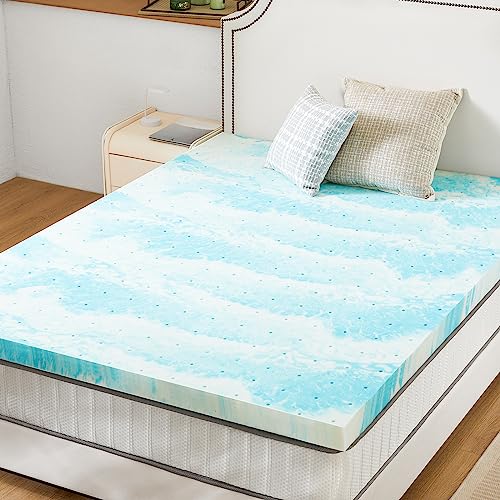
- ENHANCED COMFORT - With this memory foam mattress topper, say goodbye to...
- IMPROVED AIRFLOW - The gel infusion in this mattress pad helps to dissipate heat...
- VERSATILE USE - Whether you use it on your bed, sofa, or even in your RV, this...
Conclusion
A rolling mattress topper is a fixable problem rooted in material memory, fit, and securement. By diagnosing the cause and applying the right solution, you can restore a flat, comfortable sleep surface.
The main point is to combine preparation, like warming and flattening the topper, with a dedicated securement system such as anchor bands or a non-slip pad. Consistent care and proper bedding will keep your investment stable for years of restful sleep.
Frequently Asked Questions about Why Your Topper Is Rolling Up And How To Fix It Fast
Why does my new memory foam mattress topper keep rolling up?
A new memory foam topper often curls due to material memory from being compressed in packaging. The foam tries to return to its original, often folded, shape. This is a common issue with dense foam materials.
To fix this, you must retrain the foam. Lay it flat in a warm room with weights on the curled edges for 24-48 hours. After flattening, immediately secure it with anchor straps to prevent the memory from reasserting itself.
What is the fastest way to stop my topper from moving tonight?
The quickest temporary fix is to use a deep-pocket fitted mattress pad placed tightly over the topper. The elastic skirt grips the mattress, sandwiching and holding the topper in place beneath it. This adds immediate friction.
Alternatively, use bed sheet suspenders on your existing fitted sheet. The tension pulls everything downward toward the mattress corners. For a permanent solution, order non-slip pads or anchor bands for delivery the next day.
Will a mattress protector help keep my topper from curling?
A standard mattress protector will not prevent curling on its own. However, a fitted, non-slip mattress pad with a rubberized bottom can be an excellent solution. It acts as a grippy layer between the mattress and topper.
For best results, use the non-slip pad in combination with other methods. Place the pad on the mattress, then your topper, and finally cover both with a deep-pocket fitted sheet. This creates multiple points of friction and securement.
How often should I rotate my mattress topper to prevent rolling?
You should rotate your mattress topper 180 degrees every three months. This prevents body impressions from forming in the same spot, which can create uneven surfaces and contribute to shifting and edge curling over time.
If your topper is double-sided, also flip it over during this rotation. Consistent rotation ensures even wear and compression, helping the material maintain a flat, stable profile and extending its overall lifespan.
Are some mattress topper materials less likely to roll up?
Yes, materials like feather, down, or fiberfill are less prone to severe curling than memory foam or latex. However, they can bunch and shift, creating a similar uneven surface. Their plush nature means they move differently.
These materials are best contained within a quilted, fitted mattress pad that prevents the fill from migrating. The securement challenge is less about tension and more about containment to maintain an even layer.
When should I just replace a rolling mattress topper?
Replace your topper if it shows permanent deep body impressions, cracking foam, or has lost significant loft. If the core material is broken down, no amount of strapping will make it comfortable or keep it flat.
If you’ve tried all securement methods for several weeks and the topper still rolls severely every night, the material itself is likely failing. Investing in a new topper, perhaps one with built-in straps, is the most effective solution.