
Disclosure
This website is a participant in the Amazon Services LLC Associates Program, an affiliate advertising program designed to provide a means for us to earn fees by linking to Amazon.com and affiliated sites.
An overheating mattress topper is a common problem that can ruin your sleep and damage the material. The causes is the first step to a cool, comfortable night.
Overheating often stems from trapped body heat in dense memory foam or a lack of breathable airflow. Simple adjustments to your bedding setup can provide a surprisingly fast fix.
Is Your Mattress Topper Trapping Heat and Ruining Your Sleep?
An overheating topper turns your bed into a furnace, causing restless nights and morning fatigue. The Niagara Sleep Solution Ultra Soft Mattress Topper is engineered with advanced cooling materials that actively dissipate body heat, providing the plush comfort you want without the oppressive warmth you don’t.
For a cool, comfortable night’s rest, we recommend: Niagara Sleep Solution Ultra Soft Mattress Topper

- ULTRA SOFT: Niagara Queen Mattress Topper is made from viscose made from bamboo...
- CLOUD-LIKE SLEEP: This queen mattress topper adds an extra cushion to...
- EASY TO USE: The cooling bed pad has a deep pocket, is easy to put on, and has...
Common Causes of Mattress Topper Overheating
Why your sleep surface gets too hot is crucial for finding the right solution. The primary culprits are material composition and poor airflow around your body. Identifying these factors allows you to target the fix effectively.
Material Composition and Heat Retention
Different topper materials have varying abilities to dissipate heat. Traditional memory foam is notorious for trapping body warmth due to its dense structure. In contrast, materials like latex or gel-infused foam are designed to sleep cooler.
- Traditional Memory Foam: This material conforms closely, which can restrict airflow and trap heat around your body throughout the night.
- Gel-Infused or Copper-Infused Foam: These variants are engineered to draw heat away from the surface, though their effectiveness can diminish over time.
- Natural Latex: Its open-cell structure promotes better air circulation, making it one of the most breathable options available.
Lack of Proper Airflow and Ventilation
Even a breathable topper can overheat if it’s suffocated. Your overall bedding setup plays a massive role in temperature regulation. The goal is to create a system that allows heat to escape.
Common airflow blockers include waterproof mattress protectors made from vinyl or plastic, which act as a heat-trapping barrier. Placing a topper directly on a non-breathable mattress base also prevents heat dissipation from below.
Environmental and User Factors
Your personal sleep environment and physiology significantly impact perceived heat. A room that’s too warm will make any sleeping surface feel hotter. Your own body temperature and sleepwear choices are also key factors.
For instance, sleeping on a foam topper in a room above 72°F (22°C) will almost always lead to discomfort. Similarly, wearing flannel pajamas or using heavy blankets compounds the heat retention from the topper itself.
How to Fix an Overheating Mattress Topper Fast
You don’t always need a new topper to solve overheating problems. Several immediate adjustments can dramatically improve airflow and cooling. These quick fixes target the root causes we just discussed.
Immediate Bedding Adjustments for Cooler Sleep
Start by auditing and modifying the layers directly above and below your topper. This is the fastest way to enhance breathability without any cost. Swap out heat-trapping materials for breathable alternatives.
- Switch Your Mattress Protector: Replace plastic or vinyl covers with a breathable, cotton-based protector that allows moisture and heat to pass through.
- Change Your Sheets: Use lightweight, natural fiber sheets like percale cotton or linen instead of flannel or polyester blends.
- Re-evaluate Your Blankets: Opt for layers of lighter blankets you can remove, rather than one heavy, insulating comforter.
Improving Room and Sleep Environment
Your bedroom climate has a direct effect on your bed’s temperature. Lowering the ambient temperature helps your body and topper shed heat more efficiently. Focus on airflow and cooling around the bed.
Use a fan to circulate air directly over your sleeping area, even with air conditioning running. Consider using a bed fan or a cooling pad designed to sit under your fitted sheet for targeted temperature control.
- Strip your bed and put on breathable cotton sheets.
- Turn on a ceiling fan or bedside fan.
- Lower your thermostat by 2-3 degrees at night.
When to Consider a Topper Replacement
If quick fixes don’t provide enough relief, your topper’s material may be the core issue. Some older memory foam toppers simply cannot be made cool. Knowing when to replace it saves you ongoing discomfort.
Look for toppers marketed specifically for temperature regulation or cooling sleep. Materials like ventilated latex, gel-infused foam with open channels, or phase-change material covers are designed for this purpose.
| Topper Type | Breathability | Best For |
|---|---|---|
| Traditional Memory Foam | Low | Pressure relief, not cooling |
| Gel-Infused Memory Foam | Medium | Moderate heat reduction |
| Natural Latex | High | Durability and cool sleep |
Preventative Care and Long-Term Solutions
Stopping overheating before it starts is easier than fixing it nightly. Proper maintenance and smart purchasing decisions ensure lasting comfort. A proactive approach protects your investment and your sleep quality.
Routine Maintenance for Optimal Breathability
Your topper needs care to maintain its cooling properties. Dust, moisture, and body oils can clog material pores over time. A simple cleaning routine preserves airflow and hygiene.
- Regular Air-Outs: Strip your bed weekly and let the topper air out for several hours. This releases trapped moisture and allows the material to “breathe.”
- Follow Cleaning Instructions: Most toppers require spot cleaning only. Avoid oversaturating foam, as trapped water can damage its structure and reduce breathability.
- Use a Mattress Pad: A thin, washable cotton pad between your sheet and topper absorbs sweat and oils, keeping the topper core cleaner and more effective.
Choosing a Cooling Mattress Topper
If you’re buying a new topper, prioritize cooling features from the start. Look beyond marketing terms and examine the material’s construction. The right choice eliminates the overheating problem entirely.
Key features to seek include open-cell foam structures, ventilation channels cut into the material, and covers made from phase-change or moisture-wicking fabric. These technologies actively manage temperature rather than just insulating.
- Air out your topper bi-weekly.
- Use a protective, breathable mattress pad.
- Rotate your topper head-to-foot every 3 months to ensure even wear and compression.
Integrating Active Cooling Products
For hot sleepers, passive solutions may not be enough. Active cooling products work alongside your topper to regulate temperature precisely. They are a powerful long-term solution for consistent overheating.
Consider a bed cooling system that circulates water through a pad on your bed, allowing you to set an exact temperature. Heated mattress pads with dual-zone cooling settings are another excellent option for couples with different temperature needs.
Addressing Specific Topper Types and Overheating
Not all mattress toppers overheat for the same reasons. The solutions vary depending on whether you have memory foam, latex, or a featherbed. Tailoring your approach to your specific topper material yields the best cooling results.
Cooling Down a Memory Foam Mattress Topper
Memory foam is the most common culprit for heat retention. Its dense, body-conforming nature is a double-edged sword. You can improve it by enhancing airflow from all sides.
- Use a Breather Mattress Pad: Place a ventilated, low-profile pad under your memory foam topper. This creates an air gap between it and the mattress, allowing heat to dissipate downward.
- Select a Gel-Infused Cover: If your topper has a removable cover, replace it with one made from cooling gel fibers or moisture-wicking bamboo.
- Limit Direct Body Contact: Wear lightweight, breathable sleepwear instead of sleeping directly on the foam, which can minimize heat transfer.
Managing Heat with Latex and Feather Toppers
While naturally cooler, these materials can still feel warm in certain conditions. Latex may retain heat if covered improperly, while featherbeds can compress and lose loft, reducing airflow.
For a latex topper, ensure it has pinhole ventilation and pair it with a highly breathable, non-waterproof mattress protector. For a featherbed, fluff it vigorously every few days to restore its loft and air pockets, which are essential for insulation and cooling.
When Overheating Signals a Different Problem
Sometimes, a hot topper is a symptom of a larger issue with your mattress or health. It’s important to rule out these factors before investing in new sleep products.
An old, sagging mattress can cause your topper to compress unevenly, creating heat pockets. Additionally, certain medications, hormonal changes, or sleep disorders can increase your core body temperature, making any sleeping surface feel warmer.
| Topper Type | Primary Cooling Strategy | What to Avoid |
|---|---|---|
| Memory Foam | Create air gaps above and below | Plastic mattress covers, heavy blankets |
| Latex | Maintain breathable bedding layers | Non-breathable mattress pads |
| Feather/Down | Regular fluffing to maintain loft | Compressing it with a tight bed skirt |
Expert Tips for a Consistently Cool Sleep Surface
Beyond basic fixes, experts recommend specific habits and product combinations for optimal temperature regulation. These advanced strategies create a Overall sleep system designed to dissipate heat efficiently. Implementing even one can make a significant difference.
Layering Your Bedding for Maximum Airflow
The order of your bedding layers is critical for ventilation. Think of it as creating a chimney effect that draws heat away from your body. Start with a breathable base and build upward with lightweight materials.
- Base Layer: A breathable mattress protector (cotton or Tencel) directly on the mattress.
- Core Layer: Your cooling-focused mattress topper, ideally with ventilation channels.
- Top Layers: Lightweight, natural fiber sheets, followed by a duvet with a cotton cover that can be easily kicked off.
Lifestyle Adjustments for Hot Sleepers
Your pre-sleep routine directly impacts your nighttime temperature. Cooling your body core before bed helps you start the night at a lower temperature. This reduces the initial heat load on your topper.
Take a warm shower 60-90 minutes before bed; as your body cools afterward, it signals sleep readiness. Avoid heavy meals, alcohol, and intense exercise close to bedtime, as they can raise your core temperature. Stay hydrated throughout the day to aid your body’s natural cooling processes.
Investing in the Right Support System
An often-overlooked factor is the support beneath your topper. A sagging or non-breathable mattress foundation can trap heat. Ensuring proper support improves air circulation and the longevity of your topper.
Consider a slatted bed frame with gaps no wider than 3 inches for optimal support and airflow. If using a box spring, ensure it is ventilated. For platform beds, a breather layer or a mattress with cooling coils can make a substantial difference in heat dissipation from below.
Why Does My New Mattress Topper Sleep Hot?
A new topper may feel hotter initially due to off-gassing and material compression. The factory-fresh foam or materials are often tightly packed, reducing initial airflow. This usually improves after a 48-72 hour break-in period in a well-ventilated room.
- Off-Gassing: The release of volatile organic compounds (VOCs) can create a temporary sensation of warmth as the materials stabilize.
- Compressed Packaging: It takes time for the cells within foam or the loft in fiber toppers to fully expand and create air pockets.
- Solution: Unpack it immediately and let it air out fully on your bed before making a final judgment on its cooling ability.
Can a Mattress Pad Prevent Topper Overheating?
Yes, but only if you choose the correct type of pad. The right pad acts as a breathable, temperature-regulating buffer. The wrong pad will make overheating significantly worse by adding another heat-trapping layer.
Look for a pad specifically labeled as cooling, breathable, or temperature regulating. Materials like Tencel lyocell, bamboo-derived rayon, or cotton with phase-change technology are ideal. Avoid quilted pads with thick polyester filling or any waterproof backing that isn’t explicitly breathable.
- Q: Is a cooler room better than cooling bedding?
- A: Both are important. A cooler room (65-68°F) is the foundation, while cooling bedding manages the microclimate around your body.
How Often Should I Replace an Overheating Topper?
Most quality mattress toppers last 3-5 years before their support and material properties degrade. If your topper is within this age range and consistently hot, try all the airflow fixes first. If it’s older, material breakdown is the likely cause, and replacement is the most effective long-term solution.
Signs it’s time to replace include permanent body impressions, a loss of resilience, and a noticeable increase in heat retention despite using breathable sheets and proper room temperature. Modern cooling toppers offer significant advancements over older models.
Product Recommendations and What to Look For
Choosing a new cooling mattress topper requires careful evaluation of materials and construction. Not all products marketed as “cooling” perform equally well. Focus on specific features that promote airflow and heat dissipation for guaranteed results.
Key Features in a Cooling Mattress Topper
When shopping, move beyond general claims and inspect the product’s design. Effective cooling comes from engineering, not just added gels or superficial covers. Prioritize these proven elements for a cooler sleep.
- Ventilation Channels or Holes: Look for toppers with physical holes or deep channels cut into the foam. These create direct pathways for air to circulate through the material, not just around it.
- Open-Cell Structure: This refers to the internal architecture of the foam. Open-cell foam has interconnected pores that allow air to move freely, unlike traditional closed-cell memory foam.
- Phase-Change or Moisture-Wicking Cover: A good cover actively manages temperature by absorbing excess heat or pulling moisture (sweat) away from your body to evaporate.
Comparing Popular Cooling Topper Materials
Each material has distinct advantages for temperature regulation. Your choice depends on your preferred feel, budget, and how much heat you typically generate. these differences ensures you select the right tool for the job.
Gel-infused memory foam offers a familiar contouring feel with moderate cooling, often at a mid-range price. Natural latex provides the best inherent breathability and durability but comes at a higher cost. Newer plant-based or graphite-infused foams aim to balance cooling with pressure relief.
| Material Type | Cooling Mechanism | Best For Sleepers Who… |
|---|---|---|
| Gel-Infused Memory Foam | Conducts heat away from surface | Want contouring pressure relief with some cooling |
| Ventilated Latex (Talalay) | Natural breathability & air circulation | Prioritize a cool, responsive, and durable surface |
| Copper-Infused Foam | Wicks heat and moisture; antimicrobial | Are very hot sleepers or concerned about hygiene |
Integrating with Other Cooling Bed Products
For extreme hot sleepers, a topper alone may not suffice. The most effective strategy is a multi-layered approach. Combine your cooling topper with complementary products that address heat from different angles.
Pair your topper with cooling sheets made from Tencel or bamboo, and use a lightweight, breathable duvet. For the ultimate solution, consider an active cooling system like a bed fan or a water-cooled mattress pad that works in tandem with your passive topper.
Best Cooling Mattress Toppers Recommended for Overheating
Based on cooling performance and user feedback, these three toppers are top solutions for a hot sleeper. Each addresses overheating with a different material approach, from natural breathability to advanced gel infusion. Select the one that best matches your comfort preference and cooling needs.
Sleep On Latex Pure Green Natural Latex Mattress Topper – Best for Natural Breathability
This topper excels at temperature regulation thanks to its natural Talalay latex open-cell structure. It provides excellent airflow, is highly durable, and is a perfect choice for those seeking a responsive, eco-friendly, and consistently cool sleep surface. Available in multiple firmness levels.
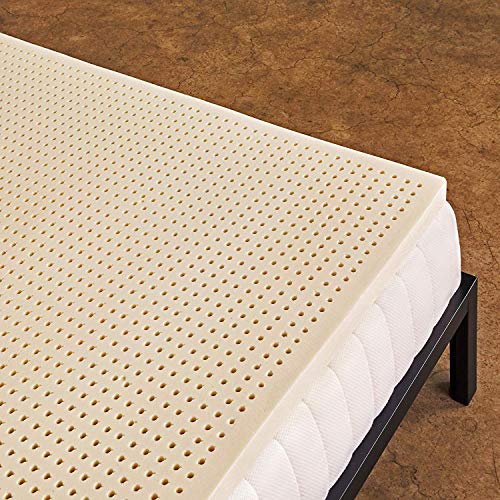
- Soft - Great for Adding Softness to the Surface of a Mattress
- Adjusts to Your Body Instantly - Latex Foam Naturally Stays Cool
- Made of Natural Latex Harvested from Organically Grown Rubber Trees
Sleepyhead Twin XL 3 Inch Gel Memory Foam Mattress Topper – Best Gel-Infused Option
Ideal for those who love memory foam’s contouring but need cooling relief. The gel-infused foam is designed to draw heat away from the body, while the 3-inch thickness offers substantial pressure relief. A great mid-range option to combat overheating on a budget.
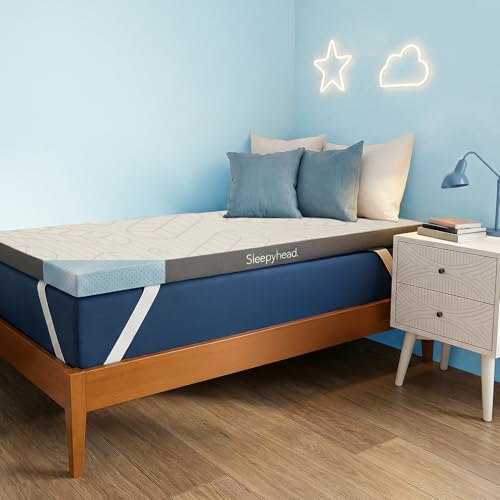
- PREMIUM COOLING TWIN XL MATTRESS TOPPER FOR DORMS: Experience next-level dorm...
- COLLEGE DORM ROOM ESSENTIALS FOR GIRLS & GUYS: Sized 38" x 80", this 3 in Twin...
- NON-SLIP DESIGN WITH WASHABLE COOLING COVER: Includes a soft, cool-to-the-touch...
SHOUREN Memory Foam Mattress Topper – Best Ventilated Design
This topper tackles heat retention with a smart ventilated egg crate design that maximizes airflow. The 2-inch memory foam provides comfort while the unique surface pattern prevents heat buildup, making it an effective and affordable fix for an overheating mattress.
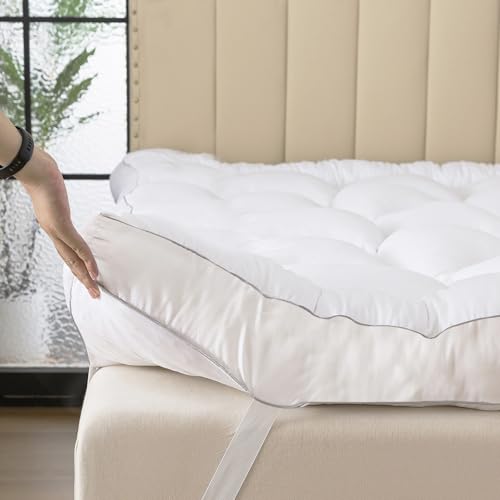
- 【Certified Safe Materials & Clean Comfort】 Crafted from CertiPUR-US...
- 【Pressure-Relieving Support for Restful Sleep】 High-density memory foam...
- 【Responsive Motion Isolation for Undisturbed Sleep】 High-density memory foam...
Conclusion
An overheating mattress topper is a solvable problem, often rooted in material choice and poor airflow. By The causes, you can apply targeted fixes ranging from simple bedding swaps to strategic product upgrades.
The main point is to create a breathable sleep system. Whether you adjust your current setup or invest in a cooling-specific topper, a comfortable, cool night’s sleep is well within reach. Start with the simplest solution and work your way to a permanent fix.
Frequently Asked Questions about Why Your Topper Is Overheating And How To Fix It Fast
Does putting a fan directly on my bed help cool a hot mattress topper?
Yes, a fan is one of the most effective immediate fixes. It actively moves air across the sleeping surface, dissipating trapped body heat and aiding moisture evaporation. This creates a cooling effect regardless of your topper’s material.
For best results, position a pedestal or box fan to blow air over the bed rather than directly at you. This promotes overall air circulation around and through the bedding layers, helping the topper itself stay cooler throughout the night.
Can I make my old memory foam topper cooler without buying a new one?
Absolutely. Start by ensuring it has airflow from below using a breathable mattress pad or a slatted bed frame. Then, use lightweight, natural fiber sheets and keep your bedroom temperature between 65-68°F (18-20°C).
If it’s very old and has deep body impressions, the foam cells may be permanently compressed, limiting airflow. In this case, rotating it and using a cooling gel mattress pad on top can extend its life, but replacement may be the ultimate solution.
Are cooling mattress topper covers worth the investment?
For many hot sleepers, a specialized cooling cover is a worthwhile upgrade. These covers often use phase-change materials, moisture-wicking fabrics like Tencel, or copper fibers to actively regulate surface temperature and draw heat away from your body.
They are most effective when paired with a topper that already has some breathability. A cooling cover on a dense, non-ventilated foam topper will help, but it cannot fully overcome the material’s inherent heat-trapping properties.
Why do I overheat more in the summer even with the same topper?
Higher ambient room temperature and humidity are the primary reasons. Your topper works by dissipating your body heat into the surrounding air. When the air is already warm and saturated, this heat transfer process becomes much less efficient.
During summer, enhance your cooling strategy by using a dehumidifier, keeping blinds closed during the day, and using a bed fan. These steps lower the thermal load on your entire sleep system, helping your topper perform better.
Is a 2-inch or 3-inch topper better for staying cool?
Generally, a 2-inch topper sleeps cooler than a 3-inch version of the same material. Thinner profiles allow your body to be closer to the more temperature-stable mattress below and provide less material to trap heat.
However, the material and construction are more important than thickness alone. A 3-inch topper made of ventilated latex will sleep cooler than a 2-inch slab of traditional memory foam. Always prioritize breathable materials and designs.
How long should I try fixes before deciding to replace my topper?
Give any new adjustments a full week of consistent use, as your body needs time to adapt. Implement a combination of fixes: improve room airflow, change your bedding layers, and adjust the room temperature simultaneously.
If after a thorough trial you are still waking up hot and sweaty, and your topper is over five years old, replacement is likely the best course. Modern cooling-specific toppers offer significant technological improvements over older models.