
Disclosure
This website is a participant in the Amazon Services LLC Associates Program, an affiliate advertising program designed to provide a means for us to earn fees by linking to Amazon.com and affiliated sites.
A noisy mattress topper disrupts sleep and can indicate a problem needing attention. The common causes is the first step to a peaceful night’s rest.
Often, the sound isn’t from the topper material itself but from friction against the mattress or bed frame. This simple issue is usually the easiest to fix quickly and effectively.
Tired of Your Mattress Topper Squeaking and Shifting All Night?
That persistent rustling and creaking destroys sleep, leaving you frustrated and exhausted. The BedStory Firm Mattress Topper 3 Inch solves this with a dense, high-quality foam core that eliminates movement and noise. Its non-slip bottom grips your mattress securely, providing a silent, stable, and supremely comfortable sleep surface night after night.
For a guaranteed quiet and supportive upgrade: BedStory Firm Mattress Topper 3 Inch
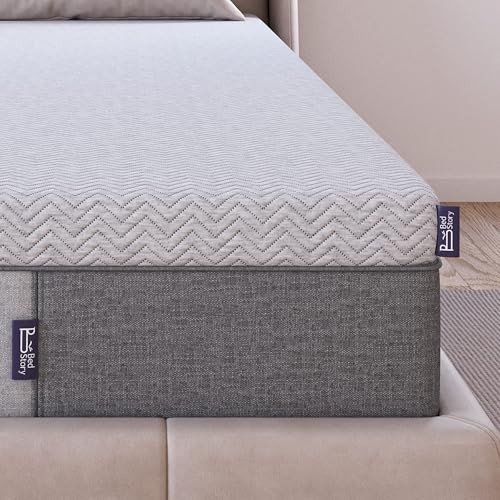
- RELIEVE PAIN & PROTECT THE SPINE - 2-layer pressure-relieving firm memory foam...
- 2-LAYER DESIGN & OPTIONAL FIRMNESS - Featuring double-layer foam design, the top...
- REMOVE MOISTURE & ALLEVIATE FATIGUE - Fusion memory foam contains bamboo...
Common Causes of a Noisy Mattress Topper and How to Diagnose Them
Identifying the source of the sound is crucial for an effective fix. Different noises point to distinct problems, from simple friction to material breakdown. A quick diagnosis saves time and effort.
Friction and Movement Sounds
A slipping or rustling noise is often the most common culprit. This happens when your topper slides against the fitted sheet or mattress surface. The fix usually involves securing the topper in place.
- Lack of a Non-Slip Bottom: Many toppers have a rubberized underside to prevent movement. If yours lacks this or it’s worn, the topper will shift and create noise with every turn.
- Loose Bedding: A poorly fitted sheet can bunch up underneath the topper, causing crinkling and rustling sounds as you move during the night.
- Direct Mattress Contact: Placing a topper directly on a bare mattress, especially a memory foam topper on a pocket spring mattress, can lead to squeaking from the interaction of materials.
Material Breakdown and Internal Issues
If the noise comes from within the topper itself, it may signal wear or a manufacturing flaw. These sounds are often crinkly, crackly, or like crumbling foam.
Memory foam and latex can degrade over time, losing their supportive structure. As the internal cells break down, they can produce a crinkling sound with pressure. For fiber-filled toppers, the batting can become lumpy and noisy.
- Shifting/Rustling: Likely a friction issue. Check if the topper moves when you push it.
- Crinkling/Crackling: Often internal material breakdown, common in older memory foam.
- Squeaking: Usually from friction between the topper and bed frame or mattress springs.
Transitioning from diagnosis, the next step is applying targeted solutions. Each cause has a specific set of fixes that can restore quiet comfort to your sleep setup.
Step-by-Step Solutions to Silence Your Squeaky Mattress Topper
Once you’ve diagnosed the noise, you can apply these proven fixes. These methods address the most common issues of friction and movement. Many require only common household items.
How to Stop Mattress Topper from Sliding and Rustling
Eliminating movement is key to stopping rustling sounds. The goal is to create a secure, non-slip barrier between your topper, mattress, and sheets.
- Use a Mattress Pad or Protector: Place a quilted or non-slip mattress pad directly on your mattress. This creates a textured surface that grips the topper’s bottom, preventing shifts.
- Secure with Bed Straps or Suspenders: Fasten bed suspenders over the topper at the corners. These clips anchor the topper to the mattress, much like securing a fitted sheet.
- Apply Non-Slip Rug Pads or Shelf Liner: Cut pieces of grippy shelf liner or a rubber rug pad. Place them between the mattress and topper at the corners and along the sides for added traction.
Fixing Internal Crinkling and Material Noise
If the noise is inside the topper, solutions focus on redistribution and protection. You cannot repair broken-down foam, but you can often muffle the sound.
For memory foam toppers, try rotating and flipping it regularly. This prevents body impressions from forming in one spot, which can stress the material and cause noise. A mattress encasement can also help by compressing the topper slightly and containing any internal crackling.
- For Sliding: Non-slip pad or bed straps.
- For Rustling Sheets: Use deep-pocket, fitted sheets and ensure they are taut.
- For Internal Noise: Rotate topper and use a tight encasement to muffle sound.
If these direct fixes don’t work, the issue may be more fundamental. Sometimes, the interaction between your sleep setup components requires a different approach.
When to Replace Your Topper and Choosing a Quiet Alternative
Some noises indicate irreversible wear, signaling it’s time for a replacement. Knowing the signs prevents wasting effort on a topper that’s past its prime. Investing in a quiet model from the start ensures long-term peace.
Signs Your Noisy Topper Needs Replacement
Persistent noise coupled with physical degradation means a fix is unlikely. The material has likely broken down beyond simple solutions.
- Visible Sagging and Permanent Body Impressions: If the topper no longer regains its shape and the noise comes from the collapsed areas, the core support is gone.
- Crumbling or Crackling That is Loud and Constant: This is a clear sign of advanced foam degradation, especially in old memory foam or latex.
- Lumps and Shifting Fill in Fiber Toppers: When the internal batting clumps together, it creates noisy, uncomfortable patches that cannot be smoothed out.
How to Select a Silent Mattress Topper
Prevent future noise by choosing the right materials and features. Focus on construction and reviews that specifically mention quiet performance.
Look for toppers with a non-slip bottom as a standard feature. Dense, high-quality memory foam or latex are generally quieter than fiberfill or low-density foams. Read customer reviews and search for keywords like “quiet,” “no noise,” or “no crinkle” to gauge real-world performance.
| Topper Type | Noise Potential | Key Feature for Quietness |
|---|---|---|
| High-Density Memory Foam | Low | Slow recovery, minimal friction sound |
| Fiberfill or Feather | Medium-High | Can rustle; fill may shift and lump over time |
| Latex | Very Low | Durable, resilient material that rarely creaks |
Ultimately, combining the right topper with the securing techniques mentioned earlier provides the best defense against nightly disturbances. A proactive approach ensures your sleep investment remains silent and supportive.
Preventative Maintenance to Keep Your Mattress Topper Quiet
Regular care can significantly extend the silent life of your topper. Simple habits prevent the common issues that lead to noise over time. A consistent maintenance routine is easier than fixing a problem later.
Routine Care and Rotation Schedule
Prevent uneven wear, which is a primary cause of noise and sagging. A scheduled routine distributes pressure evenly across the entire topper surface.
- Rotate Every 3 Months: Turn your topper 180 degrees from head to foot. This prevents body impressions from forming in the same spot, which can stress the material.
- Flip If Possible: If your topper is double-sided, flip it over when you rotate it. This utilizes both sleeping surfaces and promotes even wear.
- Air It Out Regularly: When changing sheets, pull back the bedding and let the topper air for 30 minutes. This reduces moisture buildup that can degrade materials.
Proper Bedding and Support Setup
The right foundation and covers are your topper’s first line of defense. They minimize direct friction and provide essential stability.
Always use a mattress protector between your mattress and topper. It acts as a non-slip, protective barrier. Ensure your bed frame and foundation are solid; a squeaky bed frame will transmit noise through the entire sleep surface. Use deep-pocket, fitted sheets that are the correct size to prevent bunching and pulling.
- Check for shifting: Does the topper move when you get into bed?
- Listen for new sounds: Has a subtle squeak or rustle developed?
- Inspect for sagging: Place a straight edge across the topper to check for dips.
- Verify bedding fit: Are sheets and protectors still snug and secure?
By integrating these steps into your regular home care, you protect your investment. Consistent maintenance is the most effective long-term strategy for a peaceful, silent sleep environment.
Expert Tips and Troubleshooting for Persistent Topper Noise
If standard fixes haven’t worked, these advanced strategies can solve tricky noise problems. Sometimes the issue involves the broader sleep system or requires a creative approach. Don’t give up before trying these targeted solutions.
Isolating Noise from the Bed Frame or Mattress
Your topper might be amplifying noise from underneath. It’s crucial to confirm the true source before taking further action.
First, remove the topper and place it on a flat, hard floor like hardwood or tile. Lie down on it and move around. If the noise is gone, the issue is with your mattress or bed frame interaction. Next, test your bare mattress on the frame. Listen for squeaks from springs, slats, or joints that need tightening.
Advanced Fixes for Specific Topper Types
Different materials sometimes need specialized attention. Here are fixes for common but persistent issues.
- For Noisy Memory Foam: If crinkling persists, a mattress encasement (not just a pad) can compress the topper uniformly, muffling internal sounds. Ensure the room is not too cold, as some foams become noisier in low temperatures.
- For Fiberfill Shifting: Hand-stitch or use fabric glue to create small quilting channels through the topper cover. This secures the fill in place and prevents it from bunching into noisy lumps.
- For All-Over Rustling: Dampen a large towel with water and lightly wring it out. Lay it flat on the topper for an hour before bed. The slight, even moisture can relax some materials and reduce static and friction noise temporarily.
- The noise is a loud, consistent crackling present from the first week of use (potential defect).
- There is a noticeable rip or seam split where the sound originates.
- The topper is still under warranty and shows significant sagging or material failure.
These expert methods address the less obvious causes of topper noise. By systematically testing and applying these tips, you can achieve the quiet sleep surface you deserve.
Why Does My New Mattress Topper Make a Crinkling Sound?
A crinkling sound in a new topper is often from the protective packaging layers. Some memory foam is vacuum-sealed in plastic, and remnants can get trapped in the cover seams.
Remove all plastic packaging completely. Check the zipper area of removable covers for leftover film. Allow the topper to fully expand and air out for 48 hours; the sound may diminish as the material settles.
How Can I Make My Mattress Topper Stop Squeaking?
A squeak is almost always caused by friction between two surfaces. The goal is to eliminate movement and create a buffer.
- Identify the Contact Points: The squeak usually occurs where the topper meets the mattress springs or the bed frame.
- Create a Buffer: Place a felt furniture pad or a folded towel between the mattress and the bed frame at the corners.
- Secure the Layers: Use a non-slip mattress pad or bed suspenders to bind the topper firmly to the mattress, preventing independent movement.
Is a Noisy Topper a Sign of Damage or Defect?
Not always. Friction noise is normal and fixable. However, certain sounds can indicate a problem.
- Not a Defect: Rustling from sliding or slight foam noise in cold rooms is typically normal material behavior.
- Potential Defect: Loud, persistent crackling or crumbling in a new topper, or significant lumps forming quickly, may signal faulty materials or construction.
| Problem | Likely Cause | Immediate Action |
|---|---|---|
| Crinkling on first use | Packaging debris or settling foam | Inspect seams, air out for 48 hours |
| Squeaking with movement | Friction with mattress/springs | Apply non-slip pad or felt buffers |
| Loud, constant crackling | Material breakdown or defect | Contact manufacturer if under warranty |
Product Recommendations and Materials Guide for a Silent Sleep
Choosing the right accessories can make a significant difference in noise prevention. The correct pad, protector, or topper material solves problems before they start. This guide helps you select products designed for quiet performance.
Best Non-Slip Mattress Pads and Protectors
A high-quality pad is your first defense against sliding and rustling. Look for specific features that enhance grip and reduce friction.
- Quilted Mattress Pads with Rubberized Backing: These offer a textured, grippy surface that anchors your topper. The quilting also adds a sound-dampening layer between materials.
- Fitted Mattress Encasements: Choose a fully zippered, breathable encasement made of tight-weave fabric. It compresses all layers together, minimizing independent movement that causes noise.
- Cooling Gel Pads: Many have a silicone-dot or non-woven bottom that prevents sliding. They add a stable, flat surface and can reduce noise from older, uneven mattresses.
Comparing Quiet Mattress Topper Materials
Not all topper materials are equally quiet. their inherent properties helps you avoid noisy choices from the start.
Dense, high-resilience foams and natural latex are generally the quietest options. They recover slowly and have minimal internal friction. In contrast, fiberfill, feather, and low-density polyfoam are more prone to shifting and rustling sounds over time.
| Material | Noise Level | Key Consideration for Quietness |
|---|---|---|
| High-Density Memory Foam (4-5+ lbs) | Very Low | Minimal motion transfer, molds without shifting |
| Natural or Blended Latex | Very Low | Extremely resilient, no internal breakdown noise |
| Fiberfill (Polyester) | Medium-High | Fill can shift and lump; requires secure quilting |
| Feather/Down | Medium | Can rustle; requires a tightly woven, baffled box cover |
Investing in the right base products from this guide, combined with the maintenance routines covered earlier, creates a Complete strategy for a permanently quiet sleep surface.
Best Recommended Mattress Toppers for a Quiet Night’s Sleep
Based on features that minimize noise, these three toppers are excellent choices. Each addresses common noise-causing issues with specific designs and materials. Selecting the right one can prevent problems before they start.
Sleepyhead Twin XL 3 Inch Gel Memory Foam Mattress Topper – Best for Cooling and Motion Isolation
This 3-inch gel-infused memory foam topper is designed to minimize partner disturbance. The dense foam reduces motion transfer and internal friction noise. Its breathable cover helps prevent rustling and includes a non-slip bottom to secure it in place.

- COOLING TWIN XL MATTRESS TOPPER FOR DORM BEDS: Upgrade uncomfortable college...
- THE MUST-HAVE DORM ROOM ESSENTIAL: This mattress topper Twin XL measures 38" x...
- SECURE FIT WITH REMOVABLE COOLING COVER: Our Twin XL mattress topper includes...
SINWEEK Mattress Topper Twin XL – Best Budget-Friendly Quiet Option
An ideal choice for preventing sliding sounds on a budget. It features a non-slip silicone dot backing that grips the mattress securely. The fiberfill and foam construction provides comfort without the crinkling noise often associated with all-foam models at this price point.

- GEL MEMORY FOAM MATERIAL: Our memory foam mattress topper readily conforms to...
- MORE COMFORTABLE SLEEP: The gel memory foam material used in our mattresses...
- SOFT BUT NOT FOLDABLE: our mattress is soft, do not roll up and store too long...
NicePlus Dual Layer 4 Inch Memory Foam Mattress Topper – Best for Deep Comfort and Support
This 4-inch dual-layer topper combines a supportive base with a plush top for even weight distribution. The thicker profile helps prevent bottoming out, which can cause squeaking. Its removable, machine-washable cover makes maintenance easy to prevent material breakdown.
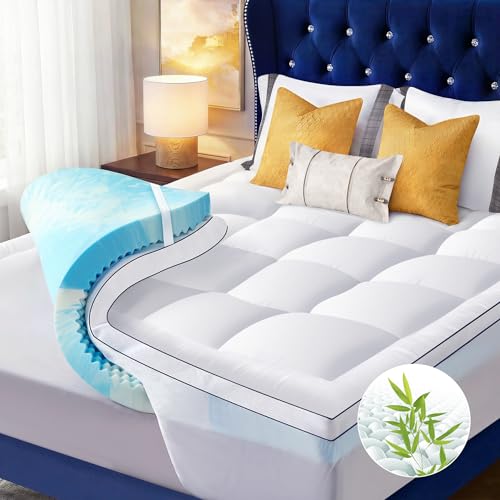
- 2-in-1 Double-Layer Mattress Topper: Featuring a dual-layer structure, designed...
- Relieves Pain & Supports Restful Sleep: The soft mattress topper bottom features...
- Cooling & Breathable: The 4 inch mattress topper fabric contains 40% Viscose...
Conclusion
A noisy mattress topper is a common but fixable problem. The sound typically stems from friction, material breakdown, or an unstable foundation. Identifying the specific cause is the most important first step.
With the diagnostic tips and solutions provided, from simple non-slip pads to strategic replacement, you can restore quiet to your bedroom. Consistent maintenance and choosing the right materials will ensure peaceful sleep for years to come.
Frequently Asked Questions about Why Your Topper Is Making Noise And How To Fix It Fast
Can a mattress topper cause a squeaky bed?
Yes, a mattress topper can contribute to a squeaky bed. It often acts as an intermediary layer that amplifies existing friction between the mattress and bed frame. The added pressure and movement can make underlying squeaks more noticeable.
To diagnose, remove the topper and test the bed. If the squeak persists, the issue is with the frame or mattress. If it stops, the topper is likely slipping; secure it with a non-slip pad or bed straps.
Why does my memory foam topper make a crunching sound?
A crunching or crackling sound in memory foam usually indicates material breakdown. This happens as the foam’s internal cells collapse and lose integrity over time. It is common in older or low-density foam toppers.
Unfortunately, internal foam degradation is not repairable. You can muffle the sound with a tight mattress encasement, but for a permanent solution, replacement is typically necessary when the noise becomes disruptive.
How do I stop my mattress topper from moving all night?
Use a non-slip mattress pad or protector underneath the topper. Products with a rubberized or silicone-dot backing provide excellent grip. This creates friction between the layers, preventing the topper from sliding.
For extra security, consider using bed suspenders or straps. These anchor the topper’s corners to the mattress, similar to how they secure a fitted sheet, eliminating almost all movement.
Is it normal for a new mattress topper to be noisy?
Some initial noise can be normal, often from packaging materials or the topper settling. Check for and remove any leftover plastic film trapped in the seams. Allow the topper 24-48 hours to fully expand and air out.
Persistent, loud crinkling or squeaking in a new topper is not typical and may indicate a defect. Contact the manufacturer if the noise does not subside after the break-in period and a proper setup.
What is the quietest type of mattress topper material?
High-density memory foam and natural latex are generally the quietest options. These materials have minimal internal friction and recover slowly, reducing motion-related sounds. They are less prone to the crinkling associated with lower-quality foams.
Avoid toppers with loose fiberfill or feathers if noise is a primary concern, as these materials can rustle and shift. Always look for models with a bonded or quilted cover to secure the fill.
Can I fix a lumpy, noisy mattress topper?
You can attempt to redistribute the fill in a fiber topper by manually kneading and smoothing it. For a foam topper, rotating and flipping it may help even out body impressions that cause noise.
If lumps are severe or the material is crumbling, the topper’s structure has likely failed. These issues are often irreversible, and the most effective long-term fix is to replace the topper with a higher-quality model.