
Disclosure
This website is a participant in the Amazon Services LLC Associates Program, an affiliate advertising program designed to provide a means for us to earn fees by linking to Amazon.com and affiliated sites.
Your mattress topper is a key investment for sleep quality, but it can lose support over time. This leads to discomfort, poor sleep, and wasted money on a product that fails to perform.
Beyond simple wear, a topper often loses support due to material breakdown from body heat and pressure. This creates uneven support zones that disrupt spinal alignment, accelerating the problem.
Is Your Mattress Topper Letting You Down, Leaving You Aching and Unrested?
That sinking, unsupportive feeling ruins sleep and your morning. A topper losing its structure fails to relieve pressure on your hips and shoulders. The BEDLORE King Mattress Topper provides targeted support with its contouring foam, cradling your body to maintain spinal alignment and eliminate those painful pressure points for rejuvenating sleep.
For restoring comfort and support, we suggest: BEDLORE King Mattress Topper

- 【Premium Quality】Experience ultimate comfort with our pillow top mattress...
- 【Breathable Design】 Stay cool and cozy all night with the king bed mattress...
- 【Enhanced Comfort】 Upgrade your sleep with this luxurious and durable king...
Common Reasons Your Mattress Topper Loses Firmness
A topper losing its supportive feel is frustrating. This decline is rarely random and is typically caused by specific, identifiable factors. these causes is the first step toward an effective fix.
Material Breakdown and Compression
All topper materials compress over time with nightly use. This is a natural process called material fatigue. The rate of breakdown depends heavily on the core material type and its quality.
- Memory Foam: Can become permanently indented, especially in warmer environments where it softens more. Low-density foam breaks down fastest.
- Latex: Generally more durable but can still develop body impressions if it is a softer Talalay blend or a lower-quality product.
- Feather/Down: Loses loft as clusters break and feathers lose their structure, leading to flat spots and reduced cushioning.
Improper Support from the Base Mattress
A topper cannot fix a severely sagging mattress. If your foundation lacks support, the topper will simply conform to the existing dip. This creates a support void that strains the topper’s material.
For example, placing a 3-inch memory foam topper on a 10-year-old innerspring mattress with a deep center sag is a temporary patch. The topper will quickly compress in that area, mirroring the problem below.
Care and Maintenance Mistakes
How you care for your topper directly impacts its lifespan. Common errors accelerate the loss of support. Proper maintenance is a simple yet powerful fix.
- Never Rotating or Flipping: Sleeping in the same spot every night creates permanent compression zones. Regularly rotating your topper distributes wear evenly.
- Using the Wrong Protector: A non-breathable, plastic mattress cover traps heat and moisture. This can degrade foam and cause down to clump.
- Inadequate Cleaning: Spills and body oils that seep in can break down materials from the inside, making them less resilient.
How to Fix a Sagging Mattress Topper Effectively
Once you know why your topper is failing, you can take action. These practical solutions range from quick fixes to more permanent replacements. The right approach depends on the severity of the problem and your budget.
Immediate Actions to Restore Topper Support
Before considering replacement, try these steps to extend your topper’s life. They are cost-effective and can provide noticeable short-term improvement.
- Rotate and Flip: Immediately rotate the topper 180 degrees so your head is where your feet were. If it’s double-sided, flip it over entirely.
- Check the Foundation: Ensure your bed frame and center support are intact. A slat-based frame may need additional center legs for reinforcement.
- Air It Out: Remove the topper and let it air out in a well-ventilated room for a full day. This can help some foam materials partially rebound.
When to Add a Mattress Board or New Base
If your base mattress is the culprit, a topper fix alone won’t work. Adding a supportive layer between the mattress and topper can create a stable foundation.
A bunkie board or firm mattress board placed on top of a sagging mattress provides a flat, rigid surface. This is an ideal solution for old box springs or beds with broken slats. It prevents the topper from dipping into the void below.
- Rotation/Flipping: Best for early-stage, even wear. Cost: Free.
- Mattress Board: Best for a sagging base mattress. Cost: Low to Medium.
- Replacement: Necessary for severe material breakdown. Cost: High.
Choosing a Replacement for Long-Term Support
Sometimes, the best fix is a new topper. When selecting a replacement, prioritize durability and proper support to avoid repeating the cycle.
- Opt for High-Density Foam: Choose memory foam with a density of at least 4 lbs/ft³ for better longevity and resistance to sagging.
- Consider Dunlop Latex: Natural or blended Dunlop latex is firmer and more durable than Talalay, offering superior, long-lasting support.
- Match Topper to Mattress: Use a firm topper on a soft mattress for support, and a soft topper on a firm mattress for pressure relief only.
Preventative Care to Extend Your Topper’s Lifespan
Proactive maintenance is the best defense against a topper losing support. Implementing a simple care routine can add years to its useful life. This protects your investment and ensures consistent sleep comfort.
Establishing a Regular Rotation Schedule
Consistent rotation is the single most effective preventative measure. It prevents body impressions from forming by distributing pressure evenly across the entire surface of the topper.
For a single-sided topper, rotate it head-to-foot every 1-2 months. If your topper is double-sided, flip it over when you rotate it. Mark your calendar to make this a regular habit, just like changing air filters.
Using the Right Mattress Protector
A quality protector is a non-negotiable shield. It prevents sweat, oils, and spills from degrading the topper’s core materials from the inside out. The wrong type, however, can cause damage.
- Choose Breathable Fabric: Look for protectors made from cotton, bamboo, or specialty breathable membranes. Avoid vinyl or plastic, which trap heat and moisture.
- Ensure a Proper Fit: A protector that is too tight can compress the topper, while one that is too loose can bunch up and create pressure points.
- Wash It Regularly: Follow manufacturer instructions to wash the protector every 1-2 months. This removes the allergens and moisture it has absorbed.
Optimal Bed Foundation and Environment
The support system and room environment play crucial roles. A weak foundation stresses the topper, and excessive heat can break down materials faster.
Always use a solid, supportive bed frame or foundation. Ensure slats are no more than 3 inches apart. Furthermore, keep your bedroom cool and well-ventilated, as heat accelerates the breakdown of memory foam and other materials.
Signs It’s Time to Replace Your Mattress Topper
Even with excellent care, every topper has a finite lifespan. Recognizing the clear signals of failure helps you avoid sleeping on an unsupportive surface. Replacing it at the right time is crucial for spinal health and sleep quality.
Visible and Physical Indicators of Failure
Your body and eyes will give you the first warnings. These signs indicate the material can no longer recover and provide adequate support.
- Permanent Body Impressions: Deep, visible dips or valleys remain even after rotating and airing out the topper for 48 hours.
- Lumps and Uneven Surfaces: The filling has shifted or clumped, creating uncomfortable pressure points and an uneven sleeping plane.
- Persistent Morning Pain: You consistently wake up with new or worsening back, hip, or shoulder pain that improves during the day.
Performance and Hygiene Red Flags
When a topper’s core function deteriorates, it’s no longer serving its purpose. Hygiene issues also signal it’s time for a change.
If you find yourself constantly readjusting or feeling like you’re rolling toward the center, the support is gone. Additionally, any lingering odors that survive a thorough cleaning indicate deep-seated bacteria or mold, compromising sleep hygiene.
| Sign | What It Means | Action Required |
|---|---|---|
| Deep, permanent sag | Material breakdown is severe and irreversible. | Immediate replacement needed. |
| Lumpy, uneven surface | Internal structure has failed or shifted. | Replace; cannot be fixed. |
| Age over 3-5 years | Normal lifespan exceeded for most materials. | Proactively plan for replacement. |
Considering Topper Age and Material Type
Different materials have different expected lifespans. Exceeding this age often leads to a rapid decline in performance, regardless of visible signs.
A high-quality memory foam topper typically lasts 3-5 years. Latex can last 5-8 years with care. Feather and down toppers often show significant wear after 2-3 years. If your topper is past its prime, replacement is the most reliable fix.
Choosing a Durable Topper That Maintains Support
Selecting the right topper from the start is the ultimate preventative strategy. A well-chosen product resists sagging and provides lasting comfort. Focus on material quality, density, and how it complements your existing mattress.
Key Material Specifications for Longevity
Technical specs are your best guide to durability. They indicate how well the material will withstand nightly compression over years.
- Foam Density: For memory foam, density is critical. Choose a minimum of 4 pounds per cubic foot (PCF) for good durability; 5 PCF or higher is ideal for long-term support.
- Latex Type: Dunlop latex is generally denser and more supportive than Talalay. Look for natural or blended latex with a high ILD (Indentation Load Deflection) rating for firmness.
- Fill Power and Construction: For down-alternative or feather toppers, a higher fill power and baffle-box construction prevent shifting and maintain loft.
Matching Topper Firmness to Your Sleep Needs
The right firmness level ensures proper spinal alignment, which reduces concentrated pressure points. A topper that is too soft for your weight will break down faster in key areas.
Side sleepers often need a medium-soft topper for shoulder and hip relief, while back and stomach sleepers require a medium-firm topper for proper support. Heavier individuals should always opt for firm, high-density options to prevent rapid sinking and sagging.
- Material density or fill power rating meets minimum recommendations.
- The topper comes with a warranty of at least 3 years against defects and sagging.
- Customer reviews specifically mention long-term support and lack of sagging after 1+ year of use.
The Role of Warranty and Trial Periods
A strong warranty is a manufacturer’s promise of durability. It protects your investment if the product fails prematurely due to material defects.
Look for a warranty that explicitly covers sagging or body impressions beyond a certain depth (e.g., 1.5 inches). A sleep trial period of at least 90 nights is also valuable, allowing you to test the topper’s support in your own home before fully committing.
Can I Fix a Sagging Memory Foam Topper?
You can attempt to improve minor sagging, but you cannot permanently repair a broken-down core. Start by rotating and airing it out thoroughly. Placing it in sunlight can help temporarily, but UV rays may damage it long-term.
For a significant, permanent body impression, the material’s cell structure has collapsed. At this stage, replacement is the only reliable solution for restoring proper sleep support and spinal alignment.
How Often Should I Rotate My Mattress Topper?
Establish a consistent rotation schedule to maximize lifespan. This simple habit is the most effective form of preventative maintenance you can perform.
- Single-Sided Toppers: Rotate 180 degrees (head to foot) every 1 to 2 months.
- Double-Sided Toppers: Flip it over and rotate it every 2 to 3 months.
- New Toppers: Begin rotating within the first month to set an even wear pattern from the start.
Is a Topper or a New Mattress Better for Support?
This depends entirely on the condition of your base mattress. A topper is designed to modify the feel of a structurally sound mattress, not to rescue a failing one.
- Use a Topper If: Your mattress is firm but uncomfortable, or has minor, even firmness loss.
- Buy a New Mattress If: Your base has deep sagging, broken springs, or is over 8 years old. A topper on a bad foundation is a temporary bandage.
What Topper Material is Most Resistant to Sagging?
High-density memory foam and natural Dunlop latex are generally the most sag-resistant options. High-density foam (4-5 PCF+) maintains its shape under pressure, while latex is inherently resilient and offers excellent long-term support with minimal impression formation.
Professional Tips for Mattress Topper Maintenance
Beyond basic care, experts recommend specific practices to preserve topper integrity. These advanced tips can significantly delay the onset of support loss. Implementing them ensures you get the maximum value from your purchase.
Seasonal Deep Cleaning and Air-Out
Perform a thorough deep clean at least twice a year, ideally during seasonal changes. This removes embedded allergens and allows materials to fully decompress and rebound.
- Vacuum Thoroughly: Use an upholstery attachment to remove all surface dust and debris from every side and crevice.
- Spot Clean Stains: Use a mild detergent and cold water. Never soak memory foam or down, and always blot—don’t rub.
- Air Dry Completely: Let the topper dry flat in a well-ventilated area, away from direct heat, for at least 24-48 hours before putting it back on the bed.
Optimizing Bedding for Topper Health
The sheets and blankets you use directly impact your topper’s environment. The right bedding promotes breathability and reduces stress on the materials.
- Use Breathable Sheets: Natural fibers like cotton, linen, or bamboo promote airflow, reducing heat buildup that degrades foam.
- Avoid Heavy Bedspreads: Extremely heavy comforters or weighted blankets can add constant pressure, accelerating compression. Ensure your foundation can handle the total weight.
- Loosen the Sheets: Do not tuck sheets in too tightly. This can create tension points that pull on and potentially distort the topper’s edges.
Strategic Use for Guest Beds and Spare Rooms
If you rotate between multiple sleeping surfaces, give your primary topper periodic breaks. Using a spare topper on a guest bed for a week or two allows your main topper to fully decompress without pressure, helping it recover its original shape and support.
Best Mattress Toppers for Lasting Support
Choosing a durable topper is the best long-term fix for support loss. These recommended options are selected for their quality construction and materials designed to resist sagging and maintain comfort.
Niagara Sleep Solution Ultra Soft Mattress Topper – Best for Pressure Relief
This topper offers a plush, ultra-soft feel ideal for side sleepers needing cushioning. Its 2-inch gel-infused memory foam helps regulate temperature while conforming to relieve pressure points. It includes a removable, washable cover for easy maintenance.

- ULTRA SOFT: Niagara Queen Mattress Topper is made from viscose made from bamboo...
- CLOUD-LIKE SLEEP: This queen mattress topper adds an extra cushion to...
- EASY TO USE: The cooling bed pad has a deep pocket, is easy to put on, and has...
SHOUREN Memory Foam Mattress Topper – Best Value & Support
A great balance of comfort and durability, this 3-inch ventilated memory foam topper promotes airflow to prevent overheating. Its medium-firm density provides excellent support for back and stomach sleepers, helping to maintain proper spinal alignment over time.
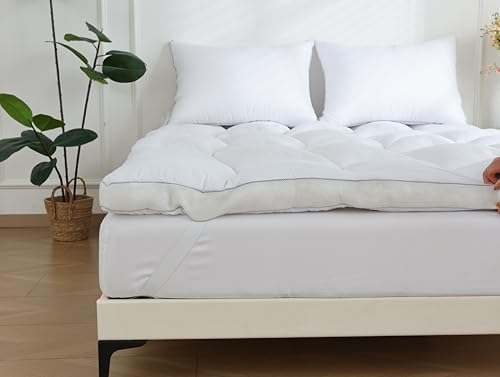
- Memory Foam Mattress Topper Fullf, 3In Thick Plush Gel Foam Bed Topper , Smooth...
ChiXpace Dual Layer 4 Inch Memory Foam Mattress Topper – Best for Deep Comfort
This premium option features a dual-layer design with a soft top layer and a firmer support base. The 4-inch total thickness is ideal for significantly renewing an old mattress, offering deep contouring and Strong, long-lasting support.
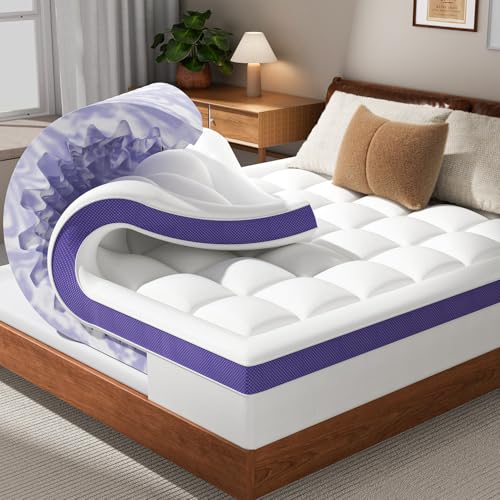
- Dual-Layer Design: This is Queen (60" x 80") size mattress topper. Our mattress...
- Comfortable Support: The memory foam with an egg-crate pattern provides...
- Cooling & Breathable: The ultra-soft fabric and premium gel-infused memory foam...
Conclusion
A mattress topper losing support is a common but fixable problem. By The causes—from material breakdown to a poor base—you can take targeted action to restore comfort.
The main point is that proactive care and choosing a high-quality, durable topper from the start are your best defenses. Addressing support issues promptly protects your sleep quality and ensures your investment provides lasting value.
Frequently Asked Questions about Why Your Topper Is Losing Support And Fix It Fast
How long should a good mattress topper last?
A high-quality mattress topper typically lasts between 3 to 5 years. Memory foam and latex models on the higher end of this range can last longer with proper care. The lifespan depends heavily on material density and maintenance.
Factors like your body weight, sleep habits, and whether you rotate the topper regularly also significantly impact its durability. Replacing it when it shows permanent sagging is crucial for maintaining sleep support.
Can I put a mattress topper on a sagging mattress?
You can place a topper on a sagging mattress, but it is only a temporary fix. The topper will eventually conform to the existing dip, failing to provide proper support. This can accelerate the topper’s own breakdown.
For a long-term solution, address the base mattress first. Use a supportive bunkie board or consider replacing the old mattress entirely before adding a new topper for comfort.
What is the difference between a topper losing support and just breaking in?
Breaking in is an initial softening that improves comfort and should happen evenly. Losing support involves permanent deformation, like deep body impressions that don’t rebound, creating an uneven sleeping surface.
If you feel like you are rolling into a valley or wake up with new aches, it’s support loss. A simple rotation test will show if dips remain in the same spot, confirming the material has failed.
Does a mattress protector help a topper last longer?
Yes, a breathable mattress protector is essential for longevity. It acts as a barrier against sweat, oils, and spills that can break down the topper’s internal materials from the inside out.
Choose a protector made from natural, breathable fibers. Avoid plastic or vinyl covers, as they trap heat and moisture, which can degrade foam and cause down or feather toppers to clump.
Is a firmer or softer topper better for preventing sag?
A firmer, high-density topper is generally more resistant to sagging. It provides better support and compresses less under body weight over time. Softer, low-density materials break down faster.
Your body weight is key. Heavier individuals should always opt for a firm, high-density option to prevent rapid compression and ensure the topper maintains its supportive structure.
Can I fix a lumpy feather or down mattress topper?
You can sometimes redistribute the filling by vigorously shaking and fluffing the topper. For baffle-box designs, you may gently massage lumps toward emptier chambers to even out the loft.
If lumps persist after thorough fluffing, the internal structure is likely compromised. Persistent clumping means the feathers or down clusters are broken, and replacement is the most effective solution.