
Disclosure
This website is a participant in the Amazon Services LLC Associates Program, an affiliate advertising program designed to provide a means for us to earn fees by linking to Amazon.com and affiliated sites.
An itchy mattress topper can ruin your sleep and leave you frustrated. The common causes is the first step toward finding a lasting, comfortable solution.
Often, the itchiness isn’t from the topper material itself but from accumulated dust mites, skin cells, or residue from detergents. A simple deep clean can often provide immediate relief.
Is Your Mattress Topper Causing Restless Nights and Morning Itchiness?
An itchy topper often means cheap, irritating materials or a worn-out surface. The ChiXpace Topper solves this with a dual-layer design: a plush, hypoallergenic cover for immediate comfort and 4 inches of cooling, pressure-relieving memory foam that provides a clean, supportive barrier between you and your old mattress.
For a deeply comfortable, itch-free sleep, we recommend: ChiXpace Dual Layer 4 Inch Memory Foam Mattress Topper
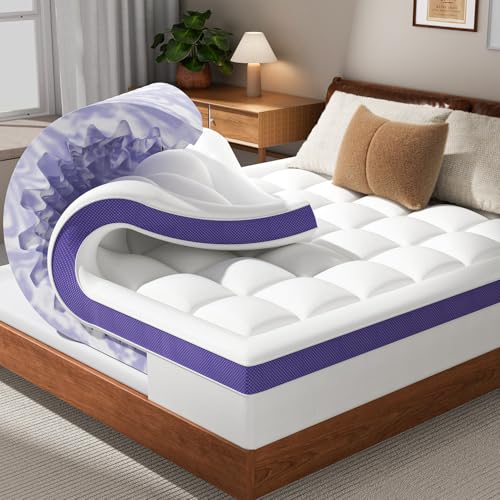
- Dual-Layer Design: This is Queen (60" x 80") size mattress topper. Our mattress...
- Comfortable Support: The memory foam with an egg-crate pattern provides...
- Cooling & Breathable: The ultra-soft fabric and premium gel-infused memory foam...
Common Causes of an Itchy Mattress Topper
The root cause of your itchy topper is essential for an effective fix. Several factors can trigger this irritation, from allergens to material breakdown. Identifying the specific culprit will guide your cleaning or replacement strategy.
Dust Mites and Allergen Buildup
Dust mites are microscopic creatures that thrive in warm, humid environments like your bedding. Their waste particles and shed body parts are a primary cause of allergic reactions and itchiness. Regular washing in hot water is crucial to eliminate them.
- Signs of Dust Mites: You may experience increased itchiness at night or upon waking, along with possible respiratory symptoms like sneezing.
- Hot Water Wash: To kill dust mites effectively, wash your topper cover or the entire topper (if instructions allow) in water at least 130°F (54°C).
- Use a Protector: A hypoallergenic mattress protector creates a barrier between you and the allergens, significantly reducing future buildup.
Chemical Irritants and Detergent Residue
Sometimes, the cleaning products you use are the problem. Harsh detergents, fabric softeners, and dryer sheets can leave behind a chemical residue on the topper’s fibers. This residue can irritate sensitive skin, causing persistent itchiness.
Opt for a hypoallergenic and fragrance-free detergent for all bedding washes. Ensure you run an extra rinse cycle to remove all soap suds completely. For memory foam or latex toppers, spot cleaning with a mild solution is often safer than machine washing.
Material Breakdown and Fiber Poking
Over time, the materials in your topper can physically degrade. Low-quality fiberfill can clump and lose its loft, while natural materials like wool can felt. In some cases, broken fibers or feathers can poke through the fabric cover, directly irritating your skin.
Inspect your topper for thin spots, lumps, or protruding fibers. If the internal materials are breaking down, the topper may have reached the end of its lifespan. Consider replacing it with a higher-quality model made from materials known for durability, such as high-density memory foam or latex.
Step-by-Step Solutions to Fix an Itchy Bed Topper
Once you’ve identified the likely cause, you can take direct action to stop the itching. The right solution depends on your topper’s material and the source of the irritation. Follow these targeted methods to restore comfort to your sleep surface.
Deep Cleaning Methods for Different Materials
Proper cleaning is the most effective way to remove allergens and chemical buildup. The method varies significantly by topper type to prevent damage. Never assume all toppers can be machine washed.
- Check the Care Label: This is your definitive guide for water temperature, cycle type, and drying instructions.
- Machine Washable Toppers (Fiberfill, Feather): Use hot water (130°F+) with hypoallergenic detergent. Add a cup of white vinegar to the rinse cycle to break down residue.
- Memory Foam or Latex Toppers: Vacuum thoroughly, then spot clean with a mild upholstery shampoo. Allow it to air dry completely, away from direct sunlight.
Eliminating Persistent Allergens and Residue
If a standard wash doesn’t work, stronger measures are needed. Persistent dust mites or deeply embedded detergent require a more aggressive approach. These methods ensure a thorough decontamination.
- Baking Soda Treatment: Sprinkle baking soda liberally over the dry topper, let sit for several hours, then vacuum thoroughly to absorb odors and loosen debris.
- Steam Cleaning: Using a handheld steamer can kill dust mites and bacteria without harsh chemicals. Always test on a small area first and ensure the topper dries fully.
- Double Rinse Cycle: For machine-washable items, run an additional rinse cycle with no detergent to ensure all soap is flushed from the fibers.
When to Consider Replacing Your Mattress Topper
Sometimes, cleaning is not enough. If the topper’s structure is compromised, it will continue to cause problems. Recognizing the signs of failure saves you time and effort.
Signs you need a new topper include permanent lumps, a musty smell that won’t fade, visible tears or thinning fabric, and persistent itchiness after multiple deep cleans. Investing in a quality, hypoallergenic replacement is often the best long-term solution for comfort and health.
Preventing Future Itchiness in Your Mattress Topper
Proactive care is the best defense against a recurring itchy topper problem. Establishing simple maintenance habits can extend your topper’s life and keep it comfortable. Prevention focuses on creating a clean, dry, and protected sleep environment.
Essential Protective Barriers and Covers
A high-quality mattress protector is your first line of defense. It acts as a shield, blocking dust mites, sweat, and dead skin cells from penetrating the topper below. Look for a protector that is waterproof, breathable, and specifically labeled as hypoallergenic.
- Zippered Encasements: These fully enclose the topper, providing the most complete protection against allergens and bed bugs.
- Fitted Protector Pads: These are easier to remove and wash frequently, acting as a sacrificial layer that takes the brunt of the wear.
- Material Matters: Choose protectors made from tightly woven cotton or specialty fabrics like Tencel, which are less permeable to allergens.
Establishing a Routine Maintenance Schedule
Consistency is key to preventing allergen buildup. A regular cleaning schedule stops irritants from accumulating to problematic levels. This routine should encompass all layers of your bedding system.
- Weekly: Wash all sheets, pillowcases, and any removable topper covers in hot water (130°F+).
- Monthly: Vacuum the top and sides of your mattress topper using an upholstery attachment to remove surface dust.
- Seasonally: Air out your topper by leaving it uncovered on a bed for a few hours with windows open, weather permitting.
Choosing the Right Topper Material from the Start
If you are purchasing a new topper, selecting a naturally resistant material can prevent future issues. Some materials are inherently less hospitable to dust mites and mold. This initial choice is a powerful long-term prevention strategy.
Latex and high-density memory foam are excellent choices as their structures don’t allow dust mites to thrive. For natural fibers, look for wool toppers, which are naturally temperature-regulating and antimicrobial. Always avoid low-quality fiberfill that degrades quickly and is difficult to clean thoroughly.
Special Considerations for Sensitive Skin and Allergies
If you have eczema, sensitive skin, or allergies, a standard fix might not be enough. Your bedding requires a more meticulous approach to eliminate even minor irritants. Creating a truly hypoallergenic sleep sanctuary involves specific products and protocols.
Selecting Truly Hypoallergenic Bedding Products
The term “hypoallergenic” is not strictly regulated, so careful selection is crucial. You must scrutinize materials and certifications to ensure they meet your needs. Look for products that are scientifically designed to minimize allergic reactions.
- Certifications Matter: Seek out seals from independent organizations like the Asthma and Allergy Foundation of America (AAFA) or CertiPUR-US for foam.
- Material Shortlist: Organic cotton, bamboo-derived rayon (lyocell/Tencel), and natural latex are top choices for their breathability and resistance to microbes.
- Avoid Common Irritants: Steer clear of bedding with chemical fire retardants, permanent-press finishes, and any synthetic fragrance.
Creating an Allergen-Reduction Routine
Your cleaning routine must be more rigorous to protect sensitive skin. The goal is to drastically reduce the total allergen load in your sleeping environment. Consistency with these steps can lead to significant symptom relief.
- Wash in Very Hot Water: Consistently use the hottest water safe for your fabrics to ensure dust mite elimination.
- Double Rinse: Always select an extra rinse cycle to remove every trace of detergent, a common skin irritant.
- Damp Dust Weekly: Wipe down your bed frame and headboard with a damp cloth to prevent dust from settling onto your bedding.
When to Consult a Doctor or Allergist
If you have followed all prevention and cleaning steps diligently but still experience severe itchiness, redness, or breathing difficulties at night, consult a professional. You may have a specific allergy that requires identification. An allergist can perform tests to pinpoint triggers, such as a specific mold or dust mite allergy, and recommend targeted treatments alongside your bedding strategy.
Comparing Topper Materials and Their Itch Potential
Not all mattress toppers are created equal when it comes to comfort and allergen resistance. The core material significantly influences how prone it is to causing itchiness and harboring irritants. Choosing wisely can prevent problems before they start.
| Material | Itch & Allergen Risk | Key Maintenance Tip |
|---|---|---|
| Memory Foam (High-Density) | Low. Dense structure is inhospitable to dust mites. Risk comes from cover or chemical off-gassing. | Use a washable cover; spot clean only; air out regularly. |
| Natural Latex | Very Low. Naturally antimicrobial and resistant to dust mites and mold. | Wipe with damp cloth; ensure good ventilation to prevent moisture buildup. |
| Feather/Down | High. Prime habitat for dust mites; feathers can poke through fabric. | Frequent hot washing with a duvet cover is mandatory. |
| Polyester Fiberfill | Medium to High. Low-quality fill clumps and degrades; holds allergens if not washed often. | Machine wash frequently; replace every 1-2 years as it breaks down. |
| Wool | Low. Naturally temperature-regulating and moisture-wicking; deters dust mites. | Air out and sun-dry occasionally; professional cleaning is often recommended. |
How Material Density and Weave Affect Comfort
The physical construction is as important as the material itself. A tight, durable fabric cover prevents internal materials from poking through to irritate your skin. High-density foams and tightly felted wool are less likely to develop uncomfortable lumps or protruding fibers over time.
Long-Term Investment vs. Short-Term Cost
While a budget polyester topper seems economical, its short lifespan and high maintenance for allergy sufferers make it a poor long-term value. Investing in a higher-quality material like latex or dense memory foam, though initially more expensive, typically offers better durability, easier cleaning, and superior allergen resistance, leading to greater comfort and fewer replacements.
DIY Remedies and Professional Cleaning Options
When standard washing isn’t enough, you can escalate to more powerful home solutions or seek professional help. Knowing when to DIY and when to call an expert saves time, money, and your topper. This section outlines effective advanced treatments for stubborn itchiness.
Effective Homemade Cleaning Solutions
Simple household items can break down residues and refresh your topper without harsh chemicals. These solutions are cost-effective and ideal for spot treatment or freshening up the entire surface. They are particularly useful for tackling detergent buildup and mild odors.
- Vinegar and Water Spray: Mix equal parts white vinegar and water in a spray bottle. Lightly mist the surface, then blot with a clean cloth to neutralize odors and dissolve alkaline residues.
- Baking Soda Paste for Stains: Make a paste with baking soda and a small amount of water. Apply to stubborn stains, let it dry completely, then vacuum it away to lift the discoloration.
- Essential Oil Freshener: Add a few drops of tea tree or eucalyptus oil (known for antimicrobial properties) to your baking soda before sprinkling it for a fresh scent and extra cleaning power.
When and How to Hire a Professional Cleaner
For valuable, delicate, or heavily soiled toppers, professional cleaning is the safest and most thorough option. Experts have industrial-grade equipment and solutions that penetrate deeply without damaging the core materials. This is the best choice for memory foam, latex, or wool toppers that cannot be submerged.
Look for a service that specializes in upholstery or mattress cleaning and uses eco-friendly, hypoallergenic cleaning agents. They will typically use hot water extraction (steam cleaning) or dry cleaning methods. Always confirm they have experience with your specific topper material before booking.
Assessing Cost vs. Benefit for Topper Revival
Before investing in professional cleaning, weigh the cost against the price of a replacement. If your topper is mid-to-high-end and otherwise in good structural shape, professional cleaning can extend its life for years. For an old, low-cost topper that is lumpy or thin, replacement is usually the more economical and effective long-term solution for ending itchiness.
Addressing Specific User Questions About Itchy Toppers
Many sleepers have very specific concerns that aren’t covered by general advice. This section tackles common, nuanced questions head-on with direct, practical answers. Solving these edge cases can be the key to finally achieving a comfortable night’s sleep.
“Why Is My Brand New Mattress Topper Itchy?”
A new topper can be itchy due to manufacturing residues, chemical off-gassing, or loose micro-fibers from the fabric cover. This is common and usually temporary. Airing out the topper for 24-48 hours in a well-ventilated room can dissipate volatile organic compounds (VOCs).
- Wash the Cover: Immediately wash any removable cover to remove sizing chemicals and loose fibers before first use.
- Vacuum the Surface: Use a brush attachment to vacuum both sides of the topper to pick up any debris from packaging and production.
- Allow Off-Gassing: Unwrap and leave the topper in a spare room or garage for a couple of days to let any chemical smell and potential irritants air out.
Dealing with Recurring Itch After Cleaning
If the itch returns soon after washing, the cleaning process itself may be the culprit. Incomplete rinsing leaves detergent residue that attracts dirt and irritates skin. Alternatively, using a dryer sheet or scented detergent reintroduces chemicals directly onto the sleep surface.
Commit to a double rinse cycle with no additives. Switch to a free and clear detergent formulated for sensitive skin. Ensure the topper is 100% dry before remaking the bed, as even slight dampness can promote mildew, which is a potent allergen.
Itchy Spots vs. Overall Discomfort: What’s the Difference?
An overall, diffuse itch typically points to a widespread issue like dust mites or detergent residue. A specific, localized itchy spot, however, suggests a different problem. Inspect that area closely for a broken seam, a cluster of pilling fabric, or a small stain that might be hosting bacteria or mold. This focused issue may require spot treatment or even a patch repair.
Best Mattress Toppers to Prevent Itchiness
Choosing the right topper from the start can prevent many common causes of itchiness. These recommended options prioritize materials and construction that resist allergens and are easy to maintain. Each is an excellent choice for a specific sleep need and comfort preference.
Linenspa Memory Foam Mattress Topper – Best for Dust Mite Resistance
This high-density memory foam topper is naturally resistant to dust mites due to its solid structure. It features a removable, machine-washable cover for easy cleaning of allergens. The foam provides pressure relief while creating an inhospitable environment for common irritants.

- PRESSURE RELIEVING MEMORY FOAM: Plush gel infused memory foam conforms to your...
- COOLING GEL INFUSIONS: This topper is infused with a cooling gel that helps...
- MULTIPLE PROFILE OPTIONS: Choose your own level of comfort with a plush 2-inch...
DOWNCOOL 3 Inch Queen Mattress Topper – Best for Easy, Frequent Washing
Ideal for those who need regular hot washes, this fiberfill topper is entirely machine washable and dryable. Its breathable design helps regulate temperature, and the easy-care nature allows you to eliminate dust mites and residue weekly without hassle.
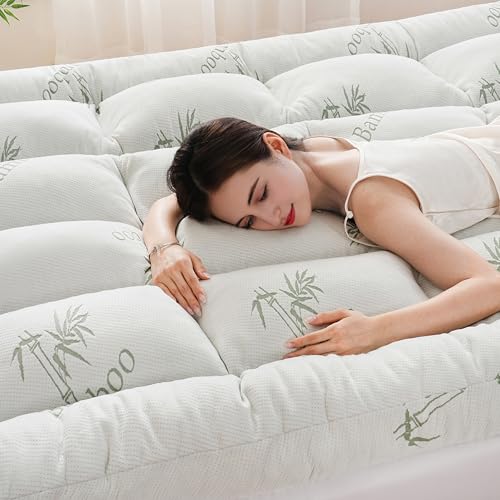
- Cooling Bamboo Viscose Top with 3D Air Layer: Made of 39% bamboo viscose and...
- Plush Pillow Top for Pressure Relief: Made with a thin gel memory foam layer and...
- Secure Deep Pocket Design: The elastic deep pocket skirt wraps around the...
SINWEEK Mattress Topper Twin XL – Best Budget-Friendly, Hypoallergenic Option
This affordable option features a skin-friendly, breathable fabric cover and CertiPUR-US certified foam. It’s a great value pick for dorm beds or guest rooms, offering a clean, comfortable surface that minimizes potential for irritation without a high cost.

- GEL MEMORY FOAM MATERIAL: Our memory foam mattress topper readily conforms to...
- MORE COMFORTABLE SLEEP: The gel memory foam material used in our mattresses...
- SOFT BUT NOT FOLDABLE: our mattress is soft, do not roll up and store too long...
Conclusion
An itchy mattress topper is a common but solvable problem, often stemming from allergens, residue, or material failure. By identifying the specific cause, you can apply a targeted solution, from deep cleaning to strategic replacement.
The key to lasting comfort is a combination of proper maintenance, using protective covers, and selecting a topper material suited to your needs. With the right approach, you can transform an irritating sleep surface into a comfortable, itch-free haven.
Frequently Asked Questions about Why Your Topper Is Itchy And How To Fix It
Can a mattress topper cause an allergic reaction?
Yes, a topper can trigger allergies primarily due to dust mites and their waste. These microscopic creatures thrive in warm, humid bedding. Their shed body parts and feces are common airborne allergens.
Other triggers include mold spores from moisture and chemical residues from detergents or the topper itself. Using hypoallergenic covers and washing bedding in hot water weekly are the best defenses against these reactions.
How often should I wash my mattress topper to prevent itchiness?
Wash removable covers every 1-2 weeks in hot water to control dust mites. The frequency depends on your sensitivity and whether you sleep hot or have pets. Consistent washing prevents allergen buildup.
For the topper itself, deep clean it every 3-6 months, following the manufacturer’s instructions. Machine-washable models can be washed more often, while foam toppers require vacuuming and spot cleaning instead of immersion.
Is it safe to put vinegar on my mattress topper?
Yes, white vinegar is generally safe and effective for most topper fabrics. It helps break down detergent residue and alkaline stains that can cause itchiness. Always dilute it with equal parts water in a spray bottle.
First, test the solution on a small, inconspicuous area. For machine-washable toppers, add a cup of vinegar to the rinse cycle. It neutralizes odors and softens fibers without leaving a harsh chemical smell behind.
Why is my topper only itchy in certain spots?
A localized itchy spot often indicates a fabric flaw or concentrated soil. Check for a broken seam, pilling fabric, or a small stain in that area. These spots can trap moisture and bacteria.
It could also be a feather poking through or a lump of degraded filling. Inspect the spot closely and treat it with a targeted spot clean. If the material is physically failing, a patch or replacement may be needed.
Can I be allergic to the memory foam in my topper?
True allergy to the foam itself is rare, but chemical off-gassing can cause irritation. New foam may release volatile organic compounds (VOCs) that sensitive individuals react to. This usually subsides after airing out.
More commonly, people react to the fabric cover or allergens trapped on its surface. Using a certified, low-VOC foam topper with a removable, washable cover minimizes this risk significantly.
When is it time to replace an itchy mattress topper instead of cleaning it?
Replace your topper if deep cleaning fails to stop the itch, especially if it’s over 3-5 years old. Visible signs like permanent lumps, thinning fabric, or a persistent musty odor also indicate it’s beyond saving.
If the internal materials are breaking down and poking through, no amount of cleaning will help. Investing in a new, higher-quality topper made from hypoallergenic materials is the most effective long-term solution for comfort.