
Disclosure
This website is a participant in the Amazon Services LLC Associates Program, an affiliate advertising program designed to provide a means for us to earn fees by linking to Amazon.com and affiliated sites.
Your mattress topper is a key to comfort, but when it fails, sleep suffers. Why it breaks down is the first step to a quick, effective fix.
Common culprits include poor materials, improper cleaning, and simple wear from nightly use. A sagging or lumpy topper can lead to back pain and restless nights, making a solution urgent.
Is Your Mattress Topper Lumpy, Sagging, and Ruining Your Sleep Night After Night?
That sinking, uneven feeling means your support is gone, leading to aches and restless nights. The COONP King Mattress Topper solves this with its high-density, pressure-relieving foam that rebuilds a perfectly flat, supportive sleep surface, eliminating lumps and restoring comfort for deep, uninterrupted sleep.
For restoring comfort and support, our top choice is: COONP King Mattress Topper

- 1.Extra Thick and Luxury Comfort: Drift into a sounder, deeper sleep on this...
- 2.Cool and Breathable: The top surface features good ventilation and distributes...
- 3.Elastic Deep Pocket: Elastic deep pocket will wrap mattress(8-21") tightly. It...
Common Reasons Your Mattress Topper Is Deteriorating
Why your sleep surface is failing is crucial for finding the right fix. Several factors, from material quality to daily habits, contribute to premature breakdown. Identifying the root cause saves you time and money on repairs.
Material Breakdown and Poor Quality
Low-density foam and cheap fiberfill are primary culprits for a topper falling apart. These materials lack the resilience needed for nightly compression, leading to permanent indentations and lumps. Investing in higher-quality materials like high-density memory foam or natural latex significantly extends lifespan.
- Memory Foam Sagging: Heat and body weight cause low-quality foam to lose its supportive cell structure over time, creating deep body impressions.
- Fiberfill Clumping: Inexpensive polyester fill shifts and bunches with movement, destroying even support and creating uncomfortable lumps.
- Bond Failure: The adhesive layers binding the topper’s materials together can degrade, causing the layers to separate and shift.
Improper Care and Cleaning Mistakes
Many topper failures stem from incorrect maintenance. Using harsh chemicals or improper drying methods can break down materials from the inside out. Always follow the manufacturer’s care label to the letter.
For example, machine-washing a memory foam topper will destroy its structure, while spot-cleaning with a mild detergent is safe. Similarly, placing a wet topper in a dryer often melts adhesives or causes uneven shrinking.
Physical Wear and Tear from Use
Even the best toppers succumb to natural fatigue. Every night, your body applies pressure, moisture, and friction, which gradually degrade the materials. This is normal, but certain habits accelerate the process.
- Lack of Rotation: Never rotating your topper leads to concentrated wear in the hip and shoulder areas, causing premature sagging.
- Inadequate Support: Placing a plush topper on a sagging mattress creates uneven pressure points, straining the topper’s structure.
- Direct Sunlight: UV rays can break down and weaken foam and fabric fibers, making them brittle and prone to tearing.
How To Fix a Mattress Topper That’s Falling Apart
Once you know why your topper failed, you can apply targeted solutions. Many issues have straightforward fixes that can restore comfort and extend usability. Acting quickly prevents minor damage from becoming a total loss.
Immediate Solutions for a Sagging or Lumpy Topper
For temporary relief and minor damage, try these quick fixes to improve your sleep surface. These methods can redistribute material and provide short-term support while you plan a permanent solution.
- Rotate and Flip: Immediately rotate the topper 180 degrees. If it’s double-sided, flip it over to utilize less-worn material and even out pressure.
- Use a Mattress Pad: Place a thin, firm mattress pad on top of the topper. This can help smooth out minor lumps and prevent further shifting of fill material.
- Spot Fluff Fiberfill: For clumped feather or polyester toppers, gently massage and separate the bunched material by hand to redistribute it evenly.
Repair Methods for Specific Damage Types
Different problems require different repair strategies. Matching the fix to the specific failure is key to a successful, long-lasting result.
For a torn cover or seam, use a heavy-duty needle and upholstery thread to sew a tight, reinforced stitch. For separated layers in a memory foam topper, apply a thin layer of water-based adhesive between the layers, press firmly, and allow 24 hours to fully cure under weight.
| Problem | Best Repair Method | Tools Needed |
|---|---|---|
| Small Tear or Hole | Upholstery Patch Kit | Fabric patch, adhesive, weights |
| Permanent Body Impression | Strategic Support Insert | Firm foam piece, scissors |
| General Flatness & Loss of Support | Combination Topper Refresh | New egg crate topper, non-slip pad |
When To Replace Your Mattress Topper
Not every topper can be saved. Recognizing when repairs are futile prevents wasted effort and ensures you get the restorative sleep you need. Persistent discomfort is a clear signal.
- Deep, Permanent Sagging: If the foam core is compressed beyond recovery and no longer rebounds.
- Extensive Material Breakdown: When foam is crumbling or filling is leaking out through multiple tears.
- Allergic Reactions: If old materials are harboring dust mites or mold that cleaning cannot resolve.
Preventative Care To Extend Your Topper’s Lifespan
Proactive maintenance is the best defense against a topper falling apart. Simple, consistent habits can add years of comfort and support. Protecting your investment starts with daily routines and proper support.
Essential Maintenance Routine for All Topper Types
A regular care schedule prevents the accumulation of dirt, moisture, and wear that breaks down materials. Consistency is more effective than occasional deep cleaning.
- Weekly Rotation: Rotate your topper head-to-foot every week for the first three months, then monthly thereafter to ensure even wear.
- Use a Protector: Always employ a high-quality mattress protector. This barrier shields against spills, sweat, dust mites, and body oils.
- Regular Air-Outs: Strip your bed and allow the topper to air out for a few hours monthly. This reduces moisture buildup and refreshes the materials.
Correct Cleaning Techniques by Material
Cleaning mistakes are a major cause of damage. Always follow the manufacturer’s instructions and use these material-specific guidelines for safe care.
- Memory Foam & Latex: Never soak or machine wash. Only spot clean with a mild detergent and damp cloth, then blot dry. Avoid direct heat when drying.
- Feather/Down: Professional cleaning is recommended. For home care, use a gentle, down-safe detergent in a large, commercial-sized washer on a delicate cycle.
- Polyester Fiberfill: Most can be machine washed on a gentle cycle with cool water. Tumble dry on low heat with tennis balls to re-fluff the filling.
Optimizing Bed Foundation and Support
Your topper’s longevity depends heavily on what’s underneath it. An unsupportive base accelerates wear and creates pressure points that break down the topper’s structure.
Ensure your mattress itself is still in good condition. A topper cannot fix a completely broken-down mattress. For platform beds, check that slats are no more than 3 inches apart to prevent the topper from sagging between them. Using a non-slip mattress pad between the mattress and topper prevents shifting and bunching.
Choosing a Durable Mattress Topper That Lasts
If replacement is necessary, selecting a high-quality topper prevents future problems. Key features in materials and construction determine long-term durability and value. Investing wisely saves money and ensures lasting comfort.
Material Comparison for Longevity and Support
Not all topper materials are created equal. Their density, resilience, and response to pressure directly impact how long they will maintain their shape and function.
| Material | Expected Lifespan | Durability Factor | Best For |
|---|---|---|---|
| High-Density Memory Foam (4-5 lbs/ft³) | 5-7 years | Excellent pressure relief, slow recovery reduces sag | Side sleepers, pain relief |
| Natural Latex | 8-10+ years | Superior resilience, naturally antimicrobial | Durability, cool sleep, bounce |
| Quality Feather/Down | 3-5 years | Requires frequent fluffing, can clump | Plush, luxurious feel |
| Standard Polyester Fiberfill | 1-3 years | Lowest cost, compresses and shifts quickly | Very temporary budget solution |
Key Features To Look For When Buying
Beyond material, specific construction details are hallmarks of a well-made topper. These features combat the common causes of breakdown discussed earlier.
- Density Rating: For foam, always check the density. A rating of 4 pounds per cubic foot or higher indicates durable, long-lasting foam.
- Cover Quality: A removable, machine-washable cover made of breathable fabric like cotton or bamboo is essential for easy maintenance.
- Warranty Length: A manufacturer’s warranty of 3-5 years signals confidence in the product’s durability and provides consumer protection.
- Edge Support: Reinforced edges prevent the topper from collapsing when you sit on the side of the bed, maintaining its structure.
Matching Topper Type To Your Sleep Style
The right topper for your body and sleep position will wear more evenly. A mismatch creates excessive pressure in specific areas, leading to premature failure.
Side sleepers need a thicker, plusher topper (3-4 inches) to cushion hips and shoulders, making high-density memory foam an ideal choice. Back and stomach sleepers generally require a thinner, firmer topper (2-3 inches) to maintain spinal alignment, where natural latex excels. Combination sleepers should prioritize responsive materials that allow for easy movement.
Can I Fix a Mattress Topper with Body Impressions?
Yes, you can improve minor to moderate body impressions, but deep, permanent sagging often requires replacement. The success of the fix depends on the material and depth of the impression.
- For Memory Foam: Try the sunlight method. On a warm day, place the indented area in direct sunlight for 2-3 hours. The heat can help the foam cells temporarily expand and recover some shape.
- For Fiberfill or Feather: Vigorously fluff and massage the entire topper by hand. Redistributing the filling from the edges into the depressed area can help level the surface.
- For All Types: As a last resort, carefully unzip the cover (if possible) and insert a thin, firm piece of foam cut to size directly under the sagging area for added support.
How Often Should I Replace My Mattress Topper?
Replacement timing varies by material quality and care, but general guidelines exist. Listen to your body; persistent aches and poor sleep are clear signals.
High-quality memory foam or latex toppers typically last 5-8 years with proper care. Inexpensive polyester fiberfill toppers may need replacement every 1-3 years. Regardless of age, replace your topper immediately if you notice lumps that cannot be smoothed, a musty odor that won’t clean, or if it no longer provides any noticeable comfort or support.
Is It Worth Repairing vs. Replacing a Cheap Topper?
This is a cost-benefit analysis. For inexpensive fiberfill toppers under $50, replacement is almost always more cost-effective and less frustrating than repair.
Consider repair if the damage is minor (a small tear) and the topper is otherwise in good shape. Choose replacement if the topper is old, extensively lumpy, or has widespread compression. Investing repair time and money into a low-quality product often leads to another failure soon after.
Professional Services and When To Call Them
Some topper problems exceed DIY repair capabilities. Knowing when to seek professional help can save your topper and is often more economical than replacement. Specialists have the tools and expertise for complex restorations.
Types of Professional Topper Repair Services
Several specialized services can breathe new life into a high-quality, damaged topper. These are ideal for sentimental value items or expensive natural material toppers.
- Upholstery Shops: Experts at repairing torn covers, replacing zippers, and re-seaming edges with industrial equipment for a seamless, durable fix.
- Bedding Restoration Services: Specialize in deep cleaning feather, down, and wool toppers to remove allergens, odors, and re-bag the filling to eliminate clumps.
- Foam Fabricators: Can cut and insert new high-density foam cores into an existing topper cover or replace entire collapsed sections in a memory foam pad.
Cost-Benefit Analysis of Professional Help
Weighing the cost of service against the value of your topper is crucial. Professional repair makes financial sense only when the topper’s base value or personal worth justifies the expense.
| Service Type | Average Cost Range | When It’s Worth It |
|---|---|---|
| Deep Cleaning (Down/Feather) | $75 – $150 | For a high-end down topper that has clumped but is otherwise intact. |
| Major Cover Repair/Replacement | $100 – $250 | If you have a premium latex or foam core with a damaged custom cover. |
| Foam Core Replacement | $200+ | Rarely cost-effective unless the topper cover is custom or exceptionally high-quality. |
Identifying Problems That Require an Expert
Certain damage scenarios are clear indicators that professional assessment is needed. Attempting a complex DIY fix on these issues can cause irreversible harm.
Seek a professional for persistent mold or mildew issues that home cleaning cannot resolve, as spores can embed deep within materials. Major internal structural failures, like a broken internal baffle box in a down topper, also require specialist tools. Finally, if you have a valuable antique or natural wool topper, professional care preserves its integrity and value far better than trial and error.
DIY vs. Replacement: Making the Final Decision
Facing a failing topper leads to a critical choice: attempt a repair or buy new. This decision hinges on the damage severity, topper value, and your own time. A clear framework helps you choose the most practical and cost-effective path.
Assessment Checklist for Your Damaged Topper
Answer these questions honestly to evaluate the true state of your sleep accessory. This objective assessment moves you past hope and into a practical decision.
- Age: Is the topper beyond the typical lifespan for its material type (e.g., over 5 years for foam)?
- Extent of Damage: Is the damage localized (one tear) or widespread (lumps, sagging, and odor)?
- Material Quality: Was it a high-end purchase worth saving, or a low-cost, disposable model?
- Sleep Impact: Are you waking up with new aches, or is the discomfort merely minor?
Step-by-Step Guide To Choosing Your Path
Follow this logical sequence to arrive at a confident decision. This process balances effort, cost, and the likelihood of a successful outcome.
- Attempt Quick Fixes First: Always try rotation, spot cleaning, and re-fluffing. If these restore acceptable comfort, you’ve solved the problem.
- Research Repair Viability: For remaining issues, research the specific repair (e.g., “fix memory foam sag”). If it requires uncommon tools or high skill, lean toward replacement.
- Calculate the True Cost: Add the cost of repair materials and your time value. Compare this total to the price of a new, durable topper that addresses previous shortcomings.
- Prioritize Health and Sleep: If the topper is causing pain or allergic reactions, replacement is not an expense—it’s a necessary investment in your well-being.
Signs Replacement Is the Only Sensible Option
Certain red flags unequivocally point toward purchasing a new topper. Ignoring these signs often leads to wasted money on futile repairs and continued poor sleep.
Replace the topper if you notice a persistent musty or moldy smell, indicating deep contamination. Visible crumbling of foam material or leaking of filling through multiple holes also signals terminal breakdown. Finally, if the topper no longer provides any discernible cushioning or pressure relief—lying directly on the mattress feels the same—its functional life is conclusively over.
Best Durable Mattress Topper Recommendations
If your current topper is beyond repair, investing in a high-quality replacement is the ultimate fix. These recommended options are built with durability in mind to resist sagging, clumping, and premature wear. Each excels for different sleep needs and preferences.
Sleep On Latex Pure Green Natural Latex Mattress Topper – Best for Long-Term Durability
This topper is renowned for its exceptional resilience and longevity. Made from 100% natural latex, it resists sagging and body impressions better than most foams. It offers a responsive, supportive feel and is naturally cooling and antimicrobial, making it an ideal long-term investment.
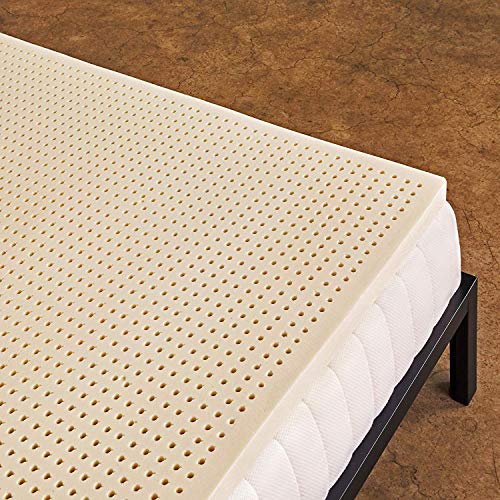
- Soft - Great for Adding Softness to the Surface of a Mattress
- Adjusts to Your Body Instantly - Latex Foam Naturally Stays Cool
- Made of Natural Latex Harvested from Organically Grown Rubber Trees
Biteany Dual Layer Memory Foam Mattress Topper – Best for Pressure Relief
This dual-layer design combines a cooling gel-infused memory foam top with a supportive high-density base foam. The construction targets pressure points while preventing the deep sag common in single-layer toppers. The breathable cover enhances airflow, and the firm base layer promotes proper spinal alignment.

- GET 2X SUPPORT FROM MATERIAL REVOLUTION! Biteany queen mattress topper combines...
- PAIN-FREE SLEEP, CUSTOMIZES COMFORT! Our queen size mattress topper can...
- STAY COOL & SLEEP SAFE! The cooling mattress topper features a 3D air mesh...
SHOUREN Memory Foam Mattress Topper – Best Budget-Friendly Upgrade
For a cost-effective solution that still prioritizes durability, this topper features certified high-density foam designed to resist premature flattening. It includes a removable, machine-washable cover for easy maintenance. It provides a significant comfort boost over a failing topper without a high price tag.
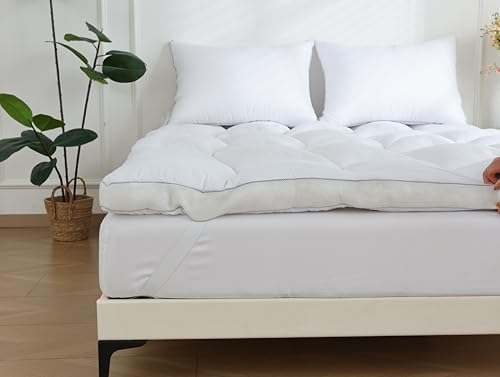
- Memory Foam Mattress Topper Fullf, 3In Thick Plush Gel Foam Bed Topper , Smooth...
Conclusion
A mattress topper falling apart is a common but fixable problem. From quick DIY repairs to choosing a durable replacement, you have multiple paths to restore comfort.
The key is proactive care: use a protector, rotate regularly, and clean correctly. Investing in quality materials and proper maintenance ensures your next topper provides restful sleep for years to come.
Frequently Asked Questions about Why Your Topper Is Falling Apart And How To Fix It Fast
Can I put a mattress topper in the washing machine?
It depends entirely on the material. Most memory foam and latex toppers are spot-clean only, as machine washing will destroy their structure. Always check the manufacturer’s care label first before attempting any cleaning method.
Polyester fiberfill and some feather toppers may be machine washable on a gentle cycle. Use cold water and a mild detergent, and ensure the topper is completely dry before use to prevent mold growth inside the layers.
Why is my new memory foam topper already sagging?
This is often due to low-density foam, which lacks the resilience for proper support. Cheap foam compresses quickly under body weight, creating permanent body impressions within weeks or months of use.
It could also be an issue of inadequate mattress support. Placing a soft topper on a sagging mattress accelerates wear. Ensure your foundation is firm and level to maximize your topper’s lifespan and performance.
How can I stop my feather topper from clumping?
Regular fluffing is essential. Vigorously shake and pat the topper daily to redistribute the feathers and down. This prevents the fill from settling and compacting into uncomfortable, hard lumps in specific areas.
Using a tightly-woven, baffle-box construction cover helps keep the fill in separate compartments. For severe clumping, professional cleaning and re-bagging services can completely restore the topper’s even loft and comfort.
Is it normal for a mattress topper to smell bad?
A mild “off-gassing” odor from new foam is normal and should dissipate within 48 hours in a well-ventilated room. This is caused by volatile organic compounds (VOCs) releasing from the material.
A persistent musty or mildew smell indicates a serious problem, often from moisture or sweat penetration. This usually requires deep cleaning or replacement, as the odor signifies bacteria or mold growth within the layers.
Can a mattress topper fix a bad mattress?
A topper can temporarily improve comfort on a mattress that is too firm, but it cannot fix structural failure. It adds cushioning but cannot correct deep sagging, broken springs, or a collapsed mattress core.
If your mattress itself has significant body impressions or lacks support, a topper will only mask the problem briefly. The unsupportive base will cause the topper to fail quickly, making mattress replacement the true solution.
What is the most durable type of mattress topper?
Natural latex is widely considered the most durable option, often lasting 8-10 years or more. Its inherent elasticity provides excellent resilience against sagging and body impressions, maintaining its shape over time.
High-density memory foam (4-5 lbs per cubic foot) is also very durable for pressure relief. The key is material density—higher density foams resist compression far better than low-density, budget alternatives.