
Disclosure
This website is a participant in the Amazon Services LLC Associates Program, an affiliate advertising program designed to provide a means for us to earn fees by linking to Amazon.com and affiliated sites.
A mattress topper bunching up is a common frustration that disrupts sleep and comfort. It can turn a plush upgrade into a lumpy, uneven surface, defeating its purpose entirely.
This issue often stems from a simple mismatch between the topper and mattress sizes or an inadequate securing method. The root cause is the first step to achieving the smooth, supportive sleep surface you paid for.
Is Your Mattress Topper Constantly Sliding and Bunching Up Every Night?
A bunched-up topper ruins your sleep, leaving you frustrated and sore. The Linenspa Memory Foam Topper solves this with a dense, body-conforming design that grips your mattress securely. Its substantial weight and non-slip bottom prevent shifting, giving you a smooth, comfortable surface that stays perfectly in place for restful sleep.
For a reliably flat and secure surface, choose: Linenspa Memory Foam Mattress Topper

- PRESSURE RELIEVING MEMORY FOAM: Plush gel infused memory foam conforms to your...
- COOLING GEL INFUSIONS: This topper is infused with a cooling gel that helps...
- MULTIPLE PROFILE OPTIONS: Choose your own level of comfort with a plush 2-inch...
Common Causes of Mattress Topper Bunching and Shifting
A topper that slides or bunches is rarely a random event. It typically points to a specific, solvable problem with the fit or foundation. these root causes is the key to a permanent fix.
Incorrect Topper Size and Fit Issues
The most frequent culprit is a simple size mismatch. A topper that is not the exact dimensions of your mattress will inevitably move. Even a small gap creates space for the material to gather.
- Standard Size Confusion: A “Full” topper on a “Double” mattress may seem right, but minor industry variations can lead to slippage. Always measure your mattress length and width before purchasing.
- Depth Mismatch: A thick, plush topper on a very thin mattress pad can be unstable. The topper needs a firm, flat base to adhere to properly.
- Material Tension: Some materials, like memory foam, have a natural “grip,” while others, like feather beds or wool, are more prone to sliding without secure anchors.
Lack of Proper Securement and Anchoring
Many toppers come with built-in solutions that owners overlook. If your topper lacks these features, you must add them. Friction alone is not enough to hold it in place night after night.
Examine your topper’s edges for elastic straps or fitted skirt corners. These are designed to tuck under and grip the mattress. If they are loose, broken, or absent, your topper has nothing to latch onto.
Foundation and Mattress Surface Problems
Your mattress itself can contribute to the problem. A sagging, uneven, or overly soft mattress surface provides no stable foundation for the topper to lie flat upon.
- Sagging Mattress: A deep dip in the middle will cause the topper to wrinkle and pool in the low area as you sleep.
- Pillow-Top or Euro-Top Mattresses: These already have a padded, often quilted surface. Adding another padded layer on top creates a slippery, unstable sandwich that is prone to shifting.
- Plastic Mattress Protectors: A vinyl or plastic cover creates a very low-friction surface. Your topper will slide on it like fabric on ice.
How to Stop a Mattress Topper from Moving: Practical Fixes
Once you’ve identified the cause, you can apply targeted solutions. These methods range from simple adjustments to affordable accessories that lock your topper in place.
Using Non-Slip Mattress Pads and Topper Grippers
A dedicated non-slip pad is one of the most effective solutions. This layer sits between your mattress and topper, creating a high-friction barrier.
- Rubberized Mattress Pads: These pads, often made from natural rubber or a latex blend, provide excellent grip. They prevent both the topper and your bottom sheet from shifting.
- Siliconized Topper Grippers: These are fabric sheets coated with silicone dots. The silicone grips both surfaces firmly without damaging the materials.
- Application Tip: Ensure the gripper pad is taut and flat. Any wrinkles underneath will transfer to the topper above, defeating the purpose.
Installing Bed Sheet Suspenders and Straps
If your topper has corner straps or a fitted skirt, enhance them. Bed suspenders, typically used for sheets, can provide the extra tension needed.
Connect the suspender clips to the topper’s existing straps or directly to its corners. Then, stretch the elastic bands under the mattress. This pulls the topper down snugly on all sides.
| Method | Best For | Ease |
|---|---|---|
| Non-Slip Pad | All topper types, especially slippery ones | Very Easy |
| Sheet Suspenders | Toppers with straps or deep skirts | Moderate |
| DIY Safety Pins | Temporary, discreet fixes (use caution) | Easy |
Step-by-Step Guide for a Permanent Setup
For a complete, long-term fix, follow this process. It addresses the foundation, securement, and final bedding layers.
- Prepare the Mattress: Remove all bedding. Place a flat, non-slip mattress pad directly on the clean, firm mattress surface.
- Secure the Topper: Position your topper perfectly aligned. Attach its straps or add suspenders, ensuring even tension on all four corners.
- Lock it Down: Put on a fitted sheet with a deep pocket. For extra security, use sheet straps over the entire assembly to anchor everything to the bed frame.
Choosing the Right Mattress Topper to Prevent Bunching
Prevention is the best cure. Selecting a topper designed to stay in place from the start saves you from future hassle. Key design features and material choices make a significant difference.
Topper Features That Enhance Stability
When shopping, prioritize built-in anchoring systems over aesthetics. These features are non-negotiable for a topper that lies flat and stays put.
- Fitted Skirt with Deep Pockets: A skirt that wraps under the mattress, like a fitted sheet, is ideal. Look for pockets at least 10 inches deep to accommodate thick mattresses.
- Integrated Elastic Straps: Strong, wide elastic straps sewn into each corner provide direct anchor points. Check that they are reinforced, not flimsy.
- Non-Slip Bottom Layer: Some toppers have a silicone-dotted or rubberized backing. This adds crucial friction against the mattress surface itself.
Best Materials for a Non-Slip Sleep Surface
The topper’s core material influences its grip and weight. Heavier, denser materials are generally more stable than light, fluffy ones.
Memory foam and latex toppers have inherent grip and conform to the mattress, reducing movement. Down-alternative or fiberfill toppers are lighter and more prone to sliding without secure straps.
Maintenance Tips to Keep Your Topper Flat
Regular care maintains your topper’s integrity and the effectiveness of your securement system. Neglect can cause materials to degrade and straps to loosen.
- Regular Rotation: Every 3-6 months, rotate your topper 180 degrees. This prevents permanent compression in one area, which can lead to uneven surfaces and wrinkles.
- Check Anchor Points: When you rotate the topper, also inspect the elastic straps or suspenders for wear. Replace any stretched or frayed components immediately.
- Proper Washing: Follow care labels exactly. Machine-washing a non-washable topper can ruin its internal structure and any non-slip backing, causing future bunching.
DIY Solutions and Troubleshooting for Persistent Bunching
If standard fixes haven’t worked, don’t give up. Creative, low-cost DIY methods can solve even stubborn shifting. These solutions target specific, tricky scenarios.
Quick Fixes for a Topper That Won’t Stay Put
For immediate relief, use items you likely already have at home. These are temporary but effective while you arrange a permanent solution.
- Binder Clips and Rug Tape: Use large binder clips to pinch the topper and mattress cover together at the corners. For edges, double-sided carpet tape can provide strong, temporary adhesion.
- Non-Slip Shelf Liner: This rubbery mesh is a perfect DIY gripper. Cut pieces to size and place them under the topper’s problem areas where it tends to slide.
- Heavy Blanket Buffer: Place a thin, flat blanket between the mattress and topper. The added texture and weight can increase friction enough to stop minor movement.
When to Consider a Professional Alteration
Sometimes, the topper itself is the problem. If it’s the wrong size or lacks straps, a tailor or upholsterer can modify it. This is cost-effective for a high-quality topper.
They can add a fitted skirt, sew on durable elastic straps, or even trim the topper to the exact size of your mattress. This transforms an ill-fitting product into a custom, secure one.
- Is the mattress protector slippery? Replace plastic with a fabric, quilted one.
- Is the mattress itself uneven? A topper cannot fix a severely sagging mattress; consider a mattress replacement.
- Are the suspenders or straps old? Elastic degrades; replace them annually for consistent tension.
Addressing Bunching on Adjustable Beds
Adjustable bases present a unique challenge. The constant movement requires a specialized securement approach to prevent the topper from folding.
- Use a Flexible Topper: Choose a topper specifically marketed as “flexible” or “adjustable bed friendly,” often made of shredded foam or latex.
- Secure with Multiple Straps: Beyond corner straps, add two or three long straps across the width of the topper to anchor it mid-mattress.
- Anchor to the Base: If possible, use straps long enough to loop around the slats of the adjustable base itself, not just the mattress.
How Do I Keep a Featherbed Topper from Bunching?
Featherbeds are notoriously slippery due to their light, lofty fill. They require a more aggressive anchoring strategy than other types.
- Mandatory Use of a Cover: Always use a tightly-fitting, zippered featherbed cover. This contains the fill and provides anchor points for straps.
- Secure with a Suspenders Grid: Use a four-point sheet suspender system. Clip each corner of the cover and stretch the elastics under the mattress to create a tight, drum-like surface.
- Non-Slip Base Layer: Place a rubberized mattress pad underneath the entire featherbed setup. This two-layer system (pad + straps) is often necessary.
Can I Sew Straps Onto My Existing Topper?
Yes, adding straps is a highly effective DIY fix. It requires basic sewing skills and the right materials for a durable result.
Use wide, heavy-duty elastic and strong thread. Sew the elastic into a loop, then securely attach each loop to the underside of the topper’s corners, reinforcing the stitches. Ensure the loops are sized to stretch under your mattress’s full depth.
Why Does My Topper Only Bunch in the Middle?
Central bunching points directly to a foundation issue. The middle of your mattress is likely sagging or is softer than the edges, creating a valley.
- Diagnose the Mattress: Remove the topper. Place a straight edge or taut string across the mattress center. If there’s a significant gap, your mattress is the culprit.
- Use a Firming Layer: Place a thin, firm piece of plywood or a bunkie board between the mattress and box spring (if applicable) to provide even support.
- Consider a Topper with Zones: If replacing the mattress isn’t an option, a zoned support topper with a firmer center section can help bridge the sagging area more evenly.
Advanced Tips and Product Recommendations
For those seeking the ultimate stable sleep setup, advanced strategies and specific products can make all the difference. This final section provides practical, high-level advice.
Specialized Products for Maximum Hold
Beyond basic straps and pads, several products are engineered specifically to solve topper movement. Investing in these can offer a seamless, worry-free experience.
- Mattress Topper Cinch Belts: These are wide, adjustable belts that wrap around the entire mattress and topper like a giant rubber band. They provide uniform downward pressure across the whole surface.
- Bedding Gripper Clips: Heavy-duty clips, stronger than standard sheet clips, can clamp the topper’s edge directly to the mattress cover or fitted sheet skirt.
- Adhesive Velcro Strips: For a semi-permanent bond, apply heavy-duty hook-and-loop strips between the mattress protector and the topper. This allows for removal but prevents sliding.
Creating a Layered, Non-Slip Sleep System
The most stable bed uses multiple, complementary layers. Each layer should add grip or securement, building a system that moves as one unit.
Start with a non-slip mattress pad, add your secured topper, then use a deep-pocket, high-thread-count fitted sheet. Finally, employ a suspender system over the sheet to lock all layers down to the bed frame.
| Product Type | Best Use Case | Key Feature |
|---|---|---|
| Cinch Belt | Thick, heavy toppers on plush mattresses | Full-perimeter compression |
| Silicone Gripper Sheet | Lightweight down or fiberfill toppers | High-friction surface |
| Deep-Pocket Fitted Sheet | As the final securing layer over everything | Holds all layers snugly |
When to Replace Your Mattress Topper
Sometimes, the topper itself is beyond saving. Persistent bunching can be a sign of material breakdown, not just a securement issue.
- Check for Permanent Compression: If the topper no longer regains its shape and has permanent body impressions, it has lost its structural integrity and will wrinkle.
- Assess the Fill: For feather or fiberfill, clumping inside the baffles causes uneven lumps that cannot be smoothed out, leading to constant bunching.
- Evaluate Cost vs. Fix: If the cost of multiple securing products and alterations nears the price of a new, better-designed topper, replacement is the smarter long-term investment.
Preventative Care and Long-Term Maintenance
Keeping your topper flat is an ongoing process, not a one-time fix. Proper care extends its life and ensures your securement methods remain effective for years.
Establishing a Routine Maintenance Schedule
Incorporate simple checks into your seasonal bedding rotation. This proactive approach catches small issues before they become big problems.
- Monthly: Tighten any strap or suspender systems that may have loosened with regular use. Smooth out the topper surface after making the bed.
- Quarterly: Perform a full rotation (180-degree turn) of your topper. This prevents body impressions and ensures even wear on anchor points.
- Bi-Annually: Strip the bed completely. Inspect all straps, suspenders, and non-slip pads for wear, tears, or loss of elasticity.
Proper Cleaning to Preserve Structure and Grip
Incorrect cleaning is a major cause of topper failure. It can break down materials, remove non-slip coatings, and cause internal clumping.
Always follow the manufacturer’s label. Most foam toppers require spot cleaning only. Machine-washable covers should be washed on gentle cycle and air-dried to prevent shrinkage that leads to a poor fit.
Seasonal Adjustments for Different Climates
Humidity and temperature affect topper materials. Your securement needs may change with the seasons, requiring slight adjustments.
- High Humidity (Summer): Moisture can make materials like cotton covers and elastic straps slightly slack. Check tension more frequently and ensure good airflow to prevent mildew, which can weaken fabrics.
- Dry Cold (Winter): Static electricity can make sheets and toppers “stick” and then suddenly release, causing shifting. Use a humidifier and anti-static spray on bedding layers.
- Seasonal Swaps: If you use a lighter summer topper and a heavier winter one, ensure each has its own properly fitted securement system. Don’t assume one set of straps will work for both.
Best Mattress Toppers to Prevent Bunching and Shifting
Choosing a well-designed topper is the first line of defense. These recommended options feature built-in solutions to stay securely in place, addressing the core issues discussed .
ChiXpace Dual Layer 4 Inch Memory Foam Mattress Topper – Best for Deep Comfort & Grip
This dual-layer topper combines conforming memory foam with a cooling gel foam layer. Its non-slip bottom and fitted skirt with deep pockets provide excellent stability, preventing bunching while offering substantial pressure relief.
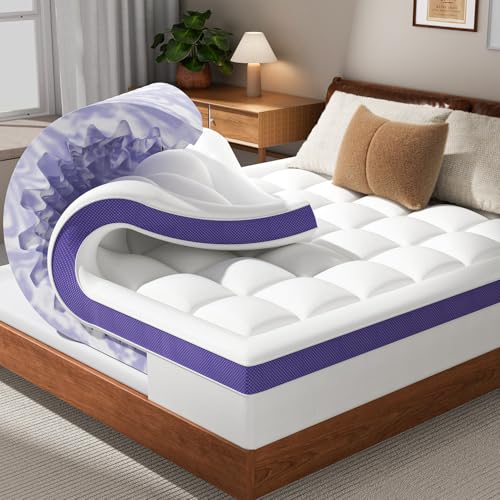
- Dual-Layer Design: This is Queen (60" x 80") size mattress topper. Our mattress...
- Comfortable Support: The memory foam with an egg-crate pattern provides...
- Cooling & Breathable: The ultra-soft fabric and premium gel-infused memory foam...
BEDLORE King Mattress Topper – Best for Secure Fit & Cooling
Designed with a breathable bamboo cover and ventilated foam, this topper stays cool. It features a full elastic skirt and strong corner straps for a locked-down fit, making it an ideal choice for preventing movement on larger beds.

- 【Premium Quality】Experience ultimate comfort with our pillow top mattress...
- 【Breathable Design】 Stay cool and cozy all night with the king bed mattress...
- 【Enhanced Comfort】 Upgrade your sleep with this luxurious and durable king...
Sweetcrispy Memory Foam Mattress Topper – Best for Pressure Relief & Stability
This 3-inch memory foam topper contours to your body to alleviate pain points. It includes a removable, washable cover and a fitted design with elastic straps to minimize shifting, ensuring the comfort layer stays exactly where you need it.
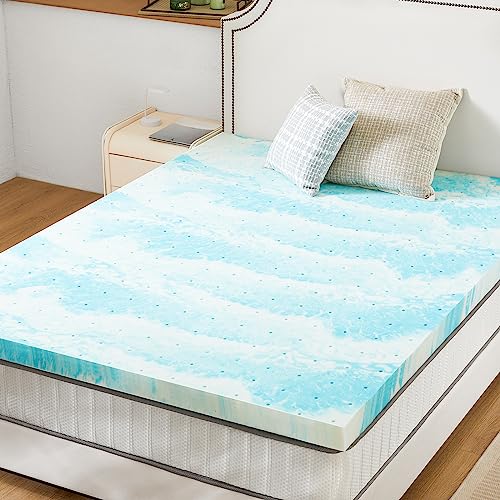
- ENHANCED COMFORT - With this memory foam mattress topper, say goodbye to...
- IMPROVED AIRFLOW - The gel infusion in this mattress pad helps to dissipate heat...
- VERSATILE USE - Whether you use it on your bed, sofa, or even in your RV, this...
Conclusion
A bunching mattress topper is a solvable problem. The issue typically stems from incorrect sizing, lack of securement, or an incompatible mattress surface.
By diagnosing the root cause and applying the right fix—from non-slip pads and straps to choosing a topper with built-in anchors—you can restore a smooth, comfortable, and stable sleep surface for restful nights.
Frequently Asked Questions about Why Your Topper Is Bunching And How To Fix It
What is the fastest way to stop my mattress topper from sliding tonight?
For an immediate fix, use large binder clips to clamp the topper’s corners to your fitted sheet or mattress cover. Alternatively, place a non-slip rug pad or shelf liner between the mattress and topper to instantly increase friction.
These are temporary solutions. For a permanent fix, order a dedicated non-slip mattress pad or bed sheet suspenders, which provide a more reliable and comfortable long-term hold.
Will a mattress pad help keep my topper from bunching?
Yes, but only the right type. A standard quilted pad may not help. You need a specifically designed non-slip mattress pad with a rubberized or silicone-dotted surface that creates a high-friction barrier.
This pad acts as a gripper layer. Place it directly on your mattress, then put the topper on top. The topper grips the pad, and the pad grips the mattress, preventing movement at both interfaces.
How often should I rotate my mattress topper to prevent bunching?
You should rotate your mattress topper 180 degrees every three to six months. This prevents the material from permanently compressing in the areas where you sleep most, which can create uneven surfaces and wrinkles.
Regular rotation ensures even wear on the topper’s anchor points and straps. It is a simple preventative maintenance step that extends the topper’s life and promotes a consistently flat surface.
Can I use safety pins to secure my topper?
You can use safety pins as a discreet, temporary DIY method. Pin through the topper’s corner and into the mattress cover or fitted sheet skirt. Ensure the pins are strong and securely closed.
Use caution, as repeated stress can tear fabric or foam. This is not a recommended long-term solution for expensive toppers, as it can damage the materials. Proper straps are a safer investment.
Why does my new mattress topper keep bunching up?
A new topper often bunches because it hasn’t fully expanded or because its securement features are not properly engaged. Memory foam may need 24-48 hours to fully expand and conform to your mattress.
Also, double-check that all integrated elastic straps are correctly tucked under the mattress and are tight. New straps can be stiff and may require a firm tug to secure them properly.
Is a thicker or thinner topper less likely to bunch?
Thickness alone isn’t the deciding factor. The design and securement matter more. However, a very thick, plush topper on a soft mattress can be more unstable, acting like a separate, shifting layer.
A medium-thickness topper (2-3 inches) with a good anchoring system is often the most stable. It’s substantial enough to provide comfort but not so tall that it becomes top-heavy and prone to sliding.