
Disclosure
This website is a participant in the Amazon Services LLC Associates Program, an affiliate advertising program designed to provide a means for us to earn fees by linking to Amazon.com and affiliated sites.
Discovering an unpleasant odor from your mattress topper can be frustrating and concerning. This common issue often stems from materials, moisture, or manufacturing residues.
Many toppers, especially memory foam, use volatile organic compounds (VOCs) that release a chemical smell. The source is the first step to effectively eliminating it for a fresher sleep.
Is Your Mattress Topper Ruining Your Sleep With Unpleasant Odors?
That persistent, off-putting smell from your topper isn’t just annoying—it can signal poor material quality and trapped moisture, disrupting your rest. The Tempur-Pedic topper solves this with its premium, CertiPUR-US® certified TEMPUR material, designed to be hypoallergenic and resist odor-causing bacteria, ensuring a fresh and clean sleep surface night after night.
For a truly fresh and supportive sleep, we suggest: Tempur-Pedic TEMPUR-Adapt + Cooling 3-Inch Twin XL Mattress Topper

- COOLING 3-INCH TWIN XL TOPPER: TEMPUR-Adapt + Cooling topper is ideal for...
- SOFTEST TEMPUR MATERIAL: 3-inches of exclusive TEMPUR-ES Material precisely...
- WASHABLE COOLING COVER: Premium knit cooling cover provides cool-to-the-touch...
Common Causes of Mattress Topper Odors
Why your topper smells is essential for finding the right fix. The odor typically originates from a few key sources, each requiring a different approach.
Chemical Off-Gassing from New Materials
Most new mattress toppers, especially those made from memory foam, release a chemical smell known as off-gassing. This process involves volatile organic compounds (VOCs) evaporating into the air from the foam’s manufacturing materials.
- Polyurethane Foam: Often contains chemicals that produce a strong, plastic-like odor for several days.
- Memory Foam: Can have a more persistent smell due to its density and chemical composition.
- Flame Retardants: Some toppers are treated with chemicals that contribute to the initial odor.
Moisture and Microbial Growth
If your topper develops a musty or mildew smell over time, moisture is likely the culprit. This creates an environment where microbes thrive.
Common sources of moisture include body sweat, spills, and high bedroom humidity. Without proper airflow, this dampness gets trapped inside the topper’s layers.
Bacteria and Dust Mite Accumulation
Over months and years of use, your topper collects dead skin cells and moisture. This organic matter feeds bacteria and dust mites, leading to a persistent, unpleasant odor.
This biological buildup is a common reason why a topper starts to smell bad even after regular sheet washing. The topper itself needs direct cleaning.
How to Remove Odors from a New Mattress Topper
A new topper smell is usually temporary but can be strong. These methods accelerate the off-gassing process and neutralize chemical odors effectively.
Ventilation and Air Circulation Techniques
Fresh air is the most powerful tool for eliminating new topper smells. It helps dissipate VOCs quickly and safely from the foam’s core.
- Unpack Immediately: Remove all plastic packaging in a well-ventilated room, not the bedroom.
- Use Fans Strategically: Place a box fan in a window to draw stale air out, creating a cross-breeze.
- Air It Out: Let the topper breathe for 24-48 hours before putting on sheets, flipping it halfway through.
Natural Odor Absorbers and Neutralizers
For stubborn smells, natural absorbers can pull odors from the material. They are a safe, chemical-free solution for sensitive sleepers.
- Baking Soda: Sprinkle generously over the entire topper, let sit for several hours, then vacuum thoroughly.
- Activated Charcoal Bags: Place these odor-absorbing bags on and around the topper for a few days.
- White Vinegar Solution: Lightly mist a diluted vinegar and water mix (1:1 ratio) in the air around the topper; the vinegar smell dissipates, taking other odors with it.
When to Consider a Return
If the chemical odor is extremely potent or causes headaches after a full week of airing, the topper may have a defect. A strong, persistent smell can indicate excessively high VOC levels.
Check the manufacturer’s return policy regarding off-gassing. Reputable companies often have guidelines for this common issue.
Cleaning Solutions for Musty or Stained Toppers
Older toppers develop smells from spills, sweat, and humidity. Targeted cleaning is required to tackle these deep-set biological odors and stains.
Surface Cleaning and Spot Treatment
For fresh spills or localized odors, immediate spot cleaning prevents stains and smell from setting in. Always check the manufacturer’s care label first.
- Blot, Don’t Rub: Use a clean, dry cloth to absorb as much liquid as possible immediately after a spill.
- Apply a Mild Cleaner: Mix a small amount of mild dish soap with cool water. Dampen a cloth with the solution and gently dab the area.
- Rinse and Dry Thoroughly: Use a cloth dampened with plain water to rinse the soap, then blot dry. Allow the spot to air dry completely before remaking the bed.
Deep Cleaning with a Steam Cleaner
For overall mustiness, a steam cleaner is highly effective. The high-temperature steam kills odor-causing bacteria and dust mites without harsh chemicals.
- Check Compatibility: Ensure your topper material (e.g., memory foam, latex, feather) is safe for steam cleaning.
- Use the Upholstery Tool: Go over the entire surface slowly, keeping the nozzle moving to avoid oversaturating any one area.
- Ensure Complete Drying: This is critical. Use fans and dehumidifiers to dry the topper fully, which may take 24 hours, to prevent new mildew growth.
Using Enzymatic Cleaners for Organic Stains
For persistent smells from urine, vomit, or body oils, an enzymatic cleaner is necessary. These cleaners use enzymes to break down the organic matter causing the odor at the source.
Follow the product instructions carefully, applying it to the affected area. The cleaner needs time to work before you blot it away and let the area dry fully.
Preventative Care to Keep Your Topper Fresh
Stopping odors before they start is easier than removing them. A consistent protection routine extends your topper’s life and maintains a clean sleep environment.
The Essential Role of a Mattress Protector
A high-quality, waterproof mattress protector is your topper’s first line of defense. It creates a crucial barrier against spills, sweat, and dust mites.
- Blocks Liquids: A waterproof layer prevents moisture from seeping into the topper where it can cause mildew.
- Easier to Clean: You can remove and wash a protector regularly, which is much simpler than cleaning the topper itself.
- Hypoallergenic Barrier: Many protectors are designed to block allergens like dust mites from penetrating the topper material.
Establishing a Regular Maintenance Schedule
Incorporate these simple habits into your monthly and seasonal cleaning routine. Consistency is key to preventing odor buildup over time.
- Monthly Vacuuming: Use your vacuum’s upholstery attachment to remove dust, dead skin cells, and allergens from the topper surface.
- Seasonal Air-Out: Twice a year, strip the bed and let the topper air in a sunny, well-ventilated room for several hours. Sunlight is a natural disinfectant.
- Immediate Spot Treatment: Address any spills or accidents immediately using the blotting method, even with a protector in place.
Optimizing Bedroom Environment
Your room’s climate directly impacts your topper. High humidity encourages microbial growth, while good airflow prevents stagnation.
Use a dehumidifier in damp climates and ensure your room is well-ventilated. Making your bed after the sheets have fully dried, rather than immediately, also helps moisture evaporate.
When to Replace Your Mattress Topper
Despite your best efforts, some odors signal it’s time for a replacement. Recognizing these signs prevents sleeping on an unsanitary surface.
Signs of Irreversible Damage and Odor
Certain smells and physical changes indicate deep damage that cleaning cannot fix. Persistent mustiness often points to internal mold or mildew growth.
- Persistent Musty Smell: A deep, damp odor that returns quickly after cleaning suggests mold inside the foam or filling.
- Sagging and Lumps: Severe loss of support means the material is breaking down, trapping more moisture and odor.
- Allergy Flare-Ups: Increased sneezing or itching at night can mean dust mites or mold spores are deeply embedded.
Comparing Repair Cost vs. Replacement Value
Professional deep cleaning can be expensive. It’s important to weigh this cost against the price and age of your current topper.
| Consideration | Keep & Clean | Replace |
|---|---|---|
| Cost | Professional service may cost 50-75% of a new mid-range topper. | Investment in a fresh, odor-free product with full lifespan. |
| Age of Topper | Makes sense if the topper is under 2-3 years old. | Recommended for toppers over 5-7 years old, as materials degrade. |
| Odor Source | Possible for surface-level smells from spills. | Necessary for deep biological odors (mold, mildew, pet urine). |
Choosing a Low-Odor Replacement Topper
When shopping for a new topper, look for certifications that indicate lower chemical emissions. CertiPUR-US® certified foam, for example, has low VOC emissions.
Consider natural materials like latex or wool, which typically have minimal off-gassing. Always read reviews specifically mentioning smell before you buy.
How Long Does New Mattress Topper Smell Last?
Off-gassing duration varies by material and ventilation. For most memory foam or polyurethane toppers, the strong chemical smell should dissipate within 2 to 7 days in a well-ventilated room.
If the odor persists beyond two weeks, it may be unusually strong. Increase ventilation with fans and consider using baking soda to absorb the lingering VOCs.
Can You Machine Wash a Mattress Topper?
This depends entirely on the care label. Most full-size foam or latex toppers are not machine washable and can be destroyed by agitation.
- Check the Tag: Always follow the manufacturer’s instructions. Some feather, down, or fiberfill toppers may be machine washable on a gentle cycle.
- Foam Toppers: Never place memory foam or latex in a washing machine. Use spot cleaning or steam cleaning methods instead.
- Alternative: Use a removable, machine-washable mattress protector as a primary cleaning barrier.
What is the Best Odor Eliminator for Bedding?
For natural and effective odor elimination, baking soda is a top choice. It absorbs smells from fabrics without damaging them.
For biological odors from sweat or spills, an enzymatic cleaner is most effective. It breaks down the odor-causing proteins at the molecular level, removing the source rather than masking it.
Special Considerations for Different Topper Materials
Your cleaning and deodorizing strategy must match your topper’s material. Using the wrong method can cause damage and void warranties.
Caring for Memory Foam and Latex Toppers
These dense materials are sensitive to moisture and harsh chemicals. They require gentle, dry-cleaning methods to maintain their structure and prevent internal mold.
- Avoid Soaking: Never saturate memory foam. Use a barely damp cloth for spot cleaning and ensure immediate, thorough drying.
- Sunlight with Caution: Brief, indirect airing is fine, but prolonged direct sunlight can degrade and yellow latex foam.
- Deodorize Dryly: Rely on baking soda sprinkles and vacuuming, or odor-absorbing charcoal bags, for overall freshness.
Maintaining Feather, Down, and Fiberfill Toppers
These plush toppers are often more washable but require careful drying to prevent clumping and mildew. Always verify the care label first.
- Check for Machine-Wash Instructions: Some models can be washed in a large, commercial-sized machine on a gentle, cold cycle with mild detergent.
- Dry Completely and Thoroughly: This is critical. Use low heat and tennis balls in the dryer to fluff the filling and break up clumps. Drying may take several cycles.
- Protect from Moisture: Use a high-quality mattress protector to shield the absorbent filling from spills and sweat.
Managing Wool and Natural Fiber Toppers
Wool is naturally moisture-wicking and resistant to dust mites, but it can develop a lanolin smell when damp. Spot clean only with a wool-specific cleaner.
Air these toppers outside in a shaded, breezy area to refresh them. Avoid getting them thoroughly wet, as wool takes a very long time to dry completely.
Best Low-Odor Mattress Topper Recommendations
Choosing a topper designed for minimal off-gassing makes a huge difference. These recommended options prioritize breathability and certified materials for a fresher start.
Lucid 4 Inch Memory Foam Mattress Topper – Best for Pressure Relief
This ventilated foam topper is designed to minimize heat retention and odor. It features CertiPUR-US certified foam for low emissions and a 4-inch profile for deep cushioning. The bamboo cover adds a breathable, washable layer.
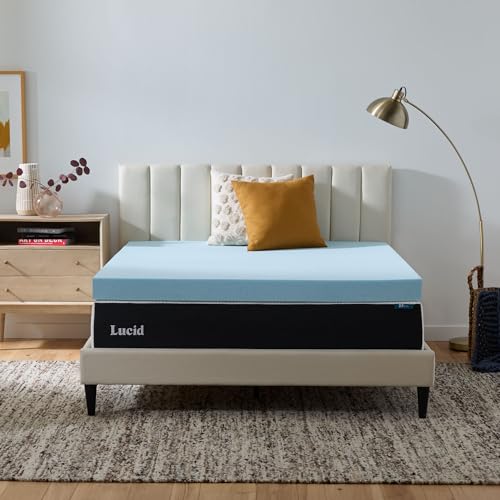
- ULTRA PLUSH FEEL – Lucid memory foam mattress toppers are designed to enhance...
- COOLER SLEEP: Cooling gel is infused in the memory foam to help regulate your...
- CHOOSE YOUR SIZE: 2-inch profile adds a soft layer of support to any mattress...
DOWNCOOL 3 Inch Queen Mattress Topper – Best Cooling Alternative
Ideal for hot sleepers seeking a plush feel with less chemical smell. It uses a down-alternative fiberfill that is inherently low-odor. The 300TC cotton cover is soft, breathable, and helps wick away moisture to prevent mustiness.
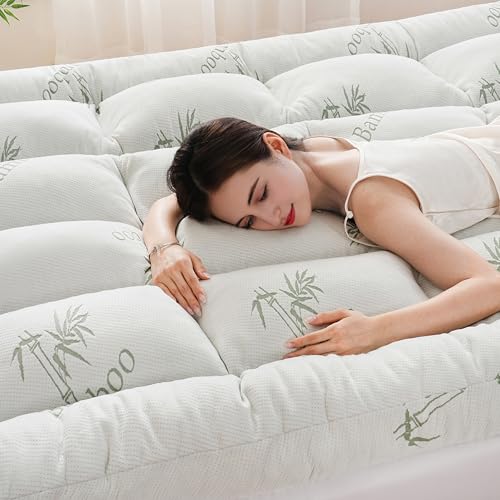
- Cooling Bamboo Viscose Top with 3D Air Layer: Made of 39% bamboo viscose and...
- Plush Pillow Top for Pressure Relief: With 1700 GSM filling made of 60% memory...
- Secure Deep Pocket Design: The elastic deep pocket skirt wraps around the...
ChiXpace Dual Layer 4 Inch Memory Foam Mattress Topper – Best for Support
This dual-layer design combines gel-infused and bamboo charcoal foam to regulate temperature and naturally resist odors. The charcoal infusion helps absorb moisture and neutralize smells, making it a great option for those sensitive to off-gassing.
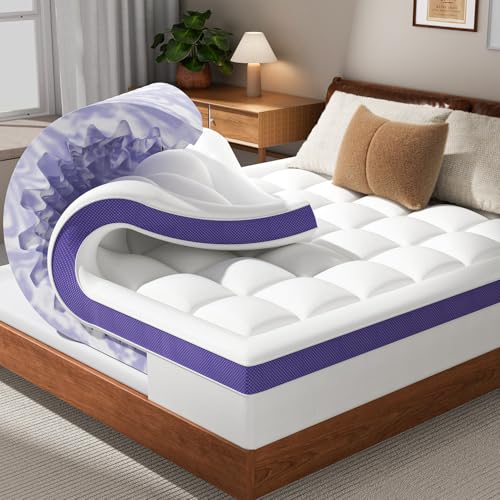
- Dual-Layer Design: This is Queen (60" x 80") size mattress topper. Our mattress...
- Comfortable Support: The memory foam with an egg-crate pattern provides...
- Cooling & Breathable: The ultra-soft fabric and premium gel-infused memory foam...
Conclusion
A smelly mattress topper is a common but solvable problem. Whether it’s new off-gassing or an old musty odor, the cause dictates the correct cleaning or deodorizing method.
Consistent preventative care, like using a protector and regular airing, is the most effective long-term strategy for maintaining a fresh, hygienic sleep surface you can enjoy every night.
Frequently Asked Questions about Why Your Topper Has A Smell And How To Fix It
Is the smell from a new mattress topper toxic?
The chemical smell from off-gassing is typically not toxic in the long term, but it can cause irritation. Symptoms like headaches or nausea are signs to increase ventilation immediately.
Using CertiPUR-US® certified products can minimize this risk. The odor and any potential irritation should completely dissipate within a few days to a week in a well-ventilated space.
Can I use Febreze or other fabric sprays on my topper?
Fabric sprays like Febreze only mask odors temporarily and can leave a residue. They do not address the source of the smell, whether it’s moisture, bacteria, or chemicals.
For a real solution, use odor absorbers like baking soda or clean with a mild detergent. Masking sprays may also cause issues for people with allergies or chemical sensitivities.
Why does my topper smell musty only in humid weather?
Humidity causes moisture trapped deep within the topper’s materials to reactivate. This moisture feeds microbial growth, releasing a musty odor when the air is damp.
This indicates your topper has absorbed moisture over time. Using a dehumidifier in your bedroom and ensuring the topper dries completely after cleaning are essential steps.
How can I tell if the smell is mold or just off-gassing?
Off-gassing has a sharp, chemical or plastic-like smell that fades. Mold produces a persistent, earthy, or damp odor that often feels like it’s coming from inside the topper.
Check for visible spots or a smell that strengthens in humidity. If you suspect mold, especially for health reasons, replacement is usually the safest and most effective option.
Will putting my topper in direct sunlight remove odors?
Brief, direct sunlight can help freshen a topper by killing surface bacteria and mites. The UV rays act as a natural disinfectant and deodorizer for mild smells.
Limit exposure to 2-3 hours, as prolonged sun can degrade and discolor materials like memory foam and latex. Always ensure the topper is completely dry afterwards.
What is the fastest way to get rid of a new topper smell?
Unpack it in a ventilated room, not your bedroom. Use fans to create a strong cross-breeze for 24-48 hours, flipping the topper halfway through.
Accelerate the process by sprinkling baking soda over the surface before airing it out. The baking soda will absorb VOCs as the fans circulate air through the foam.