
Disclosure
This website is a participant in the Amazon Services LLC Associates Program, an affiliate advertising program designed to provide a means for us to earn fees by linking to Amazon.com and affiliated sites.
Your mattress topper should provide cloud-like comfort, not a rock-hard surface. A topper that feels too hard defeats its purpose and can ruin your sleep quality, leaving you tired and achy.
Often, the issue isn’t the topper itself but a mismatch with your mattress or a break-in period. Materials like memory foam can initially feel firm until they soften with your body heat and weight.
Is Your Mattress Topper Making Your Bed Feel Like a Rock Instead of a Cloud?
You bought a topper for comfort, but it feels hard and unforgiving, leaving you stiff and restless. The Serta ThermaGel Cooling Topper solves this with adaptive memory foam that cradles your body, relieving pressure points. Its gel infusion also prevents the firm, dense feel of cheap foam, transforming your bed into a soft, supportive retreat.
For transforming a hard surface into plush comfort, we recommend: Serta ThermaGel Cooling, Memory Foam Mattress Topper
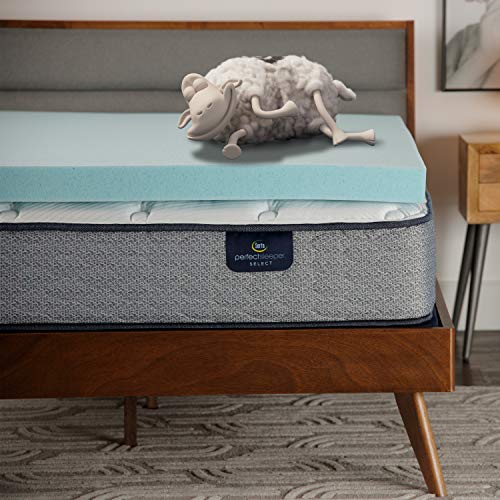
- BREATHABLE GEL-INFUSED FOAM: Engineered with ThermaGel-infused memory foam to...
- COOLING TECHNOLOGY: ThermaGel particles help create a refreshing sleep surface...
- CONTOURING SUPPORT: Adapts and conforms to your body’s natural shape for...
Common Reasons Your Mattress Topper Feels Too Firm
Why your topper feels hard is the first step to fixing it. The problem often stems from material properties, improper setup, or a simple mismatch with your existing sleep surface. Identifying the root cause allows for a targeted and fast solution.
Material Type and Density Issues
Different topper materials have unique firmness profiles. High-density foams are supportive but can feel unyielding initially, while low-quality materials may never soften properly. The material’s ILD (Indentation Load Deflection) rating directly indicates its firmness level.
- Memory Foam: Often feels hardest when new and cold. It requires body heat to soften and conform.
- Latex: Naturally provides a buoyant, supportive feel that some perceive as firm, especially in Dunlop processing.
- Feather/Fiber: Can become compacted over time, losing loft and creating a hard, flat surface.
Incompatibility With Your Mattress
A topper cannot fix a severely broken-down mattress. Placing a soft topper on a sagging, overly firm, or uneven base creates pressure points and an overall hard feel. The foundation must be solid and supportive for the topper to work correctly.
For example, a plush memory foam topper on a very firm innerspring mattress may still feel too hard because the base provides no give. Conversely, a firm latex topper on a soft mattress can create an uncomfortable, unbalanced feel.
Break-In Period and Temperature Factors
Many toppers, especially those made from quality memory foam, require a break-in period. During the first few weeks, the material adapts to your body shape and weight. Cold room temperatures can also temporarily increase firmness significantly.
To speed up the break-in process, you can walk gently on the topper or apply even pressure. Allowing it to warm to room temperature for 24-48 hours after unpacking is also crucial for an accurate feel.
How To Soften a Hard Mattress Topper Quickly
Once you know why your topper is firm, you can take action. These proven methods can soften your sleep surface fast, often without buying a new product. The right technique depends on your topper’s material and the specific cause of hardness.
Immediate Fixes for a New or Cold Topper
For memory foam and latex toppers, temperature and initial use are key. These materials respond directly to heat and pressure, which you can manipulate to accelerate softening. Start with these simple steps you can do today.
- Allow Full Expansion: Unpack and let the topper air out for 24-48 hours in a warm room. This completes off-gassing and lets the material reach its true pliability.
- Apply Gentle Pressure: Walk slowly and evenly across the entire surface in clean socks. This helps break up the foam cells without damaging them.
- Use Body Heat: Sleep on it consistently. Your body’s warmth is the most effective tool for softening memory foam over several nights.
Long-Term Solutions and Adjustments
If quick fixes aren’t enough, consider more permanent adjustments. Sometimes, modifying your sleep setup or the topper itself provides the lasting comfort you need. These solutions address deeper compatibility issues.
- Add a Mattress Pad: Place a plush, quilted pad over the firm topper. This adds a immediate cushioning layer and can mask the hard feel effectively.
- Rotate or Flip It: Regularly rotate your topper 180 degrees to ensure even wear. If it’s double-sided, flipping it may reveal a softer comfort layer.
- Check Bed Base Support: Ensure your mattress foundation (box spring, slats, platform) is solid and level. A sagging base makes any topper feel uncomfortable.
When To Consider a Replacement Topper
If your topper remains uncomfortably hard after weeks of break-in and adjustments, it may be the wrong product for you. A high-density foam topper designed for extra support may never feel soft. In this case, selecting a different material is the best path forward.
Consider a low-density memory foam or a plush wool or down alternative topper for a noticeably softer feel. Always check the return policy before purchasing to ensure you can exchange it if the firmness is still not right.
Choosing the Right Soft Mattress Topper to Prevent Hardness
Selecting the correct topper from the start prevents the hard mattress topper problem. The right choice balances material, thickness, and density to match your sleep style and existing bed. This proactive approach ensures lasting comfort and avoids the need for quick fixes later.
Key Material Features for a Softer Feel
Material is the most important factor determining softness. Each type offers a distinct feel and pressure relief profile. Focus on specifications that indicate a plush, conforming experience rather than firm support.
- Memory Foam: Look for low density (under 4 lbs) and gel infusion. These features promote better contouring and a plusher initial feel.
- Latex: Choose Talalay latex over Dunlop, as it is generally softer and more consistent. A “plush” or “soft” firmness rating is essential.
- Feather/Down: Opt for a high fill power and baffle-box construction to prevent shifting and maintain long-term loft.
Optimal Thickness and Density for Comfort
Thickness and density work together to create the final feel. A thicker topper isn’t always softer if the density is too high. This balance is crucial for making an informed purchase that delivers the comfort you expect.
| Material | Recommended Thickness for Softness | Ideal Density Range |
|---|---|---|
| Memory Foam | 2 to 3 inches | 3 to 4 lbs/cu ft |
| Latex | 2 to 3 inches | N/A (Firmness rated by ILD) |
| Feather/Fiber | 3 inches or more | High fill power (600+) |
Ensuring Compatibility With Your Sleep Position
Your preferred sleep position dictates the ideal topper firmness. A topper that is perfect for a back sleeper may feel too hard for a side sleeper due to different pressure points. Matching the product to your posture prevents discomfort.
Side sleepers generally need the softest toppers to cushion hips and shoulders. Back and stomach sleepers can often use a medium-soft topper that provides a balance of cushioning and support to maintain spinal alignment.
Maintaining Topper Softness and Preventing Future Firmness
Proper care keeps your topper feeling plush for years. Without maintenance, even the softest materials can compact, shift, or degrade, leading back to a hard sleeping surface. A simple routine protects your investment and your sleep quality.
Essential Care Routine for Different Materials
Each topper material has specific care needs to preserve its loft and texture. Following the manufacturer’s instructions is paramount, but these general guidelines will help maintain softness. Consistent care prevents premature hardening.
- Memory Foam & Latex: Use a waterproof, breathable protector. Spot clean only and never saturate. Vacuum gently monthly to remove dust and debris that can compress the surface.
- Feather/Down: Fluff and shake daily. Use a duvet cover for protection and wash the topper professionally every 1-2 years to restore loft.
- Fiberfill (Polyester): Check if machine-washable. Tumble dry on low with dryer balls to prevent clumping and redistribute filling evenly.
Regular Rotation and Even Wear Patterns
Body impressions are a primary cause of localized firmness. Rotating your topper distributes weight and pressure evenly across the entire surface. This simple habit is one of the most effective ways to prevent permanent hard spots from forming.
- Frequency: Rotate the topper head-to-foot every 2-3 months.
- For Two-Sided Toppers: Flip it over in addition to rotating it every 6 months to use both comfort layers evenly.
- Check for Sagging: When rotating, inspect your mattress below. A sagging mattress will prematurely harden any topper placed on top.
Environmental Factors That Affect Firmness
Your bedroom environment directly impacts topper materials. Humidity, temperature, and sunlight can alter the feel and longevity of the product. Controlling these factors helps maintain consistent softness night after night.
High humidity can make memory foam feel damp and less responsive, while extreme dryness can make some fibers brittle. Keep the room well-ventilated and avoid placing the topper in direct sunlight, which can break down materials and cause premature hardening.
Expert Answers to Common Hard Topper Questions
Specific concerns require clear, practical answers. This section addresses the most frequent questions users have about fixing a mattress topper that is too firm. Direct solutions can help you troubleshoot your specific situation effectively.
How Long Does It Take to Break In a New Memory Foam Topper?
The break-in period varies by density and quality. Most quality memory foam toppers will noticeably soften within 2 to 4 weeks of regular use. Your body heat and weight are the primary agents in this process.
To accelerate break-in, ensure the room is warm and use the topper every night. Walking on it gently can help, but avoid excessive force that might damage the internal structure. Patience is key for the material to fully adapt.
Can I Use a Mattress Pad to Soften a Firm Topper?
Yes, a plush mattress pad is an excellent and fast solution. It adds an immediate cushioning layer between you and the firm surface. This is particularly effective for toppers that are structurally sound but simply too firm for your preference.
- Choose the Right Pad: Look for a pad with quilted cotton, wool, or microfiber filling for the softest feel.
- Secure Fit: Ensure the pad has deep pockets and elastic straps to prevent shifting and bunching during the night.
- Layer Order: Always place the soft pad over the firm topper, not under it, for direct contact with your body.
When Is a Hard Topper a Sign of a Bigger Problem?
A persistently hard topper can indicate an issue with your mattress foundation. If your mattress is sagging, has broken springs, or is itself overly firm, no topper can fully correct the underlying poor support. The base must be solid and level.
Test this by placing the topper on a firm, flat floor and lying on it. If it feels significantly softer, the problem is likely your mattress or bed frame. In this case, addressing the foundation is necessary before any topper can provide true comfort.
Advanced Troubleshooting for a Topper That Won’t Soften
If standard methods fail, deeper investigation and solutions are needed. A topper that remains rock-hard may have a manufacturing flaw or be fundamentally incompatible with your needs. These advanced steps help diagnose and resolve stubborn firmness issues.
Diagnosing Material Failure and Defects
Sometimes, a topper is defective or has prematurely failed. Look for clear signs that the product itself is the problem, not just its placement or break-in status. Identifying a defect is crucial for seeking a warranty replacement or refund.
- Uneven Firmness: Large, permanent hard lumps or craters indicate flawed foam pouring or filling distribution.
- No Recovery: The topper does not slowly rise back after you get up, staying compressed in your body shape.
- Persistent Odor: A strong chemical smell that doesn’t fade after a week may signal poor-quality materials that will not soften properly.
The Role of Bed Frames and Foundations
Your bed’s underlying support system dramatically affects topper feel. An unsuitable foundation can make any topper feel uncomfortably hard by creating pressure points or failing to provide a stable, flat base.
| Foundation Type | Impact on Topper Feel | Recommended Fix |
|---|---|---|
| Wide-Spaced Slats (>3 inches apart) | Causes sagging and uneven support, creating hard spots. | Add a bunkie board or slat kit to reduce spacing. |
| Sagging Box Spring | Creates a hammock effect, making the topper feel firm in the center. | Replace with a rigid platform or adjustable base. |
| Floor Placement | Lacks airflow, can trap moisture, and may feel unnaturally firm. | Elevate on a simple, solid platform frame. |
Professional and Warranty Solutions
If you suspect a material defect, contact the manufacturer immediately. Have your order details and photos of the issue ready. Many companies offer satisfaction guarantees or warranties that cover premature hardening or material failure.
Be prepared to describe the troubleshooting steps you’ve already taken. A reputable company will often offer a replacement, a different firmness level, or a refund if the product is determined to be faulty or not as advertised.
Comparing Topper Materials: Which Stays Softer Longest?
Long-term softness depends heavily on the material’s resilience and durability. Some toppers soften quickly but flatten over time, while others maintain their supportive plushness for years. these differences is key for a lasting investment.
Durability and Softness Retention Over Time
Not all soft materials age the same way. The ability to resist permanent compression, known as compression set, determines how long a topper stays soft. High-quality materials are engineered to bounce back night after night.
- High-Density Memory Foam (4-5 lb): May feel firm initially but maintains its shape and support for 5+ years, softening gradually with use.
- Natural Latex (Talalay): Excellent long-term resilience. It retains its buoyant, soft feel with minimal sagging for 7-10 years or more.
- Down/Feather Clusters: Requires regular fluffing to maintain loft. Can last decades with proper care but may compact without maintenance.
Cost vs. Longevity Analysis for Soft Toppers
The initial price often reflects the material’s expected lifespan and performance. A cheaper topper may feel soft initially but degrade quickly, leading to renewed firmness and another purchase sooner. Investing in quality pays off in sustained comfort.
| Material Type | Average Cost (Queen) | Expected Softness Lifespan | Best For |
|---|---|---|---|
| Standard Poly-Fiber | $ – $$ | 1-3 years | Temporary softening, guest beds |
| Quality Memory Foam | $$ – $$$ | 5-7 years | Pressure relief, contouring comfort |
| Natural Latex | $$$ – $$$$ | 8-12+ years | Durable, breathable, resilient softness |
Hybrid and Layered Topper Designs for Custom Softness
Some modern toppers combine materials to optimize comfort and longevity. A common design features a soft top layer (like wool or plush foam) over a supportive core (like firmer latex). This provides immediate softness with underlying support that prevents bottoming out.
These hybrid models can be an ideal solution if you desire a cloud-like feel but worry about a topper becoming too soft or losing support over time. The layered construction targets different comfort needs simultaneously.
Best Recommended Toppers for Lasting Softness
Choosing the right topper can prevent the hard mattress topper problem from the start. These three highly-rated options are selected for their ability to provide and maintain genuine comfort, addressing the core issues discussed .
Sleep On Latex Pure Green Natural Latex Mattress Topper – Best for Durable, Resilient Softness
This natural latex topper offers a buoyant, pressure-relieving feel that resists permanent sagging. Its GOLS-certified organic construction and multiple firmness levels allow you to choose the perfect plushness. It provides consistent comfort for years without hardening.
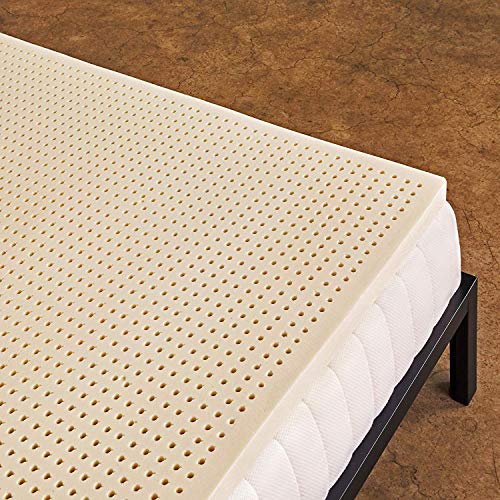
- Soft - Great for Adding Softness to the Surface of a Mattress
- Adjusts to Your Body Instantly - Latex Foam Naturally Stays Cool
- Made of Natural Latex Harvested from Organically Grown Rubber Trees
DOWNCOOL 3 Inch Queen Mattress Topper – Best Budget-Friendly Plush Feel
For an instantly soft, cloud-like surface, this down-alternative topper is an ideal option. It features a 3-inch plush fill and a cooling fabric cover for immediate comfort. It’s a fast, affordable solution to soften a too-firm mattress effectively.
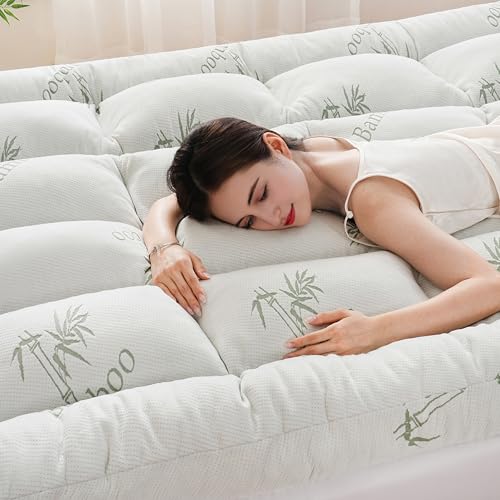
- Cooling Bamboo Viscose Top with 3D Air Layer: Made of 39% bamboo viscose and...
- Plush Pillow Top for Pressure Relief: Made with a thin gel memory foam layer and...
- Secure Deep Pocket Design: The elastic deep pocket skirt wraps around the...
Tempur-Pedic TEMPUR-Adapt + Cooling 3-Inch Twin XL Mattress Topper – Best for Premium Pressure Relief
This premium memory foam topper is engineered to soften with body heat, offering legendary TEMPUR material contouring and cooling technology. It effectively eliminates pressure points and adapts to your shape, providing a custom, non-hard feel.

- COOLING 3-INCH TWIN XL TOPPER: TEMPUR-Adapt + Cooling topper is ideal for...
- SOFTEST TEMPUR MATERIAL: 3-inches of exclusive TEMPUR-ES Material precisely...
- WASHABLE COOLING COVER: Premium knit cooling cover provides cool-to-the-touch...
Conclusion
A mattress topper that feels too hard is a common but fixable problem. The cause is often a simple mismatch, a necessary break-in period, or improper maintenance rather than a defective product.
By diagnosing the root cause—whether material, foundation, or care—you can apply targeted solutions to restore softness. With the right knowledge and approach, you can transform your sleep surface from uncomfortably firm to perfectly plush.
Frequently Asked Questions about Why Your Topper Feels Too Hard And How To Fix It Fast
Why does my new memory foam topper feel like a rock?
New memory foam is often firm and requires a break-in period. The material needs your body heat to soften and become pliable. This initial firmness is normal and not a defect.
Allow 2-4 weeks of regular use for it to fully conform. Walking gently on it and keeping your bedroom warm can significantly speed up this softening process.
Can I make my old, hard topper soft again?
It depends on the material and cause of hardness. For down or fiber toppers, a thorough fluffing or a tumble dry on air fluff may restore loft. For memory foam, softening an old, compacted topper is difficult.
If the foam has permanently lost its resilience, replacement is usually the most effective solution. Regular rotation and a protective pad can prevent this issue in the future.
Is a 2-inch or 3-inch topper better for softness?
A 3-inch topper is generally better for achieving a noticeably softer feel. The extra thickness provides more cushioning material to contour to your body and relieve pressure points effectively.
However, ensure the density is appropriate. A 3-inch high-density foam may still feel firm, while a 2-inch low-density foam can feel quite plush. Always check product specifications for softness ratings.
Will a mattress topper soften a very firm mattress?
Yes, a soft topper can add a crucial comfort layer to a firm mattress. It acts as a buffer between your body and the unyielding surface, providing immediate pressure relief and a plusher sleeping experience.
For extreme firmness, choose a topper specifically marketed as “plush” or “soft” and at least 3 inches thick. Materials like down alternative or low-density memory foam are excellent choices for this purpose.
How often should I replace my mattress topper?
Replacement timelines vary by material quality and care. High-quality latex or memory foam toppers can last 5-8 years, while fiber or feather toppers may need replacement every 2-3 years if they lose loft.
Replace your topper when it no longer regains its shape, has visible permanent indentations, or consistently feels hard and uncomfortable despite proper maintenance and rotation.
Can the wrong bed frame make my topper feel hard?
Absolutely. A sagging box spring or widely spaced slats (over 3 inches apart) fail to provide proper support. This creates uneven pressure, making the topper feel firm in some areas and unsupportive in others.
Ensure your foundation is solid, flat, and compatible with your mattress type. Adding a bunkie board or a slat kit to a gap-filled frame can create the stable base needed for true topper softness.