
Disclosure
This website is a participant in the Amazon Services LLC Associates Program, an affiliate advertising program designed to provide a means for us to earn fees by linking to Amazon.com and affiliated sites.
A lumpy mattress topper ruins your sleep and can lead to aches. The causes is the first step to restoring comfort and support.
Lumps often form from uneven compression of internal materials like memory foam or fiberfill. This breakdown is accelerated by improper care or low-quality construction.
Is Your Sleep Ruined by a Bumpy, Uncomfortable Mattress Topper?
That frustrating lumpiness is often caused by poor-quality foam that breaks down and shifts. The BEDLORE King Mattress Topper uses high-density, durable memory foam that evenly contours to your body, preventing shifting and eliminating pressure points for a consistently smooth and supportive sleep surface night after night.
For a truly transformative and even feel, we recommend: BEDLORE King Mattress Topper

- 【Premium Quality】Experience ultimate comfort with our pillow top mattress...
- 【Breathable Design】 Stay cool and cozy all night with the king bed mattress...
- 【Enhanced Comfort】 Upgrade your sleep with this luxurious and durable king...
Common Causes of a Lumpy Mattress Topper
Why your bed topper develops lumps is essential for finding the right fix. The problem usually stems from material breakdown, poor distribution, or incorrect maintenance.
Material Breakdown and Compression
Over time, the internal materials in your topper can degrade. This is especially true for memory foam and fiberfill toppers that lose their resilience.
- Memory Foam Compression: Low-density foam can develop permanent body impressions where you sleep most, creating uneven, lumpy areas.
- Fiberfill Clumping: The batting in feather or polyester toppers can shift and ball up, leading to hard, uncomfortable lumps.
- Latex Breakdown: While durable, natural latex can develop irregularities if exposed to excessive heat or moisture over many years.
Improper Care and Maintenance
How you handle your mattress pad directly impacts its longevity. Many lumps form because of avoidable mistakes in care.
For example, washing a non-machine-washable topper can destroy its internal structure. Similarly, never rotating or flipping it causes uneven wear.
- Failing to use a protective mattress pad.
- Allowing spills or moisture to soak in and damage fill.
- Storing the topper folded or compressed for long periods.
Low-Quality Construction and Materials
Sometimes, the lumpiness is a design flaw from the start. Budget toppers often use inferior materials that fail quickly.
Thin cover fabrics can allow fill to poke through, and poorly constructed internal baffles fail to keep filling evenly distributed. Investing in quality from a reputable brand often prevents early lumping.
How to Fix a Lumpy Mattress Topper at Home
Before you replace your topper, try these proven methods to restore its comfort. The right technique depends on your topper’s material and the cause of the lumps.
Step-by-Step Guide to Redistributing Fill
This method works best for feather, down, or fiberfill toppers where the filling has clumped. You can manually redistribute the material to even it out.
- Identify Lumps: Feel across the entire topper surface to locate all dense, lumpy areas and thin spots.
- Manually Break Up Clumps: Gently knead and massage the lumpy sections with your hands to loosen the compacted filling.
- Shift the Fill: Carefully pat and push the loosened material from thicker areas into any thinner, depleted spots.
- Fluff and Shake: Give the entire topper a vigorous shake and fluff it by hand to help the fill settle evenly.
Specific Solutions by Topper Material
Different materials require tailored approaches for the best results. Using the wrong method can cause further damage.
For a memory foam topper, try using a hairdryer on a low, warm setting to gently heat and soften deep body impressions. Then, massage the area to encourage the foam to rebound.
For a latex or wool topper, simply airing it out in direct sunlight can help. The heat and ventilation can reduce moisture and allow the material to expand back to its original shape.
When to Consider Professional Help or Replacement
Not all lumpy toppers can be saved. Persistent discomfort or major structural failure means it’s time for a new one.
- Signs You Need a Replacement: The lumps return immediately after fixing, the topper is over 7 years old, or there are visible tears and permanent sagging.
- Professional Re-fluffing: Some companies specialize in re-conditioning down and feather bedding, which can be a cost-effective alternative to buying new.
Preventing Future Lumps in Your Bed Topper
Proactive care is the most effective way to extend your topper’s life and maintain a smooth sleep surface. Simple, consistent habits can prevent the common causes of lumpiness.
Essential Maintenance Routine for Longevity
Establishing a regular care schedule is crucial. This routine protects the materials from premature breakdown and uneven wear.
- Rotate Regularly: Turn your topper 180 degrees every one to three months. This prevents body impressions from forming in the same spot.
- Use a Protector: Always place a waterproof, breathable mattress protector on top. It shields against spills, dust mites, and body oils.
- Air It Out: When changing sheets, let the topper breathe for an hour. This releases moisture and helps materials retain their loft.
Best Practices for Washing and Storage
Incorrect cleaning and storage are major culprits for damage. Always follow the manufacturer’s label instructions precisely.
For machine-washable toppers, use a gentle cycle with cold water and mild detergent. Avoid harsh bleach or fabric softeners. Dry thoroughly on low heat or air dry completely to prevent mildew and clumping.
If you need to store your mattress pad, never fold or compress it tightly. Instead, roll it loosely and store it in a breathable cotton bag in a cool, dry place.
| Material | Key Prevention Tip |
|---|---|
| Memory Foam | Rotate frequently; avoid direct heat. |
| Feather/Down | Fluff daily; use a duvet cover. |
| Latex | Support with a solid foundation; air out in sun. |
Choosing a High-Quality, Durable Topper
Your purchasing decision has the biggest impact on longevity. Investing in quality from the start prevents early failure.
Look for a higher density rating in foam toppers and a high fill power in down products. Read reviews that specifically mention durability over time, not just initial comfort. A good warranty from a reputable brand is often a sign of confidence in the product’s construction.
Can You Actually Fix a Lumpy Mattress Topper?
Yes, you can often improve a lumpy topper, but success depends on the material and cause. Temporary fixes like redistributing fill work for feather or fiberfill.
For memory foam, heating and massaging impressions may offer a temporary solution. However, severe compression or broken-down materials usually requires replacement for a permanent fix.
How Often Should You Replace a Mattress Topper?
A good-quality topper typically lasts between 3 to 5 years with proper care. Signs you need a replacement go beyond just lumps.
- Visible Sagging: The topper no longer regains its shape and stays compressed.
- Allergies Flare Up: It may be harboring dust mites and allergens deep inside.
- Persistent Discomfort: You wake up with new aches or feel springs through the topper.
Do Mattress Topper Warranties Cover Lumps?
It depends entirely on the warranty terms. Most cover defects in materials and workmanship, not normal wear and tear.
Lumps from regular use over several years are typically considered wear and tear. However, if lumps appear within the first year or two on a high-quality product, it may be considered a material defect. Always check your warranty’s fine print regarding compression and sagging.
Comparing Topper Materials and Lump Resistance
Not all mattress toppers are created equal when it comes to developing lumps. The core material is the biggest factor in long-term performance and durability.
Durability and Maintenance by Material Type
Each material has unique properties that affect how it wears over time. these helps you choose the best option for your needs and maintenance willingness.
| Material | Lump Risk | Key Maintenance Need |
|---|---|---|
| High-Density Memory Foam | Low (but can sag) | Regular rotation; no heat exposure. |
| Natural Latex | Very Low | Minimal; occasional airing out. |
| Feather/Down | High (clumping) | Daily fluffing; professional cleaning. |
| Polyester Fiberfill | Moderate to High | Gentle washing; frequent fluffing. |
Choosing the Best Topper to Avoid Lumps
If preventing lumps is your top priority, focus on material density and construction. A well-made topper resists breakdown from the start.
- Prioritize Density: For foam, choose a density of at least 3 pounds per cubic foot (PCF) for better longevity.
- Check Construction: Look for features like baffle-box construction in down toppers to keep fill in place, or a gel-infused foam layer for temperature regulation and support.
- Read Reviews for Durability: Search for long-term user feedback mentioning “holds its shape” or “no sagging after X years.”
When a Lumpy Topper Signals a Mattress Problem
Sometimes, the issue isn’t the topper itself. An old or sagging mattress can cause uneven support that makes a perfectly good topper feel lumpy.
If your mattress has deep valleys or protruding springs, no topper can fully mask it. In this case, the lumpy sensation is a sign you need to address the mattress foundation first, as it is creating pressure points that distort the topper.
DIY vs. Professional Solutions for Topper Repair
When faced with a lumpy topper, you must decide whether to attempt a fix yourself or seek expert help. The right choice saves you time, money, and frustration.
When DIY Methods Are Most Effective
Home remedies are best for minor issues and specific materials. They require minimal cost and can significantly extend your topper’s life.
DIY is highly effective for redistributing clumped feather or polyester fill. It is also suitable for airing out a musty topper or spot-cleaning a fresh stain before it sets.
- Best For: Recent clumping, mild body impressions, odor removal, and general fluffing.
- Tools Needed: Your hands, a hairdryer (on low), mild detergent, and a sunny day for airing.
- Time Investment: Most DIY fixes take 20 to 60 minutes of active effort.
Signs You Need a Professional Service
Some problems are beyond simple home care. Professional services have specialized equipment and expertise for deep restoration.
Consider professional help if your down or feather topper has severe, widespread clumping that manual redistribution cannot fix. They use industrial tumblers and cleaners to fully restore loft and cleanliness.
Cost-Benefit Analysis: Repairing vs. Replacing
Weighing the cost of professional repair against a new purchase is a practical final step. Often, replacement is the more economical long-term solution.
| Scenario | Recommended Action | Reasoning |
|---|---|---|
| Topper under 2 years old | DIY or Warranty Claim | Premature failure may be covered; worth attempting a fix. |
| Topper over 5 years old | Replace | Materials are at end of lifespan; new technology offers better comfort. |
| High-end down topper | Professional Cleaning/Repair | Repair cost is a fraction of replacing a premium product. |
Tools and Products for Topper Maintenance
Having the right tools makes maintaining your mattress topper simple and effective. These products help prevent lumps and extend the life of your investment.
Essential Care Products for Every Home
A few key items form the foundation of good topper care. These are inexpensive but provide significant protective benefits.
- Mattress Protector: A waterproof, breathable barrier is non-negotiable. It prevents spills, stains, and body oils from degrading the topper’s materials.
- Gentle, Enzyme-Free Detergent: Use this for spot cleaning or machine washing. Harsh chemicals can break down foams and fibers.
- Lint Roller or Upholstery Brush: Perfect for regular surface cleaning to remove dust, hair, and skin cells that can work their way into the fill.
Specialized Tools for Fixing and Fluffing
For more hands-on maintenance or repair attempts, these tools can be very helpful. They assist in redistributing fill and reviving material loft.
A paddle brush or tennis racket can be used to gently beat a feather or down topper, helping to break up clumps from the outside. For memory foam, a handheld garment steamer (used cautiously from a distance) can provide gentle, even moisture and heat to help impressions relax.
Choosing the Right Vacuum for Deep Cleaning
Regular vacuuming removes allergens and dust that compact fill. Not all vacuums are suitable for this delicate task.
Use a vacuum with an upholstery attachment and adjustable suction power. High suction can damage some materials. For best results, vacuum the topper on both sides every time you rotate it, using slow, overlapping strokes to lift debris from the surface without pulling on the fabric.
| Task | Recommended Tool | Why It Works |
|---|---|---|
| Surface Debris Removal | Upholstery Brush Attachment | Gentle bristles lift hair and dust without snagging fabric. |
| Breaking Up Clumps | Hands (Manual Kneading) | Provides the tactile feedback needed to gently loosen fill without tearing. |
| Freshening & Deodorizing | Baking Soda | Sprinkle, let sit, then vacuum to absorb odors and moisture naturally. |
Best Mattress Toppers to Prevent Lumps
Investing in a well-constructed topper from the start is the ultimate solution. These recommended options are designed for durability and even support to resist lumping.
SINWEEK Mattress Topper Twin XL – Best Budget-Friendly Option
This affordable topper offers reliable comfort with 3-inch ventilated memory foam that resists sagging. Its breathable bamboo cover helps regulate temperature and is removable for easy washing.

- GEL MEMORY FOAM MATERIAL: Our memory foam mattress topper readily conforms to...
- MORE COMFORTABLE SLEEP: The gel memory foam material used in our mattresses...
- SOFT BUT NOT FOLDABLE: our mattress is soft, do not roll up and store too long...
Zalmureta 4 Inch Dual Layer Memory Foam Mattress Topper – Best for Pressure Relief
Featuring a 2-inch gel-infused foam layer over a 2-inch supportive base foam, this dual-layer design prevents deep impressions. The non-slip bottom keeps it securely in place for consistent support.
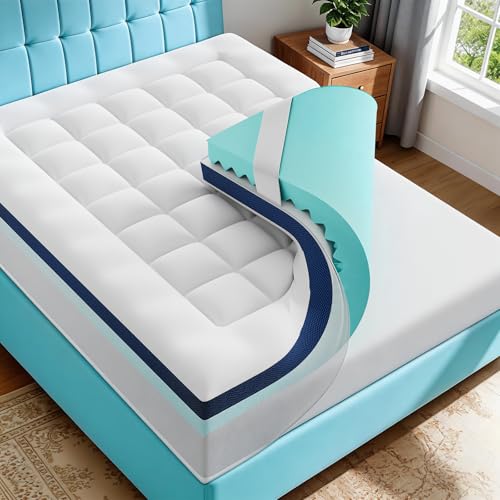
- 【4-Inch Dual-Layer Design】Our mattress topper features a 2-inch cooling...
- 【Breathable Design】This mattress topper is designed with Cold Gel Memory...
- 【Effective Body Support】Our mattress topper are ergonomically designed with...
ChiXpace Dual Layer 4 Inch Memory Foam Mattress Topper – Best Overall Durability
This premium topper uses certified high-density foam in its support layer to combat long-term compression. The quilted, stretch-knit cover enhances airflow and is machine washable for simple maintenance.
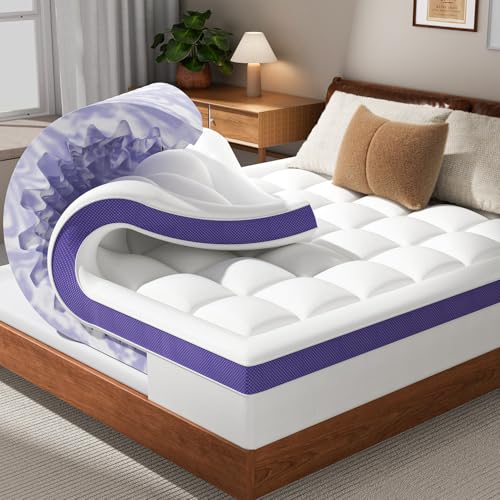
- Dual-Layer Design: This is Queen (60" x 80") size mattress topper. Our mattress...
- Comfortable Support: The memory foam with an egg-crate pattern provides...
- Cooling & Breathable: The ultra-soft fabric and premium gel-infused memory foam...
Conclusion
A lumpy mattress topper is a common but fixable problem. By identifying the cause—whether it’s material breakdown, poor care, or a failing mattress—you can take effective action.
The main point is that prevention through regular rotation, proper cleaning, and investing in quality materials is the most reliable way to ensure lasting comfort and avoid the frustration of lumps altogether.
Frequently Asked Questions about Why Your Topper Feels Lumpy And How To Fix It
Can putting a topper in the dryer fix lumps?
It depends on the material. For machine-washable fiberfill or down toppers, a low-heat dryer cycle with clean tennis balls can help break up clumps and restore loft. The balls act as gentle agitators to fluff the filling.
However, never put memory foam, latex, or wool toppers in the dryer. The intense heat can melt, warp, or severely damage these materials, making the lumps worse or ruining the topper completely.
How long should a good mattress topper last before getting lumpy?
A high-quality topper with proper care should provide even comfort for 3 to 5 years. Materials like high-density memory foam and natural latex often last longer, while lower-density foams and polyester fills may break down sooner.
Lumpiness appearing within the first year or two often indicates a material defect or a product not suited to your weight and sleep style. Always check the warranty in such cases.
Is a lumpy topper bad for your back?
Yes, a lumpy topper can be detrimental to spinal health. It creates uneven support, forcing your spine into an unnatural alignment throughout the night. This can lead to morning stiffness, pressure points, and increased back pain.
Consistent, even support is crucial for proper sleep posture. If your topper is causing discomfort, fixing or replacing it is an important step for both sleep quality and physical well-being.
Can I fix deep body impressions in memory foam?
You can temporarily improve deep impressions. Use a hairdryer on a warm (not hot) setting to gently heat the sagging area, then massage and knead the foam to encourage it to expand. This may offer a short-term fix.
Permanent body impressions are a sign of material fatigue. Once the foam’s cell structure is permanently compressed, it cannot fully recover. At this point, replacement is the only solution for restored comfort.
Do I need a new mattress if my topper is lumpy?
Not necessarily. First, remove the topper and inspect the mattress itself. If the mattress is firm, flat, and supportive, then the topper is the sole problem. A new, high-quality topper can effectively refresh your sleep surface.
If your mattress is also sagging, has broken springs, or is over 8 years old, a new topper will only mask the issue temporarily. The underlying poor support will eventually compromise any new topper you add.
What’s the fastest way to temporarily fix a lumpy topper?
The quickest fix is to manually redistribute the filling. For a feather or fiberfill topper, vigorously shake, fluff, and knead the lumpy areas by hand. Shift material from thick spots into thin ones to even out the surface.
For immediate relief on any topper type, simply rotate it 180 degrees. This moves the compressed areas away from your body’s primary sleep position, providing a smoother surface for the night.