
Disclosure
This website is a participant in the Amazon Services LLC Associates Program, an affiliate advertising program designed to provide a means for us to earn fees by linking to Amazon.com and affiliated sites.
Many foam mattress toppers trap body heat, leading to uncomfortable, sweaty nights. Why this happens is the first step to a cooler, more restful sleep.
Traditional memory foam is particularly prone to heat retention due to its dense, conforming structure. This material can absorb and hold your body’s warmth throughout the night.
Are You Tossing and Turning All Night, Trapped in Your Own Sweaty Foam Topper?
Traditional memory foam traps body heat, turning your bed into a sweltering zone that ruins sleep. The Sleepyhead topper infuses cooling gel beads directly into the foam, actively drawing heat away from your body to regulate temperature all night long for consistently cool, comfortable rest.
For a reliably cool and supportive sleep surface, we suggest: Sleepyhead Twin XL 3 Inch Gel Memory Foam Mattress Topper

- COOLING TWIN XL MATTRESS TOPPER FOR DORM BEDS: Upgrade uncomfortable college...
- THE MUST-HAVE DORM ROOM ESSENTIAL: This mattress topper Twin XL measures 38" x...
- SECURE FIT WITH REMOVABLE COOLING COVER: Our Twin XL mattress topper includes...
Why Memory Foam Mattress Toppers Retain Heat
The science behind heat retention is crucial for finding a solution. The primary culprits are material density and your own body’s thermal output.
The Role of Material Density and Conforming Properties
Traditional memory foam is designed to be viscoelastic, meaning it softens with body heat and pressure. This creates a close, body-hugging fit that restricts airflow. The dense foam cells then trap the warmth your body radiates, creating a microclimate of heat.
- Closed-Cell Structure: Many standard foams have a closed-cell design that inhibits air circulation, preventing heat from dissipating.
- Conforming Support: While excellent for pressure relief, the deep sinkage can envelop your body, reducing the air gap needed for cooling.
- Heat Retention: The foam itself acts as an insulator, absorbing and holding thermal energy throughout the night.
Your Body’s Contribution to Sleeping Hot
It’s not just the foam; your physiology plays a major role. An average person releases significant body heat and moisture during sleep. A non-breathable foam topper creates a barrier that traps this combination, leading to discomfort.
For instance, if you naturally sleep warm or experience night sweats, a standard foam topper will amplify these effects. The lack of breathability means sweat cannot evaporate, leaving you feeling damp and overheated.
Comparing Foam Types for Heat Retention
Not all foam toppers sleep equally hot. The formulation and manufacturing process create significant differences in airflow and temperature regulation.
| Foam Type | Heat Retention Level | Primary Reason |
|---|---|---|
| Traditional Memory Foam | High | Dense, conforming structure with minimal airflow. |
| Gel-Infused Memory Foam | Medium | Gel beads or swirls help dissipate heat, but core material is still dense. |
| Open-Cell or Breathable Foam | Low to Medium | Engineered with open channels to promote air circulation and heat escape. |
| Latex Foam (Natural) | Low | Naturally breathable and aerated structure with excellent airflow. |
As shown, choosing a topper designed for temperature regulation is the most effective long-term strategy for cooler sleep.
How to Cool Down a Hot Mattress Topper: Immediate Fixes
You don’t always need a new topper to sleep cooler. Several effective strategies can improve airflow and dissipate heat from your existing setup.
Improve Bedding and Sleep Environment for Airflow
Your sheets and room climate are your first line of defense. Opt for breathable, natural fabrics that wick moisture instead of trapping it.
- Choose Cooling Bed Sheets: Switch to linen, bamboo, or Tencel lyocell. These materials are highly breathable and promote moisture-wicking far better than polyester blends.
- Use a Moisture-Wicking Mattress Protector: Place a breathable, waterproof protector between your topper and sheets. It adds a crucial cooling layer that manages sweat.
- Optimize Room Temperature: Use fans, air conditioning, or open windows to lower the ambient temperature. Cooler air directly helps draw heat away from your bed.
Strategic Bed Layering to Dissipate Heat
The order of your bedding layers significantly impacts temperature. Creating a buffer between your body and the foam can make a dramatic difference.
For example, placing a thin, breathable wool or cotton mattress pad directly on top of the foam topper creates an insulating air gap. This simple layer prevents your body from sinking directly into the heat-retentive material.
Step-by-Step Bed Making for a Cooler Sleep
Follow this numbered layering method to maximize airflow from the bottom up.
- Start with the mattress. Ensure it is on a slatted bed frame for base ventilation.
- Add your foam topper. If it’s double-sided, use the cooler-feeling side up.
- Layer a breathable mattress pad or protector. This is your primary thermal buffer.
- Use lightweight, natural fiber sheets. Avoid heavy blankets directly on the topper.
- Keep top layers minimal. Use a light duvet or blanket you can easily kick off.
This structured approach addresses heat retention at every level, turning your hot topper into a more sleepable surface.
Choosing a Cooling Mattress Topper That Doesn’t Sleep Hot
If fixes aren’t enough, selecting a topper designed for temperature neutrality is the best solution. Modern materials and technologies actively combat heat retention.
Key Features of a Breathable Cooling Topper
Look for specific engineering that promotes airflow and heat dissipation. The goal is to find a topper that sleeps cool without sacrificing comfort.
- Open-Cell Structure: This is the most critical feature. Open-cell foam has interconnected air channels that allow heat to escape and cool air to circulate.
- Gel Infusions or Phase-Change Materials: Gel beads or PCMs absorb excess body heat and help regulate surface temperature throughout the night.
- Natural, Breathable Materials: Toppers made from natural latex or wool are inherently breathable and excellent at moisture management.
Comparison of Cooling Topper Material Types
The pros and cons of each cooling material helps you make an informed purchase based on your sleep needs and budget.
| Material | Cooling Mechanism | Best For |
|---|---|---|
| Gel-Infused Memory Foam | Gel absorbs and dissipates heat; often paired with open-cell design. | Sleepers who want the contouring feel of memory foam without the heat. |
| Natural Latex (Dunlop or Talalay) | Naturally aerated structure; excellent airflow and is naturally hypoallergenic. | Those seeking a responsive, bouncy feel with superior breathability and durability. |
| Wool or Cotton Filled | Natural fibers wick moisture and regulate temperature by trapping insulating air. | Sleepers who prefer a soft, plush surface and natural materials. |
| Advanced Phase-Change Fabric Cover | Fabric cover actively absorbs and releases heat to maintain a neutral skin temperature. | Hot sleepers needing the most advanced temperature regulation technology. |
Ensuring Long-Term Cooling Performance
Your new cooling topper needs proper care to maintain its temperature-regulating properties. Regular maintenance prevents the buildup of heat-trapping debris.
Follow the manufacturer’s instructions for airing out and spot cleaning. For most foam toppers, a monthly rotation and a few hours of airing without sheets can help refresh the material’s cells and restore airflow.
Maintenance and Care to Prevent Topper Overheating
Proper upkeep is essential for sustaining the cooling performance of any mattress topper. Simple, regular habits can prevent heat and moisture from becoming trapped.
Routine Cleaning for Optimal Airflow
Dust, skin cells, and moisture can clog the open cells of your topper, reducing its breathability. A consistent cleaning schedule is key to maintaining a cool sleep surface.
- Vacuum Monthly: Use an upholstery attachment to gently remove dust and debris from the surface and sides. This prevents particles from blocking air channels.
- Spot Clean Spills Immediately: Use a mild detergent and cold water. Allow the area to dry completely before remaking the bed to prevent mold and odors that can affect material integrity.
- Wash the Removable Cover Frequently: Follow label instructions, typically every 1-2 months. A clean cover wicks moisture more effectively.
Seasonal Air-Out and Dehumidification Strategies
Humidity exacerbates the feeling of sleeping hot. Managing moisture in your bedroom and topper directly impacts comfort.
In humid climates, use a bedroom dehumidifier to keep air moisture levels in check. Periodically, strip your bed and let the topper air out near an open window or with a fan for several hours to evaporate accumulated moisture.
When to Replace a Heat-Retentive Topper
Even with excellent care, foam materials degrade over time. Recognizing the signs of permanent heat retention can save your sleep.
- Check for Permanent Body Impressions: Deep, lasting indentations reduce airflow and create heat pockets. If they don’t bounce back, the structure is compromised.
- Assess Material Breakdown: If the foam feels overly stiff, crumbly, or has lost its resilience, its cooling properties are likely gone.
- Evaluate Persistent Discomfort: If you consistently wake up hot despite all environmental fixes and proper bedding, the topper’s core material may no longer be functional.
Most quality foam toppers have a lifespan of 3-5 years. Replacing an old, degraded topper is often the most effective final solution for chronic overheating.
Alternative Solutions for a Cooler Night’s Sleep
Beyond the topper itself, several complementary products and adjustments can create a comprehensively cool sleep system. These solutions target sleep temperature from multiple angles.
Integrating Active Cooling Sleep Accessories
Specialized accessories work alongside your bedding to provide direct, adjustable cooling. They are ideal for hot sleepers who need extra help.
- Chill-Pad or Bed Fan: A bed fan blows air directly between your sheets, while a chill-pad circulates cooled water through a pad on your bed. Both provide active, adjustable temperature control.
- Cooling Pillows and Pillowcases: Pair your cooler topper with a gel or latex pillow and a phase-change pillowcase. This prevents heat buildup at your head and neck, a common hot spot.
- Weighted Blankets with Cooling Covers: Modern weighted blankets often come with breathable, moisture-wicking duvet covers, making them suitable for year-round use without overheating.
Optimizing Your Mattress Foundation for Ventilation
The support under your mattress and topper is critical for airflow. A solid foundation can trap heat, while a breathable one allows it to escape.
Replace a solid platform bed or box spring with a slatted bed frame that has gaps less than 3 inches apart. This allows air to circulate beneath the entire sleep surface, drawing heat downward and away from your body.
Lifestyle Adjustments to Reduce Sleep Temperature
Your pre-sleep routine directly influences your core body temperature when you get into bed. Small changes can have a big impact on how hot you feel.
- Take a Warm Shower 1-2 Hours Before Bed: This may seem counterintuitive, but it causes your body to cool down as it dries, lowering your core temperature for sleep.
- Wear Moisture-Wicking Sleepwear: Choose loose-fitting pajamas made from bamboo, cotton, or specialized cooling fabrics instead of synthetic materials.
- Stay Hydrated and Avoid Spicy Foods/Alcohol: Dehydration can make you feel warmer, while spicy foods and alcohol can spike your body temperature and disrupt sleep.
Combining these lifestyle tips with the right bedding environment creates a Overall defense against sleeping hot, regardless of your topper’s material.
Do Cooling Mattress Toppers Really Work?
Yes, but their effectiveness depends on the technology used. Toppers designed for cooling use specific materials to address heat retention.
- Gel-Infused and Open-Cell Foams: These work by dissipating heat and improving airflow. They are effective but may not feel as cool as natural materials.
- Natural Latex and Wool: These are highly effective due to their inherent breathability and moisture-wicking properties, offering more consistent temperature regulation.
- Phase-Change Covers: These provide active temperature regulation and are very effective for hot sleepers, though often at a higher price point.
Can I Make My Old Memory Foam Topper Cooler?
You can significantly improve an existing topper’s feel with strategic layering and environmental controls. While you cannot change its core material, you can manage how heat builds up.
For example, adding a breathable, moisture-wicking mattress pad on top creates a crucial thermal barrier. Combining this with cooling sheets and a bedroom fan can make an old topper feel much more comfortable.
How Do I Choose Between a Cooling Pad and a New Topper?
This decision depends on your budget, the condition of your current topper, and your desired sleep feel. Consider this comparison to decide.
| Solution | Best For | Consideration |
|---|---|---|
| Cooling Mattress Pad | Adding cooling to a mattress or topper you otherwise like; budget-friendly option. | Adds a thin layer on top; may slightly change the feel of your bed’s comfort. |
| New Cooling Topper | Replacing an old, sagging, or excessively hot topper; wanting a complete comfort overhaul. | More significant investment; replaces the entire comfort layer and addresses heat at the source. |
| Active Cooling System (Bed Fan/Chill Pad) | Sleepers who need precise, adjustable temperature control regardless of bedding. | Highest cost; requires electricity and may have some operational noise. |
If your current topper is in good shape but just sleeps hot, a cooling pad is a great first step. If it’s worn out, investing in a new cooling-specific topper is more effective.
Expert Tips for Year-Round Temperature Regulation
Maintaining a comfortable sleep temperature requires adapting your approach with the seasons. A one-size-fits-all strategy often leads to overheating in summer and chills in winter.
Seasonal Adjustments for Your Bedding Layers
Your foam topper is a constant, but the layers above and below it should change. This modular approach gives you precise control over your sleep climate.
- Summer Strategy: Use only a fitted sheet over your topper, or add a thin, breathable cotton mattress pad. Choose lightweight linen or bamboo top sheets and blankets.
- Winter Strategy: Add a warm but breathable layer like a wool mattress pad under your foam topper for insulation from the cold mattress below, while keeping your top layers manageable.
- Spring/Fall Transition: This is the time to air out your topper thoroughly and wash all protective covers to reset your sleep surface for the new season.
Monitoring Humidity for Optimal Sleep Comfort
Humidity makes heat feel more intense and cold feel damper. The ideal bedroom humidity for sleep is between 30% and 50%.
Use a simple hygrometer to monitor your room’s moisture level. In humid summers, a dehumidifier is invaluable. In dry winters, if air is too dry, a humidifier can prevent your respiratory passages from drying out, though it won’t directly cool your topper.
Long-Term Investment in a Sleep System
View your bed as an integrated system where every component affects temperature. Investing in quality, breathable pieces pays off in consistent comfort.
- Start from the Bottom: Ensure a slatted, breathable bed frame. This is the foundation for all airflow.
- Choose the Core Wisely: Select your mattress topper based on its cooling technology and material breathability as a primary feature.
- Layer Intelligently: Use a moisture-wicking protector and natural fiber sheets that complement your topper’s properties.
- Top it Off Appropriately: Select a comforter or duvet with a fill power and shell material suitable for your local climate.
By treating these elements as interconnected parts of a system, you can troubleshoot and adjust any component—like a hot foam topper—without disrupting your entire sleep environment.
Best Cooling Mattress Topper Recommendations
Based on cooling technology and user feedback, these three toppers offer effective solutions for different sleep preferences and heat-related issues.
BedStory Firm Mattress Topper 3 Inch – Best Firm Cooling Support
This topper combines a cooling gel-infused memory foam layer with a firm, high-density support foam base. The open-cell design and breathable bamboo cover enhance airflow, making it ideal for sleepers who need pressure relief without sinking into heat-retentive material.
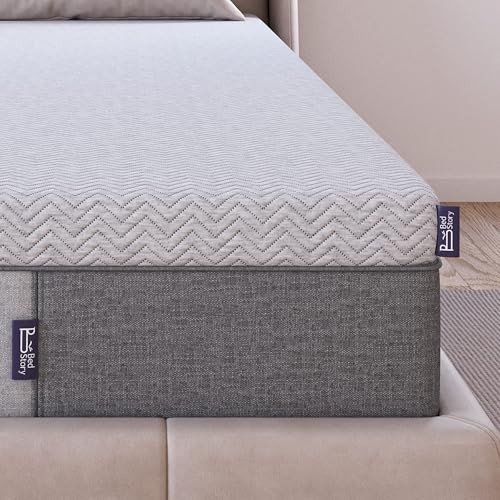
- RELIEVE PAIN & PROTECT THE SPINE - 2-layer pressure-relieving firm memory foam...
- 2-LAYER DESIGN & OPTIONAL FIRMNESS - Featuring double-layer foam design, the top...
- REMOVE MOISTURE & ALLEVIATE FATIGUE - Fusion memory foam contains bamboo...
Sweetcrispy Memory Foam Mattress Topper – Best Value Cooling Topper
Featuring 3 inches of ventilated, egg-crate foam, this design maximizes surface area for heat dissipation. The airflow channels and machine-washable cover provide a simple, affordable cooling upgrade, perfect for improving an old, flat mattress.
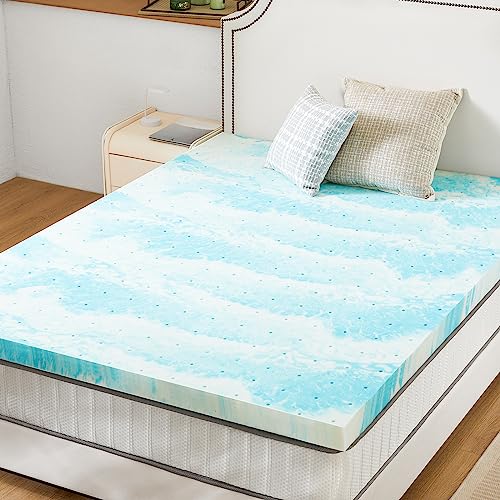
- ENHANCED COMFORT - With this memory foam mattress topper, say goodbye to...
- IMPROVED AIRFLOW - The gel infusion in this mattress pad helps to dissipate heat...
- VERSATILE USE - Whether you use it on your bed, sofa, or even in your RV, this...
ChiXpace Dual Layer 4 Inch Memory Foam Mattress Topper – Best Advanced Cooling System
This dual-layer option pairs 2 inches of cooling gel memory foam with 2 inches of responsive support foam. It includes a removable, quilted cooling cover for added breathability, offering deep contouring with dedicated heat-dissipating technology for hot sleepers.
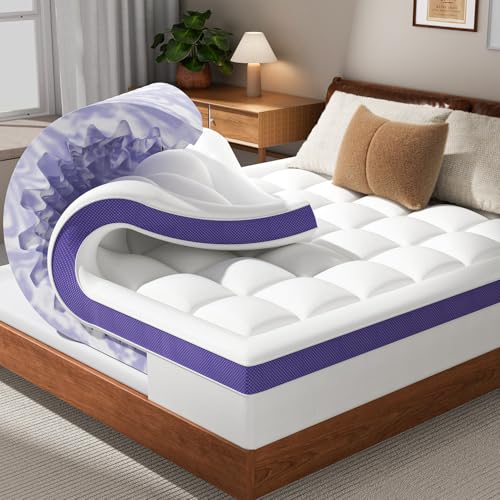
- Dual-Layer Design: This is Queen (60" x 80") size mattress topper. Our mattress...
- Comfortable Support: The memory foam with an egg-crate pattern provides...
- Cooling & Breathable: The ultra-soft fabric and premium gel-infused memory foam...
Conclusion
A hot foam mattress topper is a common issue rooted in material density and trapped body heat. Fortunately, solutions range from simple bedding adjustments to investing in advanced cooling materials.
The key is to address both breathability and your sleep environment. By The causes and applying the right fixes, you can transform your sleep surface into a comfortably cool retreat for restful nights.
Frequently Asked Questions about Why Your Foam Topper Is Hot And How To Fix It
Is it normal for all memory foam toppers to sleep hot?
Traditional memory foam is prone to heat retention due to its dense, conforming structure. This is a common characteristic of the material, not a defect in your specific product.
However, newer formulations like gel-infused, copper-infused, or open-cell memory foam are engineered to sleep much cooler. The market now offers many options designed specifically for temperature regulation.
Will adding a mattress protector make my topper hotter?
It depends entirely on the protector’s material. A basic vinyl or polyester protector will trap heat and moisture, making the problem worse.
Choose a protector made from breathable, moisture-wicking fabrics like cotton, bamboo, or Tencel. These materials allow airflow and can actually help wick sweat away from the topper’s surface.
How long does it take for a new cooling topper to stop feeling warm?
A new foam topper may have a slight off-gassing period and can feel warm initially as it adjusts to room temperature. This typically subsides within 24-48 hours of airing out.
For the topper to reach its optimal cooling performance, allow a full break-in period of about 2-3 weeks. Your body also needs time to adjust to the new sleeping surface and its temperature regulation.
Can I flip my foam topper over to make it cooler?
Yes, if your topper is double-sided. Flipping it can expose a fresher, less-compressed surface to your body, which may improve airflow temporarily.
Check the manufacturer’s instructions first, as some toppers have a designated top and bottom. If it’s single-sided, rotating it 180 degrees head-to-toe can achieve a similar effect by distributing wear.
Are natural latex toppers better than memory foam for cooling?
Generally, yes. Natural latex has an open, aerated cell structure that promotes excellent airflow and is naturally breathable. It sleeps noticeably cooler than traditional memory foam.
Latex is also more responsive and bouncy, so it contours without the deep sinkage that can trap heat. It is a premium, durable option ideal for hot sleepers seeking a cooler feel.
What is the single most effective quick fix for a hot topper?
Improving airflow directly on the surface is the fastest solution. Use a standalone fan pointed at your bed or a bed fan that blows air between your sheets and topper.
Combine this with lightweight, natural fiber bedding like cotton or linen sheets. This duo addresses both convective cooling (air movement) and conductive cooling (breathable fabric) immediately.