
Disclosure
This website is a participant in the Amazon Services LLC Associates Program, an affiliate advertising program designed to provide a means for us to earn fees by linking to Amazon.com and affiliated sites.
Your sleep pattern may be changing due to factors like stress, aging, lifestyle habits, or underlying medical conditions. Sleep patterns naturally shift over time, but sudden or disruptive changes can signal health issues, hormonal imbalances, or environmental disruptions. Understanding the root cause is essential for restoring restful, consistent sleep.
Sleep is a complex biological process influenced by your circadian rhythm, hormones like melatonin, and external factors such as light exposure and daily routines.
Best Sleep Aids for Regulating Sleep Patterns
Philips SmartSleep Wake-Up Light (HF3520)
This sunrise-simulation alarm clock gradually brightens to mimic natural sunlight, helping regulate your circadian rhythm. It also offers sunset fading for bedtime and customizable alarm sounds. Ideal for those struggling with waking up or seasonal sleep disruptions.
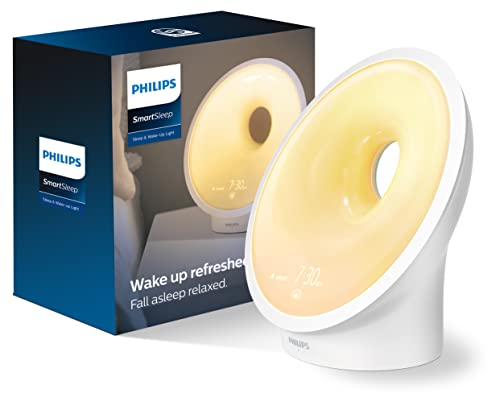
- PERSONALIZED WAKE-UP & WIND-DOWN: Customizable sunset, sunrise, and sound…
- SMART FEATURES: Midnight light, FM radio, phone charging dock, power back-up…
- MOOD AND ENERGY: Proven to give you an easy and energetic wake-up and improve…
Oura Ring (Generation 3)
A premium sleep tracker that monitors body temperature, heart rate variability, and sleep stages with medical-grade accuracy. Its sleek design provides 24/7 insights without bulky wrist wearables. Perfect for identifying patterns in sleep disturbances.

- SIZE BEFORE YOU BUY – Size with Gen3 Sizing Kit prior to purchasing Oura Ring…
- THE REVOLUTIONARY SMART RING – Track your sleep, activity, stress, heart rate…
- MORE ACCURATE BY DESIGN – Your finger provides the most accurate pulse reading…
Dodow Sleep Aid Device (Metronic)
This light-based metronome helps users fall asleep faster through guided breathing exercises. Projects a soothing blue light that pulses at decreasing intervals to slow your breathing rate. Particularly effective for stress-related insomnia and racing thoughts at bedtime.
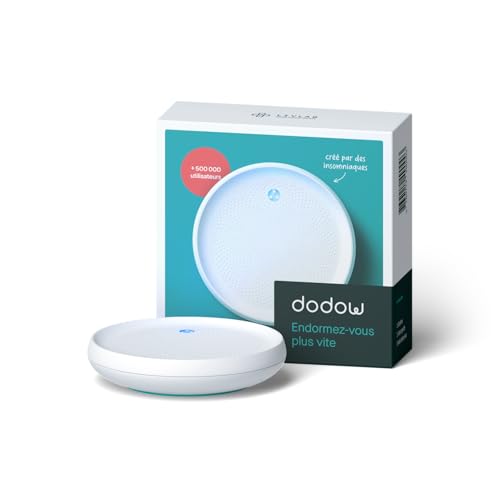
- Natural Sleep Aid – Dodow uses a metronome and light system to teach you how to…
How Your Circadian Rhythm Controls Sleep Patterns
Your circadian rhythm is an internal 24-hour biological clock that regulates when you feel sleepy or alert. This master clock, located in the brain’s hypothalamus, responds primarily to light exposure but is also influenced by meal times, physical activity, and social interactions.
When functioning properly, it creates consistent sleep-wake cycles that align with day and night.
The Science Behind Your Sleep-Wake Cycle
The circadian rhythm works through a complex hormonal cascade. In response to darkness, your pineal gland releases melatonin – often called the “sleep hormone” – which lowers body temperature and induces drowsiness.
Conversely, morning light suppresses melatonin while increasing cortisol to promote wakefulness. This system evolved to keep humans synchronized with Earth’s rotation, but modern lifestyles frequently disrupt it.
- Light exposure: Blue light from screens mimics sunlight, tricking your brain into delaying melatonin production
- Irregular schedules: Shift work or inconsistent bedtimes confuse your internal clock
- Aging: Older adults often experience advanced sleep phase syndrome, causing earlier bedtimes and wake times
Common Disruptors of Circadian Rhythm
Several factors can desynchronize your natural sleep-wake cycle. Jet lag is the most familiar example, where rapid time zone changes create mismatch between your internal clock and local time. More subtle disruptions include:
- Social jet lag: Staying up late on weekends and sleeping in, then struggling with early Monday wake-ups
- Artificial lighting: Bright indoor lights after sunset delay melatonin release by 1-3 hours
- Temperature fluctuations: Overheated bedrooms prevent the natural nighttime dip in core body temperature needed for sleep
Restoring Healthy Circadian Alignment
Resetting your internal clock requires consistent behavioral changes over 2-4 weeks. The most effective method is bright light therapy – exposure to 10,000 lux light for 30 minutes upon waking. Other research-backed strategies include:
Morning sunlight exposure: Just 15 minutes of natural light without sunglasses helps anchor your rhythm. The photons trigger specialized cells in your retina that directly communicate with the suprachiasmatic nucleus (your master clock).
Strategic caffeine timing: Consuming caffeine too late (after 2pm for most people) can delay your circadian rhythm by up to 40 minutes. This occurs because caffeine blocks adenosine receptors, interfering with natural sleep pressure buildup.
How Hormonal Changes Affect Sleep Patterns
Your endocrine system plays a crucial role in sleep regulation, with multiple hormones working in concert to control sleep quality and timing.
These chemical messengers fluctuate throughout your lifespan, during menstrual cycles, and in response to stress – each variation potentially disrupting your sleep architecture.
The Key Hormones Governing Sleep
Several hormones create a delicate balance that determines when and how well you sleep:
- Melatonin: The primary sleep hormone that rises in darkness and falls with light exposure. Production decreases with age, explaining why older adults often struggle with sleep maintenance.
- Cortisol: Your “stress hormone” that should peak in the morning and decline throughout the day. Elevated nighttime cortisol levels cause insomnia and fragmented sleep.
- Growth hormone: Released during deep sleep stages, crucial for tissue repair and muscle recovery. Disrupted sleep severely impairs its secretion.
Life Stage Hormonal Changes and Sleep
Major hormonal shifts at different life stages create predictable sleep pattern changes:
- Puberty: Delayed melatonin secretion shifts teens’ circadian rhythm later, making early school start times biologically challenging
- Pregnancy: Progesterone increases sleepiness but also causes frequent awakenings, while physical discomfort compounds sleep issues
- Menopause: Declining estrogen leads to hot flashes and reduces REM sleep, with many women developing insomnia
Practical Solutions for Hormone-Related Sleep Issues
Addressing hormonal sleep disruptions requires targeted strategies:
For cortisol imbalances: Implement a “cortisol reset” by practicing diaphragmatic breathing before bed and reducing high-intensity evening workouts. The 4-7-8 breathing technique (inhale 4 sec, hold 7 sec, exhale 8 sec) can lower cortisol by up to 50%.
For age-related melatonin decline: Consider timed melatonin supplementation (0.3-1 mg taken 2 hours before bed) rather than higher doses. Pair this with complete darkness exposure for maximum effect.
For menstrual cycle disruptions: Track your cycle and anticipate sleep changes – progesterone dominance in the luteal phase may require adjusting bedtime earlier. Cooling mattress pads can help with night sweats.
How Environmental Factors Reshape Your Sleep Architecture
Your sleeping environment exerts profound influence on sleep quality and duration, often triggering subtle but cumulative changes in sleep patterns.
These external factors interact with your biology to either support or disrupt the complex sleep cycle consisting of REM and NREM stages.
The Science of Sleep Environment Optimization
Environmental sleep science reveals three critical factors that must be balanced:
| Factor | Optimal Range | Physiological Impact | Measurement Tools |
|---|---|---|---|
| Temperature | 60-67°F (15.5-19.5°C) | Facilitates core body temp drop needed for sleep onset | Smart thermostats, bed temperature sensors |
| Humidity | 40-60% RH | Prevents airway irritation and night awakenings | Hygrometers, smart humidifiers |
| Noise Levels | <30 dB baseline | Maintains deep sleep stages by preventing auditory arousals | Sound meters, white noise machines with dB display |
Advanced Environmental Modifications
Beyond basic adjustments, these professional-grade solutions address specific sleep disruptions:
- Grounding/Earthing: Sleeping on conductive sheets connected to Earth’s surface potential may reduce cortisol levels by up to 50% according to preliminary studies
- Biomimetic Lighting: Smart lighting systems that replicate natural sunset spectrums (increased red wavelengths) better support melatonin production than standard dimmers
- Air Ionization:Negative ion generators (5000+ ions/cm³) can improve sleep efficiency by reducing airborne particulates that cause nighttime congestion
Common Environmental Mistakes and Corrections
Most sleep environment errors stem from misunderstanding human thermoregulation:
- Mistake: Using thick pajamas in warm rooms – creates microclimate overheating
- Solution: Wear moisture-wicking fabrics and use layered bedding for temperature gradient control
- Mistake: Running air purifiers at maximum speed – creates disruptive airflow noise
- Solution: Place purifiers on low setting 2 hours before bed, then turn off during sleep
Environmental sleep optimization requires ongoing adjustments as seasons change and your body adapts. Advanced sleepers should consider infrared thermography to identify thermal bridges in their bedroom or invest in climate-controlled bedding systems that automatically adjust to your sleep stage requirements.
How Lifestyle and Behavioral Factors Reshape Sleep Patterns
Daily habits and routines exert powerful influence on sleep architecture, often creating gradual but significant changes in sleep quality and timing. These behavioral factors interact with your neurobiology to either reinforce or disrupt natural sleep-wake cycles.
The Neurochemistry of Habitual Sleep Disruptors
Common lifestyle factors affect sleep through specific biochemical pathways:
- Caffeine: Blocks adenosine receptors for 5-8 hours, delaying sleep pressure buildup. Genetic variations in CYP1A2 enzyme affect individual sensitivity.
- Alcohol: Fragments sleep by suppressing REM in the second half of the night and causing micro-awakenings during metabolization.
- Screen Time: Blue light (480nm wavelength) inhibits melatonin for 90+ minutes post-exposure by stimulating intrinsically photosensitive retinal ganglion cells.
Behavioral Sleep Optimization Framework
Implement these research-backed techniques for sustainable sleep improvement:
- Stimulus Control Therapy:
- Use bed only for sleep (no reading/TV)
- Leave bed if not asleep in 20 minutes
- Maintain consistent rise time regardless of sleep duration
- Sleep Restriction Therapy:
- Calculate average total sleep time from sleep diary
- Limit time in bed to this duration initially
- Gradually increase by 15-minute weekly increments
Advanced Chrononutrition Strategies
Timing and composition of meals significantly impact sleep quality:
| Nutrient | Optimal Timing | Mechanism | Food Sources |
|---|---|---|---|
| Tryptophan | 3-4 hours before bed | Precursor for serotonin and melatonin synthesis | Turkey, pumpkin seeds, cottage cheese |
| Magnesium | Evening meal | Regulates GABA receptors and muscle relaxation | Spinach, almonds, dark chocolate |
| Complex Carbs | 2-3 hours before bed | Facilitates tryptophan transport across blood-brain barrier | Oatmeal, sweet potatoes, whole grain bread |
For shift workers or those with delayed sleep phase disorder, strategic light exposure and melatonin timing can help realign circadian rhythms. Morning bright light therapy (10,000 lux for 30 minutes upon waking) combined with low-dose (0.3mg) melatonin 5 hours before desired bedtime creates the most effective phase advance.
Medical Conditions and Medications That Alter Sleep Architecture
Underlying health conditions and pharmacological treatments can profoundly disrupt sleep patterns through multiple physiological pathways. These changes often manifest gradually, making them difficult to recognize without professional evaluation.
Common Medical Conditions Affecting Sleep
| Condition | Sleep Impact | Mechanism | Management Strategies |
|---|---|---|---|
| Obstructive Sleep Apnea | Fragmented sleep, reduced REM | Airway collapse causes micro-arousals (5-15x/hour) | CPAP therapy, mandibular advancement devices |
| Restless Legs Syndrome | Delayed sleep onset | Dopamine dysfunction causes irresistible limb movements | Iron supplementation, dopamine agonists |
| GERD | Nighttime awakenings | Acid reflux triggers protective arousal | Elevated head position, early dinners |
Medication-Induced Sleep Disruptions
Many prescription drugs alter sleep through neurotransmitter modulation:
- SSRIs (e.g., Fluoxetine): Suppress REM sleep by 25-40%, increase sleep fragmentation
- Beta Blockers (e.g., Propranolol): Reduce melatonin production by blocking β-adrenergic receptors
- Stimulants (e.g., Adderall): Delay sleep onset by increasing dopamine/norepinephrine
Diagnostic and Treatment Considerations
When evaluating medical sleep disruptors:
- Polysomnography remains the gold standard for identifying sleep disorders (measures brain waves, oxygen levels, heart rate)
- Medication timing adjustments can mitigate effects (e.g., taking diuretics earlier to reduce nocturia)
- Alternative therapies may be preferable (e.g., CBT-I instead of hypnotics for chronic insomnia)
Emerging Research and Future Directions
Cutting-edge developments include:
- Precision sleep medicine: Genetic testing for circadian rhythm variants (PER3 polymorphisms)
- Neurostimulation devices: Transcranial magnetic stimulation for treatment-resistant insomnia
- Gut microbiome analysis: Identifying bacterial strains that influence sleep via the gut-brain axis
Patients experiencing persistent sleep changes should maintain a detailed sleep diary for 2-4 weeks before clinical evaluation, noting medication times, symptom patterns, and lifestyle factors to aid differential diagnosis.
Advanced Sleep Tracking and Data Interpretation Techniques
Modern sleep monitoring technologies provide unprecedented insights into sleep architecture, but require specialized knowledge to interpret correctly. These systems capture multidimensional data that reveals subtle changes in sleep patterns over time.
Comprehensive Sleep Metric Analysis
Key physiological parameters and their clinical significance:
| Metric | Optimal Range | Measurement Method | Clinical Implications |
|---|---|---|---|
| Sleep Latency | 10-20 minutes | EEG/actigraphy | Prolonged latency indicates hyperarousal or circadian misalignment |
| Sleep Efficiency | ≥85% | Total sleep time/time in bed | Low efficiency suggests insomnia or sleep fragmentation |
| REM Density | 15-20% of TST | Polysomnography | Reduced REM correlates with depression and neurodegenerative diseases |
Advanced Tracking Technologies
Cutting-edge monitoring systems and their applications:
- Biomotion Sensors (e.g., Withings Sleep Analyzer):
- Measures heart rate variability and breathing patterns through mattress sensors
- Detects sleep apnea events with 89% accuracy compared to PSG
- EEG Headbands (e.g., Dreem 3):
- Provides clinical-grade sleep staging through dry electrode EEG
- Offers real-time auditory stimulation to enhance slow-wave sleep
Data Integration and Longitudinal Analysis
Professional interpretation techniques for identifying patterns:
- Time-series analysis: Plotting sleep metrics against environmental variables (temperature, light exposure)
- Phase response curves: Mapping how interventions affect circadian timing
- Machine learning algorithms: Identifying subtle predictors of sleep deterioration
Troubleshooting Common Tracking Issues
Addressing measurement inaccuracies:
- Device placement errors: Optical sensors require proper skin contact (clean, hair-free surface)
- Motion artifacts: Distinguish restless sleep from wakefulness using multi-sensor correlation
- Data synchronization: Align sleep data with medication times and meal logs for complete analysis
Comprehensive Sleep Optimization Framework: A Systematic Approach
Developing sustainable sleep improvements requires a holistic, evidence-based methodology that addresses all physiological and environmental factors. This framework integrates clinical sleep science with practical behavioral modifications for long-term results.
Multidimensional Sleep Optimization Matrix
| Optimization Domain | Key Parameters | Measurement Tools | Intervention Timeline | Expected Improvement |
|---|---|---|---|---|
| Circadian Alignment | DLMO timing, core body temp minimum | Salivary melatonin tests, temp loggers | 4-6 weeks | 15-20% sleep efficiency increase |
| Sleep Architecture | REM latency, SWS percentage | Home EEG devices, polysomnography | 8-12 weeks | 25% deeper sleep cycles |
| Environmental Control | Temperature, humidity, light pollution | Smart sensors, lux meters | Immediate-2 weeks | 30-45 min sleep onset reduction |
Implementation Roadmap
A phased approach ensures sustainable results:
- Baseline Assessment (Week 1-2):
- Complete sleep diary with environmental logging
- Conduct home sleep test or wearables validation
- Establish chronotype through MEQ questionnaire
- Core Interventions (Week 3-8):
- Gradual circadian realignment using light therapy
- Sleep restriction therapy to consolidate sleep
- Environmental optimization protocols
Quality Assurance and Maintenance
Sustaining improvements requires ongoing monitoring:
- Monthly validation: Compare wearable data against quarterly professional sleep studies
- Intervention titration: Adjust light exposure duration/intensity seasonally
- Preventive measures: Implement jet lag protocols 3 days before travel
Risk Mitigation Strategies
Address potential pitfalls:
- For sleep restriction: Never reduce below 5 hours/night and monitor daytime impairment
- For light therapy: Screen for bipolar disorder risk and eye health considerations
- For supplements: Cycle melatonin use to prevent receptor downregulation
Conclusion: Understanding and Improving Your Changing Sleep Patterns
Throughout this comprehensive guide, we’ve explored the multifaceted factors influencing sleep pattern changes – from circadian rhythms and hormonal fluctuations to environmental conditions and medical considerations. Key takeaways include:
- Your internal biological clock responds to light exposure, temperature, and daily routines
- Hormonal changes across life stages significantly impact sleep architecture
- Sleep environment optimization requires precise control of multiple variables
- Behavioral modifications and advanced tracking can yield measurable improvements
Actionable next step: Begin by tracking your sleep patterns for two weeks using a simple diary or wearable device, then implement one targeted change from each major category we’ve discussed. Remember that sustainable sleep improvements develop gradually – be patient with the process and consistent with your interventions.
For persistent sleep issues, consult a board-certified sleep specialist who can provide personalized recommendations based on your unique physiology and lifestyle.
Frequently Asked Questions About Changing Sleep Patterns
What are the most common causes of sudden changes in sleep patterns?
Sudden sleep pattern changes typically stem from: acute stress triggering cortisol spikes, illness/inflammation altering sleep architecture, medication changes (especially SSRIs or beta-blockers), or environmental disruptions like new noise pollution.
More serious causes include sleep disorders (onset insomnia or sleep apnea) or neurological conditions. Track accompanying symptoms – persistent changes lasting 3+ weeks warrant medical evaluation.
How can I reset my sleep schedule after chronic late-night insomnia?
Use this proven 3-phase approach:
1) Gradually adjust bedtime 15 minutes earlier every 3 nights
2) Implement strict morning light therapy (10,000 lux light for 30 mins upon waking)
3) Maintain consistent meal times to reinforce circadian cues.
Avoid naps longer than 20 minutes during adjustment. Full reset typically takes 2-4 weeks depending on chronotype.
Why do I wake up at the same time every night (e.g., 3 AM)?
This usually reflects ultradian rhythm disruption or cortisol spikes during late sleep cycles. Common culprits include: blood sugar crashes (eat protein before bed), sleep apnea events, or stress hormone dysregulation.
Try tart cherry juice (natural melatonin source) or progressive muscle relaxation techniques. Persistent early awakenings may indicate depression and require professional assessment.
How accurate are consumer sleep trackers compared to medical devices?
While convenient, consumer devices have limitations: wrist-based trackers are 78-85% accurate for sleep staging vs. clinical polysomnography. Chest-worn devices (like Polar H10) measure HRV more precisely.
For serious concerns, combine consumer data with occasional professional sleep studies. Look for trackers validated against EEG (like Oura Ring Gen3).
Can changing my diet really improve my sleep quality?
Absolutely. Key nutritional strategies include: consuming tryptophan-rich foods (turkey, pumpkin seeds) 3 hours before bed, maintaining magnesium levels (dark leafy greens), and avoiding high-glycemic meals within 2 hours of sleep. The Mediterranean diet shows particular promise, improving sleep efficiency by 10-15% in clinical studies.
What’s the safest way to use melatonin supplements?
Use the lowest effective dose (0.3-1mg) taken 2-3 hours before desired bedtime. Avoid chronic daily use – cycle 3 weeks on/1 week off to prevent receptor desensitization. Sublingual formulations work fastest. Importantly, melatonin is a chronobiotic (timing signal) not a sedative – pair with darkness exposure for maximum effect.
How does aging specifically change sleep patterns?
After 50, people typically experience: reduced slow-wave sleep (60-70% less by age 80), advanced sleep phase (earlier bed/wake times), and more frequent awakenings.
These stem from pineal gland calcification (reducing melatonin), decreased homeostatic sleep pressure, and often undiagnosed sleep disorders. Strategic napping (before 3 PM) can help compensate.
When should I seek professional help for changing sleep patterns?
Consult a sleep specialist if you experience: excessive daytime sleepiness despite 7+ hours in bed, witnessed breathing pauses during sleep, persistent difficulty falling/staying asleep 3+ nights weekly for a month, or if changes correlate with other symptoms like mood disturbances or cognitive decline. A sleep study may be warranted to rule out disorders.