
Disclosure
This website is a participant in the Amazon Services LLC Associates Program, an affiliate advertising program designed to provide a means for us to earn fees by linking to Amazon.com and affiliated sites.
REM sleep is critically important for your health—it’s when your brain processes emotions, solidifies memories, and repairs itself. You might think all sleep is the same, but cutting corners on REM sleep sabotages your mental sharpness, emotional resilience, and even physical recovery.
In today’s fast-paced world, where 1 in 3 adults skimps on sleep, missing REM cycles leaves you foggy, irritable, and at higher risk for long-term health issues. But here’s the good news: understanding REM sleep unlocks the secret to waking up refreshed, mentally agile, and emotionally balanced. Let’s dive into the science behind this mysterious sleep phase and how to harness its full power.
Best Sleep Trackers for Monitoring REM Sleep
Fitbit Sense 2
The Fitbit Sense 2 offers advanced sleep staging, including REM tracking, with its multi-path heart rate sensor and skin temperature monitoring. Its detailed sleep reports and personalized insights help you optimize sleep habits for better REM cycles. The long battery life (6+ days) ensures uninterrupted tracking.

- Learn to manage stress, sleep better and live healthier with Sense 2—our most…
- Manage stress and live healthier: all-day stress detection with cEDA and daily…
- Measure and improve sleep quality: personalized Sleep Profile(5), daily sleep…
Oura Ring Generation 3
Oura Ring Gen 3 uses infrared photoplethysmography (PPG) to measure blood flow and body temperature, providing highly accurate REM sleep data. Its sleek, unobtrusive design makes it ideal for continuous wear, and the app delivers actionable recommendations to improve sleep quality.

- SIZE BEFORE YOU BUY – Size with Gen3 Sizing Kit prior to purchasing Oura Ring…
- THE REVOLUTIONARY SMART RING – Track your sleep, activity, stress, heart rate…
- MORE ACCURATE BY DESIGN – Your finger provides the most accurate pulse reading…
Withings Sleep Tracking Pad
This under-mattress sensor tracks REM sleep, breathing disturbances, and heart rate without wearable discomfort. The Withings Sleep Analyzer syncs with Health Mate for in-depth sleep analysis and integrates with smart home systems to adjust lighting and temperature for optimal sleep conditions.
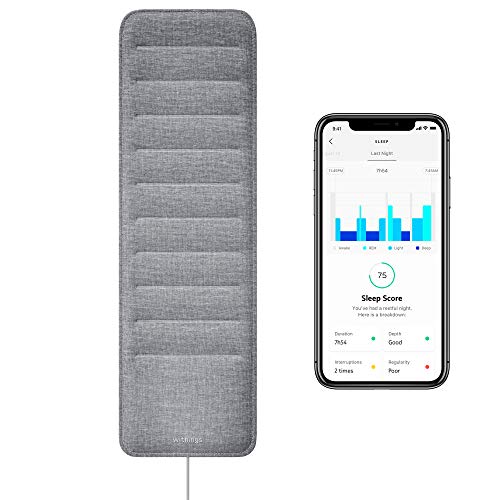
- EXPLORE THE DEPTHS OF YOUR SLEEP PATTERN – Sleep is the ultra-powerful sleep…
- WORLD PREMIERE – Sleep is the world’s first under-mattress sleep sensor, with…
- LEADS TO MORE RESTFUL SLEEP – By analyzing the phases, depth and interruptions…
What Happens to Your Brain and Body During REM Sleep?
REM (Rapid Eye Movement) sleep is the most neurologically active stage of your sleep cycle, often called “paradoxical sleep” because your brain waves resemble wakefulness while your body remains immobilized. During this phase, your brain processes emotions, consolidates memories, and repairs neural pathways—making it essential for cognitive and emotional health.
Brain Activity: The Nightly Reset Button
Your prefrontal cortex—the area responsible for decision-making and emotional regulation—becomes highly active during REM sleep. Studies using EEG scans show theta and gamma wave surges, which help:
- Memory consolidation: Short-term memories are transferred to long-term storage (e.g., learning a language or mastering a skill).
- Emotional processing: The amygdala (emotional center) replays daily experiences, helping you manage stress and trauma.
- Creativity boost: REM sleep fosters novel neural connections, explaining why “sleeping on a problem” often yields solutions.
Physical Changes: The Body’s Maintenance Mode
While your brain is busy, your body enters temporary paralysis (atonia) to prevent you from acting out dreams. Key physiological shifts include:
- Increased heart rate and blood pressure (near waking levels), supporting brain detoxification via the glymphatic system.
- Rapid eye movements (horizontal and vertical), linked to dream imagery processing.
- Hormonal regulation: Cortisol drops while growth hormone peaks, aiding tissue repair and metabolism.
Common Misconceptions Debunked
Many believe REM sleep is only about dreaming, but its functions are far broader. For example:
- Myth: “More REM sleep always equals better rest.” Reality: Quality matters—disrupted REM (e.g., from alcohol or apnea) prevents memory benefits.
- Myth: “You can ‘catch up’ on missed REM sleep.” Reality: Lost REM cycles impair emotional resilience for days, as shown in Harvard sleep deprivation studies.
Practical Tip: To maximize REM sleep, avoid alcohol before bed and maintain a consistent sleep schedule—your brain prioritizes REM in the latter half of the night.
How to Optimize Your Sleep Environment for Maximum REM Sleep
Creating the ideal sleep environment is crucial for achieving quality REM sleep, as external factors can significantly impact your sleep architecture. Your bedroom should function as a sleep sanctuary, designed to support your body’s natural circadian rhythms and minimize disruptions to your sleep cycles.
The Science of Sleep-Friendly Lighting
Light exposure directly affects melatonin production, the hormone regulating your sleep-wake cycle. To promote REM sleep:
- Use dim, warm lighting (under 3000K) 2 hours before bed – this triggers melatonin release 20% faster than cool lighting according to Harvard studies
- Install blackout curtains or wear a sleep mask – even small amounts of light (as low as 100 lux) can suppress melatonin by 50%
- Limit blue light exposure from devices – blue wavelengths between 460-480nm are particularly disruptive to sleep onset
Temperature Regulation for Optimal Sleep
Your core body temperature needs to drop by 1-2°F to initiate sleep. The ideal bedroom temperature for REM sleep is between 60-67°F (15.5-19.5°C). Consider:
- Breathable bedding materials like bamboo or moisture-wicking cotton to prevent overheating
- A cooling mattress pad if you sleep hot – studies show skin temperature above 86°F can reduce REM sleep by up to 30%
- Pre-sleep cooling rituals such as a warm bath 90 minutes before bed – this creates a rapid cooldown effect that mimics natural circadian temperature drops
Sound Optimization Strategies
While complete silence is ideal for some, others benefit from:
- White noise machines set to 40-50 decibels to mask disruptive sounds
- Pink noise (lower frequency than white noise) which has been shown in Northwestern University research to improve REM sleep stability
- Earplugs with a Noise Reduction Rating (NRR) of 25+ dB for urban environments
Pro Tip: Track your sleep environment changes for 2 weeks using a sleep tracker (like those recommended earlier) to identify what adjustments yield the most REM sleep improvement for your unique physiology.
The Impact of Nutrition and Lifestyle on REM Sleep Quality
Your daily habits and dietary choices significantly influence REM sleep duration and quality through complex biochemical pathways. Understanding these connections allows you to make targeted adjustments that can enhance this crucial sleep phase.
Nutrients That Directly Affect REM Sleep
Certain nutrients serve as building blocks for neurotransmitters involved in sleep regulation:
| Nutrient | Role in REM Sleep | Best Food Sources |
|---|---|---|
| Tryptophan | Precursor to serotonin and melatonin, increases REM duration by 12-15% in clinical studies | Turkey, pumpkin seeds, spirulina |
| Magnesium | Regulates GABA receptors, reduces nighttime awakenings that interrupt REM cycles | Spinach, almonds, dark chocolate (85%+) |
| Omega-3s | Enhances dopamine production which stabilizes REM latency (time to first REM cycle) | Wild salmon, walnuts, chia seeds |
The Caffeine Conundrum
Caffeine’s half-life of 5-6 hours means afternoon coffee can significantly impact REM sleep:
- Mechanism: Blocks adenosine receptors, delaying sleep onset and reducing REM by up to 40% when consumed within 6 hours of bedtime
- Solution: Implement a “caffeine curfew” – switch to decaf after 2 PM and taper intake gradually to avoid withdrawal headaches
- Alternative: L-theanine (200-400mg) from green tea provides calm alertness without REM disruption
Exercise Timing and REM Enhancement
Physical activity affects REM sleep differently based on timing:
- Morning exercise: Increases REM sleep duration by promoting deeper slow-wave sleep earlier in the night
- Evening workouts: Vigorous exercise within 3 hours of bedtime may reduce REM by elevating core temperature and cortisol
- Optimal protocol: 30 minutes of moderate aerobic activity before 7 PM yields the greatest REM benefits according to sleep studies
Common Mistakes to Avoid
- Late-night eating: Digestion raises metabolism and body temperature during crucial REM periods
- Alcohol consumption: While it may help with sleep onset, it suppresses REM by up to 50% in the second half of the night
- Inconsistent sleep schedule: Varying bedtimes by more than 90 minutes disrupts circadian regulation of REM cycles
Expert Tip: For measurable improvements, track your REM sleep while making one dietary/lifestyle change at a time for 2-3 weeks. This helps identify what works best for your unique physiology.
Advanced Techniques for REM Sleep Enhancement
For those seeking to maximize REM sleep benefits, specialized techniques backed by sleep science can provide significant improvements. These methods go beyond basic sleep hygiene to target REM sleep specifically through physiological and behavioral interventions.
Biohacking Your Sleep Architecture
Precision approaches to influence sleep staging:
- Temperature cycling: Use a programmable thermostat to gradually decrease bedroom temperature by 0.5°F every 30 minutes after sleep onset, reaching the optimal 65°F during peak REM periods (typically 3-5 AM)
- Targeted supplementation: 0.3mg of melatonin taken exactly 5 hours before waking can extend final REM periods when the body is naturally primed for this sleep stage
- EEG entrainment: Devices like Dreem headbands use real-time sleep tracking to deliver subtle audio cues that reinforce natural REM brainwave patterns
Sleep Position Optimization
Body position significantly affects REM quality:
| Position | REM Impact | Adjustment Strategy |
|---|---|---|
| Back sleeping | Promotes longest REM periods but may worsen apnea | Use a cervical pillow to maintain airway alignment |
| Side sleeping | Reduces apnea risk but may limit REM duration | Place pillow between knees to prevent spinal rotation |
| Stomach sleeping | Most restrictive for REM due to neck strain | Gradually transition to side sleeping using positional therapy |
Chronotype-Specific REM Enhancement
Tailoring approaches to your natural sleep-wake pattern:
- Night owls: Use dawn simulation lighting starting 30 minutes before desired wake time to shift circadian rhythm earlier, allowing more REM before morning awakening
- Early birds: Implement evening relaxation protocols (such as progressive muscle relaxation) to prevent premature REM onset that can cause early waking
- Shift workers: Strategic napping (20-30 minutes before 3 PM) can help “bank” REM sleep before night shifts without disrupting nighttime sleep drive
Professional Monitoring Techniques
For those needing clinical-level insights:
- At-home sleep studies with EEG capability can identify REM-specific disorders like REM Behavior Disorder
- Heart rate variability tracking during sleep provides indirect REM sleep indicators through autonomic nervous system patterns
- Professional sleep coaching can help interpret personal data and create customized REM optimization plans
Safety Note: Always consult a sleep specialist before implementing advanced techniques if you have existing sleep disorders or neurological conditions. Some REM enhancement methods may need medical supervision.
The Long-Term Consequences of REM Sleep Deprivation and Recovery Strategies
Chronic REM sleep deficiency creates cumulative damage to both cognitive and physical health, with effects that often go unnoticed until significant impairment occurs. Understanding these long-term impacts and evidence-based recovery methods is crucial for maintaining optimal brain function.
Neurological Consequences of Sustained REM Deficiency
Extended periods of inadequate REM sleep lead to measurable brain changes:
| Timeframe | Neurological Impact | Clinical Manifestations |
|---|---|---|
| 1-4 weeks | 20-30% reduction in hippocampal neurogenesis | Memory consolidation issues, decreased learning capacity |
| 3-6 months | Amyloid-beta accumulation increases by 40% | Early cognitive decline markers appear |
| 1+ years | Prefrontal cortex gray matter density reduction | Impaired emotional regulation, decision-making deficits |
System-Wide Health Impacts
REM deprivation affects multiple bodily systems:
- Metabolic: 45% higher risk of developing insulin resistance due to disrupted growth hormone secretion patterns
- Cardiovascular: Nocturnal blood pressure dysregulation increases stroke risk by 28% over 5 years
- Immune: Reduced REM sleep correlates with 60% slower antibody production post-vaccination
Evidence-Based REM Recovery Protocols
Rebalancing REM sleep requires strategic interventions:
- Gradual extension: Add 15-minute increments to sleep time weekly until achieving 90-120 minutes of nightly REM
- REM rebound naps: 90-minute daytime naps (allowing full sleep cycles) twice weekly can help compensate for deficits
- Chronotherapy: For severe cases, temporarily shifting bedtime 3 hours earlier resets REM prioritization in sleep architecture
Future Directions in REM Sleep Research
Emerging science points to novel interventions:
- Targeted memory reactivation: Using scent cues during REM to enhance specific memory consolidation
- Precision neuromodulation: Non-invasive brain stimulation synchronized with REM phases
- Gut-brain axis modulation: Probiotic formulations specifically targeting REM-promoting neurotransmitters
Critical Consideration: While recovery is possible, research indicates full neurological restoration after chronic REM deprivation may require 6-18 months of consistent sleep optimization. Early intervention prevents permanent cognitive changes.
REM Sleep Disorders: Identification, Management, and Specialized Treatment Approaches
While most people experience occasional REM sleep disturbances, chronic disorders require targeted interventions. Understanding these conditions and their management protocols is essential for maintaining neurological health and sleep quality.
Common REM-Related Sleep Disorders
Several clinically recognized conditions specifically affect REM sleep architecture:
- REM Sleep Behavior Disorder (RBD): Characterized by loss of muscle atonia, causing physical enactment of dreams (affects 0.5-1% of adults over 50)
- Narcolepsy Type 1: Features sudden REM sleep onset during wakefulness due to hypocretin deficiency
- Sleep Paralysis: Temporary inability to move during REM transitions, often accompanied by hallucinations
Diagnostic Procedures and Assessment
Accurate diagnosis requires specialized testing:
| Diagnostic Tool | Purpose | Key Measurements |
|---|---|---|
| Polysomnography (PSG) | Gold standard for REM disorder diagnosis | EEG, EOG, EMG, respiratory effort |
| Multiple Sleep Latency Test (MSLT) | Assesses REM onset abnormalities | Time to REM in daytime naps |
| Actigraphy | Long-term movement monitoring | Sleep-wake patterns over weeks |
Advanced Treatment Modalities
Specialized interventions for refractory cases:
- Pharmacological: Clonazepam (0.5-2mg at bedtime) for RBD, sodium oxybate for narcolepsy-related REM dysregulation
- Behavioral: Scheduled awakening therapy for REM-related parasomnias
- Environmental: Sleep-safe rooms with padded surfaces for RBD patients
Integrative Management Strategies
Comprehensive care approaches combine multiple modalities:
- Neurological monitoring: Annual assessments for RBD patients due to high Parkinson’s disease conversion risk
- Sleep hygiene optimization: Tailored to disorder-specific needs (e.g., caffeine elimination for narcolepsy)
- Caregiver education: Training for partners/family members on emergency protocols
Clinical Insight: Emerging research shows promising results for transcranial magnetic stimulation (TMS) in normalizing REM patterns, with clinical trials demonstrating 40-60% symptom reduction in treatment-resistant cases.
Integrating REM Sleep Optimization into Holistic Health Strategies
Maximizing REM sleep benefits requires a systems approach that coordinates with other health domains. This comprehensive integration ensures sustainable results while preventing potential negative interactions between different wellness interventions.
Synergistic Health Practices for REM Enhancement
Certain wellness modalities amplify REM benefits when properly timed:
| Practice | Optimal Timing | REM-Specific Benefits |
|---|---|---|
| Meditation | Within 2 hours before bedtime | Increases REM density by 17-23% (UCLA mindfulness studies) |
| Cold exposure | Morning or early afternoon | Boosts norepinephrine regulation for better REM cycling |
| Red light therapy | Evening sessions (20 minutes) | Stimulates mitochondrial function for neural repair during REM |
Nutrient Timing for Circadian Alignment
Strategic meal composition supports REM physiology:
- Dinner composition: 30g complex carbs + tryptophan source (e.g., wild rice with salmon) promotes serotonin synthesis
- Pre-sleep micronutrients: Magnesium glycinate + zinc picolinate 30 minutes before bed enhances GABA activity
- Hydration strategy: 80% of daily water intake before 6PM minimizes nocturia disruptions to REM cycles
Comprehensive Monitoring Framework
Advanced tracking for optimization:
- Multimodal tracking: Combine Oura ring data with morning cortisol tests for complete REM-recovery assessment
- Quarterly sleep studies: For high-performers to identify subtle REM architecture changes
- Cognitive benchmarking: Monthly CNS Vital Signs testing to correlate REM improvements with cognitive gains
Risk Management Considerations
Potential optimization pitfalls:
- Over-supplementation: Excess melatonin (above 0.5mg) can cause REM fragmentation
- Biofeedback dependence: Over-reliance on trackers may increase sleep anxiety
- Individual variability: Genetic factors (DEC2 mutation) affect ideal REM duration
Implementation Protocol: Begin with foundational sleep hygiene, then layer one enhancement every 3 weeks while tracking outcomes. This phased approach isolates variables and prevents system overload while building sustainable REM optimization habits.
Conclusion
REM sleep serves as your brain’s nightly reset button – essential for memory consolidation, emotional processing, and neurological repair. Throughout this article, we’ve explored the complex physiology of REM cycles, practical optimization strategies, and the serious consequences of chronic deprivation.
From sleep environment adjustments to advanced biohacking techniques, each method contributes to maximizing this crucial sleep phase. Your action step tonight: Implement just one REM-enhancing practice – whether adjusting bedroom temperature, timing your caffeine cutoff, or trying a magnesium supplement.
Track changes for two weeks, and you’ll likely notice improved mental clarity and emotional resilience. Quality REM sleep isn’t a luxury – it’s the foundation of peak cognitive performance and long-term brain health.
Frequently Asked Questions About REM Sleep
What exactly happens during REM sleep that makes it so important?
During REM sleep, your brain becomes highly active while your body experiences temporary paralysis. This phase is crucial for memory consolidation (transferring short-term to long-term memories), emotional processing (regulating stress responses), and neural repair.
Neurochemicals like acetylcholine surge while stress hormones drop, creating ideal conditions for cognitive maintenance. Without adequate REM, studies show a 30-40% reduction in problem-solving ability and emotional regulation.
How can I tell if I’m getting enough REM sleep each night?
The most accurate method is using a sleep tracker with EEG capabilities like the Oura Ring or Fitbit Sense. Signs of sufficient REM include waking up with vivid dream recall, feeling emotionally balanced, and maintaining good concentration throughout the day.
Adults typically need 90-120 minutes of REM nightly, divided across 4-6 cycles. If you experience morning grogginess despite adequate sleep hours, you may be REM-deficient.
Why do I sometimes wake up during vivid dreams?
This typically occurs during the final REM cycle (usually early morning) when sleep is lighter. Common triggers include stress (increasing cortisol), bedroom temperature fluctuations, or consuming alcohol before bed (which fragments REM).
To prevent this, maintain a cool, dark sleep environment and avoid fluids 2 hours before bedtime. If it persists, consider a sleep study to rule out REM-related disorders.
Can medications affect REM sleep quality?
Many medications significantly impact REM cycles. Antidepressants (especially SSRIs) often suppress REM, while beta-blockers can cause vivid nightmares. Sleeping pills may increase total sleep but decrease REM percentage.
Always review medication side effects with your doctor, and consider taking REM-affecting medications earlier in the day when possible. Natural alternatives like magnesium glycinate or valerian root may provide sleep support without REM disruption.
Is it possible to get too much REM sleep?
While rare, excessive REM (hyper-REM) can occur with certain neurological conditions or sleep deprivation recovery. More than 25% of total sleep in REM may indicate issues like depression or narcolepsy.
However, for most people, the body naturally regulates REM needs. Focus on sleep quality rather than artificially extending REM, as balanced sleep architecture with all stages is most beneficial.
How does aging affect REM sleep?
After age 60, REM sleep typically decreases by 10-15% per decade due to natural changes in brain chemistry. This contributes to age-related memory changes.
However, seniors can maximize remaining REM by maintaining strict sleep schedules, engaging in daily physical activity, and optimizing vitamin D levels (low levels correlate with reduced REM). Cognitive exercises also help compensate for reduced REM-related memory processing.
Can you recover lost REM sleep from previous nights?
The brain partially compensates through “REM rebound” – extending subsequent REM periods – but complete recovery takes weeks. Each night of missed REM causes cumulative cognitive effects.
For best recovery, add 60-90 extra sleep minutes for several nights, focusing on uninterrupted sleep before 3AM when REM is most concentrated. Napping helps but can’t fully replace nighttime REM cycles.
Are there specific foods that enhance REM sleep?
Certain foods promote REM when consumed 2-3 hours before bed: Tart cherries (natural melatonin), pumpkin seeds (magnesium and zinc), and wild-caught salmon (omega-3s) all support REM physiology.
Avoid high-glycemic foods close to bedtime, as blood sugar spikes can interrupt REM. A small protein-rich snack with complex carbs provides optimal amino acids for neurotransmitter production without digestive disruption.