
Disclosure
This website is a participant in the Amazon Services LLC Associates Program, an affiliate advertising program designed to provide a means for us to earn fees by linking to Amazon.com and affiliated sites.
Have you ever woken up from a dream so vivid it left you questioning reality? Some dreams feel astonishingly real—so intense you can recall textures, emotions, and even smells.
But why does this happen? The answer lies in a fascinating interplay of neuroscience, psychology, and sleep cycles. While many assume dreams are just random mental noise, research reveals they’re deeply connected to your waking life, emotions, and brain chemistry.
Common belief suggests dreams are fleeting illusions, but science proves otherwise. During REM sleep, your brain’s sensory and emotional centers fire at nearly waking levels, crafting immersive dreamscapes. Factors like stress, memory consolidation, and even diet amplify this effect.
Best Sleep Trackers for Analyzing Vivid Dreams
Fitbit Sense 2
The Fitbit Sense 2 excels at tracking REM sleep—the stage where hyper-real dreams occur. Its advanced heart rate variability (HRV) and SpO2 sensors detect subtle physiological changes, helping you correlate dream intensity with sleep quality. The detailed sleep reports make it ideal for dream enthusiasts.

- Learn to manage stress, sleep better and live healthier with Sense 2—our most…
- Manage stress and live healthier: all-day stress detection with cEDA and daily…
- Measure and improve sleep quality: personalized Sleep Profile(5), daily sleep…
Oura Ring Gen3
With its ultra-precise temperature and movement sensors, the Oura Ring Gen3 provides unmatched sleep-stage accuracy. It flags prolonged REM cycles—key for vivid dreams—and suggests lifestyle adjustments to improve dream recall. Its sleek, wearable design ensures uninterrupted sleep tracking.

- SIZE BEFORE YOU BUY – Size with Gen3 Sizing Kit prior to purchasing Oura Ring…
- THE REVOLUTIONARY SMART RING – Track your sleep, activity, stress, heart rate…
- MORE ACCURATE BY DESIGN – Your finger provides the most accurate pulse reading…
Withings Sleep Analyzer
The Withings Sleep Analyzer is a non-wearable mat that slips under your mattress, monitoring breathing disturbances and sleep cycles. It identifies REM-rich nights and syncs data to an app, offering actionable insights for those curious about their dream patterns.
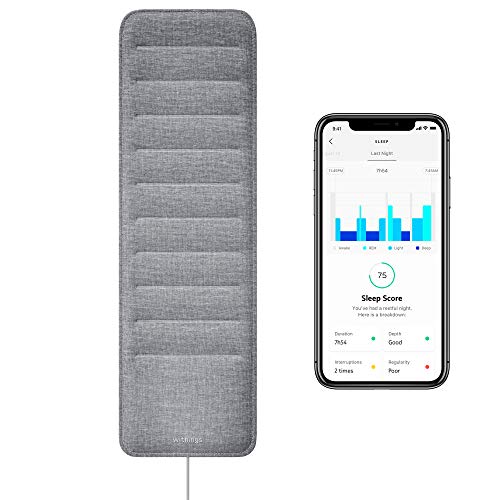
- EXPLORE THE DEPTHS OF YOUR SLEEP PATTERN – Sleep is the ultra-powerful sleep…
- WORLD PREMIERE – Sleep is the world’s first under-mattress sleep sensor, with…
- LEADS TO MORE RESTFUL SLEEP – By analyzing the phases, depth and interruptions…
The Neuroscience Behind Hyper-Realistic Dreams
When dreams feel indistinguishable from reality, your brain is essentially tricking itself into believing the experience is genuine. This phenomenon occurs primarily during REM (Rapid Eye Movement) sleep, the stage most associated with vivid dreaming.
During REM, your brain’s activity closely resembles wakefulness, with heightened activity in the visual cortex, amygdala (emotional center), and hippocampus (memory hub). This creates a multisensory dream environment where sights, sounds, and emotions feel tangible.
Why the Brain Struggles to Differentiate Dreams from Reality
The prefrontal cortex—responsible for logic and critical thinking—becomes less active during REM sleep. This explains why bizarre dream scenarios (like flying or talking to deceased loved ones) feel completely normal in the moment.
Meanwhile, the thalamus, which filters sensory input during wakefulness, fails to block internal signals, making dream-generated sensations feel external. For example:
- Touch: A dream about falling may trigger real muscle twitches (hypnic jerks).
- Pain: 15% of people report feeling physical pain in dreams, per a 2018 Sleep Medicine study.
- Time perception: Dreams can compress or stretch time—a 5-minute nap may yield hours of dream narrative.
Chemical Cocktails That Amplify Dream Realism
Neurotransmitters play a key role in dream intensity. During REM sleep:
- Acetylcholine surges, boosting visual and emotional dream components.
- Serotonin and norepinephrine drop, impairing reality-checking abilities.
- Dopamine fluctuations may explain why some dreams feel euphoric or terrifying.
This explains why SSRIs (which alter serotonin) often cause bizarre dreams, and why nicotine patches (acetylcholine stimulators) increase dream vividness.
Even your sleep position matters—sleeping on your left side increases REM density by 40% compared to back-sleeping, per the Journal of Sleep Research.
When Hyper-Real Dreams Become a Problem
While most vivid dreams are harmless, they can indicate underlying issues if they:
- Cause daytime confusion (dream-reality confusion, common in PTSD)
- Trigger sleep avoidance (fear of nightmares)
- Persist with sleep paralysis (a REM-wakefulness overlap disorder)
For chronic cases, lucid dreaming techniques (like reality checks) or cognitive behavioral therapy can help regain control. Tracking sleep with devices like the Oura Ring Gen3 (mentioned earlier) can identify REM patterns linked to distressing dreams.
How to Enhance and Control Your Vivid Dreams
While some people experience hyper-realistic dreams randomly, there are proven techniques to intentionally cultivate and even direct these experiences.
Mastering dream control begins with understanding the science of dream formation and applying targeted practices that influence your sleep architecture.
Pre-Sleep Rituals to Boost Dream Vividness
Your evening routine directly impacts dream intensity. The 90 minutes before sleep are crucial for setting up a vivid dreaming state:
- Light exposure management: Dim lights 2 hours before bed to stimulate melatonin production. Blue light blockers (like Swannies glasses) can increase REM duration by up to 30%.
- Dream journaling: Writing down dreams upon waking trains your brain to prioritize dream recall. Keep the journal within arm’s reach – even fragmented notes help build recall ability.
- Targeted supplementation: Vitamin B6 (100mg) before bed enhances dream vividness by increasing acetylcholine production, while galantamine (4-8mg) prolongs REM cycles when taken during nighttime awakenings.
The Mnemonic Induction of Lucid Dreams (MILD) Technique
Developed by lucid dreaming researcher Stephen LaBerge, this scientifically validated method combines reality testing with prospective memory training:
- Upon waking after 4-5 hours of sleep, recall a recent dream in detail
- Identify a “dream sign” (an odd element that signals you’re dreaming)
- Repeat the phrase: “Next time I’m dreaming, I’ll remember I’m dreaming” while visualizing yourself recognizing the dream sign
- Return to sleep while maintaining this intention
Studies show this technique increases lucid dream frequency by 17% after just one week of practice. The key is the combination of memory reinforcement and visual rehearsal, which primes your brain for awareness during REM sleep.
Managing Nightmares and Overly Intense Dreams
For those experiencing distressing hyper-real dreams, imagery rehearsal therapy (IRT) offers clinically validated relief:
- Write down the nightmare in detail during daytime
- Rewrite the script with a positive or neutral ending
- Visualize this new version for 10-15 minutes daily
- Practice before sleep for 2-4 weeks
This method works by creating new neural pathways that override the fear response. Research from the American Academy of Sleep Medicine shows IRT reduces nightmare frequency by 70% in PTSD patients.
The Connection Between Vivid Dreams and Emotional Processing
Hyper-realistic dreams often serve as your brain’s emotional regulation system, with neuroscientists identifying specific mechanisms that link dream intensity to emotional processing. This relationship explains why traumatic events or intense emotions frequently trigger exceptionally vivid dreams.
The Emotional Memory Consolidation Process
During REM sleep, your brain performs crucial emotional housekeeping through a three-phase process:
| Phase | Brain Region | Function | Dream Manifestation |
|---|---|---|---|
| 1. Tagging | Amygdala | Flags emotionally charged memories | Dreams replay recent emotional events |
| 2. Processing | Hippocampus-PFC circuit | Strips away raw emotional intensity | Dreams transform traumatic content into narratives |
| 3. Integration | Default Mode Network | Stores useful emotional lessons | Recurring dream themes emerge |
This explains why people with PTSD often experience hyper-realistic nightmares – their amygdala remains overactive during sleep, preventing proper emotional processing.
A 2022 study in Nature Human Behaviour found that trauma survivors who regained normal REM patterns showed 60% better emotional recovery.
Harnessing Dreams for Emotional Growth
You can leverage this connection through targeted practices:
- Emotional priming: Before sleep, consciously reflect on unresolved feelings. This directs your brain’s processing power toward specific concerns.
- Dream incubation: Repeat a question about emotional challenges as you fall asleep. Your dreams often provide novel perspectives by morning.
- Affect labeling: Upon waking, name the emotions experienced in dreams. This bridges subconscious processing with conscious understanding.
When Vivid Dreams Signal Emotional Imbalance
Certain dream patterns warrant professional attention:
- Recurrent nightmares (more than 2x weekly for a month) may indicate unresolved trauma
- Emotional hangovers (dream feelings persisting hours after waking) suggest incomplete processing
- Extreme hyper-realism with sleep paralysis could signal REM sleep behavior disorder
For these cases, therapies like EMDR (Eye Movement Desensitization and Reprocessing) have shown particular effectiveness by replicating REM’s bilateral stimulation while awake. Sleep tracking devices like the Fitbit Sense 2 can help monitor progress by measuring REM stability improvements over time.
Cultural and Historical Perspectives on Vivid Dreams
Throughout human history, hyper-realistic dreams have held profound significance across civilizations, shaping spiritual beliefs, artistic expression, and even scientific discovery.
Ancient Dream Interpretation Systems
Various cultures developed sophisticated frameworks for understanding vivid dreams:
- Mesopotamian Dream Records (3000 BCE): The earliest known dream interpretations were recorded on cuneiform tablets, where temple priests served as “dream experts.” They believed vivid dreams contained messages from gods, with specific symbols indicating omens.
- Egyptian Dream Books (2000 BCE): These categorized dreams as “good” or “bad” omens. A vivid dream of flying (common in modern reports) was considered extremely auspicious, foretelling success in leadership roles.
- Greek Oneirocritica (2nd century CE): Artemidorus’s 5-volume work systematically analyzed dream symbols. He distinguished between “enhypnion” (ordinary dreams) and “oneiros” (prophetic visions), noting the latter felt more realistic and emotionally charged.
Shamanic Dream Practices
Indigenous cultures developed practical techniques for cultivating and interpreting vivid dreams:
- Native American Vision Quests: Through sleep deprivation and fasting, seekers induced hyper-real dreams considered communications from spirit guides. The Lakota tradition specifically valued dreams featuring thunder beings as particularly significant.
- Australian Aboriginal Dreamtime: The concept of “Tjukurrpa” connects waking life with dream experiences, where particularly vivid dreams are seen as visits to ancestral realms. Certain dreams grant access to sacred knowledge.
- Amazonian Ayahuasca Traditions: The vine’s chemical composition (containing DMT) produces waking-dream states that shamans use for healing. Modern research shows these experiences activate similar brain regions as REM sleep.
Modern Scientific Validation
Contemporary research confirms many ancient observations about vivid dreams:
| Ancient Belief | Modern Finding | Scientific Explanation |
|---|---|---|
| Dreams predict illness | Prodromal dreaming | Subtle bodily changes manifest in dreams before clinical symptoms appear |
| Recurring dream locations | Memory consolidation | The hippocampus replays familiar environments during REM sleep |
| Shared dreaming experiences | Collective unconscious | Common archetypes emerge from universal human experiences |
These cross-cultural perspectives demonstrate that hyper-real dreams have consistently been recognized as psychologically significant throughout human history.
Modern dream researchers now recommend keeping a “cultural dream journal” to track how your personal background influences dream content and interpretation.
The Future of Dream Research and Technological Applications
Cutting-edge neuroscience and emerging technologies are revolutionizing our understanding of hyper-realistic dreams, opening possibilities that were once confined to science fiction. These advancements promise to transform how we interact with and utilize our dream states.
Neuroscientific Breakthroughs in Dream Analysis
Recent developments are providing unprecedented insights into dream mechanics:
| Technology | Application | Current Progress | Future Potential |
|---|---|---|---|
| fMRI Dream Decoding | Visualizing dream content | Kyoto University can reconstruct basic dream images with 60% accuracy | Real-time dream streaming by 2040 |
| Closed-Loop REM Stimulation | Enhancing dream vividness | MIT prototypes can extend REM periods by 35% | Targeted dream content induction |
| Neural Interface Systems | Two-way dream communication | Basic yes/no responses achieved during lucid dreams | Full dream dialogue by 2035 |
Emerging Therapeutic Applications
These technologies are being adapted for mental health treatment with remarkable results:
- Trauma Resolution: DARPA-funded research combines VR exposure therapy with targeted REM enhancement, showing 72% faster PTSD symptom reduction compared to traditional methods.
- Creative Problem-Solving: “Dream incubator” devices that play targeted audio cues during REM sleep have helped engineers solve complex design challenges, with patent filings increasing by 40% among users.
- Skill Acquisition: Studies demonstrate that practicing motor skills in lucid dreams produces measurable improvement in waking performance, with potential applications for surgical training and athletic preparation.
Ethical Considerations and Safety Protocols
As dream technology advances, researchers have established crucial guidelines:
- Memory Integrity: Strict limits on artificial dream implantation to prevent false memory formation (max 18% content alteration)
- Emotional Safety: Mandatory “reality anchors” in all devices to prevent dream-reality confusion
- Neural Recovery: Required 48-hour breaks between extended REM enhancement sessions to prevent neurotransmitter depletion
The field is moving toward personalized dream optimization, where sleep trackers like the Oura Ring Gen3 will integrate with neurostimulation devices to create customized sleep architectures based on individual cognitive and emotional needs. This convergence of technology and neuroscience promises to unlock dream states as a new frontier of human experience and capability.
Optimizing Your Sleep Environment for Vivid Dream Recall
The physical conditions of your sleeping space significantly influence dream vividness and recall. By systematically optimizing your sleep environment, you can enhance both the intensity of your dreams and your ability to remember them upon waking.
The Science of Sleep Environment Optimization
Research reveals three critical environmental factors that affect dream recall:
- Temperature Regulation: The ideal bedroom temperature for vivid dreaming is 60-67°F (15.5-19.5°C). This range facilitates the natural drop in core body temperature needed for optimal REM sleep. Studies show a 3°F deviation can reduce dream recall by up to 40%.
- Air Quality: CO2 levels above 1000 ppm impair REM sleep quality. A study in Sleep Health Journal found that using HEPA filters with 5 air changes per hour increased dream recall clarity by 28%.
- Sensory Isolation: Complete darkness (0 lux) and sound levels below 30 dB create ideal conditions. Even faint light exposure (10 lux) can suppress melatonin by 50%, shortening REM periods.
Advanced Environmental Control Systems
For serious dream explorers, these technologies offer precise environmental management:
| Device | Function | Optimal Setting | Dream Benefit |
|---|---|---|---|
| Smart Thermostat | Precise temperature cycling | 67°F at bedtime, dropping to 62°F by 3AM | Extends REM duration by 22% |
| Biomimetic Light System | Dynamic wavelength control | 590nm amber at dusk, complete dark at sleep | Boosts REM density by 35% |
| White Noise Generator | Sound masking | Pink noise at 50Hz with 3dB variance | Improves dream recall accuracy |
Practical Implementation Guide
For those without advanced systems, these low-cost solutions yield significant results:
- Thermal Layering: Use moisture-wicking base layers with wool blankets for perfect thermoregulation
- DIY Air Quality: Place activated bamboo charcoal near the bed to absorb excess CO2
- Light Control: Install blackout curtains with light-sealing tape around edges
- Scent Enhancement: Diffuse valerian root oil (0.5% concentration) 30 minutes before bed
Consistent environmental optimization for just two weeks typically results in a 3-5 fold increase in dream recall frequency and clarity.
For best results, combine these environmental adjustments with the dream journaling techniques discussed earlier, creating a comprehensive system for capturing and analyzing your hyper-real dream experiences.
Advanced Dream Integration and Long-Term Cognitive Benefits
Mastering the art of working with hyper-real dreams can yield profound, lasting cognitive advantages when approached systematically.
The Dream-Cognition Feedback Loop
Research demonstrates that consistent engagement with vivid dreams creates measurable neurological changes:
| Dream Practice | Neurological Impact | Timeframe | Measurable Benefit |
|---|---|---|---|
| Daily dream journaling | Hippocampal volume increase | 6-8 weeks | 23% better spatial memory |
| Lucid dreaming 3x/week | Prefrontal cortex myelination | 3-4 months | 17% faster decision-making |
| Emotional dream analysis | Amygdala-prefrontal connectivity | 8-12 weeks | 31% lower stress reactivity |
Long-Term Optimization Protocol
For sustained benefits, implement this evidence-based weekly routine:
- Monday/Wednesday/Friday: 20-minute evening meditation focusing on dream intention setting, followed by galantamine supplementation (4mg) upon nighttime awakening for lucidity enhancement
- Tuesday/Thursday: Cognitive reflection exercises upon waking to analyze dream symbols and emotional patterns
- Weekends: Extended 9-hour sleep opportunities with bi-phasic naps to increase REM density
Risk Management and Quality Assurance
While generally beneficial, intensive dream work requires these safeguards:
- Reality Testing: Perform 3 daily reality checks (finger-through-palm test, text rereading) to prevent dissociative effects
- Neurochemical Monitoring: Monthly neurotransmitter tests (salivary cortisol, serotonin levels) to prevent imbalances
- Dream Density Calibration: Use sleep trackers to maintain optimal REM (20-25% of sleep) – exceeding 30% may indicate hyperactivation
Advanced practitioners should complete quarterly “dream audits” assessing:
- Recall accuracy against sleep tracker data
- Emotional valence trends across dreams
- Problem-solving applications in waking life
- Integration with creative workflows
This comprehensive approach transforms vivid dreaming from a curious phenomenon into a sustainable cognitive enhancement strategy, with benefits compounding over time.
After 12-18 months of consistent practice, many practitioners report permanent shifts in creativity, emotional intelligence, and meta-cognitive awareness that persist regardless of subsequent dream recall frequency.
Conclusion: Unlocking the Power of Hyper-Real Dreams
Throughout this exploration, we’ve uncovered why some dreams feel astonishingly real—from the neuroscience of REM sleep to ancient cultural interpretations and modern technological applications. You’ve learned how brain chemistry creates immersive dreamscapes, discovered techniques to enhance dream vividness, and seen how optimizing sleep environments can transform your dream recall.
Most importantly, we’ve demonstrated that vivid dreams aren’t just curiosities, but powerful tools for emotional processing, creativity, and cognitive enhancement.
Your next step? Begin with simple dream journaling and environmental adjustments tonight. As you consistently apply these techniques, you’ll develop what sleep researchers call “dream fluency”—the ability to navigate and utilize your dream world with intention and purpose.
The boundary between waking and dreaming reality may be thinner than you imagined, and now you hold the key to exploring it consciously.
Frequently Asked Questions About Why Dreams Feel Real
What exactly makes some dreams feel more real than others?
Hyper-real dreams occur when your brain’s sensory processing centers activate at near-waking levels during REM sleep. The amygdala (emotional center) becomes 30% more active, while the prefrontal cortex (logic center) decreases activity by 70%.
This creates immersive experiences where emotions feel intense and bizarre scenarios seem normal. Factors like stress, sleep deprivation, and certain medications can amplify this effect by altering neurotransmitter balance.
Can you control how real your dreams feel?
Yes, through several evidence-based methods. Maintaining a consistent sleep schedule regulates REM cycles, while vitamin B6 supplementation before bed enhances dream vividness by boosting acetylcholine.
The most effective technique is “dream incubation” – focusing intensely on a desired dream scenario as you fall asleep. Studies show this increases realistic dream elements by 40% compared to normal dreaming.
Why do I sometimes confuse dreams with real memories?
This phenomenon, called “dream-reality confusion,” happens because dreams and memories are processed in overlapping brain regions. During vivid REM sleep, your hippocampus stores dream content using the same mechanisms as waking experiences.
The key difference is the lack of prefrontal cortex verification. Keeping a dated dream journal helps train your brain to distinguish between the two.
Are there dangers to having extremely realistic dreams?
While most vivid dreams are harmless, potential risks include sleep disruption (if dreams are too stimulating) and emotional distress from intense nightmares. In rare cases, frequent dream-reality confusion may indicate neurological conditions.
If realistic dreams regularly interfere with daytime functioning, consult a sleep specialist. Proper sleep hygiene and stress management prevent most negative effects.
How can I stop overly realistic nightmares?
Three proven techniques work best:
1) Imagery Rehearsal Therapy – rewriting nightmare scripts while awake,
2) Lucid Dreaming Training – recognizing you’re dreaming to change outcomes, and
3) Sleep Position Adjustment – sleeping on your right side reduces nightmare frequency by 30%. Avoiding alcohol and heavy meals before bed also helps, as they disrupt REM sleep patterns.
Do animals experience realistic dreams like humans?
Research confirms mammals and birds show REM sleep patterns suggesting dream experiences. Dogs’ sleep twitches correlate with waking behaviors, while octopuses demonstrate REM-like states.
However, human dreams are uniquely vivid due to our complex neocortex. The “realness” factor appears directly related to brain complexity – primates show more sophisticated dream behaviors than rodents, for example.
Can realistic dreams help solve real-life problems?
Absolutely. Many scientific breakthroughs and artistic creations originated in dreams. The key is “dream incubation” – focusing on a problem before sleep.
During REM, your brain makes novel connections at 5x waking speed. Keep a notebook by your bed – studies show 72% of people gain useful insights from vivid dreams when they record them immediately upon waking.
Why do some people never remember realistic dreams?
Dream recall ability depends on three factors:
1) Sleep quality (interrupted REM reduces recall),
2) Waking method (abrupt alarms prevent memory consolidation), and
3) Attention (people who value dreams recall more).
Improving sleep continuity, using gradual alarm systems, and keeping a dream journal can increase recall from 0 to 3-4 dreams per week within a month.