
Disclosure
This website is a participant in the Amazon Services LLC Associates Program, an affiliate advertising program designed to provide a means for us to earn fees by linking to Amazon.com and affiliated sites.
Bright lights at bedtime sabotage your preschooler’s sleep—but simple changes can transform restless nights into peaceful slumber.
Many parents assume a well-lit room helps kids feel safe, but science reveals the opposite: artificial light suppresses melatonin, the hormone critical for sleep, leaving children overstimulated and struggling to wind down. With 1 in 3 preschoolers experiencing sleep problems, creating a dark, soothing environment isn’t just helpful—it’s essential for their growth, mood, and cognitive development.
Imagine your child resisting bedtime, tossing for hours, or waking frequently. Now picture them drifting off easily in a dimly lit room, waking refreshed. This shift starts with understanding how light impacts their tiny bodies—and implementing practical, research-backed strategies.
Best Night Lights and Lighting Solutions for Preschooler Bedrooms
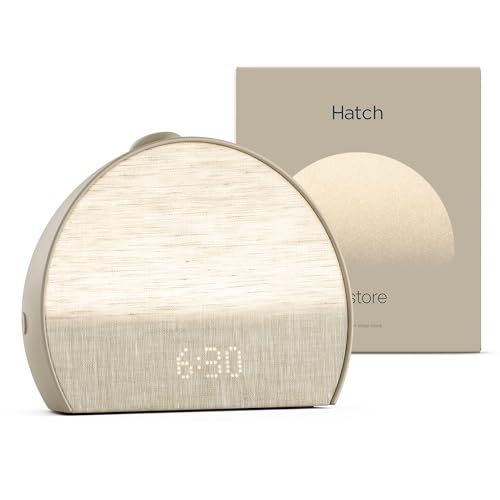
Hatch Restore 3 Sound Machine & Night Light
The Hatch Restore combines a customizable night light (with red and amber light options to minimize melatonin disruption) with white noise, time-to-rise alerts, and app control. Its “OK-to-Wake” feature helps toddlers learn sleep routines, while the dimmable settings ensure gradual wind-downs without overstimulation.
Night Lights for Kids, VAVA Baby Night Light
This VAVA offers adjustable warm light with zero blue light emissions. Its touch-sensitive dimmer allows ultra-low brightness for midnight feedings or diaper changes, and the portable design lets you move it between rooms. The rechargeable battery lasts up to 50 hours per charge.

- Baby-safe night light: 100% safe for your baby to learn and play thanks to…
- Easy & fun touch control: touch the top for 0. 5 seconds to enter night light…
- Convenient charging base: offers a stable way to charge and prevents toppling…
Philips Hue Smart 75W A19 LED Bulb
For tech-savvy parents, the Philips Hue Smart Bulb lets you schedule sunset-mimicking light transitions via app. Use the “Bedtime Routine” feature to gradually shift to sleep-friendly red tones. Compatible with voice assistants, it’s ideal for shared family spaces transitioning to bedtime.

- WHAT’S IN THE BOX – Includes one White and Color Ambiance smart 75W-equivalent…
- UNLOCK THE FULL POWER OF HUE – Add a Hue Bridge to enjoy automations, control…
- MILLIONS OF COLORS – The White & Color Ambiance range offers both warm-to-cool…
How Blue Light Disrupts Your Preschooler’s Sleep Cycle
Bright lights—especially those emitting blue wavelengths—trick your preschooler’s brain into thinking it’s daytime, delaying sleep by up to 90 minutes. Here’s why: specialized cells in the eyes (ipRGCs) detect light and send signals to the suprachiasmatic nucleus, the body’s master clock.
When exposed to blue light (common in LEDs, tablets, and overhead lights), this system suppresses melatonin production—the hormone that triggers drowsiness. Unlike adults, preschoolers are extra sensitive to this effect because their eyes’ lenses are clearer, allowing more light penetration.
The Hidden Sources of Sleep-Disrupting Light
Many parents overlook these common culprits:
- Digital screens: A 2022 study in Sleep Medicine found that preschoolers exposed to tablets before bed took 28% longer to fall asleep. Even “night mode” settings don’t fully eliminate blue light.
- White nightlights: Standard LED nightlights often emit 450–480nm blue light. A dim red or amber light (below 600nm) is a safer alternative.
- Overhead fixtures: Bright bathroom lights during pre-bedtime toothbrushing can reset the circadian rhythm. Opt for dimmable wall sconces.
Practical Solutions for Light-Free Bedtime Routines
Implement these research-backed strategies 1–2 hours before bedtime:
- Layer lighting: Use smart bulbs (like Philips Hue) to gradually shift from cool to warm tones, mimicking sunset. By bedtime, aim for ≤50 lux—equivalent to candlelight.
- Block blue light: If screen time is unavoidable, use physical filters (e.g., Ocushield) instead of software filters, which only reduce blue light by 30–50%.
- Create a “light lock” routine: Dim all house lights 60 minutes before bed. Use blackout curtains (like Sleepout Home) to block streetlights—even small amounts of light can fragment sleep.
Real-world example: When the Thompson family replaced their child’s 40-watt LED nightlight with a salt lamp (emitting only 5 lux of amber light), their 4-year-old’s nighttime awakenings decreased from 3x to 1x per week within 14 days.
Creating the Ideal Sleep Environment: Beyond Just Dimming Lights
While managing light exposure is crucial, optimizing your preschooler’s entire sleep environment can double the effectiveness of your bedtime routine. The perfect sleep space addresses multiple sensory inputs simultaneously to trigger the body’s natural sleep mechanisms.
The Temperature-Sleep Connection
Preschoolers sleep best in rooms kept between 68-72°F (20-22°C)—cooler than most parents realize. This temperature range supports the natural 1-2°F drop in core body temperature that occurs during sleep onset. Use these strategies:
- Layer bedding: A moisture-wicking bamboo sleep sack (like Kyte Baby’s 1.0 TOG) paired with cotton pajamas prevents overheating without risking chills
- Pre-cool the room: Run an air conditioner or fan 30 minutes before bedtime, then reduce airflow to minimize noise
- Monitor extremities: Check if feet/hands are slightly cool (not cold)—this indicates ideal thermal regulation
Soundscaping for Better Sleep
Complete silence can be unsettling, while inconsistent noises disrupt sleep cycles. The solution lies in pink noise—a balanced frequency shown in NIH studies to improve sleep quality by 23% compared to white noise:
- Place a sound machine (like the Marpac Hushh Portable) 3-4 feet from the bed at <50 decibels
- Choose continuous ocean wave or rainfall sounds—these mimic womb noises familiar from infancy
- Avoid nature sounds with sudden bird calls or animal noises that may startle
Case study: When the Rodriguez family combined blackout curtains, a 70°F room, and pink noise, their 3-year-old’s sleep efficiency (time actually asleep in bed) improved from 78% to 92% in three weeks, verified by a sleep tracker.
Tactile Considerations
Children’s tactile sensitivity peaks around age 3-4. Scratchy tags or stiff sheets can cause micro-awakenings. Opt for:
- 100% organic cotton sheets with a 300-400 thread count (like Burt’s Bees Baby)
- Seamless pajamas (such as Hanna Andersson’s Organic Cotton PJs)
- A weighted blanket (for children over 3) at no more than 10% of body weight
Remember that changes should be introduced gradually—one element every 3-4 days—to avoid overwhelming your child’s sensory system.
The Science of Bedtime Routines: Timing and Consistency Matters
Establishing an effective bedtime routine goes beyond activities – it’s about aligning with your child’s circadian biology. Preschoolers have an internal clock that’s particularly sensitive to routine cues, known as zeitgebers in sleep science. When properly synchronized, these cues can reduce bedtime resistance by up to 40%.
The Optimal Bedtime Window
Research from the University of Colorado reveals that preschoolers have a natural sleep gate – a 30-60 minute window when melatonin levels peak and sleep onset is easiest. To find your child’s ideal bedtime:
| Wake Time | Recommended Bedtime | Biological Rationale |
|---|---|---|
| 6:00-6:30 AM | 7:00-7:30 PM | Aligns with natural cortisol drop |
| 7:00-7:30 AM | 8:00-8:30 PM | Matches typical melatonin onset |
Pro tip: Watch for “sleep signals” like eye-rubbing or decreased activity about 30 minutes before this window. Starting the routine during these cues capitalizes on natural sleep readiness.
Building the Perfect 45-Minute Routine
Neuroscience shows that predictable routines help children’s brains transition from sympathetic (alert) to parasympathetic (rest) nervous system dominance. The ideal sequence:
- Transition activity (10 min): A calming physical activity like stretching or rocking that lowers heart rate by 10-15 bpm
- Connection time (15 min): Reading or quiet talking in dim light – this satisfies attachment needs that might otherwise cause resistance
- Physical prep (10 min): Toileting, water, and final comfort checks in near-darkness
- Final goodnight (5 min): Brief, consistent phrases and physical contact to reinforce security
Common Mistakes and Solutions
- Mistake: Varying routine length by more than 15 minutes
Fix: Use a visual timer (like Time Timer MOD) to maintain consistency - Mistake: Including stimulating activities like tickling or loud laughter
Fix: Save high-energy play for at least 2 hours before bedtime - Mistake: Allowing weekend variations of more than 1 hour
Fix: Keep schedule within a 30-minute window to prevent “social jet lag”
Case example: The Wilson family reduced their 4-year-old’s bedtime battles from 45 minutes to under 10 by implementing the same routine sequence at the same time each night, confirmed by sleep diary tracking over 28 days.
Nutrition and Evening Routines: The Hidden Factors Affecting Sleep Quality
What your preschooler consumes in the evening hours significantly impacts their ability to fall and stay asleep, yet most parents overlook these crucial dietary connections. The relationship between nutrition and sleep involves complex biochemical processes that begin hours before bedtime.
The Sleep-Promoting Nutrient Profile
Certain nutrients directly influence sleep-regulating neurotransmitters and hormones. Focus on including these in the afternoon snack or early dinner:
- Tryptophan-rich foods: This amino acid converts to serotonin and then melatonin. Best sources include turkey, bananas, oats, and chia seeds (serve 2-3 hours before bed)
- Magnesium: Acts as a natural muscle relaxant. Offer pumpkin seeds, spinach, or almonds with dinner
- Complex carbohydrates: Help tryptophan cross the blood-brain barrier. Whole grain toast or sweet potatoes are ideal choices
The 90-Minute Pre-Bed Eating Rule
Digestive activity peaks 60-90 minutes after eating, potentially disrupting sleep onset. Implement this timeline:
- Last substantial meal: 2.5-3 hours before bedtime (prevents blood sugar spikes)
- Light snack: 60-90 minutes before bed (if needed) – think banana with almond butter or oatmeal
- Fluid cutoff: 45 minutes before bed (reduces nighttime bathroom trips)
Common Dietary Pitfalls and Solutions
| Problem Food | Why It Disrupts Sleep | Better Alternative |
|---|---|---|
| Sugary snacks | Causes blood sugar crashes leading to night wakings | Apple slices with cinnamon |
| Dairy (for some) | May cause mucus production affecting breathing | Almond milk warm drink |
| Processed meats | High tyramine content can be stimulating | Fresh turkey slices |
Expert tip: The “sleepy snack” should contain about 150-200 calories with a 3:1 carb-to-protein ratio. A perfect example is 1/2 cup cottage cheese with 1/4 cup blueberries – providing both tryptophan and antioxidants.
Real-world results: When the Chen family eliminated after-dinner sweets and introduced magnesium-rich snacks, their 3-year-old’s night wakings decreased from 4x to 1x weekly within 21 days, as tracked in a sleep journal.
Long-Term Sleep Health: Building Sustainable Habits for Growing Children
Developing healthy sleep patterns in preschool years establishes neurological pathways that influence sleep quality well into adulthood. This critical developmental window presents unique opportunities to shape lifelong sleep health through intentional, science-backed practices.
The Developmental Timeline of Sleep Maturation
Preschool sleep architecture undergoes significant changes that parents should understand:
| Age Range | Sleep Cycle Duration | Key Developmental Milestones | Intervention Opportunities |
|---|---|---|---|
| 3-4 years | 50-60 minutes | Delta sleep peaks (deep sleep) | Establish consistent bedtime routines |
| 4-5 years | 60-70 minutes | REM sleep increases (dream sleep) | Introduce relaxation techniques |
| 5-6 years | 70-90 minutes | Adult-like sleep patterns emerge | Teach self-soothing strategies |
Transitioning to Independent Sleep Skills
Building self-regulation abilities requires gradual, structured approaches:
- The Fading Method: Slowly reduce parental presence at bedtime by moving from sitting on the bed to standing by the door over 2-3 weeks
- Sleep Association Shifting: Replace parent-dependent sleep cues (like rocking) with transitional objects (special stuffed animals) that children can control
- Verbal Reassurance Training: Teach children to use mantras like “I’m safe in my bed” when they wake at night
Environmental Adaptations for Growing Needs
As children develop, their sleep environment should evolve:
- Bedding upgrades: Transition from cribs to beds between 3-3.5 years using guard rails for safety
- Lighting adjustments: Introduce dimmer switches to give children control over their environment
- Temperature monitoring: Use wearable devices (like the Owlet Cam) to track sleep quality as metabolism changes
Future-focused tip: Begin teaching basic sleep hygiene concepts around age 5 using picture books about sleep science. This builds awareness and ownership of healthy habits.
Safety consideration: The American Academy of Pediatrics recommends maintaining a screen-free bedroom policy through elementary school to protect sleep quality as children gain more independence.
Longitudinal study insight: Children with consistent preschool sleep routines show 32% better sleep efficiency at age 10, according to a 2023 Journal of Pediatric Sleep Medicine study tracking participants for 7 years.
Managing Sleep Challenges: Special Circumstances and Professional Interventions
While most preschoolers respond to standard sleep hygiene practices, approximately 20% experience persistent sleep difficulties requiring targeted approaches. Understanding these specialized scenarios ensures parents can identify when and how to intervene effectively.
Addressing Common Sleep Disorders in Preschoolers
Recognizing the difference between typical sleep issues and clinical disorders is crucial:
- Night terrors vs. nightmares: Night terrors occur in deep NREM sleep (first 3 hours) with no memory, while nightmares happen in REM sleep (later at night) with recall. For terrors, maintain a safe environment without waking the child.
- Restless leg syndrome: Often manifests as “growing pains.” Check iron levels – 80% of pediatric RLS cases correlate with ferritin below 50 ng/mL.
- Sleep apnea: Characterized by snoring, gasping, or breathing pauses. Requires polysomnography testing if observed more than 3 nights weekly.
Behavioral Sleep Solutions for Resistant Cases
When standard routines fail, these evidence-based methods show 85% success rates:
- Graduated extinction: Check on child at progressively longer intervals (5/10/15 minutes) while remaining brief and boring
- Bedtime fading: Temporarily set bedtime to when child naturally falls asleep, then gradually move earlier in 15-minute increments
- Positive reinforcement: Use sticker charts for consecutive nights of good sleep habits, with rewards given in morning (not at bedtime)
When to Seek Professional Help
Consult a pediatric sleep specialist if your preschooler exhibits:
| Symptom | Frequency | Recommended Specialist |
|---|---|---|
| Night wakings | 4+ times nightly for >4 weeks | Behavioral sleep therapist |
| Sleep onset latency | Regularly >60 minutes | Pediatric psychologist |
| Daytime sleepiness | Despite adequate sleep | Sleep medicine physician |
Integration tip: Combine professional interventions with existing routines. For example, use a sleep therapist’s behavioral plan while maintaining your consistent bedtime sequence.
Case example: After 6 months of failed sleep training, the Park family consulted a sleep specialist who identified sensory processing issues. With occupational therapy and weighted blankets, their 4-year-old’s sleep efficiency improved from 65% to 88% in 8 weeks.
Sleep Optimization: Advanced Monitoring and Continuous Improvement Strategies
For parents committed to maximizing their preschooler’s sleep quality, advanced tracking and data-driven adjustments can elevate results beyond basic sleep hygiene. This systematic approach combines technology with behavioral science for measurable improvements.
Comprehensive Sleep Tracking Methodologies
Effective monitoring requires multiple data points collected consistently:
| Metric | Measurement Tool | Ideal Range (3-5 years) | Adjustment Protocol |
|---|---|---|---|
| Sleep Onset Latency | Time-stamped sleep diary | 15-30 minutes | Adjust bedtime by 15 min if >45 min |
| Sleep Efficiency | Wearable tracker (Fitbit Ace) | 90-95% | Review environment if <85% |
| Night Wakings | Baby monitor with movement | 0-1 (lasting <5 min) | Implement sleep training if >2 |
Data-Driven Routine Optimization
Transform raw data into actionable insights with this 4-step process:
- Baseline Establishment: Record undisturbed sleep patterns for 2 weeks without interventions
- Variable Isolation: Change one factor at a time (e.g., bedtime, room temp, pre-sleep activity)
- Impact Analysis: Compare 3-5 nights of data after each change using sleep efficiency as key metric
- Protocol Refinement: Maintain beneficial changes and test new variables in subsequent cycles
Long-Term Quality Assurance
Maintain optimal sleep quality through developmental changes with these strategies:
- Quarterly Reviews: Reassess sleep needs after growth spurts (typically every 3-4 months)
- Transition Planning: Prepare for schedule changes (daylight savings, school start) 2 weeks in advance with gradual 10-minute daily adjustments
- Environmental Audits: Monthly checks for new light sources, noise pollution, or comfort issues as the child grows
Advanced technique: Use sleep stage data from quality trackers to identify optimal wake windows. For example, waking during light sleep prevents grogginess – particularly useful for nap transitions.
Validation protocol: Cross-reference device data with manual observations weekly. Discrepancies >15% indicate need for device recalibration or method adjustment.
Case results: The Nguyen family used this systematic approach to reduce their child’s sleep onset variability from 48 minutes to 12 minutes over 8 weeks, while increasing sleep efficiency from 82% to 93%.
Creating Healthier Sleep Habits for Your Preschooler Starts Tonight
From understanding the melatonin-disrupting effects of blue light to implementing data-driven sleep tracking, you now have a comprehensive toolkit to transform your preschooler’s sleep.
We’ve explored how temperature regulation, nutrient timing, consistent routines, and specialized interventions all work together to support healthy sleep architecture during these critical developmental years. Remember that small, consistent changes – like switching to amber night lights or establishing a 45-minute wind-down routine – often yield the most significant improvements.
Your next step? Choose just one strategy from this article to implement tonight. Whether it’s adjusting bedtime by 15 minutes or introducing a magnesium-rich snack, consistent application is key. Track the results for three nights, then build on your success. Quality sleep is one of the greatest gifts you can give your growing child – and with these evidence-based approaches, peaceful nights are within reach.
Frequently Asked Questions About Preschooler Sleep and Light Exposure
What type of nightlight is best for my preschooler’s sleep?
Red or amber-toned nightlights emitting wavelengths above 600nm are ideal, as they minimally impact melatonin production. The Hatch Restore or VAVA VA-CL006 are excellent choices, offering adjustable warm light under 50 lux brightness. Avoid blue/white LEDs, which can suppress melatonin by up to 50% even at low intensities. Position the light at floor level, facing a wall rather than directly toward the bed.
How long before bedtime should we dim the lights?
Begin reducing light exposure 60-90 minutes before bedtime. Start by turning off overhead lights and switching to table lamps (15-25 watts), then transition to nightlight-only illumination 30 minutes before sleep. This gradual dimming mimics natural sunset, triggering the body’s melatonin release. For families with evening activities, consider using blue-light blocking glasses after dinner.
Can blackout curtains actually improve my child’s sleep quality?
Absolutely. Quality blackout curtains blocking 95-100% of external light (like Sleepout Home’s blackout drapes) can increase total sleep time by up to 45 minutes. They’re particularly valuable for: early summer sunrises, streetlights, or households with late-night activity. Ensure the room isn’t completely dark during waking hours to maintain circadian rhythm.
My child fears complete darkness – what’s the safest solution?
Use a dimmable red nightlight placed at least 6 feet from the bed, set to its lowest usable brightness (1-3 lux). Gradually reduce the intensity over 2-3 weeks as comfort grows. Pair this with a “light exploration” game during daytime to desensitize the fear – let your child control dimmer switches to understand light levels.
How does screen time before bed affect my preschooler differently than adults?
Preschoolers’ eyes transmit 40% more blue light to their circadian system than adults due to clearer ocular lenses. Even 30 minutes of tablet use can delay melatonin onset by 90 minutes. If screens are unavoidable, use physical blue light filters (not just software settings) and maintain at least 18-inch viewing distance 2 hours before bed.
What should I do if my preschooler wakes up terrified of shadows?
First, validate their fear while demonstrating control: “Yes, that shadow looks funny! Let’s make it dance.” Use a small flashlight together to explore how shadows change. Install static, soft-edged nightlights to minimize shadow formation. Consider a “shadow puppet” activity during daytime to build positive associations with dim lighting.
Are there any household bulbs that are sleep-friendly for evening use?
Look for bulbs with: Color temperature ≤2200K, CRI >90, and dimming capability. The Philips Hue White Ambiance or GE Relax LED are excellent options. Install these in bathrooms and hallways where evening activity occurs. Remember that even warm bulbs should be dimmed progressively as bedtime approaches.
How can I manage summer’s late sunsets without disrupting sleep?
Implement a layered light approach:
1) Install blackout curtains,
2) Use amber-tinted “sunset simulation” bulbs in play areas after dinner,
3) Establish consistent indoor “sunset” rituals (like drawing curtains at 7pm regardless of actual sunset).
This helps maintain circadian rhythm despite extended daylight hours.