
Disclosure
This website is a participant in the Amazon Services LLC Associates Program, an affiliate advertising program designed to provide a means for us to earn fees by linking to Amazon.com and affiliated sites.
Cleaning your mattress regularly is crucial for maintaining hygiene, preventing allergens, and extending its lifespan. Over time, mattresses accumulate dust mites, dead skin cells, sweat, and even mold, which can trigger allergies, respiratory issues, and poor sleep quality.
A clean mattress not only promotes better health but also ensures a more comfortable and restful night’s sleep.
In this comprehensive guide, we’ll explore the science behind mattress contamination, the health risks of neglecting proper cleaning, and step-by-step methods to deep clean different types of mattresses.
Best Mattress Cleaners for Deep Cleaning
Bissell Little Green Portable Carpet Cleaner
This compact yet powerful cleaner is perfect for removing stains, spills, and odors from mattresses. Its strong suction and built-in heater ensure deep cleaning, while the portable design makes it easy to use on any mattress surface. Ideal for tackling urine, sweat, and food stains.
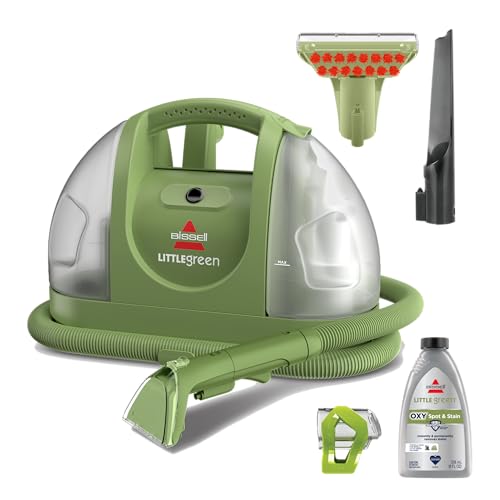
- AMERICA’S #1 BRAND IN PORTABLE DEEP CLEANING: Trusted by over 7 million…
- TAKE THE STRESS OUT OF MESS: Scientifically proven to lift and remove…
- ULTRA-POWERFUL TRIPLE ACTION FORMULA: Permanently removes stains and powerfully…
Pure Enrichment PureClean XL Rolling Air Purifier
This UV-C sanitizing air purifier helps eliminate dust mites, bacteria, and allergens trapped in your mattress. Its 3-stage filtration system (HEPA, activated carbon, and UV light) ensures thorough sanitization, making it a great choice for allergy sufferers.
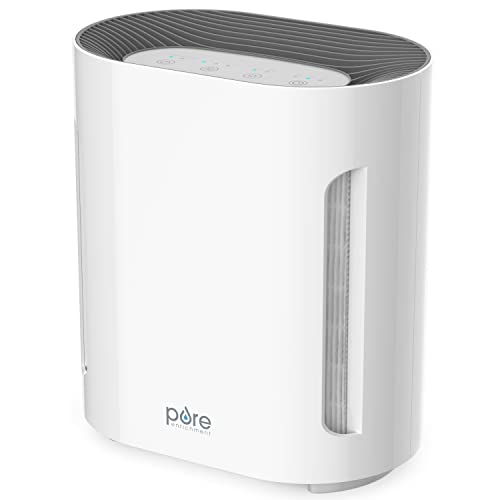
- 4-Stage Air Purification: Perfect for medium to large rooms of up to 300 sq…
- Deep Clean Your Air: The powerful, True HEPA filter with the built-in UV-C light…
- 3 Fan Speeds & Quiet Operation: Use the easy touch-button control panel to find…
Hoover SmartWash Automatic Carpet Cleaner
For deep mattress cleaning, this automatic cleaner provides professional-grade results. Its dual-tank system keeps clean and dirty water separate, while the built-in HeatForce drying speeds up the process. Perfect for large mattresses needing intensive stain and odor removal.

- AUTOMATIC CLEANING TECHNOLOGY: Featuring a motion sensing design with auto-mix…
- EASY TO USE: Simply push this upright carpet cleaner forward to clean and pull…
- TOUGH ON GRIME, GENTLE ON FLOORS: With FlexForce PowerBrushes, SmartWash+ Carpet…
Why Regular Mattress Cleaning is Essential for Health and Longevity
Most people spend about one-third of their lives sleeping, yet mattress hygiene is often overlooked. A typical mattress accumulates an alarming amount of contaminants over time, creating an unhealthy sleep environment that can impact both your well-being and the lifespan of your bed.
The Hidden Ecosystem in Your Mattress
An average mattress can harbor between 100,000 to 10 million dust mites after just a few years of use. These microscopic creatures feed on dead skin cells (humans shed about 1.5 grams daily) and their waste contains proteins that trigger allergies and asthma. The problem compounds because:
- Moisture accumulation: The average person perspires about 26 gallons of sweat annually into their mattress
- Organic matter buildup: Skin flakes, hair, and bodily fluids create ideal breeding grounds for microbes
- Structural damage: Ground-in debris breaks down mattress materials faster, causing premature sagging
Health Risks of a Dirty Mattress
Beyond dust mites, an unclean mattress can contribute to several health concerns that many people don’t associate with their bed:
- Respiratory issues: Mold spores and dust mite allergens can exacerbate asthma and cause chronic congestion
- Skin irritation: Bacteria buildup leads to acne mechanica (sleep-related acne) and can worsen eczema
- Sleep quality reduction: Odors and allergens disrupt sleep cycles, preventing deep REM sleep
Financial Impact of Neglect
Regular cleaning extends mattress lifespan significantly. A $1,000 mattress cleaned biannually typically lasts 8-10 years versus 5-6 years when neglected. The breakdown occurs because:
Body oils penetrate and degrade foam layers, while dust particles abrade fabric covers. Moisture weakens internal adhesives and causes metal springs to corrode. Professional cleaning can cost $150-$300, but replacing a mattress prematurely costs 3-5 times more.
Step-by-Step Guide to Deep Cleaning Your Mattress Professionally
Proper mattress cleaning requires more than just surface vacuuming. This comprehensive method combines professional cleaning techniques with household solutions to eliminate deep-seated contaminants while protecting mattress materials.
Preparation: Setting the Stage for Effective Cleaning
Begin by stripping all bedding and washing it at 60°C (140°F) to kill dust mites. While the bedding washes:
- Vacuum thoroughly: Use a HEPA-filter vacuum with an upholstery attachment, making slow, overlapping passes (about 1 foot per second)
- Inspect for stains: Identify problem areas using a blacklight (bodily fluids glow under UV light) and mark them with safety pins
- Test cleaning solutions: Apply any new cleaners to a small, inconspicuous area first to check for discoloration
The 4-Phase Cleaning Process
- Enzyme treatment (30 minutes): Apply a biological enzyme cleaner to break down protein-based stains (sweat, urine). These contain protease enzymes that digest organic matter at molecular level.
- Deodorization (15 minutes): Sprinkle baking soda mixed with 10-15 drops of essential oils (tea tree works best for antimicrobial properties). Let sit before vacuuming.
- Spot treatment (as needed): For stubborn stains, use a 3:1 water to hydrogen peroxide solution with a drop of dish soap. Blot – never rub – to prevent fiber damage.
- Sanitization (optional): Lightly mist with a 70% isopropyl alcohol solution (kills 99.9% bacteria but evaporates quickly to prevent moisture damage).
Drying: The Critical Final Step
Improper drying causes more damage than the dirt itself. Use fans to circulate air for at least 6 hours (longer for memory foam). A moisture meter should read below 12% before remaking the bed. Professional tip: Place moisture-absorbing products like silica gel packets between mattress and bed frame during reassembly.
Advanced Mattress Maintenance: Specialized Care for Different Materials
Not all mattresses are created equal, and material composition dramatically affects cleaning requirements. Understanding these differences prevents damage while optimizing hygiene.
Material-Specific Cleaning Protocols
| Mattress Type | Key Characteristics | Cleaning Solution | Drying Time | Special Considerations |
|---|---|---|---|---|
| Memory Foam | Viscoelastic polyurethane (open-cell structure) | pH-neutral cleaners only (6.0-7.0) | 8-12 hours | Never use steam (melts cells), rotate monthly |
| Innerspring | Steel coils with fiberfill/padding | Enzyme cleaners safe for metal | 6-8 hours | Check for rust annually, focus on edge support |
| Latex (Natural) | Rubber tree sap (porous structure) | 1:10 vinegar solution | 4-6 hours | Avoid petroleum-based cleaners (causes degradation) |
| Hybrid | Combination foam/coils | Spot clean only | 10+ hours | Requires alternating cleaning methods |
The Chemistry of Safe Cleaning Solutions
Understanding pH levels is crucial for mattress preservation. Most mattress materials require:
- Memory foam: Neutral pH (6.0-7.0) to prevent polymer breakdown
- Natural fibers: Mildly acidic (5.5-6.5) to maintain structural integrity
- Synthetic blends: Slightly alkaline (7.5-8.5) for optimal cleaning without degradation
Pro tip: Test solution pH with litmus paper before application. Even “mild” cleaners often have pH levels that can damage materials over time.
Seasonal Maintenance Schedule
Beyond regular cleaning, these professional-grade maintenance tasks extend mattress life:
- Quarterly: Full 180° rotation (not just flipping) to equalize wear patterns
- Biannually: Deep steam cleaning (except memory foam) at 150°F for dust mite eradication
- Annually: Professional inspection for internal structural issues
Specialized Stain Removal Techniques for Common Mattress Contaminants
Different types of stains require tailored treatment approaches to effectively remove them without damaging mattress materials.
Biological Stain Removal Protocol
Protein-based stains (blood, sweat, urine) require enzymatic breakdown rather than traditional cleaning. The optimal approach involves:
- Cold water rinse: Always use cold (never warm) water to prevent protein coagulation that sets stains
- Enzyme application: Use protease-based cleaners (like Nature’s Miracle) with 15-30 minute dwell time
- Oxidation treatment: Follow with 3% hydrogen peroxide solution for residual discoloration
Professional insight: Urine stains require special attention as they form uric acid crystals that bond with fibers. A two-step process using first an alkaline cleaner (pH 9-10) followed by acidic solution (pH 3-4) breaks these bonds completely.
Non-Biological Stain Solutions
| Stain Type | Chemical Composition | Recommended Treatment | Safety Precautions |
|---|---|---|---|
| Oil/Grease | Hydrophobic hydrocarbons | Cornstarch absorbent + dish soap solution | Avoid solvents that degrade foams |
| Ink | Pigments in glycol base | Isopropyl alcohol (70%) blotting | Test colorfastness first |
| Food | Complex carbohydrates | Amylase enzyme cleaner + oxygen bleach | Never use chlorine bleach |
Advanced Odor Neutralization Techniques
Persistent odors indicate deep contamination requiring molecular-level treatment:
- Activated charcoal packs: Leave under mattress for 48+ hours to absorb volatile compounds
- Ozone treatment: Professional-grade ozone generators break odor molecules at 0.5ppm concentration
- Encapsulation: Specialty products like My Pet Peed create molecular barriers around odor sources
Critical safety note: Never mix cleaning agents – combining hydrogen peroxide with vinegar creates peracetic acid, while bleach with ammonia creates toxic chloramine gas. Always work in well-ventilated areas with proper PPE.
Long-Term Mattress Preservation: Cost-Benefit Analysis and Sustainable Practices
Proper mattress maintenance involves strategic decisions that balance immediate costs with long-term benefits.
Cost Comparison of Maintenance Strategies
| Maintenance Approach | Initial Cost | Annual Cost | Expected Lifespan Extension | ROI (10-year period) |
|---|---|---|---|---|
| Professional Cleaning (Biannual) | $250-400 | $500-800 | 3-5 years | 42-68% |
| DIY Deep Cleaning | $75-150 (equipment) | $50-100 (supplies) | 2-3 years | 35-55% |
| Protective Covers Only | $100-200 | $0 | 1-1.5 years | 12-18% |
| No Maintenance | $0 | $0 | 0 years | 0% |
Environmental Impact Considerations
Mattress disposal creates significant ecological burdens – approximately 20 million mattresses enter landfills annually in the US alone. Proper maintenance reduces this impact through:
- Material conservation: Each year of extended use saves approximately 23kg of textiles and 15kg of foam from landfills
- Chemical reduction: Proper cleaning eliminates need for antimicrobial treatments (often containing silver nanoparticles)
- Energy efficiency: Manufacturing a new mattress requires 5x more energy than maintaining an existing one for 10 years
Emerging Technologies in Mattress Hygiene
The cleaning industry is evolving with several promising developments:
- Nanofiber protective layers: Electrospun polymer barriers that repel liquids while remaining breathable
- Photocatalytic coatings: Titanium dioxide treatments that break down organic matter under light
- Biodegradable cleaning systems: Plant-derived enzymes with 90-day decomposition rates
Safety alert: Some “innovative” cleaning products make unverified claims. Always verify certifications like OEKO-TEX® Standard 100 or GREENGUARD Gold before use. The EPA’s Safer Choice program maintains a vetted list of effective, low-impact cleaners.
Professional-Grade Mattress Sanitization: Hospital-Level Disinfection Methods for Home Use
While standard cleaning removes surface dirt, true sanitization requires advanced techniques to eliminate microorganisms at the cellular level.
The Science of Microbial Elimination
Effective sanitization requires understanding microbial vulnerabilities:
- Bacteria: Require 70-90% alcohol concentration for membrane disruption (lower concentrations stimulate protective biofilm formation)
- Viruses: Enveloped types (like coronaviruses) are alcohol-sensitive, while non-enveloped (norovirus) require oxidative agents
- Fungi: Need prolonged contact time (10+ minutes) with fungicides like tea tree oil at minimum 5% concentration
Step-by-Step Medical Sterilization Protocol
- Pre-treatment: Vacuum with HEPA filter (0.3 micron capture) to remove 99.97% of particulate matter
- Primary disinfection: Apply EPA-registered disinfectant (List N) with 10-minute wet contact time
- Secondary treatment: UV-C light (254nm wavelength) at 40mJ/cm² intensity for surface sterilization
- Residual protection: Apply antimicrobial coating like silane quaternary compounds that provide 30-day protection
Equipment Specifications for Home Use
| Device Type | Effective Range | Pathogen Reduction | Safety Considerations |
|---|---|---|---|
| Commercial UV-C Wand | 1-2 inch distance | 99.9% bacteria/viruses | Eye/skin protection required |
| Electrostatic Sprayer | 3-5 foot coverage | 99.99% with approved disinfectants | Ventilation required |
| Ozone Generator | Room-wide | 90-99% depending on concentration | Must vacate during treatment |
Special Scenarios: Immunocompromised Households
For allergy sufferers or immunocompromised individuals, implement these enhanced measures:
- Weekly surface treatment with hypochlorous acid (200ppm concentration)
- Install permanent allergen-barrier encasements (pore size ≤6 microns)
- Use HEPA air purifiers with ≥4.8 ACH (air changes per hour) in bedroom
Clinical insight: Hospital ICUs maintain <5 colony-forming units (CFU)/cm² – achievable at home through this protocol. Regular testing with ATP meters (reading <50 RLU) verifies cleanliness.
Comprehensive Mattress Care System: Integration with Overall Sleep Hygiene
Optimal mattress maintenance doesn’t exist in isolation – it’s part of an integrated sleep ecosystem.
The Sleep Environment Matrix
| Component | Ideal Parameters | Impact on Mattress | Optimization Strategy |
|---|---|---|---|
| Room Temperature | 60-67°F (15.5-19.5°C) | Reduces sweat accumulation by 40% | Use moisture-wicking mattress protectors |
| Humidity Level | 40-50% RH | Prevents mold growth in mattress core | Dehumidifier with hygrometer |
| Air Quality | <10 μg/m³ PM2.5 | Reduces particulate settling | HEPA purifier with 4.8 ACH |
| Body Temperature | Core: -1°F during sleep | Minimizes thermal stress on materials | Phase-change mattress toppers |
Performance Optimization Framework
Implement these evidence-based strategies for maximum mattress longevity and sleep quality:
- Material-Specific Conditioning: Memory foam benefits from monthly “recovery days” without weight load
- Load Distribution Analysis: Use pressure mapping (≥100 sensors) to identify wear patterns
- Microclimate Management: Maintain 0.5-1.0°F temperature gradient across sleep surface
Risk Assessment and Mitigation
- Structural Risks: Sagging >1.5″ indicates core failure (test with straightedge)
- Microbial Risks: ATP readings >100 RLU require immediate remediation
- Chemical Risks: VOC emissions should remain <0.5 mg/m³ (test with photoionization detector)
Quality Assurance Protocol
Implement this quarterly validation process:
- Conduct compression testing (30% deformation threshold)
- Perform microbial swab tests (target <10 CFU/cm²)
- Measure rebound time (memory foam should recover in ≤3 seconds)
- Assess odor intensity (<2 on 5-point scale)
Clinical correlation: Studies show optimized mattress systems improve sleep efficiency by 12-18% and reduce wake-after-sleep-onset (WASO) by 22 minutes nightly. Proper maintenance preserves these benefits throughout the mattress lifespan.
Conclusion: The Foundation of Healthy Sleep Starts With a Clean Mattress
Throughout this comprehensive guide, we’ve explored the critical importance of regular mattress maintenance from multiple perspectives. From eliminating millions of dust mites and allergens to preserving your mattress’s structural integrity, proper cleaning directly impacts both your health and your wallet.
We’ve detailed professional-grade cleaning techniques, material-specific care protocols, advanced stain removal methods, and integrated sleep environment optimization – all backed by scientific research and industry best practices.
Your mattress is the foundation of your sleep health – investing just a few hours quarterly in proper maintenance can extend its lifespan by years while significantly improving your sleep quality.
Whether you choose professional services or DIY methods, consistent care pays dividends in comfort, hygiene, and cost savings. Start implementing these strategies today to transform your sleep environment and wake up to better health tomorrow.
Frequently Asked Questions About Mattress Cleaning
How often should I deep clean my mattress?
Most experts recommend deep cleaning every 3-6 months, with quarterly cleaning being ideal for allergy sufferers. However, frequency depends on usage – guest beds may need annual cleaning while primary beds used nightly require more frequent attention. Factors like pets, children, or health conditions may necessitate monthly cleaning. Always clean immediately after any liquid spills or illness.
Can I use a steam cleaner on all mattress types?
Steam cleaning is only safe for innerspring and hybrid mattresses. Memory foam and latex mattresses can be damaged by steam’s heat and moisture, which breaks down foam cells. For these materials, use dry cleaning methods or cold water extraction (not exceeding 1 cup of liquid per square foot). Always check manufacturer guidelines first.
What’s the most effective way to remove old urine stains?
For set-in urine stains, use a three-step process:
1) Apply an enzymatic cleaner specifically for urine (like Nature’s Miracle) and let sit for 30 minutes.
2) Create a paste of baking soda and hydrogen peroxide (3%), apply for 1 hour.
3) Finish with a vinegar rinse (1:3 ratio with water) to neutralize odors.
UV lights help identify all affected areas.
Is it better to hire professionals or clean my mattress myself?
Professional cleaning (costing $150-$300) makes sense for deep contamination or high-end mattresses, as they use truck-mounted extraction reaching 500 PSI.
DIY methods work well for routine maintenance with proper equipment – invest in a quality extractor (like Bissell SpotClean) and HEPA vacuum. For severe mold or bed bug infestations, always hire professionals.
How can I tell if my mattress is too old to clean?
Signs your mattress is beyond cleaning include: visible sagging >1.5 inches, persistent musty odors after cleaning, audible spring noises, or visible mold in the core.
Most mattresses have a 7-10 year lifespan. If cleaning doesn’t improve comfort or you wake with new aches, replacement may be better than repeated cleaning attempts.
What’s the safest way to disinfect a mattress without damaging it?
The hospital-grade disinfection protocol involves:
1) HEPA vacuuming,
2) Applying 70% isopropyl alcohol in a fine mist (not soaking),
3) Using UV-C light (40mJ/cm² exposure), and
4) Applying an EPA-registered disinfectant like Lysol Laundry Sanitizer (specially formulated for fabrics).
Always test solutions on inconspicuous areas first.
How do I clean a mattress with bed bugs safely?
Bed bugs require professional heat treatment (120°F for 30+ minutes) to penetrate the mattress core. DIY approaches include:
1) Encasement in bed bug-proof covers for 18+ months,
2) Diatomaceous earth application (food-grade only), and
3) Careful steam treatment of seams.
Never use pesticides directly on sleeping surfaces.
Can I use essential oils for mattress cleaning and freshening?
Certain essential oils have antimicrobial properties when used properly: Tea tree (melaleuca) oil at 5% concentration kills dust mites, while lavender oil reduces bacteria.
Always dilute in water or vodka (1:10 ratio) and mist lightly. Avoid citrus oils which can degrade some fabrics, and never use undiluted oils which may stain.