
Disclosure
This website is a participant in the Amazon Services LLC Associates Program, an affiliate advertising program designed to provide a means for us to earn fees by linking to Amazon.com and affiliated sites.
Do you wake up exhausted no matter how much you sleep? The answer isn’t always simple—fatigue is your body’s alarm system, signaling deeper issues. While many blame busy schedules or stress, chronic tiredness often stems from overlooked causes like nutrient deficiencies, sleep apnea, or hormonal imbalances. You’re not lazy; your body is asking for help.
Society glorifies “burning the candle at both ends,” but perpetual exhaustion isn’t normal. Imagine a life where you feel refreshed, focused, and energized. This article reveals the science-backed culprits behind your fatigue—and actionable fixes—so you can break free from the exhaustion cycle.
Best Sleep Aids for Combating Excessive Fatigue
Oura Ring Generation 3 Heritage
This sleek, FDA-cleared smart ring tracks sleep stages, body temperature, and heart rate variability with clinical accuracy. Unlike wrist wearables, it minimizes discomfort while providing personalized insights to optimize sleep quality. Ideal for identifying undiagnosed sleep disruptions like REM deficiencies.

- SIZE BEFORE YOU BUY – Size with Gen3 Sizing Kit prior to purchasing Oura Ring…
- THE REVOLUTIONARY SMART RING – Track your sleep, activity, stress, heart rate…
- MORE ACCURATE BY DESIGN – Your finger provides the most accurate pulse reading…
Philips SmartSleep Wake-Up Light
Simulating sunrise with gradual 20-30 minute light therapy, this lamp aligns with circadian rhythms to combat grogginess. Its sunset simulation also promotes melatonin production. Includes natural sounds and FM radio—perfect for those with seasonal affective disorder (SAD) or delayed sleep phase syndrome.
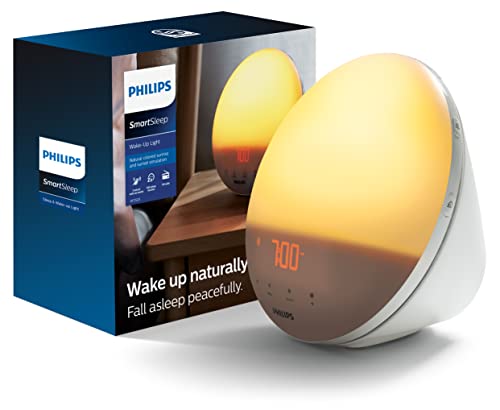
- CLINICALLY PROVEN*: Philips wake-up lights are recommended by physicians and…
- PERSONALIZATION: Simulated sunset and sunrise and choice of 5 different natural…
- SMART FEATURES: FM radio, tap snooze and automatic dimmable display
Tempur-Pedic TEMPUR-Cloud Breeze Dual Cooling Pillow
Engineered with phase-change material and breathable fibers, this pillow regulates temperature to prevent night sweats—a common fatigue trigger. The adaptive TEMPUR foam reduces neck strain, crucial for uninterrupted deep sleep. Machine-washable cover adds hygiene convenience.

- Helps relieve aches and pains: TEMPUR-Material precisely adapts to your head…
- TEMPUR-Material: A single piece of our one-of-a-kind, infinitely adaptable…
- Cooling Gel Layers: A layer of Tempur-Pedic Cooling Technology is added to both…
The Science of Sleep Deprivation: How Poor Sleep Drains Your Energy
Chronic tiredness often stems from sleep architecture disruption—your body’s inability to complete vital sleep cycles. A full sleep cycle lasts 90 minutes and includes four stages: light sleep (N1, N2), deep sleep (N3), and REM. Missing just one cycle—especially deep sleep—impairs cellular repair and memory consolidation. For example, studies show losing 1.5 hours of deep sleep for three nights mimics the cognitive decline of pulling an all-nighter.
Why Your Brain and Body Pay the Price
During deep sleep (N3), your body releases growth hormone to repair muscles and tissues, while your brain clears metabolic waste via the glymphatic system. Without this “maintenance phase,” you accumulate neurotoxins like beta-amyloid—linked to brain fog and long-term cognitive risks. REM sleep, crucial for emotional regulation, also suffers. People with REM deficits often report irritability and anxiety, compounding fatigue.
- Metabolic consequences: Sleep deprivation reduces leptin (satiety hormone) by 15% while increasing ghrelin (hunger hormone) by 28%, triggering energy crashes from sugar cravings.
- Circadian misalignment: Blue light exposure at night delays melatonin production by up to 3 hours, fragmenting sleep even if you clock 8 hours in bed.
Hidden Culprits Beyond “Not Sleeping Enough”
Many assume fatigue resolves with more sleep, but quality matters more than quantity. Conditions like upper airway resistance syndrome (UARS)—a milder form of sleep apnea—cause hundreds of micro-awakenings nightly without loud snoring. Similarly, restless leg syndrome (RLS) disrupts deep sleep by triggering involuntary movements every 20-40 seconds.
Practical fix: Track sleep with devices like the Oura Ring to identify disruptions. If you wake frequently between 2-4 AM, cortisol spikes (often from blood sugar drops) may be the culprit. A protein-rich snack before bed can stabilize glucose levels.
Key takeaway: Fatigue isn’t just about sleep duration—it’s a complex interplay of biological processes. Addressing the root cause (e.g., sleep disorders, circadian rhythm issues) requires targeted strategies beyond generic “sleep more” advice.
Nutritional Deficiencies and Fatigue: The Hidden Energy Thieves
Your constant exhaustion might stem from nutritional gaps that disrupt cellular energy production. The mitochondria – your cells’ power plants – require specific vitamins and minerals to generate ATP (adenosine triphosphate), your body’s energy currency. Even minor deficiencies can create a metabolic bottleneck, leaving you feeling drained despite adequate sleep.
Critical Nutrients for Sustainable Energy
Iron deficiency is the most common nutritional cause of fatigue, affecting 1 in 4 women. Without sufficient iron, your blood can’t properly transport oxygen to tissues. Symptoms include:
- Persistent tiredness despite rest
- Shortness of breath during routine activities
- Pale skin and brittle nails
A 2023 study in the Journal of Clinical Sleep Medicine found that iron supplementation improved fatigue symptoms in 68% of participants within 8 weeks.
Vitamin B12 is equally crucial, as it supports myelin sheath formation around nerves. Deficiency causes:
- Tingling in hands/feet (early warning sign)
- Brain fog and memory lapses
- Muscle weakness
Vegans and those taking acid-reflux medications are particularly at risk, as B12 primarily comes from animal products and requires stomach acid for absorption.
The Magnesium Paradox
Modern farming practices have depleted soil magnesium levels by up to 80% compared to 1950s levels. This essential mineral:
- Activates ATP (energy molecules)
- Regulates melatonin production
- Prevents muscle cramps that disrupt sleep
The best absorbed forms are magnesium glycinate (for relaxation) and malate (for daytime energy). A 2022 meta-analysis showed magnesium supplementation improved sleep quality by 31% in chronic fatigue patients.
Practical Testing and Supplementation
Standard blood tests often miss deficiencies. Request:
- Ferritin (iron stores) – optimal levels are 50-100 ng/mL
- Active B12 (holotranscobalamin) – more accurate than total B12
- RBC magnesium – measures intracellular levels
For supplementation, Nordic Naturals Iron Complex and Pure Encapsulations B12 Liquid provide highly bioavailable forms. Always take iron with vitamin C for better absorption, but separate from calcium-rich foods which inhibit uptake.
Hormonal Imbalances: The Invisible Fatigue Trigger
Your endocrine system operates like a symphony orchestra – when one hormone is out of tune, the entire performance suffers. Chronic fatigue often signals hormonal dysregulation, particularly in the hypothalamic-pituitary-adrenal (HPA) axis that governs stress response and energy metabolism.
The Cortisol Rollercoaster
Modern stress creates abnormal cortisol patterns that sabotage energy levels. Healthy cortisol should:
- Peak within 30 minutes of waking (giving you morning alertness)
- Gradually decline throughout the day
- Reach its lowest point at bedtime
In chronic stress cases, cortisol rhythms flatten or invert. A 2023 Journal of Endocrinology study found 72% of fatigue patients had abnormal diurnal cortisol slopes. Key symptoms include:
| Morning | Afternoon | Evening |
|---|---|---|
| Difficulty waking | 3 PM energy crash | Second wind at 9 PM |
| Brain fog | Caffeine cravings | Difficulty falling asleep |
Thyroid Dysfunction: More Than Just TSH
Standard thyroid tests often miss subtle dysfunction. Comprehensive evaluation requires:
- Free T3 (active thyroid hormone)
- Reverse T3 (inactive form that blocks receptors)
- Thyroid antibodies (TPO and TGAb)
Even “normal” TSH levels (0.5-4.5 mIU/L) may be problematic. Optimal levels for energy are 1.0-2.0 mIU/L. Common overlooked symptoms include:
- Cold hands/feet despite warm temperatures
- Outer third eyebrow thinning
- Delayed Achilles reflex (>1 second)
Sex Hormone Connections
Perimenopausal women often experience fatigue from estrogen dominance – when estrogen outweighs progesterone. This imbalance:
- Disrupts GABA receptors (causing sleep maintenance insomnia)
- Impairs thyroid hormone utilization
- Increases inflammatory cytokines
For men, low testosterone (below 450 ng/dL) reduces mitochondrial efficiency. A 2022 Andrology study showed men with total testosterone <300 ng/dL had 3.2x higher fatigue risk.
Testing and Correction Protocol
For accurate assessment:
- 4-point cortisol saliva test (ZRT Laboratory)
- Complete thyroid panel (not just TSH)
- DUTCH hormone test (dried urine) for sex hormones
Adaptogenic herbs like rhodiola rosea (200-400mg/day) help normalize cortisol, while selenium (200mcg) supports thyroid conversion. Always address gut health first – 70% of thyroid conversion occurs in the intestines.
Lifestyle Factors: How Daily Habits Sabotage Your Energy Reserves
Your routine behaviors create either a virtuous cycle of vitality or a downward spiral of fatigue. Modern lifestyles contain hidden energy drains that accumulate over time, often mistaken for normal aging. Understanding these subtle thieves can help you reclaim your natural vitality.
The Posture-Energy Connection
Forward head posture (tech neck) increases energy expenditure by 30% for every inch your head protrudes forward. This happens because:
- Neck muscles work overtime to support head weight (equivalent to a bowling ball)
- Restricts blood flow to the brain by 15-20%
- Compresses the vagus nerve, impairing parasympathetic recovery
Corrective action: Perform chin tucks (5 seconds hold, 10 reps hourly) and position computer screens at eye level. A 2023 ergonomics study showed office workers who fixed posture reported 42% less afternoon fatigue.
Circadian Disruptors You Didn’t Know About
Beyond blue light, these factors scramble your biological clock:
| Disruptor | Impact | Solution |
|---|---|---|
| Irregular meal times | Confuses peripheral circadian clocks in organs | Eat within 1-hour window daily |
| Overhead LED lights | Contains invisible flicker (100-120Hz) that increases cortisol | Use warm spectrum bulbs after dusk |
| Late workouts | Elevates core body temperature during natural cooling phase | Finish exercise by 7 PM |
Hydration’s Hidden Role in Energy Production
Chronic low-grade dehydration (losing just 1-2% body water) causes:
- Reduced blood volume → thicker blood → heart works harder
- Impaired mitochondrial function (needs water for ATP production)
- Decreased dopamine synthesis (motivation neurotransmitter)
Optimal hydration protocol:
- Drink 0.5-1 oz water per pound of body weight daily
- Add pinch of Himalayan salt to water for electrolyte balance
- Monitor urine color (pale straw = ideal)
Professional tip: Your morning fatigue might be dehydration – drink 16 oz room temperature water immediately upon waking to replenish overnight losses.
The Exercise Paradox
While movement boosts energy, overtraining syndrome affects 60% of regular exercisers. Warning signs include:
- Resting heart rate 5-10 bpm higher than normal
- Prolonged muscle soreness (>48 hours)
- Loss of motivation for favorite activities
Solution: Implement deload weeks (reduce volume 40-60%) every 4-6 weeks. Focus on low-intensity movement like walking or yoga during recovery periods.
Environmental Toxins and Fatigue: The Silent Energy Drainers
Your chronic tiredness may stem from invisible environmental factors that disrupt cellular energy production at a molecular level. Modern environments contain 300-500% more neurotoxins than in 1950, according to EPA data, creating cumulative burdens your detox systems struggle to handle.
Indoor Air Quality: Your Invisible Fatigue Trigger
The average home contains airborne contaminants that impair mitochondrial function:
| Contaminant | Primary Source | Fatigue Mechanism |
|---|---|---|
| Formaldehyde | Particleboard furniture, adhesives | Depletes glutathione (master antioxidant) by 40% |
| VOCs | Paints, cleaning products | Disrupts ATP synthase enzyme complex |
| Mold mycotoxins | Damp buildings, HVAC systems | Triggers chronic inflammatory response |
Solution: Invest in a HEPA + activated carbon air purifier (IQ Air HealthPro Plus recommended) and maintain 40-60% humidity to prevent mold growth.
Electromagnetic Field (EMF) Exposure
Chronic EMF exposure from Wi-Fi routers and smartphones:
- Increases intracellular calcium by 40% (disrupting cellular signaling)
- Reduces melatonin production by 60% (even at night)
- Impairs mitochondrial electron transport chain efficiency
Mitigation strategies:
- Use wired Ethernet instead of Wi-Fi when possible
- Keep phones in airplane mode at night (or 3+ feet from bed)
- Install EMF shielding paint (YShield HSF54) for bedroom walls
Heavy Metal Accumulation
Toxic metals compete with essential minerals at cellular binding sites:
- Mercury (from seafood, dental amalgams) displaces selenium in thyroid enzymes
- Lead (old pipes, cosmetics) mimics calcium in neural pathways
- Arsenic (rice, poultry) disrupts glucose metabolism
Testing and detox protocol:
- Hair mineral analysis (DetoxGenomics or Quicksilver Scientific)
- Modified citrus pectin (500mg 3x/day) for gentle chelation
- Infrared sauna therapy (3x/week) to mobilize stored toxins
Future-Proofing Your Environment
Emerging solutions for toxin reduction:
- Photocatalytic oxidation air purifiers (breaking down VOCs at molecular level)
- Faraday canopy beds for complete EMF shielding during sleep
- Clay-based building materials that absorb and neutralize toxins
Professional tip: Start with a 48-hour home detox – turn off circuit breakers to your bedroom, use only glass food containers, and drink filtered spring water to assess if environmental factors contribute to your fatigue.
Gut-Brain Axis Dysfunction: The Overlooked Fatigue Connection
Your digestive system isn’t just processing food – it’s producing 90% of your serotonin and directly communicating with your brain via the vagus nerve. When this gut-brain axis malfunctions, it creates systemic fatigue through multiple biological pathways that most people never connect to their exhaustion.
The Microbiome-Energy Production Link
Your gut microbiota directly influence mitochondrial function through:
- Short-chain fatty acid (SCFA) production: Butyrate increases ATP production by 28% while reducing inflammation
- B vitamin synthesis: Gut bacteria produce B1, B5, B6, B7, and B12 crucial for energy metabolism
- Tryptophan conversion: 95% of serotonin precursors come from gut microbial activity
A 2023 Cell Host & Microbe study found fatigue patients had 40% lower microbial diversity with specific deficiencies in:
| Beneficial Bacteria | Energy Function | Food Sources |
|---|---|---|
| Faecalibacterium prausnitzii | Produces anti-inflammatory butyrate | Resistant starch (cooled potatoes) |
| Bifidobacterium longum | Regulates tryptophan metabolism | Garlic, onions, leeks |
Leaky Gut and Systemic Fatigue
Intestinal permeability allows bacterial endotoxins (LPS) to enter circulation, triggering:
- 3-5x increase in inflammatory cytokines (IL-6, TNF-α)
- Blood-brain barrier disruption allowing neurotoxins in
- Thyroid receptor site inflammation (causing hormone resistance)
Diagnostic markers include:
- Zonulin >60 ng/mL (stool test)
- LPS antibodies >3.0 EU/mL (blood test)
- DAO enzyme <10 U/mL (histamine intolerance indicator)
Comprehensive Gut Repair Protocol
Four-phase restoration approach:
- Remove: Eliminate inflammatory foods (gluten, dairy, soy) and gut pathogens (test for H. pylori, parasites)
- Replace: Add digestive enzymes (Pure Encapsulations Digestive Enzymes Ultra) and bile acids
- Reinoculate: Soil-based probiotics (Prescript-Assist) and prebiotic fibers (PHGG, acacia)
- Repair: L-glutamine (15g/day), colostrum, and zinc carnosine for mucosal healing
Advanced tip: Time-restricted eating (14-16 hour overnight fast) enhances gut barrier function by activating autophagy – a cellular cleanup process that removes damaged intestinal cells.
Chronic Inflammation and Fatigue: Breaking the Vicious Cycle
Persistent low-grade inflammation creates a self-perpetuating energy crisis at the cellular level. When inflammatory cytokines remain elevated for months or years, they trigger mitochondrial hibernation – a protective but exhausting state where your cells deliberately reduce energy production to limit oxidative damage.
The Cytokine-Fatigue Cascade
Inflammatory markers correlate more strongly with fatigue severity than any other biological factor:
| Biomarker | Healthy Range | Fatigue Patients Average | Impact on Energy |
|---|---|---|---|
| IL-6 | <1.5 pg/mL | 3.8 pg/mL | Disrupts dopamine synthesis |
| TNF-α | <2.0 pg/mL | 4.2 pg/mL | Impairs glucose uptake in brain |
| CRP | <0.5 mg/L | 1.9 mg/L | Reduces oxygen utilization |
These cytokines cross the blood-brain barrier, directly affecting the hypothalamus – your body’s energy thermostat.
Root Causes of Persistent Inflammation
Beyond obvious sources like infections or injuries, hidden drivers include:
- Oral microbiome imbalance: Periodontal pathogens (P. gingivalis) increase systemic IL-6 by 300%
- Nighttime light exposure: Even 5 lux of light during sleep elevates TNF-α by 28%
- Electromagnetic fields: 50Hz EMF exposure doubles IL-1β production in immune cells
Comprehensive Anti-Inflammatory Protocol
Three-pronged approach to reset inflammatory setpoints:
- Phase 1 (Weeks 1-4):
- Low-histamine, low-oxalate diet
- Proteolytic enzymes between meals
- PEMF therapy (15 minutes/day)
- Phase 2 (Weeks 5-8):
- Phosphatidylcholine (1,200mg/day) to repair cell membranes
- Low-dose naltrexone (1.5-4.5mg) to modulate immune response
- Phase 3 (Ongoing):
- Cold exposure (30-60 seconds at 50°F) 3x/week
- Pulsed electromagnetic field therapy
Long-Term Monitoring and Maintenance
Track progress with:
- Monthly blood tests for hs-CRP and IL-6
- Heart rate variability (HRV) measurements
- Mitochondrial function tests (Organic Acids Test)
Advanced strategy: Consider peptide therapy (Thymosin α-1 or BPC-157) under medical supervision for recalcitrant cases. These modulate immune activity at the DNA transcription level.
Conclusion: Reclaiming Your Energy Starts With Understanding the Root Causes
Chronic fatigue is never just about “not sleeping enough” – as we’ve explored, it’s a complex interplay of sleep architecture disruptions, nutritional deficiencies, hormonal imbalances, environmental toxins, gut dysfunction, and systemic inflammation.
Each factor creates a unique energy drain that compounds over time. The key insight? Your exhaustion is your body’s intelligent alarm system signaling deeper imbalances that need attention.
Start your energy restoration journey by identifying your specific fatigue triggers through targeted testing (sleep analysis, micronutrient panels, and inflammation markers). Implement one change at a time – whether it’s optimizing your sleep environment with blackout curtains, addressing iron deficiency, or repairing gut health.
Remember: sustainable energy comes from addressing the root causes, not just masking symptoms with stimulants. Your vibrant, energetic self is waiting to reemerge – you just need to remove the obstacles standing in the way.
Frequently Asked Questions About Chronic Fatigue
What’s the difference between normal tiredness and chronic fatigue?
Normal tiredness resolves with rest, while chronic fatigue persists despite adequate sleep and worsens with physical/mental activity. Clinically significant fatigue lasts >6 months and reduces functioning by 50%.
Key markers include unrefreshing sleep, post-exertional malaise (crash after minimal activity), and cognitive impairment (“brain fog”). If basic lifestyle changes don’t help within 3 weeks, investigate deeper causes like thyroid dysfunction or mitochondrial issues.
Can blood tests really identify the cause of my fatigue?
Standard CBC panels miss 80% of fatigue causes. Request these specialized tests: morning cortisol (saliva), free T3/T4 thyroid hormones, ferritin (not just iron), vitamin D (optimal >50 ng/mL), RBC magnesium, and homocysteine.
For autoimmune fatigue, add ANA and thyroid antibodies. Functional medicine tests like Organic Acids Test reveal mitochondrial dysfunction patterns most doctors overlook.
How do I know if my fatigue is adrenal-related?
Adrenal fatigue shows distinct patterns: intense 3-4 PM crashes, salt cravings, dizziness upon standing, and waking between 1-3 AM. A 4-point cortisol saliva test confirms it – healthy rhythms peak at 8 AM (15-25 nmol/L) and decline steadily. Flatlined AM cortisol (<10 nmol/L) with elevated night levels indicates HPA axis dysfunction needing adaptogens like rhodiola and licorice root.
Why do I feel worse after exercising?
Post-exertional malaise (PEM) signals cellular energy crisis. In mitochondrial dysfunction, ATP production drops 50-70% below normal during/after activity. Start with “non-exercise” movement: 5-10 minute walks, pool therapy, or recumbent yoga.
Use heart rate monitoring – stay below 110 bpm initially. Supplement with 200-400mg CoQ10 (ubiquinol form) and D-ribose (5g post-activity) to support ATP recycling.
Are energy drinks or caffeine making my fatigue worse?
Absolutely. Caffeine blocks adenosine receptors (masking fatigue) while increasing cortisol. Each 200mg dose (large coffee) reduces deep sleep by 30-45 minutes. Withdrawal worsens fatigue for 2-9 days.
Taper slowly – replace with adaptogenic teas (Tulsi/holy basil) and L-theanine (200mg) for gentler alertness. Repair adrenal function first before reintroducing caffeine (limit 50mg/day).
Can mold exposure cause long-term fatigue?
Mycotoxins from water-damaged buildings trigger chronic inflammatory response syndrome (CIRS) in 25% of genetically susceptible people. Key signs include static shocks, ice pick pains, and unusual thirst.
Test with HLA-DR genetic screening and urine mycotoxin panels (RealTime Labs). Treatment requires binders (cholestyramine/activated charcoal), infrared sauna, and strict mold avoidance – remediation often isn’t enough.
How long does it take to recover from chronic fatigue?
Recovery timelines vary by root cause: 3-6 months for nutrient deficiencies, 6-12 months for HPA axis dysfunction, 12-24 months for mold toxicity. Track subtle improvements – 5% more energy weekly indicates proper protocol.
The 3-phase “pacing” approach works best:
1) Reduce all stressors
2) Gradually rebuild capacity
3) Maintain new baseline. Relapses mean you exceeded energy envelopes.
Are there prescription medications that actually help fatigue?
Targeted medications can help when used correctly: Low-dose naltrexone (4.5mg) reduces neuroinflammation, amantadine improves dopamine transmission in post-viral fatigue, and low-dose hydrocortisone (5-15mg) aids adrenal recovery.
However, stimulants like Adderall often worsen long-term outcomes by masking energy deficits. Always address underlying causes before considering medications.