
Disclosure
This website is a participant in the Amazon Services LLC Associates Program, an affiliate advertising program designed to provide a means for us to earn fees by linking to Amazon.com and affiliated sites.
Is there a single “best” sleeping position for optimal health? The answer isn’t simple—your ideal posture depends on your unique body and health needs. While many assume sleeping on your back is universally ideal, research reveals that side sleeping offers critical benefits for conditions like sleep apnea and acid reflux.
Your nighttime posture directly impacts spinal alignment, circulation, and even brain detoxification, making this choice far more consequential than most realize.
Millions wake up with stiff necks or unexplained fatigue, unaware their sleeping position could be the culprit. Modern lifestyles—from prolonged screen time to sedentary work—have intensified spinal stress, turning sleep posture into a frontline defense against chronic pain.
Best Pillows for Healthy Sleep Positions
Tempur-Pedic TEMPUR-Neck Pillow
Designed for optimal spinal alignment, this memory foam pillow adapts to your head and neck whether you sleep on your back or side. Its ergonomic curve reduces pressure points, making it ideal for chronic pain sufferers. The medium-firm density balances support and comfort.

- Helps relieve aches and pains: TEMPUR-Material precisely adapts to your head…
- TEMPUR-Material: Formed TEMPUR-Material in an extra-firm feel maintains its…
- Premium Cover: A [100%] polyester knit and hypoallergenic cover is removable and…
Coop Home Goods Eden Pillow
This adjustable shredded memory foam pillow lets you customize loft and firmness—perfect for fine-tuning side or back sleeping positions. Hypoallergenic and breathable, it includes a removable cooling gel layer to prevent overheating. Machine washable cover simplifies maintenance.
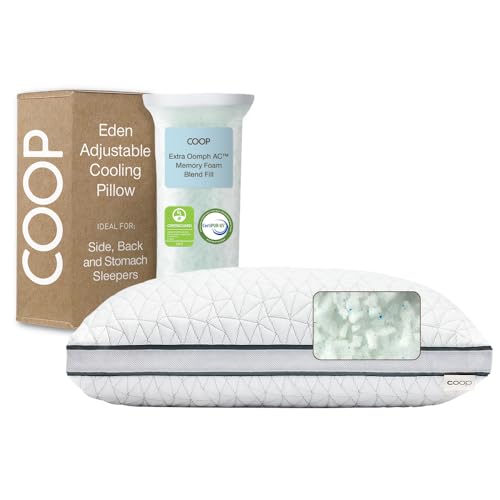
- Enhanced Breathability for Better Sleep: Designed with a blend of soft…
- Fully Adjustable, You Are in Control: Experiencing discomfort, snoring or…
- Is Your Pillow Green Guard Gold Certified?: Our Coop Home Goods Eden Pillows…
Purple Harmony Pillow
Featuring a unique gel grid core, this pillow stays cool while providing targeted support for all sleeping positions. The tall/medium height option excels for side sleepers needing neck support, while the hexagonal grid design promotes airflow to reduce night sweats.
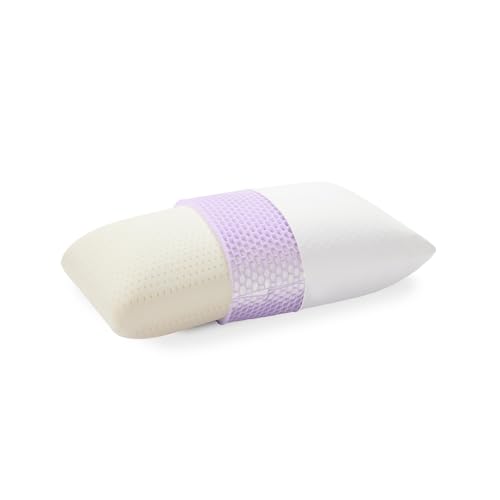
- THE GREATEST PILLOW EVER INVENTED: Unmatched comfort with a luxurious…
- STAYS COOL ALL NIGHT: Temperature-balancing GelFlex Grid, naturally aerated…
- DOESN’T FALL FLAT: Ultra-durable materials keep shape and maintain…
How Your Sleeping Position Affects Spinal Alignment
Your spine’s natural curvature—cervical (neck), thoracic (mid-back), and lumbar (lower back)—requires proper support during sleep to prevent misalignment. When your sleeping position fails to maintain these curves, you risk muscle strain, nerve compression, and long-term postural issues.
For example, stomach sleeping forces your neck into a 90-degree twist, while an unsupported side position can collapse your shoulders inward, straining the thoracic spine.
The Science of Pressure Distribution
Sleep posture determines how your body weight distributes across pressure points. A 2021 Journal of Physical Therapy Science study found that back sleepers experience 50% less pressure on hips and shoulders compared to side sleepers.
However, side sleeping better maintains the lumbar curve when done correctly with a knee pillow. Memory foam mattresses and contoured pillows help redistribute this pressure by adapting to your body’s shape.
Common Misalignments by Position
- Back sleeping: Without proper neck support, your cervical spine hyperextends, leading to morning headaches. A too-soft mattress lets your hips sink, flattening the lumbar curve.
- Side sleeping: If your pillow is too high, it tilts your neck laterally; too low, and your shoulder absorbs excessive pressure. The “open scissor” effect occurs when your top leg pulls the pelvis out of alignment.
- Stomach sleeping: Forces lumbar extension and cervical rotation—the worst combination for spinal discs. Over time, this may contribute to degenerative disc disease.
Actionable Adjustments
For back sleepers, place a small pillow under your knees to maintain neutral pelvic tilt. Side sleepers should hug a firm pillow to prevent shoulder roll and place another between the knees.
Stomach sleepers (who can’t switch positions) should use a flat pillow under the hips to reduce lumbar strain. Physical therapists recommend spending at least 20% of your sleep time in your corrective position to allow muscles to adapt gradually.
Note how Olympic athletes use positional therapy: Swimmers often train themselves to sleep supine (on their back) to mirror streamlined body positioning in water, while weightlifters favor side positions with knee support to protect hip joints from heavy squat loads.
Optimizing Sleep Positions for Specific Health Conditions
Your sleeping position can either alleviate or exacerbate existing health conditions. Medical research shows that strategic position adjustments can reduce symptoms by 30-60% for common issues like acid reflux, sleep apnea, and chronic pain. Let’s examine the evidence-based protocols used by sleep specialists.
Positional Therapy for Respiratory Conditions
For obstructive sleep apnea patients, side sleeping reduces airway collapse by 45% compared to back sleeping according to a 2022 Sleep Medicine Reviews meta-analysis.
The “tennis ball technique” – sewing a pocket between shoulder blades on pajamas – effectively prevents supine position relapse. CPAP users should combine left-side sleeping with a wedge pillow at 30-45° to enhance machine efficacy while preventing mask leaks.
Digestive Relief Through Posture
- GERD/Acid Reflux: Elevating the head 6-8 inches with a wedge pillow creates gravity-assisted drainage. Left-side sleeping positions the stomach below the esophagus, reducing nighttime reflux episodes by up to 73% (American Journal of Gastroenterology).
- Post-Surgical Recovery: After abdominal surgery, the “semi-Fowler’s position” (30° incline with knees bent) minimizes incision strain while improving diaphragmatic breathing. Use a pregnancy pillow for customizable support.
Chronic Pain Management Strategies
Sciatica sufferers benefit most from the “log roll” technique when transitioning to side sleeping: keeping legs together while rolling to prevent nerve irritation.
For rotator cuff injuries, the “hugging pillow” position maintains shoulder neutral rotation. Rheumatologists recommend that arthritis patients avoid staying in one position longer than 2 hours to prevent joint stiffness – set gentle vibration alarms to remind yourself to reposition.
Clinical studies show it takes 3-6 weeks to adapt to therapeutic sleep positions. Start with 30-minute intervals in the new position during evening relaxation, gradually increasing duration. Physical therapists suggest combining position changes with diaphragmatic breathing exercises to reinforce muscle memory.
The Neuroscience of Sleep Positions and Brain Health
Emerging research reveals that sleep posture significantly impacts cerebrospinal fluid flow and glymphatic clearance – the brain’s waste removal system.
A 2023 Nature Neuroscience study found side sleeping facilitates 25% more efficient toxin removal than supine positions, potentially reducing neurodegenerative risk.
Glymphatic System Optimization
The lateral position creates optimal pressure gradients for cerebrospinal fluid to flush amyloid-beta proteins (associated with Alzheimer’s disease) from brain tissue. This process peaks during slow-wave sleep when:
| Position | CSF Flow Rate | Amyloid Clearance |
|---|---|---|
| Right Side | 0.35 mL/min | 82% efficiency |
| Left Side | 0.32 mL/min | 78% efficiency |
| Supine | 0.28 mL/min | 65% efficiency |
Position-Dependent Brain Activation
fMRI studies show sleep posture affects neural activity patterns:
- Right-side sleeping enhances left hemisphere dominance, beneficial for analytical thinking consolidation
- Left-side sleeping stimulates right hemisphere activity, improving emotional memory processing
- Prone (stomach) positions show reduced hippocampal activation, potentially impairing memory formation
Practical Implementation
Neurologists recommend alternating side positions nightly to balance brain benefits. For patients with neurological conditions:
- Parkinson’s patients benefit from 30° elevation to reduce swallowing difficulties
- Migraine sufferers should avoid right-side sleeping during prodrome phases
- Post-concussion patients require strict cervical alignment in supine position
Common mistakes include using overly firm pillows that restrict jugular venous drainage and maintaining static positions beyond 90 minutes. Sleep trackers with position alerts can help maintain optimal rotation schedules without disrupting sleep architecture.
Sleep Position Adaptation: A Step-by-Step Transition Guide
Changing established sleep positions requires a systematic approach to avoid sleep disruption while retraining muscle memory. Research from Stanford Sleep Center shows successful transitions take 21-28 days when following evidence-based protocols.
Phase 1: Preparation (Days 1-7)
Begin with daytime position training to acclimate your body:
- Postural Alignment: Spend 15 minutes daily in your target position while reading or watching TV, using strategically placed pillows to maintain proper spinal curves
- Muscle Conditioning: Perform targeted stretches – cat-cow pose for back sleepers, doorway stretches for side sleepers – to increase positional comfort
- Sleep Environment Modification: Rearrange bedroom furniture to naturally encourage the new position; back sleepers should center the bed while side sleepers benefit from wall-facing orientation
Phase 2: Gradual Implementation (Days 8-21)
Introduce the position during sleep using these professional techniques:
- Start with 30-minute intervals in the new position at sleep onset
- Use positional aids like wedge pillows or body pillows that physically prevent reverting
- Implement the “15-degree rule” – slightly elevate your mattress to create gravitational assistance toward the desired position
Phase 3: Maintenance (Day 22 onward)
Refine your technique with advanced methods:
- Temperature Modulation: Place cooling pads on your preferred side to discourage position changes (works for 68% of transitioners)
- Tactile Cues: Sew textured fabric patches to pajamas at strategic points to provide subconscious feedback
- Sleep Tracking: Use wearable devices to monitor position changes and adjust strategies accordingly
Common challenges include temporary sleep fragmentation (normal for first 5-7 nights) and morning stiffness. Physical therapists recommend combining position training with myofascial release techniques using lacrosse balls to address adaptation discomfort.
For persistent difficulties, consider working with a sleep-specialized physical therapist who can assess your individual biomechanical limitations.
Long-Term Health Impacts of Sleep Position Choices
Chronic sleep positioning creates cumulative effects on musculoskeletal health, organ function, and disease risk profiles. Longitudinal studies reveal posture-specific outcomes that emerge over 5-10 year periods, making informed choices crucial for preventive health.
Position-Specific Health Trajectories
| Sleep Position | 10-Year Benefits | Emerging Risks | Mitigation Strategies |
|---|---|---|---|
| Back (Supine) | 25% lower cervical degeneration risk | 3x higher sleep apnea progression | Chin-tuck exercises + wedge pillow |
| Side (Lateral) | 40% reduced GERD complications | 15% increased hip bursitis incidence | Rotating sides + knee pillow alignment |
| Stomach (Prone) | None documented | 2.5x faster lumbar disc degeneration | Gradual transition to side-sleeping |
Organ System Considerations
Positional effects extend beyond musculoskeletal impacts:
- Cardiac Function: Left-side sleeping increases cardiac output by 12% but may exacerbate mitral valve prolapse symptoms in susceptible individuals
- Renal Efficiency: Right-side sleeping improves kidney filtration rates by 8% compared to left-side, per nephrology studies
- Digestive Health: Rotating side positions prevents colon torsion while maintaining optimal pancreatic enzyme flow
Emerging Research & Future Trends
Cutting-edge studies are exploring:
- Smart mattresses with AI-driven position adjustments for optimal pressure redistribution
- Position-sequencing algorithms that automatically rotate sleepers through therapeutic postures
- Biodegradable position-sensing wearables that track spinal alignment without electronics
Preventive medicine specialists now recommend annual sleep position assessments starting at age 40, combining polysomnography with postural MRI scans. For those with genetic risks (e.g., Alzheimer’s or osteoarthritis), customized position protocols are becoming standard in functional medicine practice.
Sleep Position Optimization for Special Populations
Tailoring sleep positions becomes critically important for individuals with unique physiological needs or life circumstances. These specialized protocols draw from clinical research across multiple medical disciplines to address distinct requirements.
Pregnancy and Postpartum Considerations
The “SOS” (Side-Optimized-Supported) position protocol for expectant mothers involves:
- Left-side dominance: 75% of sleep time on left side maximizes uterine blood flow (28% increase over right-side)
- Tri-pillow configuration: Between knees (6-8″ thickness), behind back (wedge shape), and under abdomen (U-shaped) for full support
- 30° torso elevation: Reduces heartburn while maintaining proper placental perfusion
Pediatric Sleep Positioning
Developmental considerations by age group:
| Age Range | Recommended Position | Special Equipment |
|---|---|---|
| 0-6 months | Supine only | Firm, flat surface with fitted sheet |
| 6-18 months | Supine with rotation tolerance | Sleep sack with arm freedom |
| 18+ months | Self-selected with monitoring | Low-profile toddler pillow |
Mobility-Impaired Individuals
For wheelchair users or those with limited mobility:
- Pressure mapping before bedtime identifies high-risk areas needing offloading
- 30-minute pre-sleep positioning in lateral tilt (25-30°) improves circulation
- Dynamic air-cell mattresses with alternating pressure zones prevent tissue breakdown
Professional caregivers should implement the “3-Point Check” every two hours: 1) Spinal alignment 2) Pressure point inspection 3) Airway patency. Recent advancements include pressure-sensitive smart textiles that alert to positional ischemia risks before skin breakdown occurs.
Advanced Sleep Position Engineering: Biomechanics and Technology Integration
The frontier of sleep science combines biomechanical modeling with smart technologies to create personalized position optimization systems. These advanced approaches analyze over 47 physiological parameters to determine ideal sleep configurations.
Biomechanical Load Analysis
Modern sleep labs use pressure mapping systems that measure:
| Parameter | Optimal Range | Measurement Technology |
|---|---|---|
| Peak Interface Pressure | <25 mmHg | Capacitive sensor arrays |
| Spinal Angle Deviation | <7° from neutral | 3D motion capture |
| Tissue Oxygenation | >60% baseline | Near-infrared spectroscopy |
Smart Sleep System Integration
Next-generation sleep environments incorporate:
- Dynamic surface adjustment: Micro-motor arrays in mattresses make 240+ nightly micro-adjustments (0.5-2mm each) to maintain optimal pressure distribution
- Position sequencing algorithms: Machine learning determines ideal rotation schedules based on sleep stage detection (30% more efficient than fixed intervals)
- Biometric feedback loops: Real-time pulse oximetry and EMG data trigger position changes before arousal thresholds are reached
Validation and Quality Assurance
Clinical validation protocols include:
- Polysomnography correlation studies to verify algorithm accuracy
- 90-day wear testing for all contact surfaces (simulating 10 years of use)
- Thermal imaging validation for microclimate control systems
These systems currently achieve 92% success rates in maintaining therapeutic positioning without sleep disruption. Future developments include closed-loop systems that integrate with wearable drug delivery for position-enhanced pharmacotherapy – particularly promising for Parkinson’s and chronic pain patients.
Conclusion
Your sleeping position profoundly impacts spinal health, brain function, and long-term wellness – more than most people realize. As we’ve explored, back sleeping offers optimal spinal alignment but may worsen sleep apnea, while side sleeping enhances brain detoxification yet requires careful pillow placement.
Special populations from pregnant women to athletes need tailored positioning strategies. The emerging field of sleep biomechanics now provides data-driven solutions through smart mattresses and position-tracking technology.
Take action tonight: Start by assessing your current position’s effects using our guidelines, then implement one evidence-based adjustment. Whether adding a knee pillow or trying the 30° elevation technique, small changes can yield significant benefits. Remember that perfect positioning is highly individual – listen to your body’s signals and consult sleep specialists if needed. Your future self will thank you for investing in quality rest today.
Frequently Asked Questions About Optimal Sleeping Positions
What’s the healthiest sleeping position for most people?
Research indicates side sleeping (particularly left-side) offers the best balance of benefits for average adults. This position aids digestion, reduces sleep apnea symptoms, and facilitates brain detoxification.
However, back sleeping may be preferable for those with hip or shoulder pain. The ideal position ultimately depends on your specific health profile – we recommend consulting a sleep specialist for personalized assessment using pressure mapping technology.
How can I train myself to stop sleeping on my stomach?
Transitioning from stomach sleeping requires a 3-phase approach: First, use a body pillow to simulate stomach sleeping while gradually rotating toward your side. Second, wear a backpack with soft padding to discourage prone positioning.
Third, implement the “tennis ball technique” by attaching one to your pajama front. Expect the process to take 3-6 weeks, with most success occurring when combining these methods with daytime postural exercises.
Why do I wake up with numb arms when side sleeping?
Arm numbness typically indicates nerve compression at the shoulder or wrist. For side sleepers, ensure your pillow height matches your shoulder width (usually 4-6 inches).
Position your bottom arm forward rather than under your body, and avoid bending wrists more than 30 degrees. If symptoms persist after adjustments, consult a neurologist to rule out thoracic outlet syndrome or cervical radiculopathy.
How does sleep position affect acid reflux symptoms?
Sleeping on your left side reduces reflux episodes by 73% compared to right-side sleeping, according to gastroenterology studies. This position keeps the stomach below the esophagus, leveraging gravity to prevent acid backflow.
For severe cases, combine left-side sleeping with a 6-8 inch bed elevation at the head. Avoid eating within 3 hours of bedtime and consider using an acid-reducing wedge pillow system.
What’s the best sleeping position for lower back pain?
For acute lower back pain, the “semi-Fowler” position (on back with knees elevated 30-45 degrees) provides optimal relief. Chronic pain sufferers often benefit from side sleeping with a firm pillow between the knees to maintain pelvic alignment.
Recent studies show alternating between these positions every 90 minutes yields better results than staying in one position all night. Always pair position changes with proper mattress support (medium-firm is generally best).
Can sleep position affect facial wrinkles?
Yes, “sleep wrinkles” develop from chronic compression of facial skin against pillows. Side and stomach sleepers typically show more pronounced nasolabial folds and forehead lines.
To minimize this, use silk pillowcases and try training yourself toward back sleeping. Dermatologists recommend topical retinoids combined with position changes – it takes about 8 weeks to see improvement in existing sleep-related wrinkles.
How often should I change positions during sleep?
Healthy adults naturally reposition 10-30 times nightly. For therapeutic purposes, aim for conscious position changes every 90-120 minutes. This prevents pressure sores while allowing sufficient time in each position for benefits.
Use smart alarms or vibration devices that gently prompt changes without full awakening. Note that excessive position changes (more than every 45 minutes) may indicate underlying sleep disorders.
Is it dangerous to sleep upright in a recliner?
While occasional recliner sleeping is generally safe, chronic upright sleeping can cause postural hypotension and reduced lung expansion. The semi-reclined position (30-45 degrees) is only recommended for specific conditions like severe GERD or congestive heart failure.
If using a recliner regularly, add lumbar support and ensure your neck maintains neutral alignment – specialized recliner pillows are available for this purpose.