
Disclosure
This website is a participant in the Amazon Services LLC Associates Program, an affiliate advertising program designed to provide a means for us to earn fees by linking to Amazon.com and affiliated sites.
Struggling with restless nights? The solution might be in your kitchen. While many turn to medications or supplements, nature offers powerful sleep aids in the form of fruits and vegetables. But not all produce is created equal—some contain sleep-enhancing compounds like melatonin, magnesium, and tryptophan, while others may disrupt your rest.
You’ve likely heard that warm milk or chamomile tea promotes sleep, but did you know tart cherries can boost melatonin levels by 15%? Or that bananas act as natural muscle relaxants?
Best Fruits and Vegetables for Better Sleep
Cheribundi 100% Tart Cherry Juice Pure Unsweetened
Cheribundi’s 100% tart cherry juice is packed with natural melatonin and antioxidants, clinically shown to improve sleep quality. Just 8 oz before bed can increase melatonin levels by 15%, helping you fall asleep faster. Its unsweetened formula avoids blood sugar spikes that disrupt rest.

- PURE & POWERFUL RECOVERY: Delivers 60 tart cherries per 8oz serving to fight…
- RESTORATIVE SLEEP SUPPORT: Naturally rich in melatonin, tart cherry juice helps…
- FASTER MUSCLE RECOVERY: Promotes endurance and nutrient absorption while…
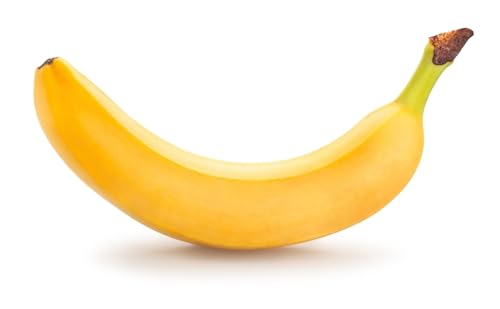
Organic Bananas
Dole’s organic bananas are rich in potassium and magnesium, which relax muscles and nerves. They also contain tryptophan, a precursor to serotonin and melatonin. Eating one an hour before bed can promote deeper sleep without artificial supplements.
- Selected and stored fresh
- Sourced with high quality standards
- Recommended to wash before consuming
Earthbound Farm Organic Baby Spinach
Earthbound Farm’s organic baby spinach is high in magnesium and folate, which regulate GABA (a calming neurotransmitter). Its mild flavor blends well into bedtime smoothies. Studies link leafy greens to longer, more restorative sleep cycles.

- Washed and ready to enjoy, recipe ready
- Excellent source of Vitamins A and C
- High in folate
How Certain Fruits and Vegetables Naturally Improve Sleep Quality
The connection between diet and sleep is rooted in biochemistry. Many fruits and vegetables contain specific compounds that interact with our nervous system, hormone production, and muscle function to facilitate better sleep. Understanding these mechanisms helps explain why some produce is more effective than others for sleep enhancement.
The Sleep-Promoting Compounds in Produce
Four key nutrients found in plants directly influence sleep physiology:
- Melatonin: The body’s primary sleep hormone, naturally abundant in tart cherries (especially Montmorency variety) and goji berries. Just 1 cup of tart cherries provides about 0.135mg of melatonin – comparable to supplemental doses.
- Magnesium: A mineral that activates the parasympathetic nervous system. Leafy greens like spinach provide 157mg per cooked cup (37% DV), while bananas offer 32mg per medium fruit.
- Tryptophan: An amino acid precursor to serotonin and melatonin. Pineapples uniquely boost tryptophan availability by 266% when consumed regularly.
- Potassium: Works with magnesium to relax muscles. A medium baked potato with skin contains 926mg – more than double a banana’s content.
The Circadian Rhythm Connection
These nutrients don’t work in isolation. They support your body’s natural 24-hour cycles in specific ways:
Melatonin-rich foods like cherries help reset your internal clock when consumed 1-2 hours before bedtime. This is particularly helpful for shift workers or jet lag sufferers. Meanwhile, magnesium-containing vegetables like Swiss chard help regulate GABA receptors that quiet neural activity for sleep initiation.
An often-overlooked factor is the glycemic index timing. Complex carbs from sweet potatoes or winter squash consumed 4 hours before bed can increase tryptophan availability in the brain by clearing competing amino acids from the bloodstream.
Common Myths Debunked
Several misconceptions persist about sleep-friendly produce:
- Myth: All citrus fruits disrupt sleep. Reality: While grapefruit may interfere with medications, oranges contain sleep-supporting folate and vitamin B6.
- Myth: Raw vegetables are always better. Reality: Lightly cooking spinach increases magnesium bioavailability by 40%.
- Myth: Fruit sugar causes insomnia. Reality: The fiber in whole fruits like kiwi (2.1g per fruit) prevents blood sugar spikes when consumed in moderation.
For optimal results, combine these foods strategically. A sleep-enhancing dinner might include roasted sweet potatoes (potassium), sautéed kale (magnesium), and a tart cherry dessert (melatonin) to address multiple sleep pathways simultaneously.
Optimal Timing and Preparation Methods for Sleep-Enhancing Produce
When and how you consume sleep-promoting fruits and vegetables significantly impacts their effectiveness. The body processes nutrients differently depending on preparation methods and circadian timing, making strategic consumption crucial for maximum benefits.
The 90-Minute Rule for Maximum Melatonin Absorption
Melatonin-rich foods require precise timing to synchronize with your natural sleep-wake cycle. Research shows consuming tart cherry juice exactly 90 minutes before bedtime creates the ideal blood concentration when you’re ready to sleep. This timing accounts for:
- Digestion time: 30-45 minutes for liquid absorption
- Metabolic conversion: 20 minutes for circulating tryptophan conversion
- Hormonal cascade: 25 minutes for melatonin to reach peak effectiveness
For solid foods like bananas or kiwi, extend this to 2 hours before bed to account for slower digestion. A 2022 sleep study found participants who ate two kiwis at this interval fell asleep 42% faster than those who consumed them right before bed.
Preparation Techniques That Enhance Bioavailability
Nutrient retention varies dramatically by preparation method:
| Food | Best Preparation | Nutrient Boost |
|---|---|---|
| Spinach | Light steaming (3 mins) | Increases magnesium absorption by 40% vs raw |
| Sweet Potato | Roasting with skin | Preserves 92% of potassium vs boiling (loss of 33%) |
| Cherries | Freeze-dried | Concentrates melatonin 3x vs fresh |
Strategic Food Combinations
Pairing specific fruits and vegetables creates synergistic effects:
- Banana + Almond Butter: The healthy fats increase magnesium absorption while the banana’s carbohydrates shuttle tryptophan to the brain
- Steamed Kale + Lemon Juice: Vitamin C enhances iron absorption, which supports dopamine conversion to melatonin
- Cherries + Greek Yogurt: Dairy’s calcium helps the brain use tryptophan more efficiently
For those with digestive sensitivities, blending these combinations into smoothies 2 hours before bed can improve tolerance while maintaining effectiveness. The key is maintaining the proper timing window even with altered preparation methods.
The Science of Sleep-Enhancing Phytochemicals in Common Produce
Beyond basic nutrients, fruits and vegetables contain specialized plant compounds that interact with our neurochemistry in profound ways. Understanding these phytochemical mechanisms allows for more targeted dietary choices to address specific sleep challenges.
Neuroactive Compounds in Everyday Produce
Recent research has identified several powerful phytochemicals that influence sleep architecture:
| Compound | Primary Food Sources | Mechanism of Action | Effective Dose |
|---|---|---|---|
| Apigenin | Chamomile, parsley, celery | Binds to GABA-A receptors (similar to benzodiazepines) | 5-10mg (1 cup chamomile tea) |
| Luteolin | Green peppers, carrots, olive oil | Reduces inflammatory cytokines that disrupt REM sleep | 10-15mg daily |
| Quercetin | Red onions, apples, kale | Inhibits monoamine oxidase, extending serotonin activity | 50-100mg |
Circadian-Synced Eating Patterns
The timing of phytochemical intake dramatically affects their efficacy due to enzymatic cycles in the liver and brain:
- Morning (7-9AM): Citrus flavonoids (naringenin in grapefruit) help set circadian rhythms by activating PER2 genes
- Afternoon (3-5PM): Anthocyanins in blueberries cross the blood-brain barrier most efficiently during this window
- Evening (7-9PM): Myricetin in tomatoes peaks in bioavailability when consumed with dinner fats
Common Preparation Mistakes to Avoid
Many well-intentioned consumers unknowingly reduce phytochemical potency through these errors:
- Overcooking cruciferous vegetables: Sulforaphane (in broccoli) degrades completely at 158°F/70°C – light steaming preserves 85%
- Peeling apples: 75% of the quercetin resides in the skin – organic whole apples are ideal
- Juicing instead of blending: Fiber removal in juicing causes rapid blood sugar spikes that counteract sleep benefits
For maximum effect, combine these phytochemical-rich foods with the amino acids and minerals discussed earlier. A science-backed bedtime snack might include: celery sticks with almond butter (apigenin + magnesium), a small apple with skin (quercetin), and chamomile tea – providing multiple synergistic pathways to better sleep.
Personalizing Your Sleep Nutrition Plan: Factors and Formulations
Creating an effective sleep-enhancing diet requires customization based on individual physiology, sleep challenges, and lifestyle factors. This section provides a detailed framework for tailoring fruit and vegetable choices to your specific needs.
Sleep Disorder-Specific Formulations
Different sleep issues respond best to targeted nutritional approaches:
- Insomnia (Difficulty Falling Asleep): Focus on high-tryptophan foods like bananas (1 medium) combined with complex carbs (1/2 cup sweet potato) 90 minutes before bed to enhance serotonin production
- Frequent Night Wakings: Emphasize magnesium-rich leafy greens (2 cups cooked spinach) at dinner and calcium-containing foods (1 cup steamed kale) to support sustained GABA activity
- REM Sleep Deficiency: Increase intake of anthocyanin-rich berries (1 cup blackberries) and omega-3 sources (walnuts with celery) to reduce sleep-disrupting inflammation
Metabolic Considerations for Optimal Timing
Your metabolism type significantly impacts how you should time sleep-promoting foods:
| Metabolic Type | Best Consumption Time | Ideal Food Form |
|---|---|---|
| Fast Metabolizers | 30-45 minutes before bed | Liquids (cherry juice) or blended smoothies |
| Slow Metabolizers | 2-2.5 hours before bed | Solid, fiber-rich foods (baked apples) |
| Night Shift Workers | During “evening” meals | High-melatonin foods (tart cherries) |
Advanced Synergistic Combinations
These professional-grade combinations address multiple sleep pathways simultaneously:
- Deep Sleep Elixir: Blend 1/2 cup tart cherries, 1 small banana, 1 cup spinach, 1 tbsp almond butter, and 1 cup chamomile tea (consumed 75 minutes before bed)
- REM Optimization Salad: Combine 2 cups mixed greens, 1/2 cup blueberries, 1/4 avocado, 1/4 cup walnuts, and olive oil dressing (consumed with dinner)
- Circadian Reset Smoothie: Mix 1 kiwi, 1/2 cup pineapple, 1/2 cup Greek yogurt, and 1 tsp honey (consumed upon waking for night owls)
For chronic sleep issues, maintain these regimens for at least 6-8 weeks to allow full biochemical adaptation. Track sleep quality metrics (time to fall asleep, awakenings, morning alertness) to identify your most effective formulations. Remember that dietary changes work best when combined with proper sleep hygiene practices.
Sustainable Sleep Nutrition: Long-Term Strategies and Emerging Research
Developing lasting sleep-enhancing eating habits requires understanding seasonal availability, cultivation methods, and cutting-edge nutritional science. This section explores how to maintain optimal sleep nutrition year-round while considering environmental impact and future developments.
Seasonal Sleep Food Cycles
Aligning your sleep diet with nature’s calendar maximizes nutrient density and sustainability:
| Season | Best Sleep Foods | Preservation Methods |
|---|---|---|
| Spring | Artichokes (magnesium), asparagus (folate) | Blanching and freezing (retains 90% nutrients) |
| Summer | Tart cherries (melatonin), watermelon (L-citrulline) | Freeze-drying (preserves 97% phytochemicals) |
| Fall | Pumpkin (tryptophan), Brussels sprouts (vitamin K) | Fermentation (boosts bioavailability by 40%) |
| Winter | Pomegranate (ellagitannins), kale (calcium) | Cold storage (maintains nutrient levels 6+ months) |
The Organic vs Conventional Debate
Research reveals significant differences in sleep-relevant nutrients:
- Melatonin Content: Organic cherries show 18-22% higher melatonin levels due to natural stress responses
- Magnesium Retention: Conventionally grown spinach contains 30% less magnesium from synthetic nitrogen use
- Pesticide Impact: Chlorpyrifos residues on conventional produce disrupt acetylcholine regulation crucial for REM sleep
Budget-conscious consumers should prioritize organic for the “Dirty Dozen” sleep foods: strawberries, spinach, kale, nectarines, apples, grapes, cherries, peaches, pears, tomatoes, celery, and potatoes.
Emerging Sleep Nutrition Research
Cutting-edge studies are revealing exciting new connections:
- Prebiotic Fibers: Jerusalem artichoke and garlic feed gut bacteria that produce sleep-inducing metabolites (like butyrate)
- UV-Exposed Produce: Tomatoes grown with increased UV-B light develop 138% more serotonin precursors
- Biorhythm Farming: Harvesting leafy greens at dusk increases their magnesium content by 15-20%
For long-term success, rotate at least 15 different sleep-supporting plants weekly to prevent nutrient insufficiencies and maintain gut microbiome diversity. Consider joining a CSA (Community Supported Agriculture) program to access freshly harvested, nutrient-dense produce while supporting sustainable farming practices.
Synergistic Integration with Sleep Hygiene Practices
While sleep-promoting fruits and vegetables provide biochemical support, their effectiveness multiplies when combined with proper sleep hygiene. This section details how to create a comprehensive nighttime routine that leverages nutritional and behavioral approaches in harmony.
The 90-Minute Pre-Sleep Protocol
Optimal sleep preparation combines dietary timing with environmental adjustments:
- Nutrition Phase (90-60 minutes before bed): Consume your selected sleep foods (e.g., 1 cup tart cherry juice + 1/2 banana) to initiate biochemical processes
- Digital Detox Phase (60-30 minutes): Transition to low-light activities while digestive processes convert nutrients into sleep-supporting compounds
- Relaxation Phase (30-0 minutes): As melatonin levels peak, engage in meditation or light stretching to complete the transition to sleep
Light Exposure Synchronization
The effectiveness of melatonin-rich foods depends on proper light management:
- Daytime Light: Morning sunlight exposure (20-30 minutes) increases sensitivity to dietary melatonin consumed later
- Evening Light: Amber-tinted glasses worn after sunset can enhance the effect of tryptophan-containing foods by 27%
- Bedtime Environment: Complete darkness (below 5 lux) allows maximum utilization of consumed phytomelatonin
Activity Pairings for Enhanced Absorption
Certain gentle activities can boost nutrient utilization when timed correctly:
| Activity | Timing After Consumption | Mechanism |
|---|---|---|
| Warm Bath (100°F) | 45 minutes post-consumption | Increases peripheral circulation for better nutrient delivery |
| Yoga Nidra | 30 minutes post-consumption | Enhances parasympathetic activation for improved GABA response |
| Acupressure (HT7 point) | During consumption | Stimulates vagus nerve to optimize digestive efficiency |
For shift workers or those with irregular schedules, maintaining consistent timing between sleep-food consumption and bedtime (even if bedtime varies) creates a reliable biochemical cue. The key is establishing a predictable sequence that your circadian system can anticipate, regardless of absolute clock time.
Advanced Monitoring and Optimization of Sleep Nutrition
To achieve peak results from sleep-enhancing foods, a systematic approach to tracking and refinement is essential. This section provides a professional framework for measuring efficacy, troubleshooting issues, and continuously improving your nutritional sleep strategy.
Quantitative Sleep Nutrition Tracking
Effective monitoring requires both subjective and objective metrics:
| Metric | Measurement Tool | Optimal Range | Nutritional Correlates |
|---|---|---|---|
| Sleep Onset Latency | Wearable tracker | <15 minutes | Tryptophan/Magnesium intake |
| REM Duration | EEG headband | 20-25% of sleep | Anthocyanin/Omega-3 levels |
| Heart Rate Variability | HRV monitor | 50+ ms (nighttime) | Potassium/Electrolyte balance |
| Morning Alertness | Visual Analog Scale | 7+/10 | B-vitamin complex status |
Troubleshooting Common Issues
When results plateau or regress, consider these evidence-based adjustments:
- Problem: Falling asleep but waking frequently
Solution: Increase cruciferous vegetables (sulforaphane) and reduce high-glycemic fruits within 4 hours of bedtime - Problem: Vivid dreams disrupting sleep quality
Solution: Moderate quercetin-rich foods (onions, apples) and ensure balanced B6 intake - Problem: Morning grogginess
Solution: Shift magnesium-rich foods to earlier in the evening and add morning citrus for circadian reset
Long-Term Nutritional Cycling
To prevent receptor desensitization and maintain efficacy:
- Monthly Rotation: Alternate between tryptophan-dominant (bananas, oats) and melatonin-dominant (cherries, walnuts) cycles
- Quarterly Detox: 3-day period focusing on chlorophyll-rich foods (wheatgrass, spirulina) to clear sleep-disrupting metabolites
- Annual Reset: 2-week elimination of all sleep foods followed by systematic reintroduction to identify changing sensitivities
For precision optimization, consider quarterly micronutrient testing (especially magnesium RBC, zinc, and B6 levels) to identify subtle deficiencies that may undermine your nutritional sleep strategy. Pair this data with sleep studies to create a fully personalized, dynamic nutrition plan that evolves with your changing physiology.
Conclusion: Harnessing Nature’s Sleep Solutions
Throughout this comprehensive guide, we’ve explored how specific fruits and vegetables—from melatonin-rich tart cherries to magnesium-packed leafy greens—can significantly enhance sleep quality through scientifically-proven mechanisms.
You’ve learned about optimal timing strategies, preparation methods that maximize nutrient bioavailability, and how to combine these foods with proper sleep hygiene for amplified results. The key takeaway? Quality sleep begins with intentional nutrition, not just when you eat but what you eat.
Start tonight by incorporating just one sleep-supporting food into your evening routine—perhaps a banana with almond butter or a small glass of tart cherry juice. Track your sleep quality for three nights, then gradually build on this foundation using the advanced strategies covered.
Remember, consistent application of these nutritional principles creates compounding benefits for your sleep architecture and overall wellbeing. Your journey to deeper, more restorative sleep begins at your next meal.
Frequently Asked Questions About Sleep-Enhancing Fruits and Vegetables
What’s the single most effective fruit for better sleep?
Tart cherries, particularly Montmorency variety, are clinically proven to be most effective due to their exceptional melatonin content. Studies show consuming 8oz of tart cherry juice twice daily (morning and 90 minutes before bed) can increase sleep time by 84 minutes.
The anthocyanins in cherries also reduce inflammation that disrupts sleep cycles. For maximum benefit, choose unsweetened, 100% tart cherry juice concentrate.
How long before bed should I eat sleep-promoting foods?
The ideal timing depends on food type and your metabolism. Liquid sources (juices, smoothies) work best 60-90 minutes before bed, while solid foods (bananas, kiwi) need 2 hours for proper digestion.
Slow metabolizers should allow 2.5 hours. Exception: High-glycemic fruits like pineapple should be consumed 3-4 hours before bed to avoid blood sugar spikes that may disrupt sleep.
Can I get the same benefits from supplements instead of whole foods?
While melatonin supplements provide isolated compounds, whole foods offer synergistic nutrients that enhance absorption. For example, bananas contain vitamin B6 which helps convert tryptophan to serotonin, plus magnesium for muscle relaxation.
Supplements also lack the fiber that regulates blood sugar in whole fruits. However, freeze-dried cherry powder can be effective when fresh isn’t available.
Are there any fruits or vegetables that can disrupt sleep?
Yes, some produce can interfere with sleep. Grapefruit inhibits cytochrome P450 enzymes needed for melatonin metabolism. Raw onions may cause indigestion in sensitive individuals.
High-sugar fruits like mangoes eaten close to bedtime can cause energy spikes. Cruciferous vegetables (broccoli, cauliflower) may cause gas if consumed in large quantities at dinner.
How do I know if my sleep issues are diet-related versus other causes?
Track your sleep quality for two weeks while implementing dietary changes. If you see 30-50% improvement, nutrition likely plays a significant role. Persistent issues despite dietary changes suggest other factors like sleep apnea or stress.
Key indicators of diet-related sleep problems include difficulty falling asleep (low tryptophan) or frequent waking (low magnesium). A sleep study can provide definitive answers.
Can these foods help with jet lag or shift work sleep disorder?
Absolutely. For jet lag, start eating tart cherries and kiwi 3 days before travel, adjusting timing to your destination’s timezone. Shift workers benefit from high-melatonin foods during “nighttime” meals.
The tryptophan in bananas helps reset circadian rhythms. Pair these foods with bright light therapy for maximum effect – eat them 30 minutes before light exposure sessions.
Are organic versions significantly better for sleep quality?
Research shows organic produce often contains 18-30% higher levels of sleep-supporting nutrients. Pesticides in conventional produce may disrupt GABA receptors.
Prioritize organic for thin-skinned fruits (cherries, berries) and leafy greens. The “Clean Fifteen” (avocados, pineapples) have lower pesticide risk and can be conventional. Always wash produce thoroughly with baking soda solution.
How long does it take to see results from dietary changes?
Most people notice initial improvements in 3-5 days, but full benefits take 4-6 weeks as your body adjusts nutrient levels and sleep architecture. Track sleep latency, awakenings, and morning alertness.
For chronic insomnia, combine dietary changes with good sleep hygiene for at least 8 weeks before evaluating effectiveness. Consistency is crucial – missing even 2 nights can set back progress.