
Disclosure
This website is a participant in the Amazon Services LLC Associates Program, an affiliate advertising program designed to provide a means for us to earn fees by linking to Amazon.com and affiliated sites.
A memory foam mattress topper can be a smart upgrade, but timing is key. Using one at the right moment can refresh comfort and extend your bed’s lifespan, saving you money.
Consider a topper if your mattress feels too firm or shows early signs of wear. It’s a cost-effective solution before committing to a full mattress replacement, allowing you to customize firmness.
Is Your Memory Foam Mattress No Longer Providing the Pressure Relief and Cool Comfort You Bought It For?
Over time, even premium memory foam can soften and lose its supportive, contouring feel, leading to discomfort and disrupted sleep. This Tempur-Pedic topper directly revives your mattress, adding a fresh, responsive layer of proprietary TEMPUR material with cooling technology to restore that signature pressure relief and temperature regulation for a fraction of the cost of a new bed.
To effectively renew your mattress’s feel and comfort, we suggest: Tempur-Pedic TEMPUR-Adapt + Cooling 3-Inch Twin XL Mattress Topper

- COOLING 3-INCH TWIN XL TOPPER: TEMPUR-Adapt + Cooling topper is ideal for...
- SOFTEST TEMPUR MATERIAL: 3-inches of exclusive TEMPUR-ES Material precisely...
- WASHABLE COOLING COVER: Premium knit cooling cover provides cool-to-the-touch...
Signs You Need a Mattress Topper for Your Memory Foam Bed
Knowing when to add a topper is crucial for comfort and value. Look for clear physical signs and comfort changes in your current sleep setup. Addressing these issues promptly can restore a perfect night’s rest.
Your Mattress Feels Too Firm or Uncomfortable
A too-firm memory foam bed can cause pressure points and restless sleep. A plush or soft mattress topper adds a cushioning layer for immediate relief. This is a common issue with newer beds that haven’t fully broken in.
- Pressure Point Pain: If you wake with sore shoulders or hips, a topper can provide crucial contouring and support.
- Initial Break-In Period: New memory foam can feel overly firm; a temporary topper eases the transition until it softens naturally.
- Changing Firmness Preference: Your body’s needs evolve; a topper lets you adjust firmness without buying a new mattress.
Visible Wear and Tear on the Surface
Over time, even quality memory foam can develop permanent body impressions or sagging. A topper acts as a protective, renewing layer over these worn areas. It effectively extends the usable life of your investment.
For example, a noticeable dip in the hip area can be leveled out with a thicker, supportive latex or high-density foam topper. This creates a fresh, even sleeping surface and prevents the sag from worsening.
You Want to Regulate Sleep Temperature
Some memory foam retains body heat, leading to night sweats. Specially designed cooling mattress toppers can significantly improve airflow. Materials like gel-infused foam, breathable latex, or wool are excellent for temperature control.
- Gel-Infused Memory Foam: Draws heat away from the body for a cooler sleep experience.
- Natural Latex: Offers inherent breathability and is resistant to dust mites and mold.
- Bamboo or Wool Covers: Provide moisture-wicking and temperature-regulating properties directly at the surface.
Choosing the Right Type of Topper for Memory Foam
Selecting the best mattress topper depends on your specific comfort goal. The material and thickness directly impact support, feel, and temperature. Matching the topper to your need ensures optimal results.
Material Guide: Matching Topper Type to Your Goal
Different topper materials solve different problems on a memory foam bed. Your primary objective—softening, cooling, or support—determines the best choice. Here is a direct comparison of common options.
| Material | Best For | Key Consideration |
|---|---|---|
| Memory Foam | Adding pressure relief & contouring | May sleep warmer; look for gel-infused versions. |
| Latex (Natural or Synthetic) | Cooling, bounce, and durable support | Provides a firmer, more responsive feel than memory foam. |
| Feather/Down | A plush, luxurious pillow-top feel | Requires fluffing and may compress over time. |
| Wool or Cotton | Natural temperature regulation and moisture-wicking | Often found in padded, quilted toppers for added softness. |
How to Determine the Correct Topper Thickness
Thickness is critical for achieving your desired effect. A thin topper offers minor softness, while a thick one can significantly alter bed feel. Follow this simple process to decide.
- Assess the Issue: For slight firmness or cooling, a 1-2 inch topper is sufficient. For deep body impressions or major comfort changes, consider 3-4 inches.
- Check Bed Height: Ensure adding the topper won’t make your bed too tall for your sheets or make it difficult to get into.
- Consider Your Weight: Heavier individuals generally benefit from a thicker, higher-density topper for adequate support and durability.
When to Avoid Adding a Topper to Memory Foam
While often beneficial, a mattress topper is not always the right solution. In some cases, it can worsen existing problems or be a wasted investment. Recognizing these scenarios prevents disappointment and guides you toward a better fix.
Your Mattress is Already Too Soft or Sagging Severely
A soft, plush topper will only exacerbate deep sagging in an old memory foam bed. This adds more sinking material without addressing the lack of foundational support underneath. The result is often poor spinal alignment and increased discomfort.
- Deep Body Impressions: If the sag is greater than 1.5 inches, the core support layers are likely compromised. A topper acts as a temporary bandage, not a cure.
- Hammocking Effect: Adding softness on top of a sag can create a “hammock” that curves your spine unnaturally, leading to back pain.
- Solution: Severe sagging typically indicates it’s time for a full mattress replacement to restore proper support.
You Experience Significant Allergies or Asthma
Toppers can harbor dust mites, mold, and other allergens if not properly maintained. Adding another layer increases the potential for allergen accumulation, especially in humid environments. This can trigger symptoms for sensitive sleepers.
If allergies are a primary concern, focus on toppers with hypoallergenic and antimicrobial properties, like natural latex or wool. Always use a fully encased, allergen-proof mattress protector beneath the topper for a critical barrier.
Your Goal is to Fix Motion Transfer Isolation
Memory foam is renowned for its excellent motion isolation. Adding a bouncy topper material, like latex or innerspring, can actually diminish this benefit. Partner disturbance may increase as the new top layer transfers movement more readily.
For example, a latex topper provides great responsiveness but will allow you to feel a partner moving more than the memory foam base alone. If motion isolation is your top priority, adding a topper is generally unnecessary and could be counterproductive.
How to Properly Install and Care for Your Topper
Correct installation maximizes comfort and extends the life of your new mattress topper. Proper care is essential for maintaining hygiene and performance over time. Following these steps ensures you get the full value from your purchase.
Step-by-Step Guide for Secure Topper Placement
A shifting or wrinkled topper ruins sleep comfort and can be a safety hazard. Securing it properly creates a seamless, integrated sleep surface. This process takes only a few minutes but makes a significant difference.
- Prepare the Surface: Strip your bed and ensure the memory foam mattress is clean, dry, and flat. Smooth out any fitted sheets or mattress protectors underneath.
- Unbox and Unroll: Remove the topper from packaging and allow it to fully expand, which can take several hours. Place it centered on the mattress, aligning all corners.
- Secure with Accessories: Use a deep-pocket fitted sheet designed for mattresses with toppers. For extra security, add non-slip mattress pads or straps that anchor the topper to the bed frame.
Maintenance Tips to Prolong Topper Lifespan
Regular care prevents odor, staining, and material breakdown. Unlike a mattress, many toppers have specific cleaning instructions that must be followed. Consistent maintenance protects your investment and your sleep environment.
- Use a Protector: Always place a waterproof, breathable mattress protector over the topper. This shields it from spills, sweat, and dust mites, and is much easier to wash.
- Follow Cleaning Labels: Most foam and latex toppers cannot be machine washed. Spot clean with mild detergent and air dry thoroughly. Only machine wash if the manufacturer’s label explicitly states it is safe.
- Rotate Regularly: Every 3-6 months, rotate the topper 180 degrees. This promotes even wear and prevents permanent body impressions from forming, just like with a mattress.
Cost Analysis: Topper vs. New Memory Foam Mattress
Deciding between a topper and a replacement mattress is a major financial choice. A thorough cost-benefit analysis helps determine the most economical and effective solution for your situation. Consider both immediate price and long-term value.
When a Topper is the Most Cost-Effective Solution
A mattress topper is a strategic investment for specific, minor issues. It provides a significant comfort upgrade at a fraction of the cost of a new bed. This makes it ideal for temporary situations or budget-conscious upgrades.
- Minor Comfort Adjustments: If you only need slight softening or cooling, a $100-$300 topper is far cheaper than a $1000+ mattress.
- Extending Mattress Life: Adding a topper to a mid-life mattress (3-5 years old) with light wear can add 1-2 years of comfortable use, delaying a major purchase.
- Rental or Temporary Housing: Improving a poor-quality supplied mattress without the cost and hassle of buying and moving a full bed.
Signs It’s More Economical to Replace the Mattress
Sometimes, investing in a topper is throwing good money after bad. If the foundational support of your bed is failing, a topper cannot fix the core problem. Continued discomfort means wasted money on a temporary fix.
For instance, a 10-year-old memory foam mattress with deep sagging and broken-down foam will not be saved by a topper. The ongoing lack of support will lead to poor sleep and potential health issues, making replacement the only sensible long-term investment.
| Scenario | Recommended Action | Reasoning |
|---|---|---|
| Mattress is under 5 years old but too firm | Buy a Quality Topper | Low-cost fix for a mattress with many years of structural integrity left. |
| Mattress is over 8 years old and sagging | Replace the Mattress | The core support is compromised; a topper adds cost without solving the root issue. |
| All-night overheating is the only issue | Buy a Cooling Topper | Targets the specific problem effectively for less than a new cooling mattress. |
Will a Topper Make My Memory Foam Bed Hotter?
It depends entirely on the topper material you select. A standard memory foam topper may retain more heat, while specific cooling materials actively reduce temperature. The key is choosing the right product for your needs.
- Potential for Heat: Traditional, dense memory foam toppers can add insulation. This may worsen overheating if your existing mattress already sleeps warm.
- Cooling Solutions: Opt for toppers made of breathable latex, gel-infused foam, or those with phase-change material covers. These are engineered to dissipate heat and improve airflow.
- Pro Tip: Pair any topper with moisture-wicking, natural fiber sheets (like cotton or bamboo) to enhance overall breathability.
How Long Does a Quality Mattress Topper Last?
A high-density, well-made topper should provide comfort for 3 to 5 years with proper care. Durability varies significantly based on material quality, frequency of use, and maintenance habits. Cheaper, low-density foams break down much faster.
For example, a premium natural latex topper often outlasts polyurethane foam, potentially lasting 5+ years. Regular rotation and the use of a protective cover are the most effective ways to maximize any topper’s lifespan.
Can I Use a Topper on an Adjustable Bed Frame?
Yes, but compatibility is crucial. The topper must be flexible enough to bend without cracking or creasing permanently. Materials like memory foam and latex are generally suitable, while thicker, stiffer, or quilted toppers may not flex properly.
Always check the manufacturer’s specifications for adjustable base compatibility. Using a non-flexible topper can damage both the topper and the mattress when the frame articulates, voiding warranties.
Expert Tips for Testing and Selecting Your Topper
Smart shopping involves more than just reading reviews online. Practical testing and key specifications ensure you select a topper that truly meets your needs. These professional tips guide you toward the perfect purchase.
What to Look for in Product Specifications
Technical details reveal more about performance than marketing claims. Focus on density and thickness first, as these directly correlate with durability and support. Ignoring specs often leads to buying an underperforming product.
- Foam Density: For memory foam, look for a density of at least 3 pounds per cubic foot (PCF). Higher density (4-5 PCF) offers better contouring, support, and longevity.
- ILD Rating (Latex): Indentation Load Deflection measures firmness. A lower ILD (e.g., 20-25) is soft, while a higher ILD (30-35) is firm. Match this to your desired feel.
- Certifications: Look for CertiPUR-US® for foam (ensures low VOC emissions) or OEKO-TEX® for fabrics, guaranteeing materials are free from harmful chemicals.
How to Simulate the Feel Before You Buy
It’s challenging to test a topper in a store, but you can approximate the experience. This method helps you avoid the hassle of returns by making a more informed choice from the start.
- Layer Test at Home: Place a thick, plush blanket or a spare duvet on your bed and sleep on it for a night. This simulates the added cushioning of a soft topper.
- Check Return Policies: Prioritize retailers offering sleep trials (e.g., 30-100 nights) and free, no-hassle returns. This is your safest way to truly test the product.
- Read for Specifics: In reviews, search for comments from people with your mattress model, sleep position, and body type. Their experience will be more relevant than general ratings.
Best Recommended Memory Foam Mattress Toppers
Based on common needs for adjusting a memory foam bed, these three toppers offer distinct solutions. Each is an excellent option for specific comfort goals, from cooling to deep cushioning. Consider your primary reason for adding a topper to find your ideal match.
Sleepyhead Twin XL 3 Inch Gel Memory Foam Mattress Topper – Best for Cooling
This topper is ideal for sleepers who find their memory foam bed retains too much heat. The gel-infused foam draws heat away from the body, while the 3-inch thickness provides noticeable pressure relief without drastically changing bed height. It’s a perfect balance of cooling and comfort.

- COOLING TWIN XL MATTRESS TOPPER FOR DORM BEDS: Upgrade uncomfortable college...
- THE MUST-HAVE DORM ROOM ESSENTIAL: This mattress topper Twin XL measures 38" x...
- SECURE FIT WITH REMOVABLE COOLING COVER: Our Twin XL mattress topper includes...
SHOUREN 5 Inch Memory Foam Mattress Topper – Best for Deep Cushioning
Choose this model for significant softening of an overly firm mattress or to mask moderate body impressions. Its substantial 5-inch profile offers a plush, cloud-like feel and can dramatically alter bed firmness. The high-density foam ensures durable, long-lasting support.
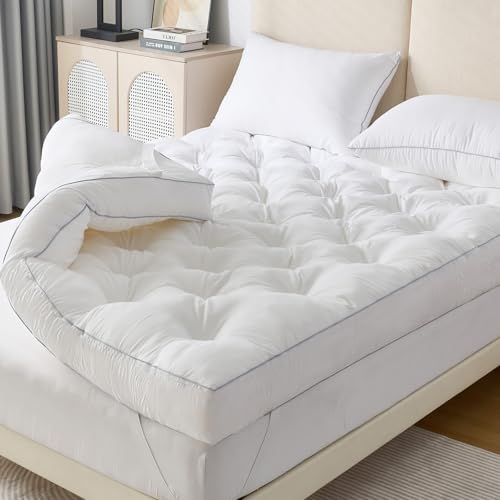
- 【5-Inch Extra Thick Comfort & Support】 SHOUREN mattress topper features a...
- 【Ergonomic Body-Contour Design】 Engineered to naturally fit your body...
- 【Upgraded 4-Way Elastic Anchor Straps】 Equipped with strong elastic straps...
Zalmureta 4 Inch Dual Layer Memory Foam Mattress Topper – Best for Balanced Support
This dual-layer design combines a soft top layer for immediate comfort with a firmer base layer for foundational support. The 4-inch build is ideal for those seeking a major comfort upgrade without an overly tall bed, providing excellent contouring and pressure relief.
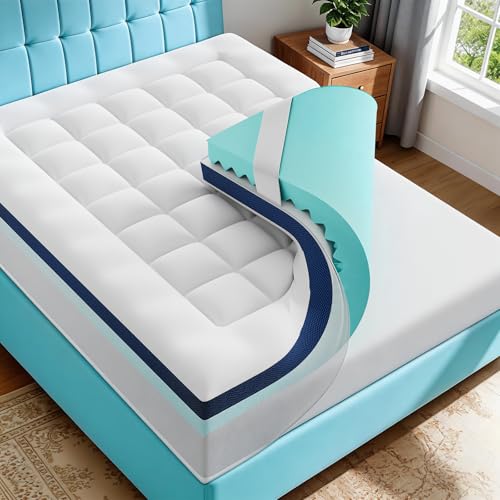
- 【4-Inch Dual-Layer Design】Our mattress topper features a 2-inch cooling...
- 【Breathable Design】This mattress topper is designed with Cold Gel Memory...
- 【Effective Body Support】Our mattress topper are ergonomically designed with...
Conclusion
Adding a topper to your memory foam bed is a strategic decision that can refresh comfort, regulate temperature, and extend mattress life. It is most effective for addressing minor firmness, early wear, or heat retention.
The key is to match the topper’s material and thickness to your specific need, and to recognize when replacement is a more economical long-term solution. With proper selection and care, a quality topper can transform your sleep experience.
Frequently Asked Questions about When To Use A Topper On A Memory Foam Bed
Can a mattress topper fix a sagging memory foam bed?
A topper can mask minor sagging or body impressions by providing a new, level surface. It is a temporary solution that adds cushioning over the worn area.
For severe sagging deeper than 1.5 inches, the core support is compromised. A topper cannot restore this foundational support, and a full mattress replacement is typically required for proper spinal alignment.
How do I know if I need a 2-inch or 4-inch topper?
Choose a 2-inch topper for slight softening, temperature regulation, or a minor comfort adjustment. It subtly changes feel without significantly altering bed height or feel.
Opt for a 3-inch or 4-inch topper to significantly soften a very firm mattress, address noticeable body impressions, or desire a plush, pillow-top feel. Thicker toppers offer more dramatic contouring and pressure relief.
Will a memory foam topper make my bed too soft?
It can, depending on the topper’s firmness level and your existing mattress. Adding a soft, plush topper to an already medium-soft memory foam bed may reduce support.
To avoid excessive softness, select a firm or medium-firm topper, especially if your goal is cooling or protection rather than added cushioning. Always check the product’s firmness description before purchasing.
Is it better to get a memory foam or latex topper for cooling?
Latex is generally more breathable and sleeps cooler than traditional memory foam. Its open-cell structure promotes better airflow, making it a superior choice for hot sleepers.
If you prefer the contouring feel of memory foam, look specifically for gel-infused or copper-infused models with cooling covers. These are engineered versions designed to dissipate heat more effectively.
Can I use a heated mattress pad with a memory foam topper?
Yes, but you must follow safety guidelines. Place the heated pad directly on top of the memory foam mattress, underneath the topper. This allows heat to rise evenly through the topper.
Never place a heated pad between two foam layers, as this can trap heat and potentially damage materials. Always ensure the heated pad is approved for use with foam products and never exceeds recommended temperatures.
How often should I replace my memory foam mattress topper?
A high-quality topper typically lasts 3 to 5 years with proper care. Signs of replacement include permanent loss of shape, visible lumps, or a noticeable decline in comfort and support.
Extend its lifespan by using a protective cover, rotating it every few months, and following cleaning instructions. If it no longer improves your sleep, it’s time for a new one.