
Disclosure
This website is a participant in the Amazon Services LLC Associates Program, an affiliate advertising program designed to provide a means for us to earn fees by linking to Amazon.com and affiliated sites.
A sagging mattress topper can undermine your sleep quality and spinal health. Knowing when to replace it is crucial for comfort and well-being.
Persistent morning aches or visible permanent indentations are clear signs. Continuing to use a compromised topper can lead to long-term posture issues and restless nights.
Is Your Sagging Mattress Topper Stealing Your Sleep and Your Morning Energy?
That persistent dip and lack of support don’t just cause discomfort; they disrupt your sleep cycle, leading to aches and fatigue. The BedStory Firm 3-Inch Topper directly targets this by providing a dense, resilient new surface that eliminates sagging, restoring proper spinal alignment and the deep, restorative sleep you’ve been missing.
For reclaiming restful sleep, we recommend: BedStory Firm Mattress Topper 3 Inch
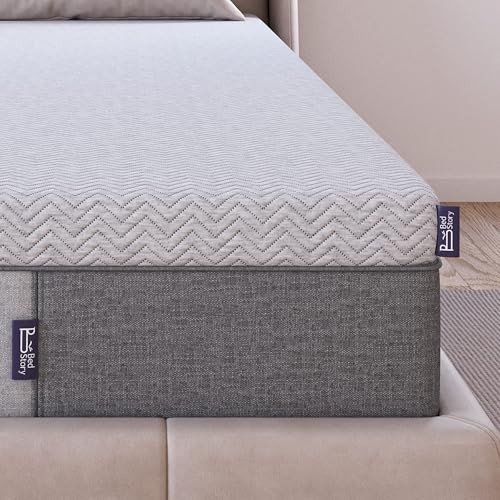
- RELIEVE PAIN & PROTECT THE SPINE - 2-layer pressure-relieving firm memory foam...
- 2-LAYER DESIGN & OPTIONAL FIRMNESS - Featuring double-layer foam design, the top...
- REMOVE MOISTURE & ALLEVIATE FATIGUE - Fusion memory foam contains bamboo...
Key Signs Your Mattress Topper Needs Replacing
Recognizing the warning signs of a failing mattress topper is the first step toward better sleep. Ignoring these indicators can compromise your rest and health. This section details the physical and experiential signals for replacement.
Visible Physical Damage and Wear
Inspect your topper regularly for clear structural failure. These are undeniable signs that the material’s integrity is gone. Look for these specific issues during your check.
- Deep, Permanent Sagging: A visible valley or dip that does not bounce back, often deeper than 1.5 inches, indicates core support loss.
- Lumps and Uneven Surfaces: Shifting or clumping of internal fill material creates uncomfortable pressure points across your body.
- Tears, Holes, or Staining: Breaks in the cover allow allergens in and can lead to further internal breakdown of the foam or fibers.
How Your Body Feels Upon Waking
Your physical sensations are a direct report card on your sleep surface. Discomfort is a signal your body is not properly supported. Pay close attention to these morning alerts.
- Persistent Back or Joint Pain: New or worsening aches, especially in the lower back, hips, or shoulders, suggest poor spinal alignment.
- Feeling More Tired: If you wake up unrefreshed despite adequate sleep hours, your topper may be causing micro-awakenings.
- Partner Disturbance: Increased motion transfer, where you feel every move your partner makes, points to degraded material.
Health Risks of Using a Worn-Out Mattress Topper
Sleeping on a degraded topper does more than cause discomfort. It poses real risks to your physical health and sleep hygiene. these consequences highlights the urgency of replacement.
Impact on Spinal Alignment and Posture
A sagging surface fails to keep your spine in a neutral position. This misalignment strains muscles and ligaments all night. The long-term effects are significant and progressive.
- Chronic Back Pain: Sustained poor posture during sleep can lead to or exacerbate conditions like lower back pain and sciatica.
- Increased Pressure Points: Hips and shoulders sink unevenly, cutting off circulation and causing numbness, tingling, and stiffness.
- Muscle Fatigue: Your body works harder to find a comfortable position, leading to non-restorative sleep and daytime soreness.
Allergen Accumulation and Hygiene Concerns
Older toppers become reservoirs for unwanted particles. Breaks in the material and accumulated moisture create an ideal environment for allergens. This directly impacts air quality and health.
- Dust Mite Proliferation: These microscopic creatures thrive in worn foam and fiber, a major trigger for asthma and allergy sufferers.
- Mold and Mildew Growth: Body moisture trapped in compressed areas can lead to fungal growth, especially in memory foam toppers.
- Irritated Skin and Respiratory Issues: Inhaling or contacting these allergens nightly can cause congestion, coughing, and skin irritation.
How to Test Your Mattress Topper for Sagging
Don’t rely on guesswork to assess your topper’s condition. Simple, objective tests can confirm if it’s time for a change. Follow this step-by-step process for an accurate evaluation.
The Simple Coin and Ruler Test
This method measures the depth of permanent body impressions objectively. You only need a ruler and a coin or small object. Perform this test on a flat, firm surface without sheets.
- Place the Ruler: Lay a straight ruler or tape measure across the deepest visible sag or valley in the sleeping area.
- Measure the Gap: Attempt to slide a coin or your fingers vertically between the ruler and the bottom of the dip. Note the height of the gap.
- Interpret the Results: A gap of 1.5 inches or more indicates significant, support-compromising sag. Any dip over 2 inches means immediate replacement is needed.
Evaluating Support and Comfort Over Time
Performance degradation happens gradually. Compare your current experience to when the topper was new. Ask yourself these key questions about its nightly performance.
- Edge Support: Do you feel like you’re rolling toward the middle or off the side when lying near the edge?
- Recovery Time: After getting up, does the surface take more than a few seconds to return to its original shape, or does the dent remain?
- Comfort Consistency: Do you frequently shift positions or wake up to flip the topper searching for a comfortable spot?
Extending the Life of Your New Mattress Topper
Once you replace a sagging topper, protect your investment with proper care. Good maintenance habits can significantly delay the onset of wear and sag. Implement these strategies from day one.
Essential Rotation and Flipping Schedule
Even weight distribution is critical for longevity. A consistent rotation schedule prevents premature sagging in specific zones. Follow this simple timeline based on topper type.
| Topper Type | Recommended Action | Frequency |
|---|---|---|
| Memory Foam & Latex | Rotate 180° (head to foot) | Every 3 months |
| Fiberfill & Feather | Rotate and Fluff | Every 2 months |
| Two-Sided (e.g., Pillow Top) | Flip Over Entirely | Every 4-6 months |
Protective Measures for Daily Use
Shield your topper from the primary causes of degradation: moisture, dirt, and pressure. Using the right protective layers is a simple and highly effective strategy.
- Use a Mattress Protector: A high-quality, waterproof protector guards against spills, sweat, and dust mites, preventing internal breakdown.
- Ensure Proper Mattress Support: Place your topper on a solid, supportive base. A sagging mattress underneath will accelerate topper failure.
- Avoid Sitting on the Edge: Consistent pressure on the same weak spot, like the bed’s edge, causes it to break down faster.
Choosing a Replacement: Durable Mattress Topper Materials
Selecting a new topper requires material durability. Different types resist sagging and wear at varying rates. This comparison helps you invest in a longer-lasting solution.
Comparing Longevity of Common Topper Types
Material density and construction are the best predictors of lifespan. Higher density generally correlates with better support retention over time. Consider these key durability factors.
- High-Density Memory Foam: Look for a density of 4 lbs/ft³ or higher. It contours closely but resists permanent impressions better than low-density foam.
- Natural Latex: Offers excellent resilience and bounce-back. It is naturally resistant to dust mites and tends to outlast many foam options with minimal sag.
- Fiberfill and Feather: These require frequent fluffing and break down fastest. They are prone to lumping and compression, leading to a shorter average lifespan.
Key Features for Sag Resistance
Beyond base material, specific design elements enhance durability. Prioritize these features when shopping to delay the onset of sagging and maintain support.
- Zoned Support: Toppers with firmer foam in the hip and shoulder zones prevent deep sinking in high-pressure areas.
- Open-Cell Structure: In foam, this allows for better airflow and faster recovery, helping the material spring back each night.
- Reinforced Edges: Prevents the common collapse of perimeter support, which expands the usable sleep surface and improves longevity.
Responsible Disposal of Your Old Mattress Topper
Once you decide to replace a sagging topper, disposing of the old one responsibly is the final step. Simply throwing it in the trash is often not the best option. Explore these environmentally and community-conscious alternatives.
Recycling Options for Foam and Fiber Materials
Many mattress topper components can be recycled, keeping them out of landfills. The process varies by material type and requires a bit of research. Start your search with these resources.
- Check with Local Waste Management: Many municipal recycling programs have specific drop-off days or facilities for bulky foam items.
- Contact Mattress Retailers: Some stores offer take-back programs when you purchase a new product, especially major chains with sustainability initiatives.
- Search for Specialty Recyclers: Use online directories to find facilities that specifically process polyurethane foam or textiles in your area.
Creative Repurposing and Donation Guidelines
If your topper is clean and only mildly worn, it may have a second life. Donation is ideal, but strict hygiene standards usually apply. Consider these reuse possibilities first.
- Animal Shelter Donation: Many shelters welcome clean foam pads or fiberfill toppers for pet bedding. Always call ahead for approval.
- DIY Cushioning Projects: Cut firm, clean sections for knee pads while gardening, packing material, or craft studio floor cushions.
- Important Donation Rule: Most charities will not accept used mattress toppers due to hygiene concerns. Never donate a topper that is stained, torn, or heavily sagging.
Best Replacement Mattress Toppers for Sagging Support
After retiring a sagging topper, choosing a durable replacement is key. These recommended options offer excellent support retention and comfort. Each is ideal for different sleep needs and budgets.
Linenspa Memory Foam Mattress Topper – Best Budget-Friendly Upgrade
This 2-inch topper provides a significant comfort boost without a high cost. It adds soft pressure relief and conforming support to a firm mattress. Features a removable, machine-washable cover for easy maintenance and hygiene.

- PRESSURE RELIEVING MEMORY FOAM: Plush gel infused memory foam conforms to your...
- COOLING GEL INFUSIONS: This topper is infused with a cooling gel that helps...
- MULTIPLE PROFILE OPTIONS: Choose your own level of comfort with a plush 2-inch...
NicePlus Dual Layer 4 Inch Memory Foam Mattress Topper – Best for Deep Sag Correction
Its generous 4-inch profile is ideal for masking a moderately sagging mattress. The dual-layer design combines a cooling gel-infused top layer with a supportive base foam. This combination targets both comfort and lasting structural support.
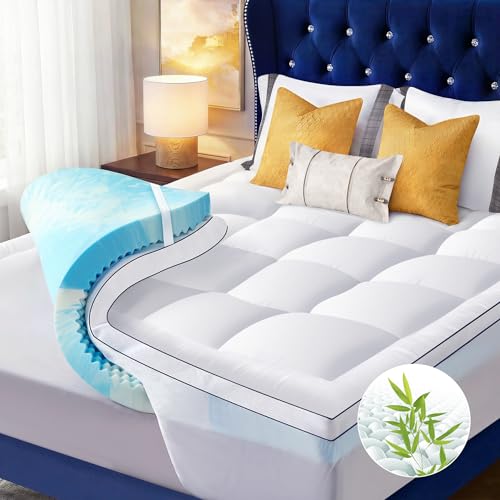
- 2-in-1 Double-Layer Mattress Topper: Featuring a dual-layer structure, designed...
- Relieves Pain & Supports Restful Sleep: The soft mattress topper bottom features...
- Cooling & Breathable: The 4 inch mattress topper fabric contains 40% Viscose...
ChiXpace Dual Layer 4 Inch Memory Foam Mattress Topper – Best for Pressure Relief
Designed for superior contouring, this topper excels at alleviating joint and back pain. The ventilated, breathable foam layers promote airflow to prevent overheating. It’s an excellent choice for side sleepers needing cushioned support.
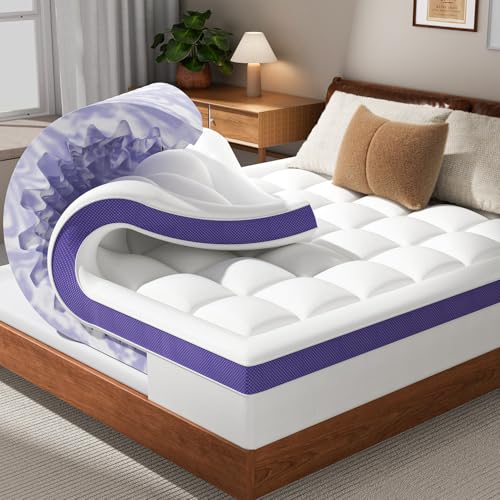
- Dual-Layer Design: This is Queen (60" x 80") size mattress topper. Our mattress...
- Comfortable Support: The memory foam with an egg-crate pattern provides...
- Cooling & Breathable: The ultra-soft fabric and premium gel-infused memory foam...
Conclusion
Recognizing when to stop using a sagging mattress topper is essential for protecting your sleep quality and spinal health. Persistent pain, visible indentations, and allergen buildup are clear signals for replacement.
Investing in a durable new topper and maintaining it properly will ensure long-lasting comfort and support. Listen to your body and inspect your sleep surface regularly to enjoy restorative rest for years to come.
Frequently Asked Questions about When To Stop Using A Sagging Mattress Topper
Can a mattress topper cause back pain?
Yes, a sagging mattress topper is a common cause of back pain. It fails to support your spine’s natural curve, leading to misalignment. This strains muscles and ligaments throughout the night.
If you wake up with new or worsening aches, your topper is likely the culprit. Replacing it with a supportive model can often alleviate this pain quickly by restoring proper spinal posture during sleep.
How deep of a sag is considered too much?
A sag deeper than 1.5 inches typically indicates a problem. You can measure this with the simple ruler and coin test. This depth shows the material has lost its ability to recover and support.
Any permanent dip over 2 inches means you should replace the topper immediately. At this point, it offers minimal benefit and actively contributes to poor sleep posture and discomfort.
Will flipping my topper fix the sag?
Flipping can temporarily redistribute wear if the topper is double-sided. However, it does not reverse permanent compression in the foam or fiber. The sag will likely develop in the new pressure area.
For one-sided memory foam toppers, flipping is not an option. Rotation (head to foot) may help slightly, but it is a short-term measure, not a repair for material breakdown.
What is the average lifespan of a mattress topper?
Lifespan varies greatly by material. High-density memory foam lasts 3-5 years, while natural latex can last 5-7+ years. Fiberfill or feather toppers often need replacement every 1-3 years.
Heavier individuals, lack of rotation, and missing a protector shorten lifespan. Always prioritize the topper’s physical condition over its age when deciding to replace it.
Can I just put a new topper over an old, sagging one?
This is not recommended. Layering toppers creates an unstable, uneven sleep surface that lacks proper support. The old topper’s sag will compromise the new one’s performance and shape.
It also traps heat and can void the warranty of the new product. For optimal results and hygiene, always remove the old, degraded topper before installing a new one.
Are some mattress topper materials more resistant to sagging?
Yes, high-density memory foam and natural latex are most resistant. Look for foam with a density of 4 pounds per cubic foot or higher. Latex naturally has excellent resilience and bounce-back.
Lower-density foams, fiberfill, and feather materials break down faster. Investing in a higher-quality, denser material from the start is the best strategy for long-term sag resistance.