
Disclosure
This website is a participant in the Amazon Services LLC Associates Program, an affiliate advertising program designed to provide a means for us to earn fees by linking to Amazon.com and affiliated sites.
Knowing when to replace your mattress topper is essential for maintaining sleep quality and comfort. An old topper can lead to poor support and disrupted rest.
Signs like visible sagging, persistent odors, or increased allergy symptoms are clear indicators. Replacing it at the right time protects your mattress investment and ensures restorative sleep.
Are You Waking Up Feeling More Achy Than Rested?
If your mattress has lost its support, causing pressure points and restless nights, a simple replacement can transform your sleep. The Lucid 4 Inch Memory Foam Mattress Topper directly addresses this by adding a deep, conforming layer of pressure relief, effectively renewing your old mattress for a fraction of the cost of a new one.
For a truly restorative upgrade, we suggest the: Lucid 4 Inch Memory Foam Mattress Topper
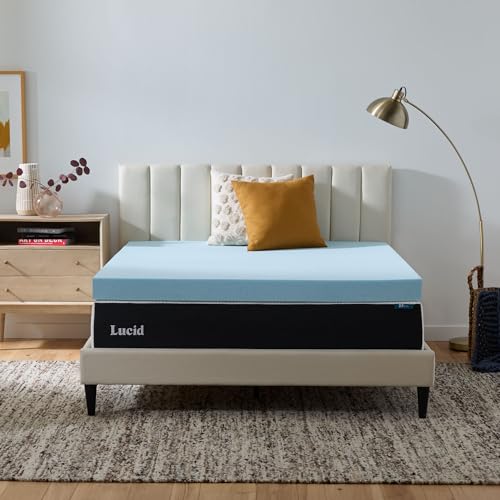
- ULTRA PLUSH FEEL – Lucid memory foam mattress toppers are designed to enhance...
- COOLER SLEEP: Cooling gel is infused in the memory foam to help regulate your...
- CHOOSE YOUR SIZE: 2-inch profile adds a soft layer of support to any mattress...
Key Signs You Need a New Mattress Topper
Recognizing the warning signs is the first step toward better sleep. Your topper should provide consistent comfort and support. Ignoring these signals can negatively impact your rest and health.
Visible Wear and Physical Damage
Inspect your topper regularly for physical deterioration. This is the most obvious indicator that a replacement is due. Look for these specific issues:
- Lumps and Sagging: Uneven surfaces create pressure points and disrupt spinal alignment. This often happens in memory foam or fiberfill toppers over time.
- Permanent Stains or Odors: Deep-set stains and smells that won’t wash out can harbor allergens and bacteria. This is a common problem with spills or sweat absorption.
- Tears and Rips: Any breach in the cover allows fill material to escape and compromises hygiene. Even small holes can quickly worsen.
Decline in Sleep Quality and Comfort
Your body often notices problems before your eyes do. Pay attention to how you feel upon waking. A failing topper directly affects your nightly rest.
Do you wake up with new aches, stiffness, or numbness? This suggests the support layer has broken down. You might also find yourself tossing and turning more to get comfortable.
Another clear sign is if you sleep better in other beds, like at a hotel. This comparison highlights the diminished performance of your current sleep surface.
Increased Allergy or Asthma Symptoms
An old topper can become a haven for dust mites and mold. These allergens thrive in warm, humid environments created by your body. If your symptoms worsen at night or in bed, your topper could be the culprit.
Even with a protective cover, materials break down and trap more irritants over years of use. Frequent sneezing, a stuffy nose, or itchy eyes upon waking are strong indicators. Replacing an old topper is a proactive step for better sleep hygiene and respiratory health.
How Often to Replace Your Mattress Topper for Optimal Comfort
The lifespan of a mattress topper depends heavily on its material and care. Unlike a mattress, a topper is a wear layer designed for periodic replacement. Following general timelines helps you plan your purchase proactively.
Average Lifespan by Material Type
Different materials degrade at varying rates due to density and resilience. Knowing your topper’s composition is key to predicting its longevity. Use this as a general guide for replacement scheduling.
- Memory Foam and Latex: These durable materials typically last 3-5 years. High-density versions may reach the upper end of this range with proper care.
- Feather/Down and Fiberfill: Softer materials often need replacement every 1-3 years. They can lose loft and become flat more quickly than foam.
- Wool and Cotton: Natural fiber toppers generally have a 2-4 year lifespan. They are breathable but can compress and mat down over time.
Factors That Shorten or Extend Topper Life
Your specific habits and environment significantly impact durability. Proper maintenance can add months or even years of use. Conversely, certain conditions accelerate wear.
Using a mattress protector is the single best practice for extension. It shields against spills, stains, and dust mites. Regular rotation—every 3-6 months—also prevents uneven sagging.
Factors that shorten life include excess body weight, lack of a bed frame, and high humidity. Sleeping in the same spot every night creates a permanent body impression faster.
When to Replace Based on Sleep Changes
Your personal comfort is the ultimate timer. Even if a topper hasn’t reached its expected lifespan, your needs may change. This is common after significant life events.
Consider a new topper if you’ve experienced weight change, a new injury, or a pregnancy. These alter your pressure relief and support requirements. Upgrading can be a cost-effective alternative to buying a whole new mattress.
Best Time of Year to Buy a Mattress Topper for Savings
Strategic timing can lead to significant discounts on quality sleep products. Retailers offer major sales during specific seasonal events and holidays. Planning your purchase around these periods maximizes value.
Major Holiday Sales and Promotional Events
National holidays are prime opportunities for bedding discounts. These sales often include mattress toppers from all major brands. Mark these key dates on your shopping calendar.
- Memorial Day, Fourth of July, and Labor Day: These summer holidays feature major home goods sales. You can find discounts of 20-40% on popular topper models.
- Black Friday and Cyber Monday: The November shopping events offer some of the deepest annual discounts. Many retailers extend these deals through Cyber Week.
- New Year’s Sales: January is a peak time for clearance on old inventory. This is an excellent opportunity to buy last year’s models at reduced prices.
Seasonal Clearance and Off-Peak Shopping
Retailers clear out seasonal inventory to make room for new products. Timing your purchase to these cycles can yield unexpected savings. The end of a season often brings the best clearance prices.
For example, look for sales in late January after the holiday rush, or in late August before new fall lines arrive. Signing up for brand newsletters also provides access to exclusive flash sales and promo codes not advertised publicly.
Considering Your Immediate Need Versus Waiting
While saving money is ideal, your sleep health should be the priority. If your topper shows critical signs of failure, delaying replacement can worsen sleep quality. Discomfort and pain are not worth a potential future discount.
For non-urgent upgrades or first-time purchases, waiting 4-6 weeks for a sale is practical. Always check return policies and warranty terms, as these protections are as valuable as the initial price. A slightly higher cost with a better warranty often provides greater long-term value.
Choosing the Right Replacement Mattress Topper
Selecting a new topper involves more than just replacing the old one. Assess your current sleep issues and desired improvements. This ensures your investment directly targets your comfort needs.
Matching Topper Type to Your Sleep Problem
Different materials solve specific comfort and support challenges. Identify your primary complaint about your current sleep surface. Then, select a topper engineered to address it.
- For a Too-Firm Mattress: Choose a plush memory foam or soft latex topper. These materials cushion pressure points at shoulders and hips for side sleepers.
- For a Too-Soft or Sagging Mattress: A firm latex or high-density foam topper adds necessary support. It reinforces the middle section to improve spinal alignment.
- For Temperature Regulation: Look for gel-infused memory foam or natural wool. These materials dissipate heat better than traditional solid foams.
Key Features and Specifications to Compare
Beyond material, technical specs determine performance and durability. Always check product details before purchasing. Focus on these critical measurements.
Density (for foam) indicates quality and longevity; higher density (3-5 lbs) lasts longer. Thickness (2-4 inches) affects how much it alters mattress feel; thicker toppers make more dramatic changes.
Also verify the trial period and warranty length. A sleep trial of at least 30 nights allows you to test comfort. A warranty of 3-5 years reflects manufacturer confidence in the product.
| Topper Type | Best For | Consideration |
|---|---|---|
| Memory Foam | Pressure relief, motion isolation | Can retain heat; look for gel infusions |
| Latex | Support, responsiveness, cooling | Higher price point; can be heavy |
| Feather/Down | Plush, cloud-like softness | Requires fluffing; shorter lifespan |
Measuring and Ensuring Proper Fit
A perfectly sized topper is crucial for comfort and safety. Always measure your mattress dimensions before ordering. Standard sizes like Twin, Queen, and King can vary slightly between brands.
Ensure the topper has deep pockets or straps if your mattress is extra thick. A secure fit prevents slipping and bunching during the night. This step is often overlooked but essential for a successful upgrade.
How to Properly Dispose of Your Old Mattress Topper
Responsibly removing your old topper is the final step in the replacement process. Disposal options vary based on your location and the topper’s material. Planning ahead prevents last-minute hassle and supports environmental efforts.
Recycling Options for Different Materials
Not all mattress toppers can be recycled through standard municipal programs. You must check local facilities for specific acceptance policies. Some materials have better recycling prospects than others.
- Memory Foam and Latex: Specialized recycling centers may accept these foams. Contact companies that recycle mattresses, as they often process topper foam separately.
- Natural Fibers (Wool, Cotton): These are more easily biodegradable but rarely accepted in curbside recycling. Consider composting for 100% natural, untreated fibers.
- Polyester and Fiberfill: Standard plastic recycling rarely takes these. Some textile recycling drop-offs might accept them if clean and dry.
Donation Guidelines and Restrictions
Donation is an excellent option if your topper is still in decent condition. Most charities have strict hygiene standards for accepting bedding. Your topper must be clean, odor-free, and free of significant damage.
Call local shelters, thrift stores, or animal rescues ahead of time to confirm acceptance. Many organizations cannot take used mattress toppers due to health regulations. Be prepared to honestly assess if your item is truly donation-worthy.
- Check with your waste hauler for bulk pickup rules.
- Search for a local mattress recycling facility.
- Contact charities to inquire about donation policies.
- Break down large foam pieces if required for trash.
Municipal Waste and Bulk Pickup Procedures
For toppers that cannot be recycled or donated, municipal trash is the last resort. Contact your local waste management authority for specific instructions. Many require special handling for bulky items.
You may need to schedule a bulk pickup or take it to a designated drop-off facility. Some areas require large items to be sealed in a plastic bag to prevent littering. Always follow local guidelines to avoid fines and ensure proper disposal.
Can a Mattress Topper Fix a Bad Mattress?
A topper can significantly improve comfort but has limitations. It adds cushioning for pressure relief and can mitigate minor firmness issues. However, it cannot correct severe sagging or structural failure in a mattress.
Think of a topper as a comfort layer, not a support solution. If your mattress is over 8 years old and causing pain, replacement is likely necessary. A topper is best for refreshing a mattress that is only slightly uncomfortable.
How Do I Know If I Need a New Mattress or Just a Topper?
This decision depends on the origin of your discomfort. Perform a simple test by placing your topper on the floor and sleeping on it. If you sleep well, your mattress is the problem.
- Need a New Mattress: Deep, permanent body impressions, sagging edges you roll toward, or springs you can feel. Discomfort originates from the support core.
- Need a New Topper: Surface feels too hard or lacks plushness. The mattress itself still feels flat and supportive when the topper is removed.
What Is the Break-In Period for a New Mattress Topper?
Most new toppers, especially foam, require a break-in period. It can take 2-4 weeks for materials to fully expand and soften. Your body also needs time to adjust to the new support profile.
Off-gassing of a slight odor is normal for compressed foam and should dissipate in 48-72 hours in a well-ventilated room. Use the manufacturer’s sleep trial period to ensure the topper is right for you long-term.
Maintaining Your New Mattress Topper for Longevity
Proper care extends the life and performance of your investment. A maintenance routine protects against premature wear and preserves hygiene. Consistent care ensures you get the maximum value from your purchase.
Essential Cleaning and Care Routine
Follow the manufacturer’s care label instructions precisely. Most toppers cannot be fully submerged or machine washed. Regular spot cleaning and surface care are crucial for upkeep.
- Use a Mattress Protector: This waterproof, washable barrier is the most important step. It shields against spills, sweat, dust mites, and stains.
- Vacuum Regularly: Use an upholstery attachment to remove dust and allergens every 1-2 months. This maintains a clean sleep surface.
- Spot Clean Stains Immediately: Use a mild detergent and cold water. Blot gently—never rub—to prevent pushing moisture deep into the fill material.
Rotation and Air-Out Schedule
Prevent uneven wear by rotating your topper head-to-foot every 3-6 months. This distributes pressure evenly, especially for single sleepers. If your topper is double-sided, flip it according to the manufacturer’s guidelines.
Air out your topper periodically to prevent moisture buildup. Strip the bed and let it breathe for a few hours in a well-ventilated room. Sunlight can help freshen natural fibers but avoid prolonged direct exposure for synthetic foams.
Addressing Common Issues Like Odors and Lumps
Even with care, minor issues can arise. Baking soda is effective for neutralizing odors; sprinkle it on, let it sit for several hours, then vacuum thoroughly. For persistent smells, a fabric-safe deodorizing spray may be necessary.
Lumps in foam toppers often indicate low-density material breaking down. Gentle manual kneading can temporarily redistribute fill, but recurring lumps signal it’s nearing the end of its life. For feather toppers, vigorous fluffing can restore some loft.
- Inspect for stains, tears, or thinning areas.
- Deep clean according to material-specific guidelines.
- Rotate (and flip if applicable) the topper.
- Check the condition of your mattress protector.
Best Mattress Topper Recommendations for Every Need
Based on common replacement scenarios, these top-rated toppers offer targeted solutions. Each selection addresses a specific sleep issue with proven performance. Consider your primary comfort goal when choosing.
DOWNCOOL 3 Inch Queen Mattress Topper – Best for Cooling Comfort
This topper features a cooling gel-infused memory foam core and a breathable bamboo cover. It effectively regulates temperature for hot sleepers while providing deep pressure relief. The 3-inch thickness significantly softens a firm mattress.
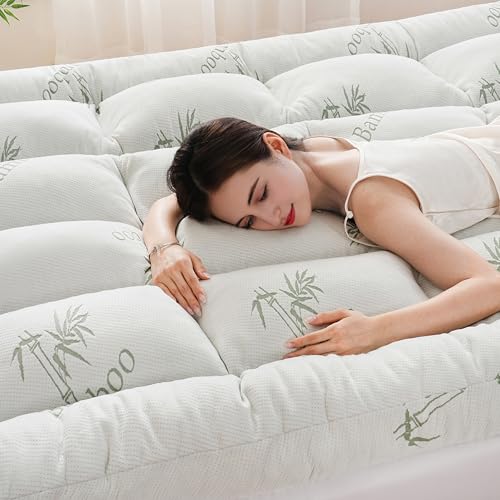
- Cooling Bamboo Viscose Top with 3D Air Layer: Made of 39% bamboo viscose and...
- Plush Pillow Top for Pressure Relief: Made with a thin gel memory foam layer and...
- Secure Deep Pocket Design: The elastic deep pocket skirt wraps around the...
Sleepyhead Twin XL 3 Inch Gel Memory Foam Mattress Topper – Best for Dorm Beds & Guest Rooms
Ideal for standard dorm or adjustable beds, this Twin XL size topper adds luxurious comfort. The gel-infused foam prevents overheating and conforms to the body. It’s a perfect, affordable upgrade for a temporary or secondary sleep space.

- COOLING TWIN XL MATTRESS TOPPER FOR DORM BEDS: Upgrade uncomfortable college...
- THE MUST-HAVE DORM ROOM ESSENTIAL: This mattress topper Twin XL measures 38" x...
- SECURE FIT WITH REMOVABLE COOLING COVER: Our Twin XL mattress topper includes...
Biteany Dual Layer Memory Foam Mattress Topper – Best for Targeted Support
This innovative design combines a 2-inch support foam base with a 2-inch cooling gel foam top layer. The dual-layer construction provides both foundational support and plush comfort, making it ideal for correcting a sagging or uneven mattress.

- GET 2X SUPPORT FROM MATERIAL REVOLUTION! Biteany queen mattress topper combines...
- PAIN-FREE SLEEP, CUSTOMIZES COMFORT! Our queen size mattress topper can...
- STAY COOL & SLEEP SAFE! The cooling mattress topper features a 3D air mesh...
Conclusion
Deciding when to buy a new mattress topper hinges on recognizing signs of wear, material lifespans, and timing your purchase strategically. Replacing it at the right moment is a cost-effective way to enhance sleep quality and protect your mattress investment.
The main point is to listen to your body and inspect your topper regularly. Proactive replacement based on comfort, support, and hygiene ensures you consistently enjoy the restorative sleep you deserve.
Frequently Asked Questions about When To Buy A New Mattress Topper
How long does a typical mattress topper last?
Most mattress toppers last between 2 to 5 years, depending on material and quality. High-density memory foam and latex toppers often reach the upper end of this range. Softer materials like down or fiberfill may need replacement sooner.
Your sleep habits and maintenance routine significantly impact longevity. Using a protective cover and rotating the topper regularly can extend its life. However, visible sagging or loss of support are clear signs it’s time for a new one.
Can I just wash my old mattress topper instead of replacing it?
Washing can refresh a topper but cannot restore degraded support or structure. Always follow the manufacturer’s care label, as most toppers cannot be fully machine washed. Spot cleaning is usually the safest method for addressing stains.
If the topper has permanent body impressions, persistent odors, or causes allergies, washing will not solve the core issue. At that point, replacement is necessary for hygiene and comfort. A wash is for maintenance, not for fixing wear and tear.
What’s the difference between a mattress pad and a mattress topper?
A mattress pad is a thin, quilted layer primarily for protection and slight softness. It is often machine-washable and fits like a fitted sheet. Its main function is to guard the mattress from spills and stains.
A mattress topper is thicker (2-4 inches) and designed to alter the feel of your mattress significantly. It provides substantial cushioning, pressure relief, and support. Toppers are the solution for changing mattress firmness, while pads are for protection.
Is it better to buy a new mattress or a new topper?
If your mattress is structurally sound but too firm or slightly uncomfortable, a topper is a perfect, cost-effective solution. It can add plushness or support without the expense of a full mattress replacement.
If your mattress is over 7-8 years old, has deep sagging, or broken springs, you need a new mattress. A topper cannot fix foundational support issues. Assess the origin of your discomfort before deciding.
Will a new mattress topper help with back pain?
A topper can help if your pain is due to pressure points on a too-firm surface. Materials like memory foam or latex cushion hips and shoulders, promoting better spinal alignment. This relief is common for side sleepers.
However, if your pain stems from a mattress that is too soft and lacks support, a firm topper may help. For chronic or severe back pain, consult a healthcare professional, as the issue may require more than a sleep surface change.
How do I choose the right thickness for a mattress topper?
A 2-inch topper is ideal for adding a slight plush layer or for a mattress that is only minimally uncomfortable. It changes the feel without dramatically altering height. This is a good starting point for most sleepers.
Choose a 3-inch or 4-inch topper for a more dramatic transformation, such as softening a very firm mattress or adding significant cushioning. Thicker toppers provide deeper contouring and pressure relief but may require deeper-pocketed sheets.