
Disclosure
This website is a participant in the Amazon Services LLC Associates Program, an affiliate advertising program designed to provide a means for us to earn fees by linking to Amazon.com and affiliated sites.
Keeping your mattress topper cover clean is essential for a healthy sleep environment. It protects your investment and ensures you rest on a fresh, hygienic surface.
Washing frequency depends heavily on personal use and circumstances. Factors like allergies, spills, or pets can significantly shorten the time between necessary cleanings.
Is Your Mattress Topper Cover Holding Odors and Allergens That Disrupt Your Sleep?
Knowing when to wash your topper cover is confusing, and a dirty one can trap sweat, dust mites, and allergens, leading to discomfort and poor sleep. The Tempur-Pedic topper’s premium, removable cover is designed for easy, frequent washing, actively protecting the supportive TEMPUR material and your sleep sanctuary from these irritants.
For a truly refreshed sleep surface, we suggest: Tempur-Pedic TEMPUR-Adapt + Cooling 3-Inch Twin XL Mattress Topper

- COOLING 3-INCH TWIN XL TOPPER: TEMPUR-Adapt + Cooling topper is ideal for...
- SOFTEST TEMPUR MATERIAL: 3-inches of exclusive TEMPUR-ES Material precisely...
- WASHABLE COOLING COVER: Premium knit cooling cover provides cool-to-the-touch...
Determining Your Topper Cover Washing Schedule
Establishing a regular cleaning routine for your mattress topper cover is key to its longevity. The ideal schedule balances manufacturer guidelines with your personal lifestyle factors.
Standard Cleaning Frequency Guidelines
A good baseline is to clean your mattress topper protector every three to four months. This routine maintenance removes accumulated dust, dead skin cells, and body oils.
- Every 3-4 Months (Quarterly): This is the standard recommendation for most users without specific issues. It prevents deep-set stains and odor buildup.
- Every 6 Months (Bi-Annually): This may suffice for a guest bed or if you use a separate top sheet and mattress pad consistently.
- Seasonally: Many people find it easy to remember by washing their topper cover as they switch out seasonal bedding.
Immediate Washing Triggers and Signs
Certain events demand an immediate wash, regardless of your regular schedule. Acting quickly can prevent permanent damage to the topper itself.
You should wash the cover right away after any spill, accident, or if a pet has soiled the bed. Other clear signs include noticeable stains, persistent odors, or an increase in allergy symptoms upon waking.
| Trigger | Reason for Immediate Action |
|---|---|
| Spills (Food/Drink) | Prevents sticky residues and mold growth inside the topper. |
| Bodily Fluids | Essential for hygiene and to eliminate bacteria and odors. |
| Pet Accidents | Removes enzymes and smells that can become permanent. |
| New Allergy Flare-Ups | Indicates a buildup of dust mites or allergens in the fabric. |
Factors That Change Your Washing Routine
Your personal circumstances will dictate a more frequent cleaning cadence. Consider these factors to create your personalized schedule.
For instance, allergy or asthma sufferers should wash their covers every 1-2 months in hot water to kill dust mites. Similarly, households with pets or young children will likely need to clean covers more often due to increased dirt and accident risks.
How to Properly Wash a Mattress Topper Cover
Knowing when to wash is only half the battle; proper cleaning technique is crucial. Following the correct steps preserves the cover’s protective qualities and fabric integrity.
Pre-Wash Preparation and Stain Treatment
Proper preparation prevents damage during the wash cycle. Always remove the cover from the topper carefully to avoid tearing the fabric or elastic.
- Spot Treat Stains: Apply a small amount of mild detergent or enzyme cleaner directly to any stains. Gently rub the fabric together and let it sit for 15 minutes.
- Check All Pockets: Ensure no small items are left in the cover. Fasten any zippers completely to prevent snagging.
- Shake Out Debris: Take the cover outside and give it a firm shake to remove loose dust and hair before it goes into the machine.
Machine Washing and Drying Instructions
Most modern topper covers are machine washable, but settings matter. Using harsh cycles or heat can shrink or damage the waterproof backing.
- Water Temperature: Use cold or warm water on a gentle or delicate cycle. Hot water can degrade elastic and certain membranes.
- Detergent Choice: Opt for a mild, liquid detergent. Avoid bleach, fabric softeners, and harsh powders that can clog the fabric’s pores.
- Drying Method: Tumble dry on low heat or air dry. High heat can melt waterproof layers. Remove promptly to minimize wrinkles.
Special Care for Different Cover Materials
Material composition dictates specific care needs. A one-size-fits-all approach can ruin specialized fabrics.
| Material Type | Washing Recommendation | Key Consideration |
|---|---|---|
| Cotton or Bamboo | Machine wash warm. Can tolerate mild tumble dry. | Prone to shrinkage; check label for pre-shrunk status. |
| Waterproof/Breathable | Gentle cycle, cold water. Air dry is best. | Heat can delaminate the waterproof barrier. No softeners. |
| Cooling Fabrics (e.g., Tencel) | Use a gentle, cold wash cycle. | Preserves moisture-wicking and temperature-regulating properties. |
Maintaining Topper Cover Cleanliness Between Washes
Extending the time between full washes keeps your sleep surface fresher. Simple daily and weekly habits can significantly reduce the need for frequent deep cleaning.
Daily and Weekly Maintenance Habits
Incorporate these quick routines to manage surface-level dirt and moisture. Consistency is more effective than occasional intense effort.
- Make Your Bed Later: Let your bed air out for 20-30 minutes after waking. This allows moisture from sweat to evaporate.
- Use a Top Sheet: Always sleep with a washable sheet between you and the topper cover. This layer is much easier to clean weekly.
- Weekly Vacuuming: Use your vacuum’s upholstery attachment to remove dust, skin flakes, and allergens from the cover’s surface.
Using Protective Layers Effectively
Layering is a strategic way to shield your topper cover. Think of these layers as a defense system, with the easiest-to-clean item on top.
A quality mattress pad placed over the topper cover acts as a primary shield. For ultimate protection, consider a fully encasing mattress protector beneath the topper to guard against dust mites and bed bugs from below.
| Protective Layer | Primary Function | Cleaning Frequency |
|---|---|---|
| Fitted Sheet | Direct body contact barrier | Weekly |
| Mattress Pad | Absorbs spills and moisture | Monthly or as needed |
| Mattress Protector (Encasing) | Blocks allergens and pests | Every 2-3 months |
Addressing Odors and Spot Cleaning
For minor issues between washes, targeted spot cleaning is effective. This approach tackles problems without subjecting the entire cover to a wash cycle.
Sprinkle baking soda lightly over the cover, let it sit for an hour, then vacuum to neutralize odors. For small, fresh stains, dab with a cloth dampened with cold water and a drop of dish soap, then blot dry thoroughly.
Common Mistakes to Avoid When Washing Topper Covers
Even with good intentions, improper cleaning can damage your cover. Avoiding these frequent errors protects your investment and ensures the cover performs its job.
Using Harmful Cleaning Products
Harsh chemicals can break down the technical fabrics used in many topper covers. They can strip away water-resistant coatings and reduce breathability.
- Bleach and Stain Removers: These can corrode the thin waterproof membrane and cause discoloration or brittleness in the fabric.
- Fabric Softeners and Dryer Sheets: They leave a residue that clogs the microscopic pores in breathable, waterproof fabrics, rendering them less effective.
- Harsh Detergents: Heavy-duty powders or detergents with additives may not rinse out fully, leading to skin irritation and material breakdown.
Incorrect Washing and Drying Techniques
The wrong machine settings physically stress the cover’s materials. This leads to tears, seam failure, and a loss of protective properties.
| Mistake | Consequence | Correct Method |
|---|---|---|
| Overloading the Washer | Prevents proper cleaning and rinsing; causes abrasion. | Wash the cover alone or with a few similar items. |
| Using High Heat in Dryer | Can melt or delaminate waterproof layers, causing leaks. | Use low heat or air dry. Remove while slightly damp. |
| Ignoring Care Labels | Voids warranties and leads to irreversible damage. | Always locate and follow the manufacturer’s tag instructions first. |
Neglecting Proper Storage and Handling
Damage often occurs outside the washing machine. Improper storage or installation can compromise the cover’s fit and function.
Never store a clean cover in a plastic bag, as this can trap moisture and cause mildew. When putting the cover back on, ensure the topper is completely dry and centered to avoid putting excessive strain on the seams and elastic.
When to Replace Your Mattress Topper Cover
Even with perfect care, topper covers have a finite lifespan. Recognizing the signs of wear helps you maintain optimal sleep hygiene and protection for your topper.
Signs of Irreversible Damage and Wear
Some damage cannot be washed away or repaired. Persistent issues indicate the cover’s protective capabilities are compromised.
- Failed Waterproofing: If liquids start soaking through to the topper immediately, the waterproof barrier is breached.
- Persistent Odors: Musty or unpleasant smells that survive washing often mean mold, mildew, or bacteria are embedded in the layers.
- Compromised Elasticity: An elastic edge that no longer fits snugly allows allergens and debris to get underneath the cover.
Impact on Mattress Topper Longevity
A damaged cover directly threatens the topper it’s meant to shield. Moisture and dirt will migrate through holes or weak spots.
Without an intact barrier, spills can stain and degrade the topper’s filling, whether it’s memory foam, latex, or fiber. This can lead to lumpiness, odor retention, and a significantly shortened lifespan for your more expensive topper.
| Cover Condition | Risk to Your Mattress Topper | Action Required |
|---|---|---|
| Small Tears or Holes | Dust mites and allergens enter; fillings can shift or escape. | Replace immediately; temporary patches are not a long-term solution. |
| Pilled, Thin, or Brittle Fabric | Reduced comfort and increased vulnerability to new stains. | Plan for replacement as the material is breaking down. |
| Stiff, Cracked Waterproof Layer | Zero liquid protection; crackling noise with movement. | The cover has reached end-of-life and needs replacing. |
Choosing a Replacement Topper Cover
When shopping for a new cover, use your experience to select a better product. Prioritize features that address the shortcomings of your old one.
Look for deep pockets to ensure a secure fit and reinforced seams for durability. If allergies are a concern, select a cover certified for allergen barrier performance.
Special Considerations for Different Topper Types
The material of your mattress topper influences how you care for its cover. Specific fills and structures require tailored attention to prevent damage during cleaning.
Caring for Covers on Memory Foam Toppers
Memory foam is highly sensitive to moisture and heat. A well-maintained cover is critical to prevent the foam from absorbing liquids or breaking down.
- Immediate Moisture Control: If a spill penetrates the cover, blot the topper surface immediately with dry towels. Never saturate memory foam with water or cleaning solutions.
- Avoid Heat During Drying: After washing the cover, ensure it is completely dry before placing it back on the foam. Any residual dampness can promote mold growth within the dense material.
- Use a Zippered, Encasing Style: A fully encasing, zippered protector offers the best defense against spills and dust for memory foam.
Maintaining Covers for Latex and Featherbeds
Latex and down/feather fills have unique vulnerabilities. Their covers need specific care to maintain a healthy sleep environment.
| Topper Type | Cover Care Focus | Reasoning |
|---|---|---|
| Natural Latex | Use breathable, natural fiber covers (e.g., cotton, wool). | Prevents heat buildup and allows latex to ventilate, extending its life. |
| Down/Featherbed | Frequent washing with gentle, hypoallergenic detergent. | Feather dust and oils can seep through; frequent cleaning controls allergens. |
| Cooling Gel Toppers | Follow waterproof care guidelines; avoid fabric softeners. | Protects the gel-infused foam or layer from moisture and clogging. |
Managing Non-Removable Topper Covers
Some toppers have built-in, non-removable covers. In this case, your strategy shifts to surface cleaning and using an additional protective layer.
Spot clean only with a damp cloth and mild soap, then blot dry thoroughly. The best practice is to add a separate, washable mattress protector over the entire topper. This creates a removable, cleanable barrier.
Frequency and Timing Questions
Users often seek clarity on scheduling and urgent situations. Establishing a routine prevents guesswork and last-minute problems.
- Can I wash my topper cover too often? Yes, excessive washing can cause premature wear on the elastic, seams, and waterproof layers. Stick to the recommended schedule unless a specific trigger occurs.
- Should I wash a new topper cover before first use? Yes, this removes any chemical residues from manufacturing and ensures a fresh, clean sleep surface from day one.
- How often for allergy sufferers? To control dust mites, wash the cover every 1-2 months in water that is at least 130°F (54°C), if the care label permits.
Cleaning Process and Product Queries
Choosing the right products and methods is crucial for effective cleaning. Mistakes here can lead to damaged fabrics and ineffective protection.
| Question | Answer |
|---|---|
| Can I use vinegar to wash my topper cover? | A small amount of white vinegar in the rinse cycle can act as a natural softener and deodorizer, but avoid using it with bleach. |
| What if my cover says “dry clean only”? | Follow the label. Machine washing could ruin it. Consider replacing it with a machine-washable cover for easier long-term care. |
| How do I remove old, set-in stains? | Pre-treat with an enzyme-based stain remover for several hours before washing. Repeat if necessary, but some stains may be permanent. |
Drying, Storage, and Troubleshooting
Post-wash handling is just as important as the wash itself. Proper drying prevents mildew, and correct storage preserves the cover.
If the cover is still damp after a full dryer cycle on low, hang it to air dry completely. Never store it while damp. If the cover has shrunk, it was likely exposed to high heat; unfortunately, this damage is not reversible.
Best Mattress Toppers with Removable, Washable Covers
Choosing a topper with a high-quality, easy-care cover simplifies maintenance. These recommended options feature durable, washable covers that align with the cleaning principles discussed.
NicePlus Dual Layer 4 Inch Memory Foam Mattress Topper – Best for Deep Comfort & Support
This topper combines a 4-inch dual-layer design with a breathable, bamboo-derived cover. The removable cover is machine washable, making it easy to maintain hygiene for a plush sleep surface. Its deep profile is ideal for renewing an old mattress.
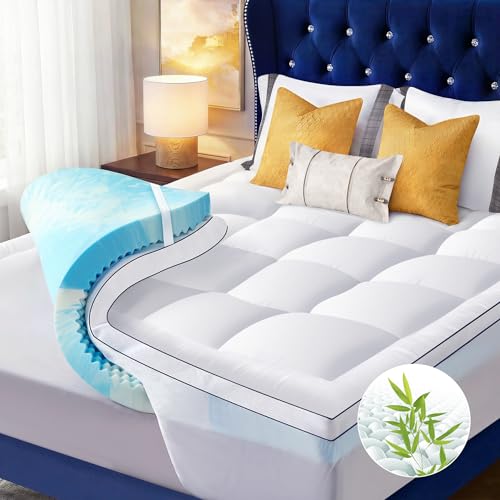
- 2-in-1 Double-Layer Mattress Topper: Featuring a dual-layer structure, designed...
- Relieves Pain & Supports Restful Sleep: The soft mattress topper bottom features...
- Cooling & Breathable: The 4 inch mattress topper fabric contains 40% Viscose...
Biteany Dual Layer Memory Foam Mattress Topper – Best Cooling Option
Featuring a cooling gel foam layer and a soft, knit cover, this topper helps regulate temperature. The washable cover protects the cooling materials from stains and sweat, ensuring long-lasting freshness and performance for hot sleepers.

- GET 2X SUPPORT FROM MATERIAL REVOLUTION! Biteany queen mattress topper combines...
- PAIN-FREE SLEEP, CUSTOMIZES COMFORT! Our queen size mattress topper can...
- STAY COOL & SLEEP SAFE! The cooling mattress topper features a 3D air mesh...
BEDLORE Queen Mattress Topper – Best Value with Easy Care
This affordable topper offers a 2-inch memory foam core with a quilted, removable cover. The easy-to-wash cover provides a soft barrier and simplifies cleaning, making it a practical and value-focused choice for guest beds or everyday use.
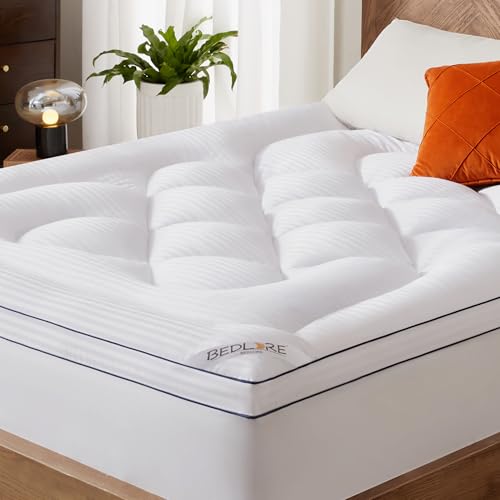
- Improve Sleep Quality: Use polyester fabric and extra thick filler, improve...
- Ultra Soft Improves Comfort: Conforms to the curves and shapes of the body...
- Deep Pocket Design: Elastic deep pockets can accommodate mattresses 6-18 inches...
Conclusion
Establishing a regular washing schedule for your mattress topper cover is fundamental to sleep hygiene and protecting your investment. By The triggers, proper techniques, and maintenance habits, you can extend the life of both the cover and the topper.
The main point is to be proactive. Clean based on your lifestyle needs, always follow care labels, and address spills immediately. A well-maintained cover ensures a cleaner, healthier, and more comfortable sleep environment for years to come.
Frequently Asked Questions about When Should You Wash Your Topper Cover
Can I just spot clean my topper cover instead of washing it?
Spot cleaning is suitable for minor, fresh spills between scheduled washes. It addresses a specific stain without subjecting the entire cover to a wash cycle.
However, it does not replace a full wash. Body oils, sweat, and dust mites accumulate over the entire surface, requiring a complete cleaning to maintain true hygiene and freshness.
What is the best way to dry a waterproof mattress topper cover?
The safest method is to air dry the cover flat or over a clothesline. This prevents any heat damage to the waterproof membrane and elastic.
If using a dryer, select the lowest heat setting or an air-only cycle. Remove the cover while it is still slightly damp to finish air drying, which helps prevent shrinkage and fabric stress.
How do I know if my topper cover is machine washable?
Always check the manufacturer’s care label sewn into the cover. This tag provides the definitive washing and drying instructions for your specific product.
If the label is missing, assume a gentle, cold wash is safest. Look for features like a zipper closure, which often indicates the cover is designed to be removed and washed.
Why should I avoid fabric softener on my topper cover?
Fabric softeners and dryer sheets leave a waxy residue on the fabric. This coating can clog the microscopic pores in breathable, waterproof materials.
This clogging reduces the cover’s ability to allow vapor (like sweat) to escape, making it less breathable. It can also diminish the effectiveness of the moisture barrier over time.
Is it necessary to wash a brand new topper cover before use?
Yes, washing a new cover is highly recommended. This removes any chemical residues, dust, or allergens from the manufacturing and packaging process.
It ensures you are sleeping on a clean surface from the first night. Use a gentle cycle with mild detergent as per the care instructions to preserve the cover’s quality.
What should I do if a spill soaks through the cover onto the topper?
Act immediately by blotting the topper with dry, absorbent towels to draw out as much liquid as possible. Avoid rubbing, as this can push moisture deeper into the filling.
Then, remove the wet cover for washing. Allow the topper itself to air dry completely in a well-ventilated area before putting a clean, dry cover back on to prevent mold growth.