
Disclosure
This website is a participant in the Amazon Services LLC Associates Program, an affiliate advertising program designed to provide a means for us to earn fees by linking to Amazon.com and affiliated sites.
For side sleepers, a mattress topper is essential for pressure relief and spinal alignment. Knowing when to replace it is key to maintaining sleep quality and comfort.
Side sleepers exert concentrated pressure on hips and shoulders, causing toppers to compress faster. This wear directly impacts support and can lead to morning aches.
Is Your Mattress Leaving You with Aching Hips and Shoulders Every Morning?
As a side sleeper, a worn-out mattress topper fails to cushion your pressure points, leading to stiffness and restless nights. The SINWEEK Mattress Topper Twin XL provides targeted, plush support that cradles your hips and shoulders, realigning your spine and eliminating morning pain for truly restorative sleep.
For the relief your body craves, choose: SINWEEK Mattress Topper Twin XL

- GEL MEMORY FOAM MATERIAL: Our memory foam mattress topper readily conforms to...
- MORE COMFORTABLE SLEEP: The gel memory foam material used in our mattresses...
- SOFT BUT NOT FOLDABLE: our mattress is soft, do not roll up and store too long...
Key Signs Your Mattress Topper Needs Replacement
Recognizing the physical and sensory indicators of a worn-out topper is the first step. Side sleepers should perform regular checks for these specific signs of deterioration. Addressing them promptly prevents discomfort and poor sleep posture.
Visible Wear and Physical Changes
Inspect your topper for permanent physical alterations. These changes mean the material can no longer provide its intended support and cushioning. Look for these clear visual cues.
- Persistent Indentations: Deep, permanent body impressions, especially in the hip and shoulder zones, indicate the core support has failed.
- Lumps and Sagging: An uneven surface with lumps or valleys disrupts spinal alignment, a critical concern for side sleepers.
- Thinning and Compression: If the topper feels significantly flatter or less lofty, its pressure-relieving properties are compromised.
Decline in Comfort and Support
How you feel upon waking is a direct report card for your topper’s condition. A noticeable shift in your sleep experience signals it’s time for a change. Pay close attention to these morning sensations.
Waking up with new or worsening aches in your shoulders, hips, or lower back is a primary red flag. Furthermore, if you find yourself tossing and turning more to find a comfortable position, the topper is likely not providing consistent support. The loss of that initial “cloud-like” feeling and a general increase in pressure points confirm the material’s breakdown.
How Topper Material Affects Replacement Timeline for Side Sleepers
The type of material in your topper is the single biggest factor determining its lifespan. Side sleepers place intense, focused pressure on these materials, accelerating wear at different rates. This helps you predict when to start shopping for a replacement.
Lifespan Comparison by Topper Type
Different materials compress and degrade under pressure at varying speeds. This table outlines the typical replacement timeline for side sleepers based on common topper materials.
| Material | Average Lifespan for Side Sleepers | Key Wear Factor |
|---|---|---|
| Memory Foam | 3-5 years | Loses resilience, develops permanent body impressions. |
| Latex (Natural) | 5-7+ years | Highly durable but can eventually oxidize and harden. |
| Polyester Fiberfill | 1-2 years | Flattens and clumps quickly under concentrated pressure. |
| Feather/Down | 2-4 years | Clumps lose loft, leading to uneven support. |
Maximizing Your Topper’s Longevity
You can extend the functional life of your topper with proper care. These proactive steps are especially important for side sleepers to combat accelerated wear. Follow this numbered routine for best results.
- Rotate Regularly: Rotate your topper 180 degrees every 1-2 months to distribute wear from your hips and shoulders more evenly.
- Use a Protector: A high-quality, breathable mattress protector shields the topper from moisture, oils, and dust mites that break down materials.
- Ensure Proper Support: Place your topper on a firm, supportive, and intact mattress. A sagging base will cause the topper to fail prematurely.
Choosing the Right Replacement Topper for Side Sleeping
Once you’ve decided to replace your topper, selecting the correct one is crucial. The ideal replacement must address the unique pressure points and alignment needs of a side sleeping position. This ensures long-term comfort and delays the next replacement cycle.
Critical Features for Side Sleeper Support
Not all toppers are created equal for side sleepers. Prioritize these specific features to find a topper that provides both pressure relief and proper spinal alignment. This targeted approach leads to better sleep and product longevity.
- Contouring Pressure Relief: Look for materials like memory foam or soft latex that cradle the shoulders and hips to alleviate pressure points.
- Adequate Thickness and Density: A topper should be at least 2-3 inches thick with a medium to high density (3-5 lbs/ft³ for foam) to prevent bottoming out.
- Responsive Support: The material must cushion your joints but also push back enough to keep your spine in a neutral, straight line.
Step-by-Step Selection Process
Follow this logical process to narrow down your options and make a confident purchase. This method moves from assessing your needs to evaluating specific products.
- Assess Your Current Mattress: Determine if you need a topper for minor comfort enhancement or major correction of a too-firm surface. This dictates the thickness and softness level.
- Set a Material Priority: Based on the lifespan guide, choose between the contour of memory foam, the bounce of latex, or the plushness of a fiberfill, balancing feel with durability.
- Check Return Policies: Always verify the sleep trial and return policy. The true test of a topper’s suitability happens over several nights in your own bed.
How Often Should a Side Sleeper Replace a Topper?
There is no universal timeline, as it depends heavily on material, quality, and body weight. However, most side sleepers should plan to evaluate their topper every 2-3 years. The physical signs of wear and your comfort level are more reliable indicators than a calendar date.
For example, a heavyweight side sleeper on a standard polyfoam topper may need a replacement in 18 months. Conversely, an average-weight sleeper on a high-density memory foam topper might get 4-5 years of good use. Always let your body and the visible condition of the topper be your guide.
Can I Just Flip My Topper Instead of Replacing It?
Flipping is only a viable solution for two-sided, non-directional toppers, which are rare. Most modern toppers have a single sleeping surface bonded to a base layer. For these, regular 180-degree rotation is the recommended maintenance, not flipping.
- Rotation: Effective for distributing wear from your hips and shoulders across the topper’s surface area.
- Flipping: Usually impossible due to quilted tops or non-skid bottoms. Attempting to flip a one-sided topper will put you on an uncomfortable, non-supportive surface.
What If My New Topper Still Doesn’t Feel Right?
This is a common issue, highlighting the importance of a sleep trial. If pain or discomfort persists after the break-in period (typically 2-3 weeks), the topper is likely not the correct fit for your needs. You may need to adjust the thickness, firmness level, or core material type.
First, ensure you’ve allowed adequate time for your body to adjust and for the topper to fully expand. If problems continue, consult the retailer’s return policy. A persistent ache often means the topper is either too soft, causing hammocking, or too firm, failing to cushion your pressure points adequately.
Environmental and Cost Considerations for Topper Replacement
Replacing a mattress topper involves more than just comfort. Side sleepers should consider the environmental impact of disposal and the long-term cost-effectiveness of their choice. Smart decisions here benefit both your wallet and the planet.
Responsible Disposal of Your Old Topper
Mattress toppers are bulky and often non-recyclable through standard curbside programs. Simply throwing it in the trash contributes to landfill waste. Explore these more sustainable disposal options before replacement.
- Donation: If the topper is clean and has minimal wear, charities, animal shelters, or homeless shelters may accept it.
- Manufacturer Take-Back: Some brands offer recycling or take-back programs when you purchase a new topper; always inquire at the point of sale.
- Specialized Recycling: Search for local waste facilities that accept bulky textiles or foam. While not ubiquitous, these services are growing.
Calculating the True Cost Per Year
The initial price tag is only part of the financial picture. A cheaper topper that lasts one year may be more expensive long-term than a pricier, durable option. Use this simple calculation to assess value.
Cost-Per-Year Formula: Divide the purchase price by the expected lifespan in years. For example, a $150 fiberfill topper lasting 1.5 years costs $100/year. A $300 latex topper lasting 6 years costs $50/year, offering better long-term value and consistent support for pressure points.
Investing in Durability for Side Sleepers
For side sleepers, investing in a durable topper is an investment in sleep quality and future savings. Higher-quality materials withstand concentrated pressure far better, delaying the next replacement cycle. This means fewer purchases and less waste over time.
Prioritize toppers with high-density foams or natural latex cores, even at a higher upfront cost. Their extended lifespan provides better support for your hips and shoulders for many years. This approach is both economically and environmentally smarter for a sleep position known for accelerating wear.
Maintenance Routine to Extend Your Topper’s Life
A proactive care routine can significantly delay the need for a topper replacement. For side sleepers, whose sleep style accelerates wear, consistent maintenance is non-negotiable. This simple regimen protects your investment and maintains optimal comfort.
The Essential Weekly and Monthly Checklist
Incorporate these tasks into your regular cleaning and bedroom upkeep schedule. Consistent care prevents the deep-set grime and wear that permanently damage topper materials.
- Weekly Air-Out: Strip your bed and let the topper air for 30-60 minutes. This reduces moisture buildup from body heat and sweat, which breaks down foam and fibers.
- Monthly Vacuuming: Use an upholstery attachment to gently vacuum the topper surface. This removes dust, dead skin cells, and allergens that can degrade materials.
- Bi-Monthly Rotation: Every two months, rotate your topper 180 degrees. This is critical for side sleepers to distribute pressure from hips and shoulders evenly.
Managing Spills and Stains Immediately
Accidents happen, and prompt action prevents permanent damage and microbial growth. Never soak a mattress topper, as its core is nearly impossible to dry completely. Follow this spot-cleaning protocol instead.
- Blot, Don’t Rub: Use a clean, absorbent cloth to blot up as much liquid as possible. Rubbing pushes the stain deeper into the material.
- Use a Mild Cleaner: Mix a small amount of mild dish soap with cool water. Dampen a cloth with the solution and gently dab the stained area.
- Dry Thoroughly: Blot with a dry cloth, then allow the area to air dry completely before remaking the bed. Use a fan to speed up the process.
Protecting Your Topper from Day One
The most effective maintenance step is prevention. Using a protective barrier from the start is the easiest way to extend lifespan. A high-quality, breathable, and waterproof mattress protector is essential.
This protector shields the topper from sweat, oils, spills, and dust mites—all of which break down materials and cause premature flattening. Ensure the protector is breathable to prevent heat and moisture buildup, which can also compromise foam and latex integrity over time.
When to Repair vs. Replace Your Mattress Topper
Not every issue with a topper necessitates a full replacement. For side sleepers on a budget, when a simple repair is viable can save money. However, it’s crucial to know when a fix is merely a temporary patch for a larger problem.
Scenarios Where Repair Might Be Possible
Some damage is localized and may not affect the overall support structure. In these limited cases, a repair can extend the topper’s useful life by several months. Consider repair only for these specific issues.
- Minor Seam Splitting: A small, localized seam tear can often be stitched closed by hand or with a heavy-duty needle and thread, provided the internal material is intact.
- Small Stain or Odor: Professional fabric cleaning or targeted enzymatic treatments can sometimes resolve localized stains or smells without damaging the core material.
- Localized Compression (Feather/Down): Some feather/down toppers can be professionally re-fluffed to redistribute filling that has clumped in one area.
When Replacement is the Only Solution
For problems related to the core support and pressure relief, repair is not effective. These issues indicate a fundamental failure of the material that a patch cannot fix. Replacement is necessary when you observe the following.
Widespread, deep body impressions or permanent sagging mean the material’s cellular structure has collapsed. This loss of support directly causes hip and shoulder pain for side sleepers. Similarly, if the topper has developed large lumps or an overall uneven surface, it can no longer provide the level, supportive plane needed for spinal alignment.
Making the Cost-Benefit Decision
Evaluate the cost and effort of a potential repair against the price of a new topper and your continued comfort. Ask yourself these key questions before attempting a fix.
- Is the Problem Structural? If the core support is compromised (sagging, collapsed foam), repair is not a viable long-term solution.
- What is the Repair Cost? If professional cleaning or repair costs more than 30-40% of a new, comparable topper, replacement is more economical.
- How Old is the Topper? If it’s near the end of its expected lifespan, a repair only delays the inevitable. Investing in a new one provides immediate and lasting comfort.
Best Recommended Toppers for Side Sleepers
Selecting the right replacement topper is crucial for pressure relief and support. These three options are highly recommended for side sleepers based on material, thickness, and targeted comfort features. Each addresses the unique needs of this sleep position.
SHOUREN 5 Inch Memory Foam Mattress Topper – Best for Deep Contouring
This 5-inch thick memory foam topper offers exceptional pressure relief for hips and shoulders. Its high-density foam provides the deep cradle side sleepers need without bottoming out, making it ideal for very firm mattresses.
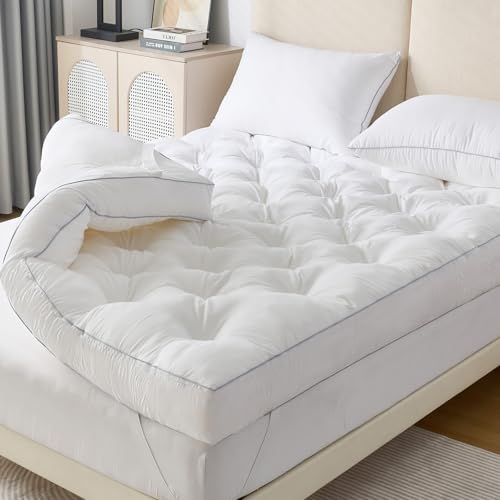
- 【5-Inch Extra Thick Comfort & Support】 SHOUREN mattress topper features a...
- 【Ergonomic Body-Contour Design】 Engineered to naturally fit your body...
- 【Upgraded 4-Way Elastic Anchor Straps】 Equipped with strong elastic straps...
Tempur-Pedic TEMPUR-Adapt + Cooling 3-Inch Twin XL Mattress Topper – Best for Premium Support
Featuring proprietary TEMPUR material, this topper offers superior, responsive contouring. The cooling cover helps regulate temperature, and its 3-inch profile is perfect for those needing significant pressure relief on a supportive base.

- COOLING 3-INCH TWIN XL TOPPER: TEMPUR-Adapt + Cooling topper is ideal for...
- SOFTEST TEMPUR MATERIAL: 3-inches of exclusive TEMPUR-ES Material precisely...
- WASHABLE COOLING COVER: Premium knit cooling cover provides cool-to-the-touch...
SHOUREN Memory Foam Mattress Topper – Best Value Option
A great balance of comfort and affordability, this topper features certified foam and a removable, washable cover. It provides effective pressure point relief and is a solid choice for side sleepers seeking a budget-friendly upgrade.
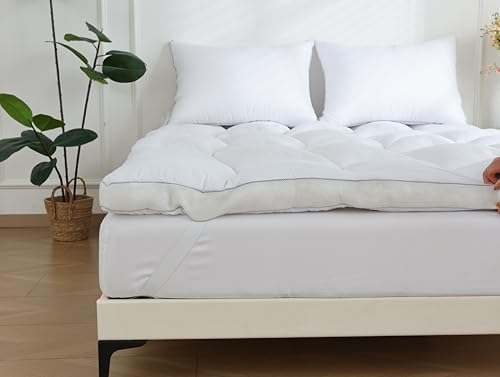
- Memory Foam Mattress Topper Fullf, 3In Thick Plush Gel Foam Bed Topper , Smooth...
Conclusion
For side sleepers, replacing a mattress topper is essential for maintaining proper spinal alignment and pressure relief. The decision should be guided by clear physical signs of wear and a decline in personal comfort, not just a set timeline.
By choosing a durable, supportive material and committing to a regular maintenance routine, you can maximize your topper’s lifespan. Ultimately, investing in a timely replacement is an investment in restorative sleep and long-term physical well-being.
Frequently Asked Questions about When Should Side Sleepers Replace A Topper
What is the most common sign a side sleeper needs a new topper?
Waking up with consistent pain in your shoulders, hips, or lower back is the primary signal. This discomfort indicates the topper can no longer cushion your pressure points effectively.
Visually, look for permanent body indentations where you sleep. These deep impressions mean the material’s supportive structure has collapsed and is failing to keep your spine aligned.
Can a mattress topper fix a sagging mattress for a side sleeper?
A topper can temporarily mask minor firmness issues by adding a comfort layer. However, it cannot correct the structural sag or dip of an old mattress.
Placing a topper on a sagging base will cause the topper itself to fail quickly. The underlying lack of support creates uneven pressure, accelerating wear on the new topper.
How does body weight affect when a side sleeper should replace a topper?
Heavier individuals exert more concentrated pressure on the topper’s material, accelerating compression and wear. A topper may need replacement sooner than the average lifespan suggests.
If you are a heavier side sleeper, prioritize high-density foam or latex toppers (4-5 lb density or higher). These materials offer greater resilience and longevity under increased pressure.
Is it better to replace a topper or buy a new mattress?
Replace the topper if your mattress is structurally sound but feels too firm or has minor comfort issues. A quality topper is a cost-effective way to renew your sleep surface.
If your mattress is over 7-10 years old, sagging, or causing pain even without the topper, invest in a new mattress. A topper cannot fix a broken foundation.
Do cooling toppers wear out faster for side sleepers?
The cooling technology, like gel infusion or phase-change covers, does not directly affect the core material’s durability. Wear is determined by the foam or latex density and quality.
However, a cooling topper must still have a supportive, high-density core. Focus on the material specifications first, then consider cooling features as a secondary comfort benefit.
Should I replace my pillow when I replace my topper?
It is highly recommended, as your pillow and topper work together to maintain spinal alignment. An old, flattened pillow will negate the benefits of a new, supportive topper.
For side sleepers, ensure your new pillow fills the space between your head and shoulder. This keeps your neck in a neutral line with your newly supported spine.