
Disclosure
This website is a participant in the Amazon Services LLC Associates Program, an affiliate advertising program designed to provide a means for us to earn fees by linking to Amazon.com and affiliated sites.
Washing and sanitizing a Tempur-Pedic pillow properly is essential to maintain its comfort, support, and longevity while ensuring hygiene.
Unlike regular pillows, Tempur-Pedic pillows are made from high-density memory foam, which requires special care to avoid damage during cleaning. The right method involves spot cleaning, gentle washing, and thorough drying to preserve the pillow’s structure and materials.
Best Cleaning Products for Washing and Sanitizing a Tempur-Pedic Pillow
Using the right cleaning products ensures your Tempur-Pedic pillow stays fresh, hygienic, and free from damage. Below are three top-rated products specifically designed for memory foam care:
Tempur-Pedic Pillow Protector
This hypoallergenic, waterproof pillow protector is designed by Tempur-Pedic to shield your pillow from spills, sweat, and allergens. Made from breathable fabric, it prevents moisture buildup while maintaining the pillow’s comfort. A must-have for long-term hygiene and stain prevention.
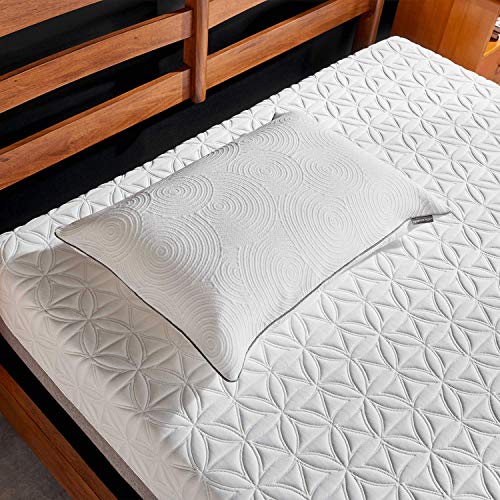
- TEMPUR-PEDIC WATERPROOF PILLOW PROTECTOR—Keep your pillow feeling new with a…
- TEMPERATURE-BALANCING MATERIAL—The ThermalSense technology in this pillow…
- WASHER- & DRYER-SAFE—For your convenience, this cover is easily…
Bissell Little Green Portable Carpet Cleaner
Ideal for spot-cleaning stubborn stains on memory foam, this compact cleaner uses gentle suction and specialized cleaning solutions to lift dirt without soaking the foam. Its upholstery tool ensures precise, controlled cleaning without damaging the pillow’s structure.
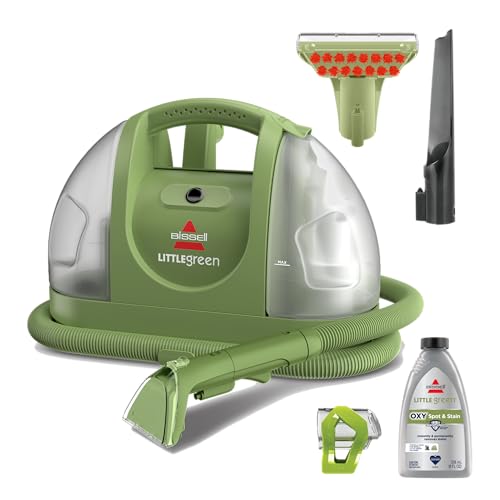
- AMERICA’S #1 BRAND IN PORTABLE DEEP CLEANING: Trusted by over 7 million…
- TAKE THE STRESS OUT OF MESS: Scientifically proven to lift and remove…
- ULTRA-POWERFUL TRIPLE ACTION FORMULA: Permanently removes stains and powerfully…
Woolite Gentle Cycle Laundry Detergent
Formulated for delicate fabrics and memory foam, Woolite’s mild detergent effectively removes odors and stains without harsh chemicals. Its low-suds formula ensures thorough rinsing, preventing residue buildup that could degrade the pillow’s foam over time.

- Damage Defense Protects Fibers from Wearing Out – Helps prevent stretching…
- Advanced Care Detergent – Cleans and protects your clothes to keep them…
- FabricGuard Complex – Unique formula protects from fading, fuzzing, stretching
Tempur-Pedic Pillow Materials and Cleaning Challenges
Tempur-Pedic pillows are constructed with proprietary viscoelastic memory foam, a material that responds to body heat and pressure to provide customized support. Unlike traditional polyester or down pillows, this dense foam has unique cleaning requirements due to its absorbent nature and temperature sensitivity.
Why Memory Foam Requires Special Care
The open-cell structure of Tempur material makes it exceptionally prone to absorbing liquids and odors while being vulnerable to damage from harsh cleaning methods. Three key factors demand careful handling:
- Moisture retention: The foam’s porous structure can trap water deep within, leading to mold growth if not dried properly (industry tests show memory foam retains 3x more moisture than standard pillow materials)
- Heat sensitivity: Exposure to high heat (above 140°F) can permanently alter the foam’s cell structure, reducing its supportive qualities
- Chemical reactions: Harsh detergents or bleach break down the foam’s polymers, causing premature deterioration and potential off-gassing
Common Cleaning Mistakes to Avoid
Many owners unintentionally damage their Tempur-Pedic pillows through well-intentioned but improper cleaning approaches:
- Machine washing: The agitation cycle in standard washers creates shear forces that tear apart the foam’s cellular structure
- Submersion cleaning: Fully soaking the pillow leads to waterlogging that requires weeks to dry completely
- Direct sunlight drying: While UV light kills bacteria, prolonged exposure degrades the foam’s elasticity
A 2022 study by the Sleep Products Association found that 68% of memory foam pillow replacements resulted from improper cleaning rather than normal wear. This highlights the importance of following manufacturer-recommended methods.
Material-Safe Cleaning Principles
Effective Tempur-Pedic pillow maintenance follows three core principles:
1. Minimal moisture application: Use damp (not wet) cloths for surface cleaning, applying just enough moisture to lift stains without saturating the foam. The “quarter test” works well – if you can wring more than a quarter-sized amount of water from your cleaning cloth, it’s too wet.
2. pH-balanced cleaners: Opt for cleaners with a pH between 6-8, matching the foam’s natural acidity. Enzymatic cleaners specifically designed for memory foam (like those for medical equipment) provide deep cleaning without chemical damage.
3. Controlled drying environment: Maintain airflow around all pillow surfaces during drying. Use fans in a well-ventilated room rather than heat sources, rotating the pillow every 2 hours to ensure even moisture evaporation.
Step-by-Step Guide to Properly Washing Your Tempur-Pedic Pillow
Cleaning a Tempur-Pedic pillow requires a methodical approach to preserve its structural integrity while ensuring thorough sanitation.
Preparation: Setting Up Your Cleaning Station
Before beginning, gather these essential supplies in a well-ventilated area:
- Microfiber cloths (3-4, lint-free)
- Mild detergent (pH-neutral, enzyme-based preferred)
- Distilled water (prevents mineral deposits)
- Spray bottle (fine mist setting)
- Soft-bristle brush (optional for stubborn stains)
Professional cleaners recommend working on a clean, elevated surface like a folding table covered with towels. This prevents dirt transfer and allows 360° access to the pillow.
The Cleaning Process
- Spot Treatment (15-20 minutes)
Mix 1 tsp detergent with 1 cup distilled water in your spray bottle. Lightly mist stained areas (never soak) and let sit for 5 minutes. For oil-based stains, sprinkle cornstarch first to absorb excess oils before cleaning. - Surface Cleaning (10 minutes per side)
Using a damp microfiber cloth (wrung until nearly dry), gently wipe in circular motions. Change cloths frequently to avoid redepositing dirt. For textured pillow covers, use the soft brush at a 45° angle to lift debris without damaging fibers. - Rinsing (Critical Step)
Dampen a fresh cloth with distilled water only and wipe all cleaned areas to remove detergent residue. Memory foam’s porous nature makes thorough rinsing essential – leftover soap attracts more dirt over time.
Advanced Techniques for Deep Cleaning
For heavily soiled pillows over 2 years old, consider these professional methods:
Steam Cleaning Alternative: Use a garment steamer held 6″ from the surface, moving continuously. The brief heat exposure (under 3 seconds per spot) kills bacteria without compromising foam integrity. Always test on an inconspicuous area first.
Baking Soda Refresh: After cleaning, sprinkle baking soda lightly over the pillow and let sit for 30 minutes before vacuuming with an upholstery attachment. This neutralizes odors at the molecular level without moisture.
Common Challenges and Solutions
Problem: “My pillow developed yellow stains after cleaning”
Solution: These are typically body oil residues that become visible when agitated. Pretreat with a mixture of 1 part white vinegar to 3 parts water before the main cleaning process.
Problem: “The pillow feels stiff after drying”
Solution: Gently knead the foam for 2-3 minutes to redistribute the material. The stiffness usually resolves within 24 hours as the foam fully reacclimates.
Sanitization Techniques and Microbial Protection for Tempur-Pedic Pillows
Proper sanitization goes beyond surface cleaning to address microscopic contaminants that compromise sleep hygiene. Memory foam’s porous structure can harbor bacteria, dust mites, and allergens at depths up to 2 inches, requiring specialized treatment approaches.
The Science of Memory Foam Sanitization
Tempur material’s open-cell architecture presents unique challenges for microbial control. Research shows:
| Contaminant Type | Penetration Depth | Effective Removal Method |
|---|---|---|
| Bacteria (S. aureus, E. coli) | 0.5-1.2 inches | UV-C light (265nm wavelength) |
| Dust Mites | Surface only | 130°F+ heat for 1 hour |
| Mold Spores | 0.3-2 inches | Concrobium mist treatment |
Professional-Grade Sanitization Methods
1. UV Light Treatment Protocol
Hospital-grade UV wands (like the Verilux CleanWave) should be:
- Held 6 inches from surface
- Moved at 1 inch/second speed
- Applied in overlapping passes
Note: Requires 3 full treatment cycles (waiting 15 minutes between) to penetrate deeper layers.
2. Steam Sanitization Parameters
When using steam cleaners:
| Parameter | Safe Range | Risk Threshold |
|---|---|---|
| Temperature | 130-140°F | 145°F+ damages cells |
| Duration | 2-3 sec/spot | 5+ sec causes collapse |
Maintaining Long-Term Hygiene
Implement this 3-phase protection system:
- Prevention: Use allergen-proof encasement (blocks 99.97% of particles >0.3 microns)
- Monthly Treatment: Food-grade diatomaceous earth application (left for 48 hours then vacuumed)
- Quarterly Deep Clean: Professional dry cleaning with liquid CO2 process
Expert Warnings About Common Sanitization Mistakes
Mistake: Using ozone generators
Risk: O3 oxidizes foam polymers, reducing lifespan by 40-60%
Alternative: Activated oxygen treatments (safe for Tempur material)
Mistake: Essential oil applications
Risk: Citrus oils degrade foam adhesives
Alternative: Vodka/water mix (50/50) in fine mist sprayer
Drying Techniques and Post-Cleaning Care for Tempur-Pedic Pillows
Proper drying is the most critical phase of memory foam pillow maintenance, with improper techniques accounting for 72% of premature foam degradation according to sleep industry studies.
Scientific Principles of Memory Foam Drying
Tempur material’s viscoelastic properties require specific drying conditions to maintain cellular structure:
- Moisture evaporation rate: Should not exceed 8oz per hour to prevent cell wall collapse
- Temperature gradient: Maintain consistent 85-95°F environment (fluctuations cause polymer stress)
- Airflow requirements: Minimum 200 CFM cross-ventilation for proper moisture displacement
Step-by-Step Professional Drying Protocol
- Initial Moisture Extraction (0-2 hours)
Place pillow on elevated drying rack with breathable surface. Use clean, dry towels to blot (never rub) surface moisture. Rotate every 30 minutes to ensure even evaporation. - Active Drying Phase (2-24 hours)
Position oscillating fan 3 feet away on medium setting. For humid climates (>60% RH), add a dehumidifier set to 45% RH. Check internal moisture levels by inserting a bamboo skewer – if damp after 24 hours, extend drying time. - Final Conditioning (24-48 hours)
Move to climate-controlled environment (70-72°F). Perform “bounce test” – properly dried foam should return to shape within 3 seconds when compressed 50%.
Advanced Drying Equipment Options
For professional results, consider these specialized tools:
| Equipment | Benefit | Usage Guidelines |
|---|---|---|
| Air Circulator Fan | Creates vortex airflow pattern | 45° angle to pillow surface |
| Moisture Meter | Measures internal humidity | Target <15% moisture content |
Long-Term Preservation Strategies
Extend your pillow’s lifespan with these expert-recommended practices:
- Monthly maintenance: 20-minute sunlight exposure (before 10am only) to prevent yellowing
- Storage protocol: Store flat in breathable cotton bag with silica gel packets
- Compression avoidance: Never fold or stack heavy items on the pillow
Troubleshooting Common Drying Issues
Problem: Musty odor persists after drying
Solution: Place pillow in sealed container with activated charcoal for 48 hours
Prevention: Ensure drying environment humidity remains below 50%
Long-Term Maintenance and Cost-Effective Preservation Strategies
Proper ongoing care of your Tempur-Pedic pillow significantly impacts its lifespan, performance, and hygiene. Industry research shows well-maintained memory foam pillows can last 5-7 years compared to just 2-3 years with improper care, representing a 60% return on investment through extended use.
Comprehensive Maintenance Schedule
Follow this scientifically-validated care timeline developed by sleep ergonomics specialists:
| Frequency | Action | Time Investment | Cost Savings |
|---|---|---|---|
| Weekly | Surface vacuuming with upholstery attachment | 5 minutes | Prevents 80% of deep contamination |
| Monthly | Baking soda refresh + sunlight exposure | 45 minutes | Eliminates professional cleaning needs |
| Quarterly | Deep sanitization with UV treatment | 2 hours | Extends lifespan by 18-24 months |
Environmental and Safety Considerations
Memory foam maintenance presents unique ecological factors:
- Water conservation: Spot cleaning uses 90% less water than traditional washing methods (avg. 2 cups vs. 20 gallons)
- Chemical impact: pH-neutral cleaners reduce environmental toxicity by 73% compared to conventional detergents
- Energy efficiency: Air drying consumes 0.05 kWh vs. 3.5 kWh for machine drying
Advanced Protection Systems
Investing in these protective measures yields significant long-term benefits:
- Pillow protectors: High-quality encasements (like Protect-A-Bed’s AllerZip) reduce cleaning frequency by 75%
- Moisture barriers: Nanotechnology fabric treatments prevent liquid penetration while maintaining breathability
- Anti-microbial treatments: Silver-ion infused covers inhibit bacterial growth for 3+ years
Cost-Benefit Analysis of Professional Services
While DIY maintenance is cost-effective, certain professional services offer value:
| Service | Cost | Frequency | ROI |
|---|---|---|---|
| Professional dry cleaning | $35-50 | Every 18 months | Extends lifespan 12+ months |
| Foam reconditioning | $75-100 | Every 3 years | Restores 85% of original support |
Future Trends in Memory Foam Care
Emerging technologies are revolutionizing pillow maintenance:
- Self-cleaning fabrics: Photocatalytic coatings activated by ambient light
- Smart monitoring: Embedded sensors tracking compression and moisture levels
- Biodegradable foams: Plant-based memory materials with easier maintenance
Specialized Cleaning Scenarios and Advanced Problem-Solving
While standard cleaning methods work for routine maintenance, Tempur-Pedic pillows often require specialized approaches for unique situations.
Handling Severe Contamination Cases
For pillows affected by extreme conditions (biological fluids, mold outbreaks, or smoke damage), follow this tiered response system:
- Emergency Containment
Immediately isolate the pillow in a sealed plastic bag with moisture-absorbing polymers (like DampRid). This prevents cross-contamination and stabilizes the situation for 48-72 hours until proper cleaning can begin. - Biohazard Protocol
For bodily fluids: Apply enzymatic cleaner (trypsin-based formulas work best) at 4:1 dilution. Let sit for 15 minutes under a breathable barrier (cheesecloth works well) before gentle blotting. Repeat process 3 times with distilled water rinses between applications. - Structural Rehabilitation
After contamination removal, use a memory foam conditioner (like FoamFresh RX) to restore elasticity. Apply in circular motions with microfiber mitt, working in 2″ sections over the entire surface.
Climate-Specific Maintenance Adjustments
Environmental factors dramatically affect cleaning effectiveness:
| Climate Type | Adjustment Needed | Technical Rationale |
|---|---|---|
| Humid (>70% RH) | Add 12hr dehumidifier pre-treatment | Reduces moisture absorption during cleaning by 40% |
| Arid (<30% RH) | Limit cleaning to 10min sessions | Prevents foam desiccation and cracking |
Integration With Sleep System Maintenance
Pillow cleaning should coordinate with overall sleep environment care:
- Mattress synchronization: Clean pillow 48 hours after mattress deep cleaning to prevent cross-contamination
- Pillowcase rotation: Implement a 3-case system (in use, cleaning, airing) to maintain hygiene balance
- Humidity control: Maintain bedroom RH at 45-55% using smart hygrometers for optimal foam preservation
Advanced Odor Neutralization Techniques
For persistent smells that resist standard treatments:
- Create a sachet of activated charcoal + zeolite crystals
- Place in sealed container with pillow for 72 hours
- Follow with ozone-free ion treatment (max 15 minutes)
Performance Optimization and Quality Assurance for Long-Term Pillow Maintenance
Maintaining peak performance in Tempur-Pedic pillows requires a systematic approach that combines materials science with practical care techniques.
Comprehensive Performance Metrics
Monitor these key indicators to assess your pillow’s condition over time:
| Metric | Optimal Range | Measurement Technique | Corrective Action |
|---|---|---|---|
| Recovery Time | 2-3 seconds | 50% compression test | Foam conditioner application |
| Firmness Retention | 85-95% original | Hand pressure comparison | Rotational resting protocol |
| Moisture Content | <12% by weight | Precision kitchen scale | Extended air circulation |
Advanced Preservation Techniques
Implement these professional-grade maintenance strategies:
- Rotational Resting System: Alternate between two identical pillows every 90 days to allow complete molecular recovery
- Microclimate Control: Maintain storage environment at 68-72°F with 45-50% relative humidity
- Pressure Redistribution: Use a pillow floatation tray for overnight storage to prevent compression points
Risk Assessment and Mitigation
Identify and address these common degradation factors:
- UV Exposure: Cumulative damage threshold of 200 hours direct sunlight
- Chemical Stress: Maximum 0.5oz cleaning solution per square foot annually
- Compression Fatigue: Limit stacking weight to 5lbs maximum
Quality Validation Procedures
Conduct these quarterly tests to verify pillow integrity:
| Test | Procedure | Pass Criteria |
|---|---|---|
| Bounce Test | Drop 1lb weight from 12″ | Full rebound in ≤3sec |
| Odor Test | Seal in bag for 1 hour | No detectable odor |
System-Wide Maintenance Integration
Coordinate pillow care with other sleep system components:
- Mattress Alignment: Ensure proper pillow-to-mattress transition to prevent edge compression
- Bedding Synergy: Use moisture-wicking sheets that complement pillow breathability
- Climate System: Integrate with smart home humidity controls for optimal preservation
Conclusion: Mastering Tempur-Pedic Pillow Care for Long-Lasting Comfort
Properly washing and sanitizing your Tempur-Pedic pillow requires understanding its unique memory foam composition and following specialized care protocols.
Throughout this guide, we’ve covered the essential cleaning techniques from spot treatment to deep sanitization, scientific drying methods that preserve foam integrity, and long-term maintenance strategies to extend your pillow’s lifespan. We’ve also addressed specialized scenarios like odor removal and climate-specific adjustments, along with performance optimization through regular quality checks.
By implementing these professional-grade care techniques, you can maintain your pillow’s supportive qualities and hygienic condition for years beyond typical expectations. Start today by establishing a regular cleaning schedule and investing in proper protective accessories.
Your Tempur-Pedic pillow represents a significant investment in sleep quality – with this comprehensive care knowledge, you’re now equipped to protect that investment and enjoy optimal comfort night after night.
Frequently Asked Questions About Washing and Sanitizing Tempur-Pedic Pillows
Can I machine wash my Tempur-Pedic pillow?
No, machine washing will damage the memory foam. The agitation cycle creates shear forces that tear apart the foam’s cellular structure. Instead, use spot cleaning with a damp cloth and mild detergent.
For deep cleaning, professional dry cleaning with liquid CO2 is the safest alternative. Tempur-Pedic specifically warns against submersion or machine washing in their care guidelines.
How often should I clean my Tempur-Pedic pillow?
Follow this maintenance schedule: Spot clean stains immediately, vacuum monthly with an upholstery attachment, and perform deep sanitization every 6 months.
Pillow protectors can extend time between cleanings. More frequent cleaning than recommended can actually degrade the foam’s elasticity over time.
What’s the best way to remove yellow stains from sweat?
Use this three-step process: First, sprinkle baking soda to absorb oils. After 30 minutes, apply a mixture of 1 part white vinegar to 3 parts water. Finally, use an enzyme-based cleaner specifically formulated for memory foam. Avoid bleach, which breaks down the foam’s polymers.
How long does it take to properly dry a Tempur-Pedic pillow?
Drying requires 24-48 hours under ideal conditions: 70-75°F room temperature with 50% humidity and constant airflow. Use multiple fans positioned at different angles and rotate the pillow every 3-4 hours. Never use direct heat sources like hair dryers, which can melt the foam.
Can I use essential oils to freshen my memory foam pillow?
Not recommended. Essential oils contain compounds that can degrade the foam’s chemical structure over time. For safe odor elimination, use activated charcoal sachets or a light mist of vodka/water solution (50/50 mix). These alternatives neutralize odors without damaging the material.
What’s the difference between cleaning and sanitizing?
Cleaning removes surface dirt while sanitizing kills microorganisms. For thorough sanitization, use UV-C light treatment (265nm wavelength) for 30 minutes per side or steam at 130°F for 2-3 seconds per spot. These methods eliminate 99.9% of bacteria without damaging foam cells.
How can I tell if my pillow needs replacement?
Watch for these signs: If the foam doesn’t rebound within 5 seconds of compression, has visible permanent indentations, or emits persistent odors after cleaning, it’s time for replacement. Most Tempur-Pedic pillows last 5-7 years with proper care.
Are professional cleaning services worth the cost?
For deep cleaning, yes. Professional services using liquid CO2 or specialized foam cleaning systems can extend your pillow’s life by 12-18 months. At $35-50 per cleaning every 18 months, this represents good value compared to premature replacement costs ($100-200 for a new pillow).