
Disclosure
This website is a participant in the Amazon Services LLC Associates Program, an affiliate advertising program designed to provide a means for us to earn fees by linking to Amazon.com and affiliated sites.
There is a right way to clean your duvets and pillows—and getting it wrong can lead to odors, allergens, or even damage. Many people assume tossing bedding into the washer is enough, but improper techniques can ruin delicate fabrics or trap moisture.
With dust mites, sweat, and oils accumulating over time, your cozy sanctuary might secretly harbor grime. The good news? A few expert-backed steps can restore freshness and extend your bedding’s life.
Whether you’re battling stubborn stains or prepping for seasonal storage, this guide reveals proven methods to keep your duvets and pillows hygienic, fluffy, and hotel-quality clean.
Best Cleaning Products for Duvets and Pillows
Persil Advanced Odor Fighter Liquid Laundry Detergent
This powerful yet gentle detergent tackles sweat, oils, and odors without harsh chemicals. Its enzyme-based formula breaks down deep-set stains while preserving fabric integrity, making it ideal for down-filled duvets and memory foam pillows. Safe for high-efficiency (HE) machines.
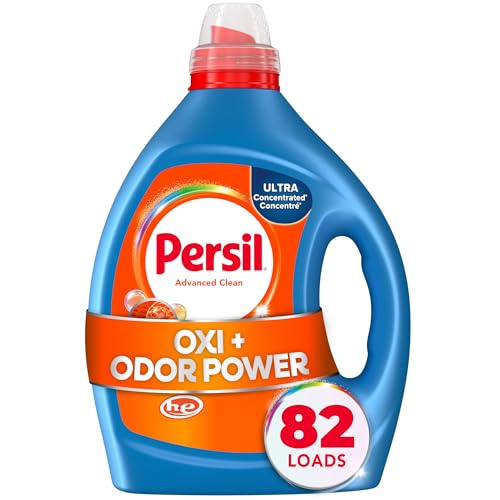
- With powerful Persil liquid laundry detergent, get a premium deep clean with…
- Persil Advanced Clean Oxi+Odor Power contains powerful stain fighting enzymes…
- Persil Advanced Clean Oxi+Odor Power laundry detergent has fabric protection…
Woolite Delicates Liquid Laundry Detergent
Specially designed for delicate fabrics, Woolite prevents shrinking and fiber damage in duvet covers and pillowcases. Its pH-balanced formula is color-safe and effective in cold water, ensuring thorough cleaning without compromising the loft of down or microfiber fillings.
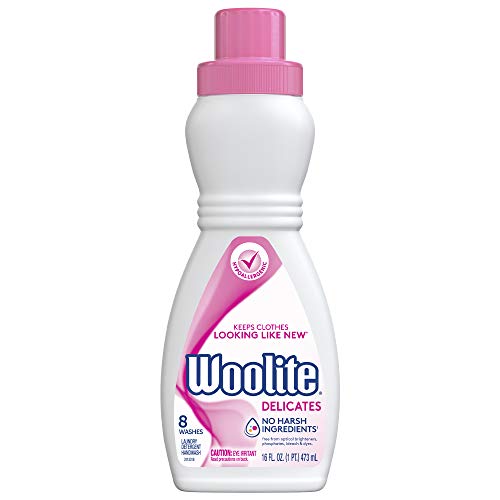
- Protects Delicate Fabrics – Protects silk, wool, and other fine materials from…
- Prevents Shrinking and Stretching – Helps maintain fabric shape and texture…
- Safe for Hand and Machine Wash – Gentle formula ideal for both handwashing and…
Bissell Little Green Portable Carpet Cleaner
Perfect for spot-cleaning stained pillows or mattress toppers, this compact cleaner combines suction and gentle scrubbing. The upholstery tool removes spills and allergens without overwetting, and its compact size makes it easy to store. Includes a trial-size cleaning solution.
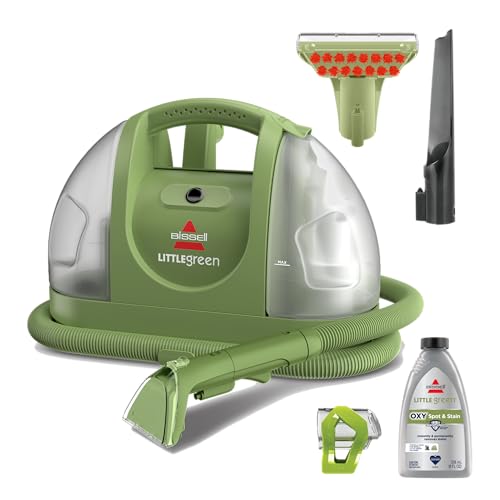
- AMERICA’S #1 BRAND IN PORTABLE DEEP CLEANING: Trusted by over 7 million…
- TAKE THE STRESS OUT OF MESS: Scientifically proven to lift and remove…
- ULTRA-POWERFUL TRIPLE ACTION FORMULA: Permanently removes stains and powerfully…
Fabric Types and Their Cleaning Requirements
Before tossing your duvet or pillow into the washer, it’s crucial to identify the fabric type—each material has unique care needs that, if ignored, can lead to shrinkage, clumping, or permanent damage.
Natural fibers like down and cotton behave differently from synthetic fills such as polyester or memory foam. For example, down requires gentle handling to maintain loft, while memory foam can’t be fully submerged in water. Always check the manufacturer’s care label first; it specifies whether machine washing, dry cleaning, or spot cleaning is recommended.
Natural Fiber Bedding: Down and Feather
Down-filled duvets and pillows offer superior warmth but demand careful cleaning to prevent clumping. Use a mild detergent (like Woolite Delicates) and cold water to avoid stripping natural oils.
For agitation, select the “delicate” cycle and add tennis balls or dryer balls to break up clumps during drying. A common mistake is overheating—down loses its insulating properties at high temperatures. Instead, tumble dry on low heat for 2–3 hours, checking periodically for dampness.
Synthetic Fill: Polyester and Memory Foam
Polyester-filled bedding is more forgiving but can trap odors if not cleaned properly. Use warm water and a detergent with enzymes (like Persil ProClean) to break down sweat and oils. Memory foam pillows, however, should never be machine-washed—the absorbent material can retain water, leading to mold. Instead:
- Spot-clean stains with a mix of baking soda and water
- Deodorize by sprinkling baking soda, then vacuuming after 30 minutes
- Air-dry completely in sunlight to kill bacteria
Fabric Covers: Cotton, Linen, and Bamboo
Removable covers often require separate care. Cotton and linen tolerate warm water but may shrink if dried on high heat. Bamboo blends, prized for breathability, need cold water to prevent pilling.
For stubborn stains on white covers, pre-soak in oxygen bleach (never chlorine, which weakens fibers). Always iron covers while slightly damp to smooth wrinkles without scorching.
Pro Tip: Test any cleaning method on an inconspicuous area first. Colors and weaves can react unpredictably to detergents or agitation, especially in older bedding.
Step-by-Step Guide to Machine Washing Your Duvet and Pillows
Proper machine washing requires more than just tossing bedding in with detergent. The process differs significantly between duvets and pillows, and getting it wrong can lead to unbalanced loads or inadequate cleaning. Follow this professional approach to ensure thorough yet safe cleaning.
Pre-Wash Preparation
Begin by checking for rips or loose seams that could worsen during washing. For duvets, remove the cover and wash it separately – this allows deeper cleaning of both components.
Shake pillows vigorously to redistribute filling and check weight limits; most home machines handle up to 15 lbs comfortably. If your king-size duvet exceeds this, visit a laundromat with commercial-sized machines.
Loading and Detergent Selection
Load items one at a time to prevent overcrowding. Use a front-loading machine if possible, as the tumbling action cleans more gently than top-loader agitators. For detergent:
- Down-filled items: 1/4 cup mild liquid detergent (avoid powders that may clump)
- Synthetic fills: 1/2 cup enzymatic detergent for odor removal
- Hypoallergenic needs: Add 1 cup white vinegar during rinse cycle
Cycle Selection and Execution
Set the machine to:
- Delicate cycle with cold water for down/feather items
- Gentle cycle with warm water (max 104°F) for synthetics
- Extra rinse option to ensure all detergent residue is removed
For heavily soiled items, pause the cycle after 10 minutes to redistribute the load evenly. This prevents the machine from becoming unbalanced during spin cycles, which can cause excessive vibration and incomplete cleaning.
Professional Drying Techniques
Transfer items immediately to prevent mildew. For down products, add 3-4 clean tennis balls to break up clumps. Set dryer to:
- Low heat (under 120°F) for natural fills
- Medium heat for synthetic fills
- Air fluff cycle every 30 minutes to check progress
Pro Tip: Drying may take 3-4 hours. Stop periodically to hand-fluff stubborn clumps – this prevents hot spots that could melt synthetic fibers or scorch natural ones.
Specialized Cleaning Methods for Stubborn Stains and Odors
When standard washing fails to address deep-set stains or persistent odors, specialized techniques become essential. Different types of stains require targeted approaches based on their chemical composition and how they interact with bedding materials.
Protein-Based Stain Removal (Blood, Sweat, Bodily Fluids)
Protein stains require cold water treatment – heat causes them to coagulate and bind tighter to fibers. Create an enzymatic paste using:
- 1 tablespoon meat tenderizer (contains protease enzymes)
- 2 tablespoons hydrogen peroxide (3% solution)
- 1 teaspoon liquid dish soap
Apply to the stain, let sit for 30 minutes, then blot (never rub) with a clean white cloth. For older stains, repeat the process before washing.
Oil-Based Stain Solutions (Makeup, Food Grease)
These hydrophobic stains respond best to solvent-based treatments. Make a cleaning solution with:
| Ingredient | Purpose | Application |
|---|---|---|
| Cornstarch | Absorbs surface oil | Dust on stain, wait 1 hour |
| Dawn dish soap | Breaks down grease | Apply directly, gently massage |
| Rubbing alcohol | Dissolves waxy residues | Dab with cotton ball |
Advanced Odor Elimination Techniques
For persistent smells from mildew or body oils, use a three-phase approach:
- Oxidation: Spray with 50/50 white vinegar/water solution
- Absorption: Coat with baking soda, leave overnight
- Sanitization: Finish with a vodka spray (kills odor-causing bacteria)
Professional Insight: Always work from the stain’s outer edge inward to prevent spreading. For colored bedding, test solutions on hidden seams first. Never mix cleaning agents (like vinegar and bleach) as this can create toxic fumes.
Special Considerations for Antique or Heirloom Bedding
Vintage linens require extra care due to fiber degradation. Use these specialized methods:
- Yellowing reversal: Soak in oxygen bleach (not chlorine) with 1 tbsp blueing agent
- Fiber strengthening: Add 1 cup Epsom salt to rinse water
- Hand washing: Use a bathtub with lukewarm water and mild soap
Remember that some antique stains may be permanent – consult a textile conservator for valuable pieces rather than risking damage with home treatments.
Professional Drying and Fluffing Techniques for Optimal Results
Proper drying is just as critical as washing when it comes to maintaining your bedding’s quality and longevity. The drying process affects everything from loft and softness to microbial growth prevention and fiber integrity.
Temperature and Timing Considerations
Different filling materials require specific drying approaches:
- Down/Feather: Low heat (under 120°F) with 3-4 drying cycles of 45 minutes each. The intermittent cooling prevents overheating while allowing proper loft development.
- Memory Foam: Air drying only – place near a dehumidifier with good airflow. Rotate every 2 hours to prevent moisture buildup (takes 24-48 hours).
- Polyester: Medium heat (135-150°F) with moisture sensor setting. Stop when slightly damp to prevent over-drying that causes brittleness.
The Science of Proper Fluffing
Effective fluffing redistributes filling evenly and prevents cold spots that lead to incomplete drying. Professional techniques include:
- Manual Redistribution: Every 30 minutes, reach into pillow corners and duvet baffles to pull apart clumps
- Tennis Ball Method: Use 3-4 new, clean tennis balls in dryer to break up clusters without damaging fibers
- Reverse Hanging: For down items, hang upside down overnight after drying to allow final settling
Moisture Testing and Quality Control
To ensure complete dryness:
| Test Method | Proper Result | Warning Signs |
|---|---|---|
| Hand Squeeze Test | No moisture felt in center | Coolness or damp spots |
| Weight Comparison | Returns to pre-wash weight | Heavier than original |
| Odor Check | Fresh, neutral smell | Musty or sour notes |
Professional Tip: For down products, perform the “shake test” after drying – a properly dried duvet will have uniform distribution with no visible clumps when shaken vigorously.
Special Situations and Troubleshooting
Address common drying challenges with these solutions:
- Persistent Dampness: Place items in a room with a dehumidifier for 12 hours before re-drying
- Over-dried Fibers: Toss with a damp towel for 10 minutes to restore moisture balance
- Uneven Loft: Use a upholstery brush to gently redistribute filling before final drying cycle
Remember that proper drying isn’t just about removing moisture – it’s about restoring the item’s structural integrity and comfort properties through controlled thermal and mechanical processes.
Long-Term Care and Maintenance Strategies for Bedding Longevity
Proper cleaning is just one component of extending your bedding’s lifespan. Implementing comprehensive care routines can preserve your duvet’s and pillows’ performance for years while maintaining hygiene and comfort.
Seasonal Maintenance Schedule
A structured approach prevents premature wear and allergen buildup:
| Frequency | Action | Purpose |
|---|---|---|
| Weekly | Air out for 2 hours in sunlight | UV rays naturally disinfect |
| Monthly | Vacuum with upholstery attachment | Removes dust mites and debris |
| Quarterly | Deep clean following fabric guidelines | Prevents oil and sweat buildup |
| Seasonally | Rotate and flip pillows/duvets | Even wear distribution |
Advanced Protection Methods
Professional-grade preservation techniques include:
- Barrier Protection: Use allergen-proof covers (minimum 2.4 micron pore size) beneath decorative covers
- pH Balancing: Annual treatment with textile conditioner prevents fiber degradation
- Humidity Control: Maintain 40-50% RH to prevent mold while avoiding excessive dryness
Cost-Benefit Analysis: Professional vs. Home Care
Consider these factors when deciding care methods:
| Factor | Professional Cleaning | Home Care |
|---|---|---|
| Cost | $50-$150 per item | $5-$20 in supplies |
| Frequency | Every 12-18 months | Every 3-6 months |
| Effectiveness | Industrial-grade sanitization | Better for maintenance |
Environmental and Safety Considerations
Modern cleaning approaches balance efficacy with sustainability:
- Water Conservation: Front-loading machines use 40% less water than top-loaders
- Eco-Detergents: Look for EPA Safer Choice certification
- Microfiber Pollution: Use washing bags for synthetic fills to capture shedding fibers
Future Trends: Emerging technologies like ozone cleaning and probiotic-based detergents offer promise for deeper sanitization without harsh chemicals. Smart bedding with moisture-wicking and antimicrobial properties may reduce cleaning frequency while maintaining hygiene.
Specialized Cleaning Solutions for Allergy and Asthma Sufferers
For individuals with respiratory sensitivities, standard cleaning methods often prove insufficient. Bedding requires targeted approaches to eliminate allergens while preserving fabric integrity and sleep comfort.
Allergen Elimination Protocol
Effective allergen reduction requires a multi-phase approach:
- Encasement: Install zippered, breathable allergen covers (pore size ≤6 microns) before washing
- Pre-treatment: Apply a solution of 1 cup baking soda + 10 drops tea tree oil to neutralize proteins
- Wash Cycle: Use water heated to 130-140°F for 15 minutes to kill dust mites (check fabric tolerance first)
- Final Rinse: Add 1 cup white vinegar to dissolve residual allergens and detergent
Advanced Equipment Recommendations
Specialized tools enhance allergen removal:
| Tool | Specification | Benefit |
|---|---|---|
| HEPA Vacuum | ≥99.97% @ 0.3 microns | Removes 98% of surface allergens |
| Steam Cleaner | ≥200°F output | Kills mites without chemicals |
| UV Sanitizer | 254nm wavelength | Destroys microbial allergens |
Hypoallergenic Maintenance Schedule
For optimal results, follow this intensive routine:
- Daily: Air out bedding for 30 minutes (sunlight preferred)
- Weekly: Vacuum both sides with HEPA attachment
- Bi-weekly: Steam treat (avoiding direct moisture on down)
- Monthly: Full wash cycle with allergen-specific detergent
Troubleshooting Common Issues
Address these frequent challenges:
- Persistent Sneezing: Replace down/feather with hypoallergenic microfiber
- Chemical Sensitivity: Use fragrance-free detergents and double rinse
- Mold Concerns: Add moisture-wicking mattress pads beneath bedding
Professional Insight: The Asthma and Allergy Foundation recommends washing bedding in 130°F water weekly for significant symptom reduction. However, always verify your fabric’s heat tolerance first – some synthetic fills degrade above 120°F.
Commercial vs. Residential Cleaning: Professional Insights for Optimal Results
Understanding the fundamental differences between home and professional cleaning methods is crucial for achieving salon-quality results with your bedding. This comprehensive analysis reveals the technical distinctions and when each approach is most appropriate.
Equipment and Process Comparison
| Feature | Home Cleaning | Commercial Cleaning |
|---|---|---|
| Water Extraction | 50-60% moisture retention | 90-95% extraction (industrial centrifuges) |
| Temperature Control | ±10°F variance | ±2°F precision (computer-controlled) |
| Chemical Penetration | Surface-level cleaning | Deep fiber penetration (pressure-injection systems) |
When to Choose Professional Service
Consider commercial cleaning for these scenarios:
- High-Value Items: Down comforters over $300 or heirloom pieces
- Specialty Fabrics: Silk-filled duvets or wool batting
- Severe Contamination: Flood damage or persistent mold issues
- Allergy Requirements: Medical-grade sanitization needs
Optimizing Home Cleaning Performance
Bridge the quality gap with these professional techniques:
- Pre-Soak: Submerge in bathtub with oxygen bleach for 4 hours
- Modified Spin Cycle: Run two consecutive spins to maximize water removal
- Staged Drying: Alternate between 30-minute dryer cycles and air fluffing
- Final Inspection: Use black light to detect residual organic matter
Quality Assurance Protocols
Implement these verification steps regardless of cleaning method:
- Fiber Integrity Test: Check for pilling or breakage under magnification
- pH Testing: Verify neutral 7.0-7.4 range with litmus strips
- Loft Measurement: Compare pre/post-cleaning thickness with calipers
- Odor Assessment: Conduct blind smell test after 24-hour rest period
Professional Recommendation: For most residential needs, a hybrid approach works best – professional cleaning every 18-24 months supplemented with meticulous home care. This balances cost with preservation while maintaining optimal hygiene standards.
Conclusion
Proper duvet and pillow maintenance requires understanding fabric types, specialized cleaning methods, and long-term care strategies. From selecting the right detergents to mastering professional drying techniques and allergen elimination, each step impacts your bedding’s longevity and hygiene.
Whether tackling stubborn stains or deciding between home and commercial cleaning, the right approach preserves comfort while ensuring cleanliness.
Remember that consistent care—following fabric-specific guidelines and implementing preventive measures—can extend your bedding’s life by years. Put these expert techniques into practice today to transform your sleep sanctuary into a fresh, hygienic retreat that looks and feels like new.
Frequently Asked Questions About Cleaning Duvets and Pillows
How often should I clean my duvet and pillows?
Most bedding experts recommend washing duvets every 2-3 months and pillows every 3-6 months. However, allergy sufferers should clean them monthly, while those in humid climates may need to wash more frequently.
Down items require less frequent cleaning (3-4 times yearly) than synthetic fills. Always consider usage patterns – if you sweat heavily or eat in bed, increase cleaning frequency by 30-50%.
Can I put memory foam pillows in the washing machine?
Never machine wash memory foam – the absorbent material retains water, leading to mold growth and structural damage. Instead, spot clean stains with mild soap and water, then air dry completely.
For odors, sprinkle baking soda, let sit for 30 minutes, then vacuum. Consider using a removable, washable cover for easier maintenance of memory foam pillows.
Why does my down duvet smell worse after washing?
This usually indicates improper drying. Down traps moisture easily, creating a breeding ground for bacteria. Ensure you:
1) Use tennis balls to break up clumps,
2) Dry on low heat for 3+ hours, and
3) Check for damp spots in baffle seams.
Adding 1 cup white vinegar to the rinse cycle helps neutralize odors. If the smell persists, professional cleaning may be necessary.
What’s the best way to remove yellow sweat stains from pillows?
Create a paste of 3 tablespoons hydrogen peroxide, 1 tablespoon baking soda, and 1 teaspoon dish soap. Apply to stains, let sit for 1 hour, then wash in cold water.
For stubborn stains, pre-soak in oxygen bleach (not chlorine) for 4 hours. Always check fabric colorfastness first. Prevent future stains by using pillow protectors and washing pillowcases weekly.
Is dry cleaning better than washing for delicate duvets?
Dry cleaning preserves delicate fabrics but has drawbacks:
1) Harsh chemicals may damage down’s natural oils,
2) Doesn’t remove dust mites effectively, and
3) Costs 3-5x more than home washing.
For silk or wool duvets, seek “wet cleaning” specialists who use water-based methods. Most modern down alternatives can be safely machine washed following label instructions.
How can I tell if my pillows need replacing rather than cleaning?
Check these signs:
1) Lumps that don’t redistribute after washing/drying,
2) Visible thinning or flattening (fold in half – if it stays folded, replace),
3) Persistent odors after thorough cleaning, or
4) Allergy symptoms worsening despite cleaning.
Most pillows last 2-3 years with proper care. Memory foam pillows typically last longer (3-5 years) if maintained correctly.
What’s the most eco-friendly way to clean bedding?
Opt for:
1) Cold water washes (saves energy),
2) Plant-based detergents (look for EPA Safer Choice certification),
3) Air drying when possible (reduces carbon footprint by 75%), and
4) Spot cleaning instead of full washes for minor stains.
Front-loading machines use 40% less water than top-loaders. Consider wool dryer balls instead of disposable dryer sheets.
Can I use bleach on white duvet covers?
Chlorine bleach weakens fibers over time and damages down feathers. Instead, use oxygen bleach (sodium percarbonate) for whitening:
1) Add 1/2 cup to warm water,
2) Soak for 6 hours,
3) Wash normally.
For disinfecting, hydrogen peroxide is safer. Always test on hidden seams first, and never mix bleach types – this creates toxic fumes.