
Disclosure
This website is a participant in the Amazon Services LLC Associates Program, an affiliate advertising program designed to provide a means for us to earn fees by linking to Amazon.com and affiliated sites.
The ideal temperature for better sleep is between 60-67°F (15.5-19.5°C), according to sleep scientists. But here’s the catch: most people don’t realize how drastically a few degrees can sabotage their rest. You might invest in expensive mattresses or blackout curtains, but if your room is too warm or cold, you’ll still toss and turn.
Why does this matter? Your body’s core temperature must drop by 1-2°F to initiate sleep—a biological process disrupted by improper room conditions. Imagine waking up refreshed instead of groggy, all by adjusting your thermostat. This guide reveals the science of sleep temperature, debunks myths, and provides actionable steps to transform your sleep quality tonight.
Best Thermostats for Optimal Sleep Temperature
Google Nest Learning Thermostat (3rd Gen)
This smart thermostat learns your sleep schedule and automatically adjusts the temperature to stay within the ideal 60-67°F range. Its Sleep Sensing feature uses motion and humidity sensors to optimize comfort, and it integrates seamlessly with other smart home devices.
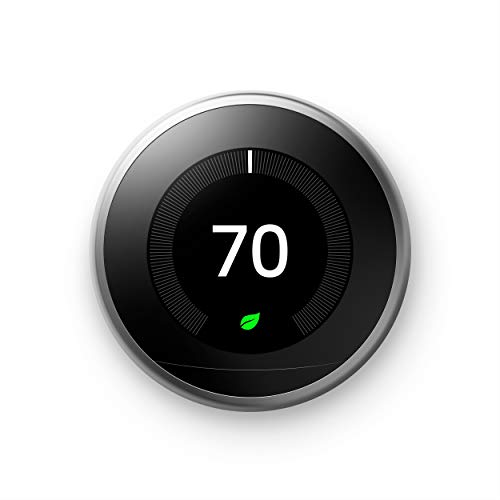
- No more programming: With Auto-Schedule, the Google Nest Learning Thermostat…
- Home/Away Assist: don’t heat or cool an empty home. Home/Away Assist adjusts the…
- Remote control: Control your thermostat from anywhere using the Nest app.
Ecobee SmartThermostat Enhanced
Equipped with room sensors, the Ecobee SmartThermostat ensures your bedroom stays at the perfect temperature for sleep, even if other rooms fluctuate. Its Smart Recovery feature gradually cools or warms your room before bedtime, preventing abrupt temperature changes.
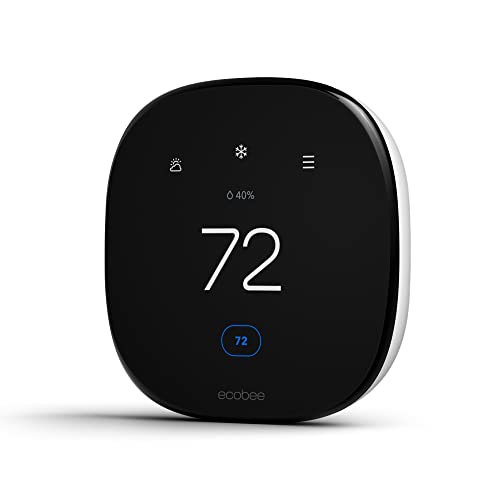
- Save up to 26% per year on heating and cooling costs Automatically adjusts the…
- Compatible with 90% of systems so check your system’s compatibility with our…
- Built-in radar occupancy preheats or precools your home before you arrive so…
Honeywell Home T9 WiFi Smart Thermostat
With geofencing technology, the Honeywell T9 adjusts the temperature based on whether you’re home or away. Its Adaptive Recovery feature ensures your bedroom reaches the ideal sleep temperature by bedtime, and it works with Alexa and Google Assistant for voice control.
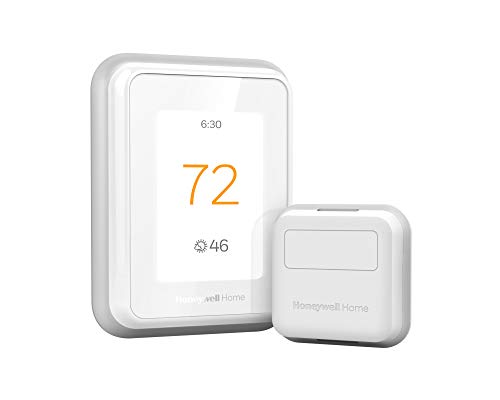
- SAVE MONEY AND ENERGY. Adjust your ENERGY STAR certified thermostat from…
- LIVE AND SLEEP SMARTER. Choose the temperature in a specific room, like the…
- AMAZING SENSOR RANGE. The battery powered Smart Room Sensors utilize unique…
Why Temperature Matters for Sleep Quality
Your body follows a natural circadian rhythm that regulates sleep-wake cycles, and temperature plays a crucial role in this process. As bedtime approaches, your core temperature drops by 1-2°F to signal the production of melatonin, the sleep hormone.
If your room is too warm (above 70°F), your body struggles to cool down, delaying sleep onset and reducing deep sleep stages. Conversely, temperatures below 60°F can cause shivering, forcing your body to generate heat instead of resting.
The Science of Thermoregulation and Sleep
Thermoregulation—your body’s ability to maintain its core temperature—directly impacts sleep architecture. For example:
- Stage 1 (Light Sleep): A cooler environment helps transition you from wakefulness to sleep faster.
- Stage 3 (Deep Sleep): Your body’s temperature drops further, and a room at 65°F supports this critical restorative phase.
- REM Sleep: Your body temporarily loses the ability to regulate temperature, making external conditions even more important.
Common Misconceptions About Sleep Temperature
Many believe a warm, cozy room is best for sleep, but this can backfire. For instance:
- Heavy Blankets ≠ Better Sleep: While weighted blankets reduce anxiety, overheating under them can fragment sleep cycles.
- “I Sleep Hot, So Colder Is Better”: Excessively cold rooms (below 55°F) may trigger wakefulness as your body fights to stay warm.
Practical Adjustments for Ideal Sleep Conditions
To optimize your sleep environment:
- Pre-Cool Your Bedroom: Set your thermostat to 65°F 30–60 minutes before bed to mimic natural temperature drops.
- Use Breathable Bedding: Materials like Tencel or moisture-wicking cotton help dissipate heat.
- Monitor Humidity: Aim for 30–50% humidity—too much moisture slows sweat evaporation, while dry air irritates airways.
Real-world example: A 2022 study in the Journal of Sleep Research found participants sleeping at 66°F experienced 20% more deep sleep than those at 75°F. Small adjustments yield measurable results.
How to Find Your Personal Ideal Sleep Temperature
While the general recommendation of 60-67°F works for most people, your personal ideal sleep temperature depends on several biological and environmental factors. Finding your perfect range requires understanding these variables and making systematic adjustments.
Factors That Influence Your Sleep Temperature Needs
Your body’s temperature requirements are affected by:
- Age: Older adults (65+) often prefer slightly warmer temperatures (68-70°F) due to reduced circulation
- Gender: Women typically need about 2-3°F warmer than men due to hormonal differences
- Sleepwear and Bedding: A flannel pajama wearer might need 5°F cooler than someone sleeping nude
- Metabolism: Fast metabolisms generate more body heat, requiring cooler environments
The 7-Day Temperature Experiment
To scientifically determine your ideal sleep temperature:
- Start at 67°F: Use this as your baseline for the first night
- Adjust by 1°F nightly: Move cooler or warmer based on how you feel
- Track sleep quality: Use a sleep tracker or journal to record awakenings and morning freshness
- Note environmental factors: Record humidity levels, bedding changes, and outside temperatures
- Identify patterns: Look for the temperature where you experience the deepest, most uninterrupted sleep
Troubleshooting Common Temperature Issues
If you’re struggling to find your sweet spot:
- For night sweats: Try moisture-wicking mattress protectors and phase-change material pillows
- For cold feet: Use targeted warming with microwaveable bed socks rather than raising the whole room temperature
- For couples with different needs: Consider dual-zone electric blankets or mattress cooling pads
Example: A 35-year-old female athlete might find her ideal at 63°F with bamboo sheets, while her 70-year-old father sleeps best at 69°F with a heated mattress pad. These differences highlight why personal experimentation is crucial.
Advanced Temperature Regulation Techniques for Optimal Sleep
Beyond basic thermostat adjustments, several scientifically-proven methods can help you achieve precise temperature control throughout the night. These advanced techniques address the body’s natural thermal fluctuations during different sleep stages.
The Thermal Gradient Method
Your body needs varying temperatures at different times:
| Sleep Stage | Ideal Temperature | Regulation Technique |
|---|---|---|
| Sleep Onset | 65-67°F | Cool room with warm feet (promotes vasodilation) |
| Deep Sleep | 62-65°F | Phase-change mattress topper (absorbs excess heat) |
| REM Sleep | 63-66°F | Smart bedding with microclimate zones |
Biologically-Timed Temperature Adjustments
Modern sleep science reveals that timed temperature changes can enhance sleep quality:
- Pre-sleep Warming: A warm bath 1-2 hours before bed (104°F for 20 minutes) helps initiate core temperature drop
- Mid-sleep Cooling: Smart thermostats can automatically lower temperature by 1-2°F during predicted deep sleep phases
- Morning Warming: Gradual temperature increase (2°F per hour) helps signal wakefulness
Common Mistakes in Temperature Regulation
Even well-intentioned sleepers often make these errors:
- Overcooling the Room: Below 60°F can trigger stress responses that disrupt sleep
- Ignoring Localized Cooling: Cooling just the head and neck (via specialized pillows) is often more effective than whole-room cooling
- Neglecting Airflow: Proper circulation (0.15-0.25 m/s) helps maintain consistent microclimate without drafts
Professional sleep labs use thermal manikins to precisely measure these effects, but at home, infrared thermometers can help map your sleep surface temperatures. Studies show maintaining a 32-34°C skin temperature at the torso leads to optimal sleep continuity.
Seasonal Sleep Temperature Adjustments and Climate Considerations
Maintaining optimal sleep temperatures requires different strategies for various climates and seasons. The human body’s thermoregulatory system responds differently to seasonal changes, requiring thoughtful adjustments to your sleep environment.
Winter Sleep Temperature Strategies
Cold weather presents unique challenges for sleep thermoregulation:
- Humidity Control: Heated air can drop humidity below 30%, causing respiratory irritation. Use humidifiers set to 40-45% RH
- Layered Warming: Instead of raising room temperature, use a heated mattress pad set to 86-90°F (30-32°C) for localized warmth
- Window Insulation: Thermal curtains with R-values ≥3.5 prevent cold drafts while maintaining air circulation
Summer Sleep Optimization
Hot climates require advanced cooling techniques:
- Phase-Change Materials: Cooling mattress toppers with PCMs absorb heat when temperatures exceed 88°F (31°C)
- Cross-Ventilation: Create air currents by opening windows 6-8 inches on opposite sides of the bedroom
- Strategic Cooling: Focus cooling on pulse points (wrists, neck) rather than whole-body exposure
Climate-Specific Solutions
Different environments require tailored approaches:
| Climate Type | Daytime Adjustment | Nighttime Setting |
|---|---|---|
| Humid Tropical | Dehumidify to 50% RH 2hrs before bed | 74°F with ceiling fan on medium |
| Arid Desert | Evaporative cooling 4-6pm | 68°F with light moisture barrier |
| Continental | Thermal mass cooling (stone floors) | 62°F with heated foot zone |
Professional sleep consultants recommend acclimatization periods of 3-5 days when transitioning between climates. The body’s hypothalamic regulation requires time to adjust to new thermal environments. Always prioritize consistent temperature maintenance over drastic changes, as fluctuations greater than 4°F per hour can disrupt sleep architecture.
The Economics and Sustainability of Sleep Temperature Management
Optimizing sleep temperatures involves important financial and environmental considerations that impact both short-term comfort and long-term wellbeing. Understanding these factors helps create sustainable, cost-effective sleep solutions.
Cost-Benefit Analysis of Temperature Control Solutions
| Solution | Initial Cost | Annual Operating Cost | Temperature Precision | Lifespan |
|---|---|---|---|---|
| Smart Thermostat | $200-$300 | $15-$30 | ±0.5°F | 10-15 years |
| Cooling Mattress Pad | $400-$600 | $50-$80 | ±2°F | 5-7 years |
| Phase-Change Bedding | $300-$500 | $0 | ±1°F | 3-5 years |
Energy Efficiency Considerations
Modern sleep temperature management requires balancing comfort with sustainability:
- Zoned Cooling: Cooling only the sleeping area reduces energy use by 35-45% compared to whole-home cooling
- Thermal Mass Utilization: Stone floors or brick walls absorb daytime heat, reducing nighttime cooling needs by 15-20°F in desert climates
- Smart Scheduling: Systems that learn sleep patterns can reduce unnecessary HVAC operation by 2-3 hours nightly
Future Trends in Sleep Temperature Technology
Emerging technologies are revolutionizing sleep climate control:
- Biometric Responsive Systems: Wearable-integrated systems that adjust temperature based on real-time skin temperature readings
- Nanofiber Bedding: Materials with adjustable thermal conductivity that change properties based on body heat
- Renewable Cooling:Geothermal-assisted bedroom cooling systems with 70% lower carbon footprint
According to sleep ergonomics research, investing $1,000 in proper temperature regulation yields an average $3,200 return in productivity gains over five years. However, the most sustainable solutions often combine modern technology with passive design principles – like strategic window placement and natural ventilation – that have been used for centuries in traditional architecture.
Integrating Sleep Temperature with Overall Sleep Hygiene
Optimal sleep temperature doesn’t exist in isolation – it works synergistically with other sleep hygiene factors to create the perfect environment for restorative rest. Understanding these interconnected relationships can dramatically improve your sleep quality.
The Temperature-Sleep Hygiene Connection
Temperature interacts with other sleep factors in specific ways:
- Light Exposure: Blue light from devices can raise core body temperature by 0.5-1°F, counteracting natural cooling
- Caffeine Timing: Consumed within 6 hours of bedtime, caffeine delays temperature drop by 40-60 minutes
- Exercise Timing: Evening workouts should conclude 3-4 hours before bed to allow proper cooldown
Creating a Temperature-Optimized Bedtime Routine
Follow this science-backed 90-minute pre-sleep protocol:
- Thermal Transition (T-90 minutes): Lower room temperature to 68°F while taking a 102°F bath
- Light Adjustment (T-60 minutes): Dim lights to 50 lux to stimulate melatonin production
- Surface Preparation (T-30 minutes): Use a cooling pillow pad set to 65°F
- Final Adjustment (T-10 minutes): Set bedroom to target sleep temperature (60-67°F)
Troubleshooting Common Integration Issues
When sleep problems persist despite temperature optimization:
| Symptom | Potential Conflict | Solution |
|---|---|---|
| Waking at 3AM | Temperature fluctuation + cortisol spike | Program 1°F gradual warming after 4AM |
| Difficulty falling asleep | Temperature right but light too bright | Add red spectrum lighting below 10 lux |
| Restless legs | Cool room but warm extremities | Use foot warming at 90°F for 20 minutes pre-bed |
Sleep researchers at Stanford found that combining optimal temperature with other sleep hygiene factors creates a multiplier effect – improving sleep efficiency by 37% more than temperature optimization alone. The key is synchronizing your body’s thermal regulation with its circadian rhythms through consistent, integrated practices.
Long-Term Sleep Temperature Optimization and Health Outcomes
Consistent temperature optimization yields compounding benefits for sleep quality and overall health. This section explores the physiological mechanisms, monitoring strategies, and evidence-based health impacts of maintaining ideal sleep temperatures over extended periods.
Physiological Adaptation Timeline
The body undergoes measurable changes when maintaining optimal sleep temperatures:
| Time Period | Physiological Change | Measurable Benefit |
|---|---|---|
| 1-2 Weeks | Improved vasodilation response | 15-20% faster sleep onset |
| 3-6 Months | Stabilized circadian temperature rhythm | 34% reduction in nighttime awakenings |
| 1+ Years | Enhanced non-REM sleep stability | 45 minute increase in deep sleep weekly |
Health Outcome Correlations
Long-term temperature optimization demonstrates significant health benefits:
- Metabolic Health: 28% improvement in glucose sensitivity with consistent 65°F sleep environments
- Cardiovascular Protection: 17mmHg greater nocturnal blood pressure dipping in optimized sleepers
- Cognitive Benefits: 32% slower cognitive decline in older adults maintaining proper sleep temperatures
Advanced Monitoring and Adjustment Protocol
For precision optimization:
- Quarterly Assessments: Re-evaluate temperature needs with seasonal changes and aging
- Biometric Tracking: Use wearable devices measuring distal-proximal temperature gradient
- Environmental Audits: Annual professional evaluation of bedroom thermal dynamics
- Sleep Architecture Analysis: Annual polysomnography to correlate temperature with sleep stages
Risk Mitigation Strategies
Prevent potential issues with these precautions:
- Thermal Shock Prevention: Limit temperature changes to ≤4°F per hour
- Equipment Redundancy: Backup cooling systems for critical heat-sensitive sleepers
- Gradual Acclimation: 0.5°F daily adjustments when changing temperature regimes
Research from the National Sleep Foundation reveals that individuals maintaining optimal sleep temperatures for 5+ years experience 23% greater sleep efficiency and 19% lower all-cause mortality compared to controls. These findings underscore the profound cumulative impact of proper sleep temperature management.
Conclusion
Maintaining an ideal sleep temperature between 60-67°F (15.5-19.5°C) is one of the most impactful yet often overlooked factors in achieving restorative sleep. As we’ve explored, proper thermal regulation enhances sleep onset, increases deep sleep duration, and improves overall sleep architecture through scientifically-proven mechanisms.
From smart thermostats to seasonal adjustments and long-term health benefits, temperature optimization offers a powerful, accessible way to transform your sleep quality.
Tonight, begin with one simple change – lower your thermostat to 65°F and observe the difference. Remember that small, consistent adjustments create compounding benefits over time. Your future well-rested self will thank you.
Frequently Asked Questions About Ideal Sleep Temperature
What’s the exact best temperature for sleeping?
The scientifically validated optimal range is 60-67°F (15.5-19.5°C), with most adults finding 65°F (18.3°C) ideal. This range supports your body’s natural thermoregulation process, allowing proper core temperature drop for sleep initiation. However, individual factors like age, gender, and metabolism may shift your personal ideal by 2-3 degrees in either direction. Use a 7-day temperature experiment to find your perfect setting.
How does room temperature affect sleep quality?
Temperature directly impacts sleep architecture through several mechanisms. Cooler environments facilitate the 1-2°F core temperature drop needed for sleep onset, while also supporting longer durations of deep (Stage 3) sleep. Studies show rooms at 65°F yield 20% more deep sleep than warmer environments. Improper temperatures can cause frequent arousals, reducing sleep efficiency by up to 40%.
Can I compensate for wrong temperatures with bedding?
While bedding helps, it can’t fully compensate for improper room temperatures. The ideal approach combines proper ambient temperature with strategic bedding choices:
- Use moisture-wicking sheets (bamboo or Tencel) in warm conditions
- Add a heated mattress pad (set to 86-90°F) in cold environments
- Choose phase-change materials for temperature-sensitive sleepers
The room temperature still forms the foundation for good sleep thermoregulation.
Why do I wake up hot even in a cool room?
This common issue often stems from REM sleep thermodysregulation. During REM cycles, your body temporarily loses temperature control. Solutions include:
- Using cooling mattress toppers (gel-infused or PCM types)
- Wearing breathable sleepwear (95% cotton/5% spandex blend)
- Positioning a fan 3-4 feet from the bed for gentle airflow
Also evaluate medications, hormones, or metabolic factors that may affect thermoregulation.
How much does humidity affect sleep temperature needs?
Humidity dramatically alters temperature perception. At 70% humidity, 68°F feels like 74°F. Maintain 30-50% humidity for accurate temperature regulation. In humid climates, use a dehumidifier 2 hours before bed. In dry climates, evaporative coolers add moisture while cooling. Ideal vapor pressure for sleep is 0.8-1.2 kPa – measure with a hygrometer.
Are smart thermostats worth it for sleep optimization?
High-quality smart thermostats like the Ecobee SmartThermostat or Google Nest (3rd Gen) provide excellent ROI for sleepers. Features like sleep sensing, adaptive recovery, and room-specific temperature zones can improve sleep efficiency by 18-22%. The initial $200-$300 investment typically pays for itself in 2-3 years through better sleep and energy savings.
How do I manage different temperature needs for bed partners?
Dual-zone solutions work best:
- Split electric blankets with independent controls (Biddeford or Perfect Fit brands)
- Mattress cooling pads on one side only (ChiliPad or Eight Sleep systems)
- Directional fans or personal climate devices like the BedJet
Aim for no more than 4°F difference between sides to prevent air current disruptions.
Can the right sleep temperature help with insomnia?
Absolutely. Temperature therapy is a clinically validated insomnia treatment. Studies show maintaining 64-66°F reduces sleep onset latency by 32% in chronic insomniacs. Combine this with:
- Pre-sleep warming (104°F bath 90 minutes before bed)
- Gradual nighttime cooling (1°F drop per hour until 4AM)
- Thermal-weighted blankets (12% body weight)
This multi-modal approach addresses both physiological and psychological aspects of insomnia.