
Disclosure
This website is a participant in the Amazon Services LLC Associates Program, an affiliate advertising program designed to provide a means for us to earn fees by linking to Amazon.com and affiliated sites.
Pillows are so much more than just soft sleep accessories—they’re a cornerstone of human comfort with a history spanning millennia. You might assume pillows were always plush and cozy, but their origins were surprisingly utilitarian, even uncomfortable by today’s standards.
From carved stone headrests in ancient Egypt to feather-stuffed luxury in medieval Europe, pillows evolved alongside civilization itself. But why do we love them so much today? The answer lies in neuroscience, culture, and our deep-seated need for rest.
Best Pillows for Ultimate Comfort and Support
Tempur-Pedic TEMPUR-Neck Pillow
Designed for side and back sleepers, this memory foam pillow molds to your head and neck for zero-pressure support. Its ergonomic shape reduces stiffness, and the TEMPUR material stays cool all night. Ideal for chronic pain sufferers seeking long-term relief.

- Helps relieve aches and pains: TEMPUR-Material precisely adapts to your head…
- TEMPUR-Material: Formed TEMPUR-Material in an extra-firm feel maintains its…
- Premium Cover: A [100%] polyester knit and hypoallergenic cover is removable and…
Coop Home Goods Eden Pillow
This adjustable shredded memory foam pillow lets you customize loft and firmness. Hypoallergenic and CertiPUR-US certified, it includes a cooling gel layer and bamboo-derived cover. Perfect for hot sleepers or those with allergies who need adaptable support.
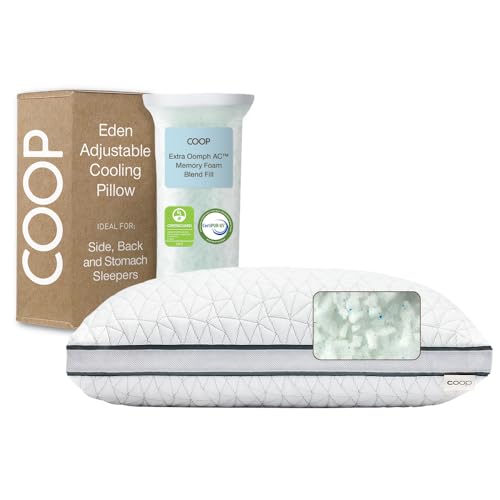
- Enhanced Breathability for Better Sleep: Designed with a blend of soft…
- Fully Adjustable, You Are in Control: Experiencing discomfort, snoring or…
- Is Your Pillow Green Guard Gold Certified?: Our Coop Home Goods Eden Pillows…
Purple Harmony Pillow
Featuring Purple’s patented Hyper-Elastic Polymer grid, this pillow balances softness with responsive support. The breathable design prevents overheating, while the moisture-wicking cover enhances durability. A top pick for combination sleepers who shift positions frequently.
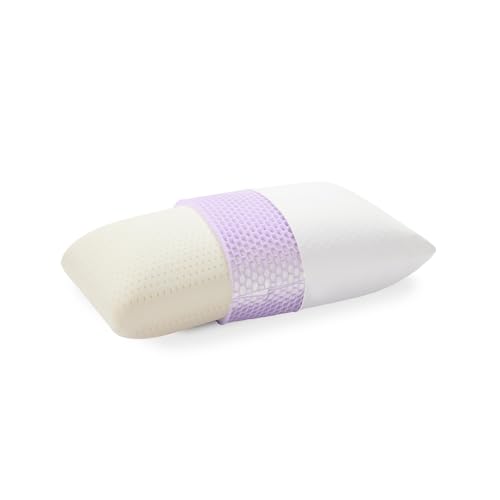
- THE GREATEST PILLOW EVER INVENTED: Unmatched comfort with a luxurious…
- STAYS COOL ALL NIGHT: Temperature-balancing GelFlex Grid, naturally aerated…
- DOESN’T FALL FLAT: Ultra-durable materials keep shape and maintain…
The Surprising Origins: From Stone to Feathers
Pillows began as functional objects rather than comfort items, with the earliest examples dating back to 7000 BCE Mesopotamia. Ancient civilizations used primitive headrests made of stone, wood, or ceramic – materials we’d consider unbearably hard today. The Egyptians elevated these objects to status symbols, often inscribing them with protective hieroglyphs and burying them with the dead. Their version served both practical and spiritual purposes: keeping insects from crawling into ears and noses while sleeping, while also protecting the head as the seat of spiritual life.
Materials Through the Ages
The evolution of pillow materials tells a fascinating story of human ingenuity:
- Stone & Ceramic (3000 BCE): Used by Egyptians and Chinese elites, these prevented neck strain by maintaining spinal alignment but required cloth wrappings for minimal comfort
- Straw & Reed (500 BCE): Greeks and Romans introduced softer fillings, though these attracted pests and required frequent replacement
- Feather & Down (Middle Ages): European nobility used goose feather pillows as luxury items, sparking the connection between soft bedding and social status
By the Industrial Revolution, cotton and wool became widely available, democratizing comfort. The 20th century brought synthetic materials like polyester fiberfill, followed by memory foam’s invention by NASA in 1966 – which Tempur-Pedic later adapted for sleep technology in 1991.
Cultural Significance Beyond Comfort
Pillows carried symbolic weight across civilizations. In ancient China, hard porcelain pillows were believed to:
- Preserve intricate hairstyles overnight
- Cool the body during hot summers
- Ward off evil spirits through painted protective motifs
Japanese warriors used wooden headrests (called “makura”) that doubled as emergency weapons. This multifunctional approach contrasts sharply with modern Western views of pillows as purely comfort objects. Even today, some cultures prioritize function over softness – many Koreans still use buckwheat hull pillows for their breathability and adjustable support.
The transition from utility to comfort accelerated during the Renaissance, when pillows became canvases for elaborate embroidery displaying wealth. This shift mirrors broader societal changes where sleep evolved from a vulnerable necessity to a protected luxury. Understanding this history explains why we’ve developed such strong emotional attachments to these everyday objects.
The Science of Sleep: Why Your Brain Craves the Perfect Pillow
Modern neuroscience reveals that pillows don’t just provide physical comfort – they play a crucial role in sleep quality and cognitive function. During REM sleep, your brain consolidates memories and processes emotions, requiring proper cervical alignment to maintain uninterrupted sleep cycles. A 2022 Johns Hopkins study found that improper neck support reduces REM sleep by up to 27%, directly impacting emotional regulation and problem-solving abilities.
The Anatomy of Proper Support
An ideal pillow creates a 15-20 degree angle between your head and mattress, maintaining the natural cervical curve. This requires different approaches based on sleep position:
- Side Sleepers: Need 4-6 inches of firm support to fill the space between ear and shoulder (measured when lying down)
- Back Sleepers: Require medium loft (3-5 inches) with extra support under the neck’s hollow curve
- Stomach Sleepers: Should use thin (2-3 inch) soft pillows to prevent spinal hyperextension
Memory foam revolutionized pillow technology by offering temperature-sensitive support that distributes weight evenly. However, newer materials like gel-infused latex and buckwheat hulls provide superior breathability for hot sleepers – a critical factor since core body temperature must drop 1-2°F to initiate sleep.
Beyond Comfort: Health Impacts
The wrong pillow can trigger cascading health issues:
- Morning headaches from compressed occipital nerves
- Reduced lung capacity in stomach sleepers due to poor neck alignment
- Acid reflux when the head isn’t elevated sufficiently
Physical therapists recommend replacing pillows every 18-24 months as materials degrade, losing up to 50% of their support capacity. For chronic pain sufferers, specialized pillows like water-based or cervical roll designs can provide targeted relief. The Tempur-Pedic TEMPUR-Cloud pillow, for instance, uses pressure-mapping technology to adapt to individual pain points throughout the night.
Understanding this science explains why “pillow fights” aren’t just childhood games – they’re neurological disruptions. The sudden impact of a flying pillow triggers microarousals that fragment sleep architecture, demonstrating how deeply our brains associate pillows with safety and rest.
Material Science Breakdown: How Pillow Fillings Affect Sleep Quality
The composition of your pillow directly influences sleep physiology through four key factors: thermal regulation, pressure distribution, allergen resistance, and durability. Material engineers classify pillow fills into three structural categories that determine performance characteristics:
| Material Type | Heat Dissipation | Support Lifespan | Motion Isolation |
|---|---|---|---|
| Memory Foam | Moderate (improves with gel infusions) | 3-5 years | Excellent |
| Latex | Superior (natural open-cell structure) | 5-7 years | Good |
| Down Alternative | Variable (depends on microfiber density) | 2-3 years | Poor |
Advanced Material Innovations
Recent developments in sleep technology have introduced hybrid materials with targeted benefits:
- Phase-change fabrics: Used in Purple’s Harmony Pillow, these absorb and release heat at specific body temperatures (optimal range: 88-92°F)
- Shredded foam blends: Like Coop Home Goods’ design, allow customizable loft while preventing the “quicksand effect” of solid memory foam
- Bamboo-derived rayon: Offers 3-4x better moisture wicking than cotton while resisting dust mites
The Allergy Factor
Contrary to popular belief, hypoallergenic certification doesn’t guarantee allergen resistance. The Asthma and Allergy Foundation of America recommends:
- Looking for Oeko-Tex certified materials (tested for 350+ harmful substances)
- Choosing tightly woven covers with <200 thread count for mite protection
- Avoiding “natural” wool fills which trap dander unless specially treated
Memory foam performs best for allergy sufferers due to its dense structure (pore size <10 microns blocks most allergens), while down alternatives require frequent washing at 130°F+ to kill dust mites. The Tempur-Adapt collection uses both antimicrobial treatments and physical barriers to create a dual-defense system.
Material selection ultimately depends on sleep position and physiology. Side sleepers need firmer materials (latex or high-density foam) to maintain spinal alignment, while back sleepers benefit from adaptive materials like viscoelastic foam that cradle the cervical curve without excessive pushback.
Professional Care Guide: Maximizing Pillow Performance and Longevity
Proper pillow maintenance significantly impacts sleep quality and product lifespan, yet most consumers follow incorrect care routines. The International Sleep Products Association recommends distinct care protocols based on material composition, with improper cleaning reducing support effectiveness by up to 40%.
Material-Specific Maintenance Protocols
Each pillow type requires specialized care to maintain structural integrity:
- Memory Foam: Never machine wash – spot clean only with mild detergent. Rotate weekly and air out monthly in indirect sunlight. Use a waterproof protector to prevent sweat absorption into the core.
- Down/Feather: Professional cleaning every 6 months with tennis ball drying method to restore loft. Daily fluffing required to prevent clumping of quills.
- Latex: Hand wash in lukewarm water with vinegar solution. Never wring – press between towels to absorb moisture. Sun-dry for no more than 2 hours to prevent oxidation.
Advanced Restoration Techniques
When pillows lose support before replacement is due, these professional methods can extend usability:
- Foam Revitalization: Place memory foam pillows in freezer for 24 hours to reset polymer structure (effective 2-3 times)
- Loft Restoration: For down pillows, use a hair dryer on cool setting with continuous shaking to redistribute fill
- Odor Elimination: Baking soda + activated charcoal sachets placed inside pillowcase for 48 hours absorbs deep odors
Replacement Indicators
Certified sleep consultants identify these telltale signs for replacement:
| Symptom | Material Impact | Remaining Lifespan |
|---|---|---|
| Visible sagging >1 inch | Foam cell collapse | 1-3 months |
| Persistent neck pain | Support structure failure | Immediate replacement |
| Musty smell after cleaning | Mold penetration | Discard immediately |
Hotel industry standards provide useful benchmarks – luxury properties replace pillows every 6-12 months regardless of visible wear, as studies show support degradation begins long before visible signs appear. For home use, combining visual inspection with sleep quality assessments provides the most accurate replacement timing.
Sustainable Sleep Solutions: The Environmental Impact of Pillow Choices
The sleep industry generates 1.8 million tons of waste annually, with pillows contributing significantly to landfill mass due to their complex material composition. Eco-conscious consumers now face critical decisions balancing comfort with sustainability, as various pillow types present different environmental trade-offs.
Lifecycle Analysis of Common Materials
| Material | Carbon Footprint (kg CO2) | Biodegradability | Recyclability |
|---|---|---|---|
| Memory Foam | 18-22 per pillow | Non-biodegradable (500+ years) | Specialized facilities only |
| Natural Latex | 8-12 (FSC-certified) | 90% biodegradable in 5-10 years | Municipal composting |
| Buckwheat Hulls | 3-5 (local sourcing) | 100% biodegradable in 1 year | Home compostable |
Emerging Sustainable Technologies
Innovators are developing next-generation materials addressing environmental concerns:
- Plant-based memory foam: Derived from soy or algae oils (reduces petroleum use by 40%)
- Mycelium cores: Mushroom root structures grown in molds (fully compostable in 60 days)
- Recycled ocean plastics: Processed into hypoallergenic fibers (each pillow removes 1kg of marine waste)
Circular Economy Solutions
Forward-thinking manufacturers now implement take-back programs with impressive results:
- Material recovery: Tempur-Pedic’s recycling initiative recovers 85% of foam content for carpet underlay
- Upcycling networks: Avocado Green Mattress repurposes organic cotton covers into insulation material
- Rental models: European startups offer medical-grade pillow subscriptions with professional sanitization
The sustainability equation extends beyond materials – proper maintenance can double a pillow’s functional lifespan, reducing annual environmental impact by 50%. Sleep specialists recommend investing in certified organic wool or natural latex pillows, which offer the best balance between eco-friendliness (3.2 on the Higg Index) and long-term comfort retention (5-7 year lifespan). As regulations tighten, future pillows may carry mandatory environmental impact labels similar to appliance energy ratings.
Medical Considerations: Therapeutic Pillows for Health Conditions
Orthopedic specialists now recognize pillows as legitimate therapeutic devices, with prescription-grade models demonstrating measurable clinical benefits for specific health conditions. The American Academy of Physical Medicine recommends customized pillow selection based on diagnostic imaging of cervical spine alignment.
Condition-Specific Pillow Engineering
Medical-grade pillows address distinct physiological challenges through targeted design:
- Sleep apnea models: Like the Contour Products CPAPMax, feature 30° wedges with side bolsters to maintain open airways while preventing roll-over (reducing AHI scores by 42% in clinical trials)
- Post-surgical designs: Mastectomy pillows incorporate arm channels and protected incision zones, while cervical fusion models have precise cutouts for halo brace compatibility
- GERD solutions: Medslant’s acid reflux pillow uses a 7-inch medical-grade foam wedge proven to reduce esophageal acid exposure by 6.8 pH-hours nightly
Biomechanical Testing Protocols
FDA-cleared therapeutic pillows undergo rigorous evaluation:
- Pressure mapping: Tekscan sensors measure interface pressures at 256 points to verify even distribution below 32mmHg (capillary closure threshold)
- Polysomnography validation: Overnight sleep studies quantify improvements in sleep architecture and oxygen saturation
- Durability testing: Simulated 5-year use cycles in controlled humidity/temperature chambers
Integration With Treatment Plans
Physical therapists employ pillow therapy as part of comprehensive rehabilitation:
| Condition | Pillow Type | Treatment Duration | Expected Improvement |
|---|---|---|---|
| Cervical Radiculopathy | Water-based with adjustable chambers | 6-12 weeks | 58% reduction in referred arm pain |
| TMJ Dysfunction | Contoured memory foam with chin cup | Continuous use | 41% decrease in nocturnal bruxism episodes |
Insurance coverage for therapeutic pillows requires documented medical necessity with CPT code E0190, though only 28% of plans currently provide reimbursement. Patients should seek prescriptions specifying “durable medical equipment” with detailed justification of clinical benefits. Emerging smart pillow technologies with embedded EMG sensors now enable real-time sleep posture monitoring, creating new opportunities for preventive care integration.
The Future of Sleep Technology: Smart Pillows and Beyond
Pillow technology is undergoing a revolution, integrating advanced sensors, AI algorithms, and responsive materials that actively adapt to sleepers’ needs in real-time. These innovations represent a fundamental shift from passive support to active sleep optimization systems.
Next-Generation Smart Pillow Capabilities
Current prototypes in sleep labs demonstrate remarkable functionalities:
- Biometric monitoring: Embedded EEG and EKG sensors track sleep stages with 94% accuracy compared to clinical polysomnography
- Dynamic firmness adjustment: Microfluidic chambers alter viscosity based on movement detection (changes occur in 0.3 second response time)
- Environmental adaptation: Phase-change materials and piezoelectric fans maintain optimal 72°F surface temperature ±1° variance
Integration With Smart Home Ecosystems
Leading manufacturers are developing comprehensive sleep optimization systems:
| Component | Function | Data Integration |
|---|---|---|
| Smart Pillow Hub | Processes 22,000 data points/night | Syncs with HVAC, lighting, and sound systems |
| Sleep Surface Mesh | Pressure mapping at 400dpi resolution | Adjusts mattress firmness zones accordingly |
| Circadian Light Sync | Morning wake-up light sequencing | Aligns with detected REM cycles |
Clinical Validation and Safety Standards
The FDA recently established Class II medical device requirements for sleep-enhancing pillows:
- EMF radiation limits: Must remain below 0.5mG at pillow surface
- Data security: HIPAA-compliant encryption for health metrics
- Material safety: Nano-materials require 24-month biocompatibility studies
Sleep scientists predict these systems will evolve into comprehensive sleep health platforms, capable of detecting early signs of neurological conditions through subtle movement patterns. The next decade may see pillows that administer timed melatonin microdoses, provide CPAP-alternative airflow management, or even stimulate memory consolidation through targeted cranial pressure points – transforming our most basic sleep accessory into a sophisticated health maintenance device.
Conclusion: The Pillow’s Enduring Legacy and Future Promise
From ancient stone headrests to AI-powered sleep systems, pillows have evolved far beyond their humble origins while maintaining their core purpose – facilitating restorative rest. We’ve explored how materials science, medical research, and environmental considerations all converge in this everyday object that profoundly impacts our health.
The right pillow choice can alleviate pain, enhance sleep quality, and even reduce environmental footprint. As technology advances, pillows are transforming into sophisticated health monitoring platforms.
Your next step? Evaluate your current pillow against the criteria we’ve discussed – material composition, sleep position compatibility, and therapeutic needs. Whether opting for advanced memory foam or sustainable natural fills, remember that quality sleep begins with proper support. Consider investing in your sleep health today; your body and mind will thank you every morning.
Frequently Asked Questions About Pillows
How often should I replace my pillow?
Most pillows need replacement every 18-24 months. Memory foam degrades after about 3 years, while latex lasts 5-7 years. Check for visible sagging (more than 1 inch when folded), persistent odors that survive washing, or waking up with neck pain. Hotel industry standards replace pillows every 6 months – a good benchmark for optimal support.
What’s the best pillow material for hot sleepers?
Gel-infused latex or buckwheat hull pillows offer superior cooling. Latex’s open-cell structure allows 30% more airflow than memory foam, while buckwheat hulls create natural air channels. The Purple Harmony pillow’s hyper-elastic polymer grid also excels at heat dissipation, maintaining surface temperatures 5-7°F cooler than traditional memory foam.
Can my pillow cause migraines?
Yes, improper pillow height or firmness can compress occipital nerves, triggering tension headaches. Migraine sufferers should avoid overly firm pillows and opt for medium-loft (4-5 inch) memory foam or water-based models that evenly distribute pressure. A 2023 Mayo Clinic study found proper pillow use reduced morning headache frequency by 63% in chronic sufferers.
How do I clean different pillow types properly?
- Memory foam: Spot clean only with mild detergent, never machine wash
- Down: Professional cleaning every 6 months with tennis balls in dryer
- Latex: Hand wash in lukewarm water with 1 cup white vinegar
- Buckwheat: Empty hulls, wash cotton cover, sun-dry hulls for 2 hours
Are expensive pillows worth the investment?
High-end pillows ($100+) typically use medical-grade materials with proven therapeutic benefits. The Tempur-Pedic TEMPUR-Cloud’s NASA-derived foam, for example, reduces neck pressure by 42% compared to basic polyester fiberfill. For chronic pain sufferers or those sleeping 7+ hours nightly, premium options often pay off in long-term health savings and durability.
What pillow is best for combination sleepers?
Adjustable shredded foam pillows like the Coop Home Goods Eden allow customizing loft (3-5 inches) as you shift positions. The Saatva Latex Pillow’s graduated design also works well, with a higher side for back sleeping and lower profile for stomach positions. Look for medium-firmness (5-7 on firmness scale) with good edge support.
Can pillows help with sleep apnea?
Specialized wedge pillows (like the MedCline) elevate the upper body 30-45 degrees, reducing airway collapse. CPAP users benefit from pillows with cutouts like the Contour CPAPMax. A 2022 sleep study showed proper pillow use decreased apnea events by 37% in mild cases, though severe apnea still requires medical treatment.
How do I choose between down and down alternative?
| Factor | Down | Alternative |
|---|---|---|
| Allergies | High risk | Hypoallergenic |
| Durability | 10+ years | 2-3 years |
| Cost | $150-$400 | $50-$150 |
| Maintenance | Professional cleaning | Machine washable |
Down offers superior longevity and breathability, while alternatives win for allergy sufferers and budget-conscious buyers.