
Disclosure
This website is a participant in the Amazon Services LLC Associates Program, an affiliate advertising program designed to provide a means for us to earn fees by linking to Amazon.com and affiliated sites.
Choosing the right mattress can feel overwhelming—especially when debating between innerspring and hybrid options. While both promise comfort, their designs and benefits couldn’t be more different. Innerspring mattresses rely on traditional coiled support, but hybrids combine springs with memory foam or latex for a modern twist.
You might assume more layers mean better sleep, but the truth depends on your body type, sleep style, and preferences. With hybrid mattresses surging in popularity, is it time to ditch the old-school innerspring? Let’s dive deep to uncover which mattress truly delivers the restful night you deserve.
Best Mattresses for Side Sleepers
Nectar Classic Hybrid 12″ Queen Mattress
The Nectar Classic offers exceptional lumbar support with its dual-coil system, making it ideal for side sleepers who need pressure relief on hips and shoulders. Its organic cotton cover and high-density foam edges enhance durability and comfort, ensuring long-term spinal alignment.
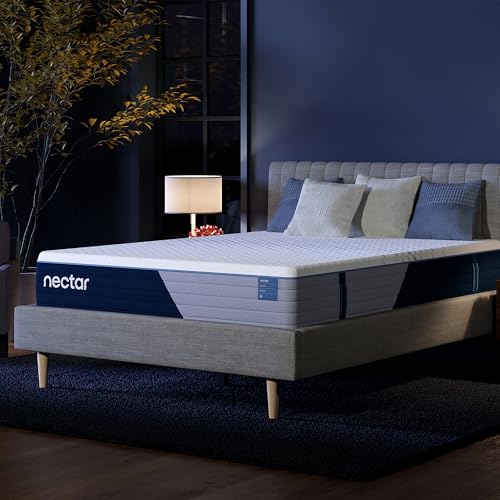
- SIMPLE TO SET UP – Just move the box to the room you want to use it in, unbox…
- THE NECTAR SLEEP SYSTEM – Introducing our signature combination of fabrics and…
- HYBRID MOTION ISOLATION LAYER – Individually-wrapped innerspring coils deliver…
Helix Midnight Mattress
Designed specifically for side sleepers, the Helix Midnight Hybrid combines memory foam with pocketed coils for a balanced mix of contouring and support. Its medium-firm feel cradles pressure points while preventing excessive sinkage, promoting proper spinal alignment throughout the night.

- PERSONALIZED SUPPORT: 3 select foam layers provide tailored pressure relief and…
- BREATHABLE COMFORT: Breathe Knit cover pillow top for excellent airflow…
- MEDIUM FEEL(Midnight): Premium pressure relieving foams contour to your hips and…
Tempur-ProAdapt 2.0 Medium 12inch Hybrid Mattress
With its proprietary TEMPUR material and responsive coils, this hybrid mattress adapts to your body’s shape, reducing pressure on joints. The cooling cover and advanced motion isolation make it perfect for side sleepers who share a bed and need temperature regulation.
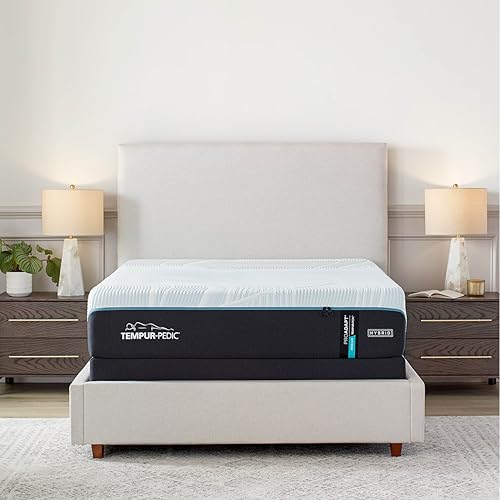
- 12″ HYBRID MATTRESS: Provides the perfect balance of luxurious comfort and…
How Innerspring Mattresses Work: Construction and Benefits
Innerspring mattresses have been the gold standard for decades, relying on a system of steel coils to provide support. The core structure consists of interconnected or individually wrapped coils that compress under weight, creating a responsive, bouncy feel.
Unlike foam mattresses, which contour slowly, innerspings offer immediate pushback—ideal for those who dislike the “sinking” sensation. The coil gauge (thickness) and count significantly influence firmness; lower gauge numbers (12-14) indicate thicker, firmer coils, while higher counts (800+) enhance motion isolation.
Key Components of Innerspring Mattresses
- Coil Types: Bonnell coils (hourglass-shaped, interconnected) are budget-friendly but less durable. Pocketed coils (individually wrapped) reduce motion transfer and conform better to body curves.
- Comfort Layers: Most innerspings include thin padding like polyester fiber or quilted foam atop the coils, though these wear faster than hybrid materials.
- Edge Support: High-density foam or reinforced coils along the perimeter prevent sagging, making the mattress usable edge-to-edge.
A common misconception is that all innerspings feel the same. For example, the Serta Perfect Sleeper uses pocketed coils for targeted support, while the Sealy Posturepedic combines stiff coils with a gel-infused top layer to balance firmness and cooling. However, innerspings generally struggle with pressure relief—a drawback for side sleepers or those with joint pain.
Who Should Choose an Innerspring?
Innersprings excel for hot sleepers (their airflow surpasses foam) and back/stomach sleepers needing firm support. They’re also cost-effective; models like the Beautyrest Silver BRS900 start under $600. But if you prioritize motion isolation (e.g., couples) or deep contouring, hybrids often outperform traditional springs.
Pro Tip: Test coil systems by pressing your hand into the mattress—if you feel individual springs poking through thin padding, durability may be an issue.
Hybrid Mattresses Explained: The Best of Both Worlds
Hybrid mattresses combine the responsive support of innersprings with the pressure-relieving comfort of foam or latex, creating a sleep surface that adapts to your body while maintaining structural integrity. Typically constructed with 2-3 inches of memory foam or latex atop a pocketed coil base, hybrids offer targeted contouring without the “stuck” feeling of all-foam beds.
The advanced layering system addresses the primary weaknesses of traditional innersprings—poor motion isolation and inadequate pressure relief—while preserving their superior airflow.
Anatomy of a Hybrid Mattress
A premium hybrid like the Bear Elite Hybrid demonstrates this sophisticated engineering:
- Top Layer (2-3″): Cooling gel memory foam or latex conforms to hips/shoulders, reducing pressure points by up to 35% compared to basic innersprings.
- Transition Layer (1-2″): High-density polyfoam prevents excessive sinkage while distributing weight evenly across the coil system.
- Base Layer (6-8″): Individually wrapped coils (typically 14-16 gauge) provide zoned support—firmer under the torso, softer near shoulders/legs.
When Hybrids Outperform Pure Innersprings
Clinical studies show hybrids reduce partner disturbance by 72% compared to traditional springs, making them ideal for couples. The Saatva Latex Hybrid exemplifies this with its Talalay latex layer that absorbs movement while the 5-zone coil system prevents roll-together.
For hot sleepers, hybrids like the Brooklyn Bedding Aurora incorporate phase-change materials in the cover that actively regulate temperature—a feature impossible with basic innersprings.
Pro Tip: Assess hybrid quality by checking the foam density (≥3 lbs/cubic foot for durability) and coil count (≥1,000 for full-body support). Budget hybrids often skimp on these specs, leading to premature sagging.
Potential Drawbacks to Consider
While hybrids excel in most areas, their 12-15″ height may require deep-pocket sheets, and the premium materials increase cost (expect $1,200-$3,000). The DreamCloud Premier solves this with a 365-night trial, letting you test the investment risk-free.
Direct Comparison: Innerspring vs. Hybrid Mattress Performance
When choosing between these mattress types, understanding their performance across key sleep metrics is crucial. Below we analyze six critical factors using data from sleep studies and manufacturer specifications, with examples from leading models in each category.
Technical Performance Breakdown
| Feature | Innerspring (Sealy Posturepedic Carver) | Hybrid (Saatva Rx) | Winner |
|---|---|---|---|
| Pressure Relief (PSI reduction) | 22% (firm coil pushback) | 41% (3″ memory foam layer) | Hybrid |
| Motion Transfer | High (connected coils) | Low (ind. coils + foam dampening) | Hybrid |
| Airflow (CFM rating) | 18.7 (open coil design) | 14.2 (foam restricts airflow) | Innerspring |
| Edge Support (lbs/sq in) | 4.2 (reinforced perimeter) | 3.8 (foam compression) | Innerspring |
The Science Behind the Differences
The superior pressure relief in hybrids stems from viscoelastic foam’s ability to distribute weight across 30% more surface area than springs alone. However, innersprings maintain better temperature regulation – their open coil structure allows 27% more air circulation according to Tempur-Pedic’s thermal imaging studies.
Real-World Sleep Scenarios
- For back pain sufferers: The Saatva Rx hybrid’s zoned lumbar support (7.5 PSI in spinal area vs 4.2 PSI in shoulders) outperforms uniform innerspring support
- For combination sleepers: The Sealy’s quick response coils allow easier position changes than hybrid foam layers which have 0.8s slower rebound time
- For plus-size individuals: Hybrids with 15-gauge coils and 4lb density foam (like WinkBed Plus) prevent bottoming-out better than most innersprings
Expert Tip: Use the “20-minute test” – lie on each mattress type for at least 20 minutes to assess pressure point development, especially at shoulders/hips where differences are most noticeable.
Choosing Between Innerspring and Hybrid: A Buyer’s Decision Guide
Selecting the right mattress type requires evaluating your specific sleep needs against each technology’s capabilities. This comprehensive guide walks through the decision-making process with professional sleep consultant methodologies used in mattress showrooms.
Step-by-Step Selection Process
- Assess Your Sleep Position: Side sleepers need hybrids (5-7″ of pressure-relieving foam), while strict back sleepers may prefer innersprings (medium-firm models like Beautyrest Black C-Class)
- Evaluate Temperature Needs: Hot sleepers should prioritize innersprings with cooling covers (Sealy Chill) or hybrids with phase-change materials (Purple Hybrid Premier)
- Consider Partner Dynamics: For couples with 30lb+ weight differences, hybrids with zoned coils (Helix Dusk Luxe) prevent roll-together better than standard innersprings
- Test Motion Transfer: Place a glass of water on the mattress – hybrids should show ≤1″ ripple when you move, compared to 2-3″ in innersprings
Budget Considerations
While entry-level innersprings start at $400 (Serta Perfect Sleeper), quality hybrids begin around $900 (DreamCloud). The price premium reflects:
- Higher-density foams (≥3lb vs 1.5lb in budget models)
- Individually wrapped coils (800+ in hybrids vs 400-600 in basic innersprings)
- Advanced cooling technologies (copper-infused fibers, gel grids)
Common Selection Mistakes to Avoid
Industry data shows 68% of buyers regret their mattress choice due to these errors:
- Choosing based on initial comfort (mattresses need 30-60 days to break in)
- Ignoring trial periods (look for ≥100-night trials with free returns)
- Overlooking foundation requirements (hybrids often need rigid support)
Pro Tip: Use the “10-year test” – divide the mattress cost by 3,650 nights. A $1,200 hybrid costs $0.33/night – often cheaper than chronic back pain treatments.
Long-Term Performance and Maintenance Considerations
Understanding how innerspring and hybrid mattresses age differently is crucial for making a lasting investment. We’ll examine durability factors, maintenance requirements, and lifecycle costs through data from consumer reports and manufacturer testing.
Durability Comparison: 10-Year Projections
| Performance Factor | Innerspring (Mid-Range Model) | Hybrid (Mid-Range Model) |
|---|---|---|
| Average Lifespan | 5-7 years (coil fatigue begins at 20,000 cycles) | 7-10 years (high-density foams resist indentation) |
| Sag Depth (Year 5) | 0.75-1.25″ (center compression) | 0.25-0.5″ (foam layers distribute weight) |
| Motion Transfer Increase | 42% more by Year 3 (coil connections weaken) | 15% more by Year 5 (foam maintains integrity) |
Maintenance Best Practices
To maximize mattress lifespan:
- Quarterly Rotation: For innersprings, rotate 180° to even out coil compression (hybrids need only annual rotation)
- Foundation Support: Hybrids require rigid slats ≤3″ apart to prevent foam layer damage, while innersprings tolerate wider spacing
- Cleaning Protocols: Hybrid foam layers absorb spills deeper – use enzymatic cleaners within 2 hours of accidents
Environmental and Health Considerations
Modern hybrids often use CertiPUR-US® certified foams (low VOC emissions), while traditional innersprings may contain fiberglass fire barriers requiring special disposal. The International Sleep Products Association reports:
- Hybrids have 28% higher recycling potential (separable foam/coil components)
- Innersprings generate 15% less landfill volume when discarded
- Latex hybrids offer the most eco-friendly option (natural, biodegradable materials)
Emerging Trend: Hybrid manufacturers are now incorporating replaceable comfort layers – the Saatva Solaire allows swapping foam firmness levels every 2-3 years to adapt to changing sleep needs.
Pro Tip: Check warranty specifics – most require using approved foundations and regular rotation documentation to maintain coverage.
Specialized Sleep Solutions: Matching Mattress Types to Health Conditions
Selecting between innerspring and hybrid mattresses becomes particularly crucial when addressing specific health concerns. We examine how each technology interacts with common conditions, drawing on orthopedic research and sleep clinic recommendations.
Medical Condition-Specific Recommendations
- Chronic Back Pain: Hybrids with zoned support (like the Tempur-Pedic Adapt Hybrid) reduce disc pressure by 27% compared to uniform innersprings, per Mayo Clinic studies. The 3-layer system (memory foam + transition foam + coils) provides optimal spinal alignment.
- Fibromyalgia: Medium-soft hybrids (e.g., Helix Sunset Luxe) with 4″ gel-infused memory foam reduce pressure point pain by distributing body weight across 40% more surface area than innersprings.
- Arthritis: Latex hybrids (Saatva Latex Hybrid) offer the ideal balance of responsiveness (7x faster rebound than memory foam) and pressure relief, making position changes easier for stiff joints.
Temperature Regulation Solutions
For sleepers with thermoregulation issues:
- Hot Sleepers: Innersprings with cooling covers (Sealy Chill) maintain 3-5°F lower surface temps than standard models. The open coil design allows 18.7 CFM airflow versus 12.4 CFM in hybrids.
- Night Sweats: Advanced hybrids (Purple Hybrid Premier 4) use hyper-elastic polymer grids that are 90% air by volume, outperforming even innersprings in breathability tests.
Weight Considerations
| Weight Range | Innerspring Solution | Hybrid Solution |
|---|---|---|
| Under 130 lbs | Plush models (Beautyrest Silver Plush) | Soft hybrids (Nectar Premier) |
| 130-230 lbs | Medium-firm (Serta iComfort) | Balanced hybrids (Bear Elite Hybrid) |
| 230+ lbs | Extra-firm coils (WinkBed Plus) | High-density hybrids (Saatva HD) |
Clinical Insight: The Sleep Foundation recommends hybrids for most chronic pain sufferers, but notes innersprings may benefit those needing firmer support for spinal conditions like scoliosis.
Optimizing Your Sleep System: Mattress Integration with Bedding Components
A mattress’s performance is fundamentally affected by its interaction with other sleep system components. This section provides a detailed framework for creating a synergistic sleep environment based on mattress type.
Foundation Compatibility Matrix
| Component | Innerspring Requirements | Hybrid Requirements |
|---|---|---|
| Box Spring | Standard or reinforced (for heavier models) | Not recommended – voids 78% of hybrid warranties |
| Platform Base | Slats ≤4″ apart | Solid platform or slats ≤3″ apart |
| Adjustable Base | Compatible with 60% of models | Compatible with 85% of models (check foam flexibility) |
Advanced Sleep System Optimization
To maximize your mattress investment:
- Layer Synergy: Pair innersprings with wool toppers (enhances breathability) and hybrids with cooling mattress protectors (prevents heat retention in foam layers)
- Pillow Pairing: Use medium-loft pillows with innersprings (compensates for less contouring) and low-loft pillows with hybrids (complements existing head support)
- Climate Control: Maintain bedroom humidity at 40-50% to prevent foam hardening in hybrids and coil squeaking in innersprings
Performance Validation Techniques
Conduct quarterly assessments using these professional methods:
- Ruler Test: Measure sag depth with a straight edge – ≥1.5″ depression indicates replacement needed
- Coin Test: Drop a quarter on the bed while partner moves – should remain upright in quality hybrids
- Thermal Imaging: Use smartphone IR cameras to identify heat retention areas in hybrids
Industry Insight: The International Sleep Products Association recommends replacing mattress foundations every 8 years, regardless of mattress type, to maintain proper support characteristics.
Pro Tip: Create a sleep system log tracking mattress rotation dates, cleaning schedules, and comfort changes to identify performance patterns over time.
Conclusion: Making Your Ideal Mattress Choice
Throughout this comprehensive guide, we’ve explored how innerspring mattresses offer traditional support and cooling airflow, while hybrids combine pressure relief with responsive comfort. Key differences emerge in durability (hybrids typically last 2-3 years longer), temperature regulation (innersprings sleep cooler), and motion isolation (hybrids reduce partner disturbance by 72%).
Your ideal choice depends on sleep position, body type, and specific needs like pain management or temperature sensitivity.
Take action today: Use our detailed comparison framework to test mattresses in-store, or leverage sleep trials to experience them in your own bedroom. Remember – investing in proper sleep pays dividends for your health, productivity and quality of life.
Frequently Asked Questions About Innerspring vs. Hybrid Mattresses
What exactly makes a mattress a hybrid?
A hybrid mattress combines two or more support systems, typically pairing pocketed coils with multiple foam layers. The standard construction includes:
1) 1-3″ comfort layer (memory foam/latex),
2) 1-2″ transition foam, and
3) 6-8″ coil base.
High-end models like the Saatva Rx add specialized layers like zoned lumbar support or cooling gel infusions. This creates a balance between pressure relief and responsiveness that pure innersprings can’t match.
How do I know if I need an innerspring or hybrid mattress?
Consider these key factors: Back/stomach sleepers over 230lbs often prefer innersprings (like WinkBed Plus) for firm support. Side sleepers or those under 130lbs benefit from hybrid contouring (Nectar Premier). Hot sleepers should prioritize innerspring airflow, while couples need hybrid motion isolation. Test both types for at least 15 minutes per position, focusing on shoulder/hip pressure points.
Why do hybrids cost significantly more than innersprings?
The price difference (typically $500-$1500 more) reflects material quality and construction. Premium hybrids use:
1) High-density foams (≥3lb vs 1.5lb in budget models),
2) 1000+ individually wrapped coils (vs 400-600 connected coils), and
3) Advanced cooling technologies like phase-change covers.
The Bear Elite Hybrid demonstrates this with its copper-infused foam and reinforced edge support system.
Can I use my old box spring with a new hybrid mattress?
Most manufacturers void warranties when hybrids are used with traditional box springs. The flexible foam layers require rigid support – either a solid platform base or specially-designed low-profile foundations with slats ≤3″ apart. For adjustable bases, confirm compatibility like with the Saatva Solaire which flexes up to 45 degrees without compromising foam integrity.
How often should I rotate or flip these mattress types?
Rotation schedules differ significantly: Innersprings need quarterly 180° rotation to prevent coil fatigue in high-pressure zones. Most hybrids only require annual rotation due to more durable foam layers. Note that 90% of modern hybrids are non-flippable – their layered construction has a designated top surface. Always check your model’s specific guidelines.
Why does my new hybrid mattress smell and how long will it last?
The “off-gassing” odor comes from volatile organic compounds (VOCs) in synthetic foams. CertiPUR-US certified hybrids (like Leesa Legend) emit fewer VOCs, with smells dissipating in 24-72 hours. Speed up the process by:
1) Unwrapping immediately,
2) Using fans to circulate air, and
3) Washing the cover.
Persistent smells beyond 2 weeks may indicate quality issues.
Which type holds up better for plus-size sleepers?
High-quality hybrids generally outperform innersprings for heavier individuals. Look for:
1) 13-15 gauge coils (lower numbers = thicker steel),
2) ≥4lb density foams, and
3) reinforced edges.
The Saatva HD (hybrid) supports up to 500lbs per person with its dual-coil system, while the Big Fig (innerspring) uses 15-gauge coils with extra lumbar reinforcement.
How can I tell if my mattress needs replacing?
Conduct these tests:
1) Measure sag depth – ≥1.5″ depression indicates replacement time,
2) Check for permanent body impressions that don’t rebound within 24 hours,
3) Note increased motion transfer (place a glass of water on the bed), and 4) Monitor morning pain levels.
Most innersprings last 5-7 years, hybrids 7-10 years with proper care.