
Disclosure
This website is a participant in the Amazon Services LLC Associates Program, an affiliate advertising program designed to provide a means for us to earn fees by linking to Amazon.com and affiliated sites.
You can completely remove urine from a mattress—but only if you act fast and use the right techniques. A urine-stained mattress isn’t just unsightly; lingering odors and bacteria can turn your bed into an unhygienic nightmare.
Many people panic and reach for harsh chemicals, but the best solutions are often simple, science-backed, and safe for your mattress. Whether it’s a child’s accident, a pet’s mistake, or an adult incontinence issue, this guide reveals proven methods to neutralize stains, kill bacteria, and leave your mattress smelling fresh.
Best Cleaning Products for Removing Urine from a Mattress
Bissell SpotClean ProHeat Portable Carpet Cleaner
This powerful portable cleaner combines heat, suction, and specialized cleaning solutions to deep-clean urine stains from mattresses. Its compact design allows for precise spot treatment, while the built-in heater enhances stain removal. Ideal for stubborn, set-in odors and large spills.

- EVERY PURCHASE SAVES PETS. Every purchase makes it possible for BISSELL to…
- SAVE YOUR SANCTUARY: Tackle spills and pet stains while removing dander, dust…
- CLEANS MORE THAN CARPET: Spray, scrub, and suction to remove embedded dirt and…
Nature’s Miracle Advanced Stain & Odor Eliminator (Enzymatic Formula)
Specifically designed for pet accidents, this enzyme-based cleaner breaks down urine at a molecular level, eliminating stains and odors permanently. Safe for fabrics and non-toxic, it’s a must-have for households with kids or pets. Works best when left to soak for 10-15 minutes.

- FOR SEVERE DOG MESSES: Powerful enzymatic formula works to eliminate tough…
- LIGHT FRESH SCENT: Dog odor control formula gets your home smelling clean again.
- ENZYMATIC FORMULA: Continues working as long as any bio-based mess is still…
Odoban Professional Grade Disinfectant & Odor Eliminator (Eucalyptus Scent)
A hospital-grade disinfectant that kills bacteria and neutralizes urine odors without harsh chemicals. Its concentrated formula allows for dilution, making it cost-effective for repeated use. The eucalyptus scent leaves a fresh, clean finish without overpowering fragrances.
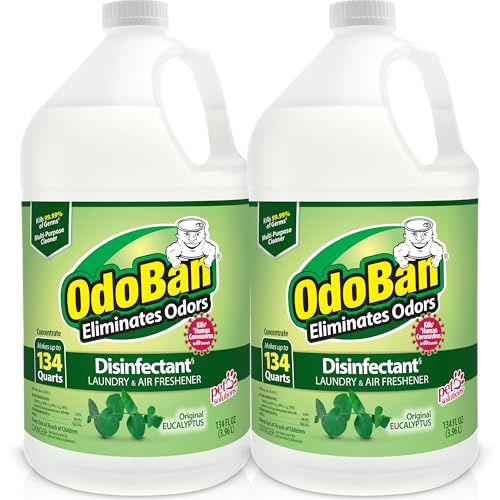
- Multi-Purpose: Our cleaning concentrate cleans, disinfects, freshens, and…
- Multi-Surface: Our versatile formula can be used on many household surfaces…
- Multi-Use: Not only is our versatile cleaning and disinfecting formula…
Step-by-Step Guide to Removing Fresh Urine Stains from a Mattress
Why Immediate Action Matters
Urine begins penetrating mattress fibers within minutes, and once dried, it crystallizes, locking in odors and bacteria. The first 30 minutes are critical—acting fast prevents permanent staining and microbial growth. Unlike surface spills, urine contains urea and uric acid, which bond with fabrics if not neutralized properly.
Materials You’ll Need
- Absorbent towels or paper towels (avoid colored ones to prevent dye transfer)
- Cold water (hot water sets proteins in urine, making stains worse)
- Enzyme cleaner (e.g., Nature’s Miracle) or DIY solution (1:1 white vinegar and water)
- Baking soda (for odor absorption)
- Spray bottle (for even application)
The Blotting Technique: How to Do It Right
Start by gently pressing—not rubbing—towels onto the stain to absorb liquid. Rubbing spreads urine deeper into the mattress layers.
For large spills, use a “press-and-lift” motion with fresh sections of the towel until no more moisture transfers. This removes up to 70% of the urine before cleaning.
Applying Cleaning Solutions
Spray your enzyme cleaner or vinegar solution lightly over the stain, ensuring saturation without soaking the mattress. Enzymes require 10-15 minutes to break down uric acid crystals. For vinegar, let it sit for 5 minutes to neutralize ammonia odors, then blot again with a damp cloth to rinse.
Drying and Deodorizing
After cleaning, sprinkle baking soda generously over the area to absorb residual moisture and odors. Let it sit for 6-8 hours (or overnight), then vacuum thoroughly. For faster drying, use a fan or dehumidifier—mattresses take 12+ hours to dry internally, and trapped moisture breeds mold.
Common Mistakes to Avoid
- Using steam cleaners: Heat bakes urine proteins into the mattress, worsening stains.
- Over-wetting: Excess liquid seeps into the mattress core, causing warping or mildew.
- Skipping enzyme cleaners: Household detergents mask odors but don’t dissolve uric acid.
Pro Tip: For memory foam mattresses, blot more aggressively to prevent liquid from pooling in the dense foam layers, which dry slower than traditional springs.
How to Remove Set-In Urine Stains and Odors from Mattresses
The Challenge of Old Stains
Unlike fresh stains, set-in urine has undergone chemical changes where uric acid crystals have bonded with mattress fibers. These crystals are water-insoluble and require specialized treatment. Traditional cleaning methods often fail because they address only surface stains without breaking these molecular bonds.
The Three-Phase Deep Cleaning Process
Phase 1: Reactivation
Begin by rehydrating the stain with a solution of 3% hydrogen peroxide and liquid dish soap (1:2 ratio). The peroxide oxidizes the stain while soap acts as a surfactant. Apply with a soft-bristle brush in circular motions to lift embedded particles.
Phase 2: Enzymatic Breakdown
Use a professional-grade enzymatic cleaner like My Pet Peed Stain and Odor Eliminator. These contain protease and urease enzymes that specifically target urine compounds. For severe cases:
- Apply generously until the area is saturated
- Cover with plastic wrap to prevent evaporation
- Allow 24-48 hours for complete breakdown
Phase 3: Odor Neutralization
After enzymatic treatment, create an odor-neutralizing barrier with a mixture of:
- 1 cup distilled water
- 10 drops tea tree oil (antifungal)
- 5 drops lavender oil (antibacterial)
Special Considerations for Different Mattress Types
Memory foam: Use minimal moisture and blot immediately to prevent liquid retention. Innerspring: Focus on protecting the coil system from rust by ensuring complete drying. Hybrid: Check manufacturer guidelines as some materials may void warranties if treated with certain cleaners.
When to Call Professionals
Consider professional cleaning services if:
- Stains cover more than 30% of the mattress surface
- You detect persistent ammonia odors after multiple treatments
- The mattress shows signs of structural damage from repeated accidents
Pro Tip: For chronic issues, invest in a waterproof mattress protector with a breathable membrane (like SafeRest Premium) to prevent future damage while maintaining sleep comfort.
The Science Behind Urine Stains and Odor Elimination
Urine Composition and Its Effects
Urine consists of three problematic components that affect mattresses differently:
| Component | Effect on Mattress | Best Removal Method |
|---|---|---|
| Urea (50%) | Breaks down into ammonia, causing strong odors | Acidic solutions (vinegar, lemon juice) |
| Uric Acid (10%) | Crystallizes and bonds with fibers | Enzymatic cleaners with urease |
| Salts/Minerals (40%) | Creates visible stains and attracts moisture | Surfactant cleaners (dish soap) |
Advanced Odor Neutralization Techniques
Effective odor removal requires addressing both volatile compounds (immediate smell) and non-volatile compounds (long-term odor):
- Oxidation: Hydrogen peroxide breaks down odor molecules at the atomic level (3% solution works best)
- Molecular Encapsulation: Products like Zero Odor Pro trap odor molecules in cyclodextrin rings
- Biological Digestion: Bacterial cultures in products like Bac-Out consume organic odor sources
Professional-Grade Cleaning Methods
Commercial cleaning services use specialized equipment that outperforms home methods:
- Hot Water Extraction: 200°F water under pressure (not recommended for memory foam)
- Low-Moisture Encapsulation: Uses polymer technology that crystallizes when dry
- Ozone Treatment: Breaks down odors at the molecular level (requires professional equipment)
Preventing Future Stains: Material Science Approach
Modern mattress protectors use advanced materials with specific protection properties:
| Material | Protection Level | Breathability |
|---|---|---|
| Polyurethane Laminate | 100% waterproof | Low (can cause sweating) |
| Nanofiber Membrane | Liquid-proof, vapor permeable | High (like Gore-Tex) |
| Wool Blend | Absorbs liquid temporarily | Excellent (natural fiber) |
Pro Tip: For allergy sufferers, look for protectors with tightly woven fabrics (≤10 micron pore size) that block dust mites while remaining breathable.
Special Considerations for Different Types of Urine Accidents
Handling Pediatric vs. Adult vs. Pet Urine Stains
The composition of urine varies significantly between sources, requiring tailored cleaning approaches:
- Infant/Toddler Urine: Higher water content makes stains easier to remove, but frequent accidents require thorough disinfection. Use food-grade hydrogen peroxide (3%) for safety.
- Adult Urine: Often contains medications and stronger odors. Combine enzymatic cleaners with activated charcoal for complete odor removal.
- Pet Urine: Contains higher concentrations of uric acid. Cat urine requires specialized formulas with higher enzyme concentrations (like Rocco & Roxie Professional Strength).
Dealing with Recurring Accidents and Chronic Issues
For mattresses with multiple incidents, implement a layered protection system:
- Base Layer: Waterproof mattress encasement (fully zippered, like SafeRest Premium)
- Middle Layer: Absorbent pad with moisture-wicking technology
- Top Layer: Washable, breathable mattress protector
Health and Safety Considerations
Urine-stained mattresses can harbor dangerous microorganisms:
| Risk Factor | Potential Hazard | Prevention Method |
|---|---|---|
| Bacterial Growth | E. coli, Salmonella | Regular disinfection with quaternary ammonium compounds |
| Mold Formation | Respiratory issues | Ensure complete drying (use moisture meter to verify) |
| Chemical Exposure | Skin irritation | Choose eco-friendly cleaners certified by Green Seal or EPA Safer Choice |
Advanced Drying Techniques
Proper drying prevents microbial growth and material degradation:
- Air Circulation: Position fans at 45° angles to create cross-ventilation
- Dehumidification: Maintain 40-50% humidity for optimal drying
- Temperature Control: Keep room between 70-80°F (higher temps can set stains)
Pro Tip: For memory foam mattresses, place clean, dry towels beneath the wet area and weigh them down with books to wick moisture upward without compression damage.
Long-Term Mattress Protection and Maintenance Strategies
Cost-Benefit Analysis: Cleaning vs. Replacement
When evaluating whether to salvage or replace a urine-damaged mattress, consider these factors:
| Factor | Cleaning Option | Replacement Option |
|---|---|---|
| Cost | $50-$150 for professional cleaning | $300-$3000 for new mattress |
| Effectiveness | 90% successful if treated within 48 hours | 100% effective but costly |
| Lifespan Impact | May reduce mattress life by 1-2 years | Full 7-10 year lifespan |
| Health Considerations | Requires thorough disinfection | Eliminates all biological risks |
Advanced Protective Measures
For high-risk situations (incontinence, bedwetting, or pets), implement a multi-tier defense system:
- Base Layer: Medical-grade vinyl encasement (fully waterproof)
- Absorption Layer: Bamboo charcoal-infused mattress pad (neutralizes odors)
- Comfort Layer: Temperature-regulating mattress topper with moisture-wicking cover
- Quick-Change System: Multiple fitted protectors for immediate replacement
Environmental and Sustainability Considerations
Responsible urine stain management involves:
- Eco-Friendly Cleaners: Biodegradable enzyme formulas (like Puracy Natural Stain Remover)
- Water Conservation: Using spray bottles instead of saturation methods
- Mattress Recycling: Proper disposal methods if replacement is necessary
- Energy Efficiency: Air drying instead of machine drying protectors
Emerging Technologies in Mattress Protection
The industry is developing innovative solutions:
- Smart Fabrics: Moisture-detecting textiles that change color when wet
- Nanotechnology: Self-cleaning coatings that break down organic matter
- Biodegradable Absorbents: Plant-based polymers that decompose safely
- IoT Monitoring: Bed sensors that alert to moisture incidents in real-time
Pro Tip: For allergy sufferers, consider protectors with silver ion technology (like PureCare Ultra) which provides continuous antimicrobial protection between washings. Rotate and flip your mattress quarterly to ensure even wear and prevent permanent staining in one area.
Professional-Grade Deep Cleaning Techniques and Equipment
Commercial Cleaning Systems vs. Home Methods
Professional cleaners use specialized equipment that fundamentally differs from consumer products in three key aspects:
- Extraction Power: Truck-mounted units provide 300-500 psi water pressure versus 50-100 psi in portable units
- Solution Heating: Commercial systems maintain consistent 200-210°F temperatures for optimal cleaning
- Chemical Concentration: Professional-grade enzymes are 5-10x more concentrated than retail products
The Four-Stage Professional Cleaning Protocol
Certified technicians follow this comprehensive process:
- Pre-Inspection: Using UV lights to identify all affected areas (even invisible stains)
- Pre-Treatment: Applying commercial-strength enzyme solutions with dwell times of 30-45 minutes
- Deep Extraction: Using rotary extractors with heated water to lift embedded contaminants
- Post-Treatment: Applying antimicrobial sealants and odor neutralizers
Specialized Equipment Breakdown
| Equipment | Function | Home Alternative |
|---|---|---|
| Rotary Extractors | Agitates fibers while extracting | Soft-bristle brush + wet vac |
| Moisture Meters | Measures internal mattress moisture | Touch test + fan drying |
| Ozone Generators | Destroys odor molecules at source | Baking soda + sunlight |
When DIY Methods Fail: Warning Signs
Recognize these indicators that professional intervention is needed:
- Persistent odor returning within 24 hours after cleaning
- Visible staining that darkens over time instead of fading
- Texture changes like hardening or crumbling mattress materials
- Health reactions such as increased allergies or respiratory irritation
Pro Tip: For valuable mattresses, consider professional encapsulation services that apply a protective polymer coating after cleaning, creating a permanent barrier against future accidents while maintaining breathability.
Comprehensive Quality Assurance and Long-Term Maintenance Plan
Post-Cleaning Verification Protocol
Proper validation ensures complete urine removal and prevents recurring issues. Implement this 4-step verification process:
- Visual Inspection: Use 365nm UV flashlight to detect residual organic matter
- Olfactory Test: Conduct smell tests at different times of day (odors often fluctuate with humidity)
- Moisture Assessment: Measure with precision hygrometer (target <12% moisture content)
- pH Testing: Use litmus strips on cleaned areas (ideal range: 6.5-7.5 pH)
Long-Term Performance Optimization
| Timeframe | Maintenance Task | Performance Benefit |
|---|---|---|
| Weekly | Vacuum mattress with upholstery attachment | Prevents particle buildup in cleaning zones |
| Monthly | Apply enzymatic refresher spray | Maintains odor protection |
| Quarterly | Rotate mattress 180° | Equalizes wear on cleaned areas |
| Annually | Professional deep inspection | Identifies hidden degradation |
Risk Mitigation Strategies
Address these common failure points in urine removal systems:
- Incomplete Neutralization: Combine enzymatic treatment with oxygen-based cleaners for dual-action breakdown
- Residual Moisture: Implement 72-hour drying protocol with dehumidifier and air mover
- Material Degradation: Use pH-balanced cleaners to prevent fiber damage (test on inconspicuous area first)
- Recontamination: Apply protective nano-coating (like NeverWet) to create hydrophobic barrier
Advanced Monitoring Techniques
For high-value mattresses or chronic issues, consider these technological solutions:
- Embedded Sensors: Smart mattress pads with moisture detection (e.g., Eight Sleep Pod Cover)
- Digital Logging: Track cleaning history and performance metrics
- Microbial Testing: Periodic swab tests for bacterial colonies
- Thermal Imaging: Detect moisture pockets invisible to the naked eye
Pro Tip: Create a maintenance calendar synchronized with seasonal humidity changes – increase inspections during humid months when microbial activity peaks. For premium mattresses, consider professional sealing services that add 5+ years of protected use after major cleaning.
Conclusion
Effectively removing urine from a mattress requires immediate action, the right cleaning solutions, and proper drying techniques. From fresh stains to set-in odors, we’ve covered professional-grade methods using enzyme cleaners, advanced oxidation techniques, and specialized equipment.
Remember that different urine sources (children, adults, pets) demand tailored approaches, and long-term protection requires quality mattress protectors and regular maintenance. Whether tackling a recent accident or chronic issue, these scientifically-backed methods will restore your mattress safely and effectively.
Take action today – your clean, fresh-smelling mattress and healthier sleep environment are worth the effort. For persistent problems, don’t hesitate to consult professional cleaning services for complete restoration.
Frequently Asked Questions About Removing Urine from Mattresses
What’s the most effective immediate action for fresh urine stains?
For fresh stains, immediately blot with absorbent microfiber towels using a pressing motion (never rub). Apply cold water first – hot water sets proteins.
Within 15 minutes, use an enzymatic cleaner like Nature’s Miracle, saturating the area 1″ beyond the visible stain. Cover with plastic wrap to slow evaporation, allowing 30+ minutes for enzymes to break down uric acid crystals before blotting again.
Can vinegar completely remove old urine stains?
While white vinegar neutralizes ammonia odors, it doesn’t dissolve uric acid crystals – the primary cause of persistent stains and odors.
For set-in stains, combine vinegar (1 part) with hydrogen peroxide (2 parts) and liquid dish soap (1 tsp) for a more effective solution. Always test on inconspicuous areas first, as vinegar may discolor some fabrics.
How do professional cleaners eliminate odors that keep returning?
Professionals use three-tier odor removal: enzymatic pretreatment, hot water extraction (180-200°F), and ozone treatment. They address the mattress core where home methods can’t reach.
For chronic odors, they may inject cleaning solutions deep into the mattress using specialized injection extraction tools, followed by antimicrobial sealing treatments that create long-term odor barriers.
What’s the safest method for memory foam mattresses?
Memory foam requires low-moisture techniques to prevent damage. Use a spray bottle to lightly mist cleaning solutions (never soak), blot aggressively with towels, and place fans on both sides of the mattress.
Avoid heavy brushing that can tear foam cells. Consider dry cleaning powders specifically formulated for memory foam that use oxygen activation instead of liquid saturation.
How can I tell if a mattress is beyond saving?
Signs a mattress needs replacement include: visible mold growth (black/green spots), structural deformities (permanent sagging), or recurring odors after multiple professional cleanings.
If stains cover >30% of the surface or the mattress is >7 years old, replacement is often more cost-effective than repeated deep cleaning attempts.
Are homemade solutions as effective as commercial cleaners?
While baking soda/vinegar solutions work for mild cases, commercial enzyme-based cleaners are 3-5x more effective for severe stains. They contain specific urease and protease enzymes that target urine components.
For pet urine, professional-grade formulas like My Pet Peed include additional enzymes that break down pheromones triggering remarking behavior.
What’s the proper way to dry a mattress after cleaning?
Optimal drying requires airflow, low humidity, and time. Use box fans at 45° angles on both sides, a dehumidifier set to 45% RH, and allow 24-48 hours (longer for memory foam).
Check with a moisture meter – inner layers should read below 12% moisture content. Never use direct heat above 90°F as it can set remaining stains and damage adhesives.
How often should mattress protectors be replaced?
Quality protectors last 2-3 years with proper care. Wash monthly in hot water (unless specified otherwise) and inspect for thinning areas or loss of waterproofing.
Premium brands like SafeRest offer warranties up to 10 years. For heavy use (incontinence or pets), consider buying multiple protectors to rotate between washings, extending their lifespan.