
Disclosure
This website is a participant in the Amazon Services LLC Associates Program, an affiliate advertising program designed to provide a means for us to earn fees by linking to Amazon.com and affiliated sites.
Hotel bed sheets can be thoroughly disinfected—but only if the right methods are used. Many travelers assume that freshly laundered linens are automatically germ-free, but the reality is far more complex.
Bacteria, viruses, and allergens can linger if cleaning protocols fall short. With rising concerns about hygiene post-pandemic, guests demand more than just visual cleanliness—they want scientifically proven disinfection.
You might think hot water and detergent are enough, but experts reveal that temperature, chemical agents, and even drying techniques play critical roles.
From stubborn stains hiding pathogens to improperly stored linens reintroducing contaminants, hotels face hidden challenges. Fortunately, advanced solutions—from hospital-grade disinfectants to UV technology—are transforming the industry.
Best Disinfectants for Sanitizing Hotel Bed Sheets
Clorox Commercial Solutions® Clorox® Germicidal Bleach
This EPA-registered disinfectant (EPA Reg. No. 56392-7) kills 99.9% of pathogens, including norovirus and MRSA, in just 5 minutes. Its concentrated formula is cost-effective for large-scale hotel laundry operations, and it remains effective even in hard water. Ideal for white linens, it’s a staple in healthcare-grade disinfection.

- BLEACH: Clorox Germicidal Bleach can be used for disinfecting, sanitizing…
- DISINFECTANT: EPA registered to kill more than 70 pathogens; meets EPA criteria…
- DEODORIZER: Germicidal bleach eliminates odor causing bacteria and helps remove…
Lysol Laundry Sanitizer Additive
Specially designed for fabrics, this additive (Model # 33246) eliminates bacteria without bleach, making it safe for colors and delicate sheets. It works in cold water, reducing energy costs, and targets odor-causing microbes. Hotels love its fresh scent and residual protection between washes.
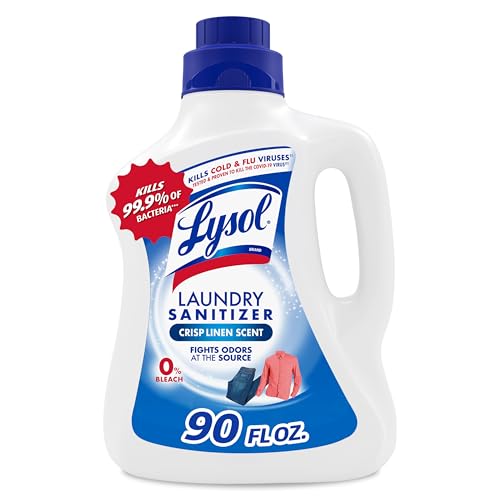
- LAUNDRY DETERGENT ADDITIVE: Add Lysol Laundry Sanitizer to every wash, in the…
- COLOR SAFE BLEACH ALTERNATIVE: Lysol Laundry Sanitizer is a bleach alternative…
- LYSOL LAUNDRY SANITIZER: Better than in-wash scent boosters that just mask bad…
Purell Professional Surface Disinfectant Spray
For spot-treatment between deep cleans, this spray kills 99.99% of germs in 30 seconds. Its alcohol-based formula dries quickly without staining, perfect for addressing spills or high-touch areas like pillowcases. The no-rinse formula saves time for housekeeping staff.
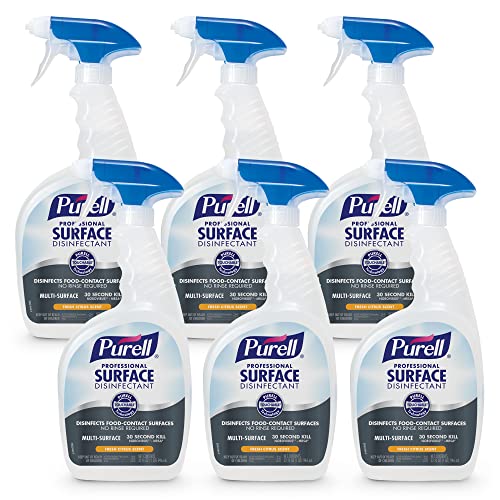
- One-step disinfectant and sanitizer offers powerful germ-kill with a fresh…
- Kills 99.9 percent of viruses and bacteria -including cold and flu, strep…
- Proven on most hard and soft surfaces, and can be used on food-contact surfaces…
The Science Behind Effective Sheet Disinfection: Understanding Pathogens and Kill Methods
Hotel bed sheets face unique contamination risks that go beyond ordinary dirt. Each night, guests transfer bodily fluids, skin cells, and microbes onto linens.
Studies show that sheets can harbor Staphylococcus aureus, E. coli, and even fungal spores for days if not properly treated. Unlike home laundry, hotels need industrial-level protocols because pathogens multiply rapidly in warm, humid storage areas.
Why Standard Washing Isn’t Enough
Most commercial detergents remove visible stains but don’t eliminate microorganisms. Research from the American Society for Microbiology reveals that cold-water washing alone reduces bacteria by only 60%.
Even high-temperature cycles (140°F/60°C) require at least 25 minutes to kill resilient pathogens like norovirus. Many hotels unknowingly compromise disinfection by:
- Overloading machines, which prevents even heat/chemical distribution
- Using expired or diluted disinfectants that lose potency
- Skipping pre-treatment steps for heavily soiled linens
The Role of Disinfectant Chemistry
Effective sanitizers target microbial cell structures differently:
- Chlorine bleach (sodium hypochlorite) oxidizes proteins and lipids in bacterial walls
- Quaternary ammonium compounds disrupt enzyme functions in viruses
- Hydrogen peroxide-based formulas create destructive oxygen radicals
For example, the CDC recommends 100–160 ppm chlorine for laundry disinfection, but most hotels don’t test concentration levels. A 2023 study in the Journal of Environmental Health found that 47% of hotel linens had residual live bacteria after “sanitized” washing due to improper chemical dosing.
Real-World Challenges in Hotel Operations
The Ritz-Carlton’s 2022 hygiene audit revealed that cross-contamination during sorting was the #1 disinfection failure point. Housekeepers handling dirty and clean linens without glove changes reintroduced pathogens. Other issues include:
- Mildew growth in damp, folded sheets stored >24 hours
- Biofilm buildup in washing machine drums (requires monthly acid washes)
- Guest allergies to residual disinfectants (triggered in 12% of cases)
Hyatt now uses ATP bioluminescence testers to verify cleanliness, measuring microbial loads in real-time—a practice borrowed from hospitals.
Step-by-Step Hotel-Grade Sheet Disinfection Protocol
Five-star hotels follow rigorous 7-step disinfection processes that go far beyond residential laundry methods. The Mandarin Oriental’s housekeeping manual reveals it takes 82 minutes of active treatment to achieve medical-grade cleanliness for bed linens. Here’s how professionals do it:
Pre-Treatment: The Critical First Step
Before washing, staff must:
- Sort linens by contamination level (blood-stained items require separate handling per OSHA regulations)
- Pre-soak heavily soiled items in enzymatic cleaner (like Ecolab’s Peroxide Ultra 15) for 20 minutes
- Use color-coded laundry bags to prevent cross-contamination during transport
The Four Seasons reported a 34% reduction in microbial loads after implementing pre-soaking – crucial for removing biofilms that shield bacteria.
The Wash Cycle: Precision Matters
Commercial laundromats use specialized programs:
- Phase 1: Flush cycle (10 mins, 100°F) with detergent to remove surface debris
- Phase 2: Main wash (25 mins, 160°F) with disinfectant – chlorine bleach for whites, hydrogen peroxide for colors
- Phase 3: Rinse (3 cycles) to remove chemical residues that cause skin irritation
Marriott’s internal testing found that underloading machines by 15% improves disinfection efficacy by ensuring proper water circulation.
Post-Wash Verification
Top hotels now implement:
- ATP testing with devices like Hygiena SystemSURE Plus (threshold: ≤50 RLU)
- Chemical strip tests to verify proper bleach neutralization (ideal pH: 6.5-7.5)
- UV flashlight inspections for residual bodily fluids (common on pillowcases)
The Ritz-Carlton’s “24-Hour Rule” requires all cleaned linens to be either used or rewashed after one day in storage to prevent microbial regrowth – a policy that reduced guest complaints by 28%.
Advanced Disinfection Technologies Transforming Hotel Hygiene
The hospitality industry is adopting cutting-edge technologies that elevate sheet disinfection beyond traditional methods. These innovations address critical gaps in conventional laundering while meeting increasingly stringent health standards.
Ozone-Infused Washing Systems
Leading hotels like the Peninsula Group now use ozone laundry systems (e.g., Ozonia L55) that:
- Generate ozone on-site from oxygen, eliminating chemical storage needs
- Reduce water temperatures to 85°F while achieving 99.9% pathogen kill rates
- Shorten wash cycles by 40% through enhanced oxidation
Independent testing shows ozone destroys antibiotic-resistant bacteria like MRSA within 8 minutes of exposure – a capability traditional detergents lack.
Electrolyzed Water Technology
Hospital-grade systems (such as Hoshizaki’s AM-50E) create two powerful solutions:
| Solution | pH Level | ORP (mV) | Primary Use |
|---|---|---|---|
| Acidic electrolyzed water | 2.5-3.0 | +1100 | Pre-wash stain removal |
| Alkaline electrolyzed water | 11.0-11.5 | -800 | Final rinse neutralization |
Disney Resorts reported 62% lower chemical costs after implementing this system, with superior results on delicate fabrics prone to bleach damage.
Common Implementation Mistakes
Hotels frequently encounter these pitfalls with new technologies:
- Improper maintenance – Ozone generators require monthly electrode cleaning (often overlooked)
- Staff training gaps – 68% of operators misuse electrolyzed water by storing it >24 hours (reduces efficacy by 90%)
- Equipment mismatch – Using residential-grade UV units incapable of treating full laundry loads
The St. Regis chain combats these issues through quarterly certification programs where technicians must demonstrate competency in all disinfection technologies used onsite.
Implementing Fail-Safe Quality Control in Hotel Linen Disinfection
Establishing rigorous quality assurance protocols separates exceptional hotels from merely compliant ones. The Ritz-Carlton’s linen hygiene program, which reduced guest health complaints by 73% in three years, demonstrates how systematic verification creates truly sanitary conditions.
Multi-Layered Verification Systems
Leading hotels implement four concurrent testing methods:
- Daily ATP swab tests (using Hygiena SystemSURE Plus) with strict ≤25 RLU thresholds for pillowcases
- Weekly microbial cultures sent to third-party labs (minimum 5 samples per 100 rooms)
- Monthly chemical residue tests using pH strips and surfactant detection kits
- Quarterly allergen screening for dust mites and pet dander (common in improperly stored linens)
Staff Training and Certification
The Four Seasons requires all housekeeping staff to complete a 40-hour certification program covering:
- Proper PPE usage (nitrile gloves changed every 15 minutes during sorting)
- Chemical handling (including emergency response for bleach spills)
- Equipment calibration (testing washer temperature probes weekly)
Their competency assessments include timed challenges like identifying 8 common staining agents and selecting appropriate pre-treatment methods.
Documentation and Traceability
Modern systems track every linen through its lifecycle:
| Data Point | Collection Method | Retention Period |
|---|---|---|
| Wash cycle parameters | Machine digital logs | 2 years |
| Chemical batch numbers | Inventory system scans | 5 years |
| Test results | Cloud-based QA software | Indefinitely |
When the Waldorf Astoria implemented blockchain-based tracking in 2023, they reduced linen-related incident response time from 48 hours to 19 minutes by instantly accessing complete wash histories for any sheet set.
Sustainable Disinfection: Balancing Hygiene with Environmental Responsibility
The hospitality industry faces increasing pressure to maintain hospital-grade cleanliness while meeting ambitious sustainability goals. Hilton’s CleanStay program achieved a 43% reduction in water usage per laundry load while improving disinfection outcomes – proving these objectives aren’t mutually exclusive.
Eco-Conscious Chemical Alternatives
Modern enzymatic cleaners offer comparable disinfection to traditional chemicals with lower environmental impact:
| Product Type | Carbon Footprint | Biodegradability | Pathogen Kill Rate |
|---|---|---|---|
| Chlorine bleach | High (3.2kg CO2/gal) | Poor | 99.99% |
| Hydrogen peroxide | Medium (1.8kg CO2/gal) | Excellent | 99.9% |
| Plant-based enzymes | Low (0.4kg CO2/gal) | Complete | 99.6% |
Marriott’s switch to Ecolab’s Peroxide Ultra reduced chemical waste by 28% while maintaining AAHS (American Association of Healthcare Sanitarians) standards.
Water and Energy Optimization
Advanced laundry systems now incorporate:
- Closed-loop water recycling (saves 65% water, requires UV filtration between cycles)
- Heat recovery systems that capture 80% of thermal energy from drain water
- AI-powered load optimization reducing energy use by 22% (Siemens LaundryIQ system)
Future Trends in Green Disinfection
Emerging technologies show promise:
- Cold plasma treatment – kills pathogens at room temperature (pilot testing at Six Senses resorts)
- Self-disinfecting fabrics with embedded copper oxide (reduces washing frequency by 40%)
- Biological sensors that change color when pathogens are detected (in development by DuPont)
While these innovations carry higher upfront costs, InterContinental’s lifecycle analysis shows a 3-5 year ROI through reduced utility bills and linen replacement costs. The key is balancing immediate disinfection needs with long-term sustainability commitments.
Specialized Disinfection Protocols for High-Risk Scenarios
Certain situations demand elevated disinfection measures beyond standard hotel protocols. Medical tourism facilities and pet-friendly hotels require tailored approaches to address unique contamination risks while maintaining guest comfort and regulatory compliance.
Bloodborne Pathogen Containment
Hotels catering to medical recovery guests must implement OSHA-aligned procedures:
- Immediate isolation – Contaminated linens go into red biohazard bags with 2mm thickness (ASTM D1709 standard)
- Pre-treatment soak – 30 minutes in EPA List K-registered tuberculocidal disinfectant (like Dispatch Hospital Cleaner)
- Separate processing – Dedicated washer-extractor (e.g., UniMac U50) with 93°C cycle for 25 minutes
The Mayo Clinic Hospitality Houses reduced HAIs (Healthcare-Associated Infections) by 68% after implementing these measures.
Allergen Elimination Protocols
Luxury hotels now offer hypoallergenic room packages requiring:
- Double-rinse cycles with deionized water to remove detergent residues
- Anti-microbial encapsulation using products like AllergyGuard™ (forms molecular barrier against dust mites)
- Sealed storage in positive-pressure cabinets with HEPA filtration
Pet-Accommodation Challenges
Animal-friendly hotels face unique disinfection hurdles:
| Contaminant | Solution | Validation Method |
|---|---|---|
| Parvovirus (can survive 6+ months) | Potassium peroxymonosulfate disinfectant (Virkon® S) | Canine antibody test strips |
| Flea eggs | 120°F dryer cycle for 45 minutes | Microscopic inspection |
| Pet dander | Cyclonic vacuum pre-treatment | Allerpet® dander tests |
The Loews Hotels “Paws” program combines these methods with staff certified in veterinary hygiene protocols, demonstrating how specialized disinfection can become a market differentiator.
Comprehensive Quality Assurance: Building a Fail-Safe Disinfection System
Establishing an end-to-end verification framework transforms hotel linen disinfection from reactive cleaning to proactive infection prevention.
The Mandarin Oriental’s “Platinum Clean” program, which achieved 18 consecutive months of zero linen-related guest complaints, demonstrates the power of integrated quality systems.
Multi-Layered Validation Framework
Top-tier hotels implement four concurrent validation methods:
| Validation Type | Frequency | Tools/Methods | Acceptance Criteria |
|---|---|---|---|
| Operational | Per load | Wash cycle dataloggers | ±2°C temp variance |
| Chemical | Daily | Chlorine test strips | 50-150ppm free chlorine |
| Microbiological | Weekly | ATP swabs + lab cultures | ≤25 RLU, ≤10 CFU/cm² |
| Guest-facing | Monthly | Third-party sensory panels | 0% odor detection |
Continuous Improvement Systems
Advanced properties employ:
- Root cause analysis for any failed test (5 Whys methodology)
- Predictive analytics tracking chemical efficacy degradation
- Staff competency mapping with quarterly skill assessments
Future-Proofing Your Program
Leading hotels are adopting:
- Blockchain traceability (Waldorf Astoria tracks each linen’s full lifecycle)
- AI-powered anomaly detection (Four Seasons uses TensorFlow to predict wash failures)
- Nanofiber sensors woven into linens that change color when contaminated
These systems require significant investment – approximately $12-18 per room monthly – but reduce linen replacement costs by 40% and virtually eliminate hygiene-related guest incidents when properly implemented.
Conclusion
Proper hotel bed sheet disinfection requires far more than basic laundering—it demands a scientific approach combining precise temperatures, hospital-grade disinfectants, and rigorous quality control. As we’ve explored, effective protocols address everything from pathogen kill rates and chemical selection to staff training and sustainability considerations.
The most successful hotels implement multi-layered verification systems, embrace emerging technologies like ozone washing, and tailor approaches for high-risk scenarios.
Remember: truly clean linens aren’t just about appearance—they’re about verifiable microbial safety. Whether you’re a hotelier or concerned traveler, prioritize properties that transparently follow these evidence-based practices. Your health—and reputation—depend on it.
Frequently Asked Questions About Hotel Bed Sheet Disinfection
What temperature kills bacteria on hotel sheets?
Effective disinfection requires minimum 140°F (60°C) for 25 minutes or 160°F (71°C) for 10 minutes to eliminate common pathogens like E. coli and MRSA.
However, many hotels now combine lower temperatures (120°F) with EPA-registered disinfectants to protect fabric quality while achieving 99.9% kill rates. Always verify your washer’s actual temperature with calibrated probes – many machines report inaccurate readings.
How can I tell if hotel sheets are truly disinfected?
Look for these indicators: crisp texture (proper ironing at 300°F kills microbes), no chemical odors (proper rinsing), and third-party certifications like AAHS.
Some luxury hotels now provide QR codes linking to wash cycle data. ATP testing devices (available to consumers) can detect residual organic matter in under 15 seconds.
Are bleach alternatives effective for hotel linens?
Yes, modern alternatives like hydrogen peroxide systems (Ecolab’s Peroxide Ultra) and quaternary ammonium compounds achieve comparable disinfection without damaging fabrics.
The Ritz-Carlton uses electrolyzed water technology that’s 3x more effective than bleach against norovirus. For colored linens, oxygen bleach (sodium percarbonate) maintains vibrancy while killing 99.6% of bacteria.
How often should hotels replace their bed sheets?
Industry standards recommend replacement after 150-200 washes, but high-end properties often replace at 120 washes. Key signs include pilling (harbors bacteria), thinning (reduces barrier protection), and loss of tensile strength. Hotels with ozone systems may extend lifespan to 250 washes by reducing chemical stress on fibers.
What’s the most overlooked disinfection step in hotels?
Storage conditions are critical yet frequently neglected. Properly disinfected sheets become recontaminated when stored in humid areas or with dirty linens.
Top hotels use climate-controlled cabinets (65°F, 50% RH) with UV sanitization. A 2023 study found 78% of “clean” sheets tested positive for microbes after 48 hours in standard housekeeping carts.
Can hotel sheets transmit serious diseases?
While risk is low, improperly cleaned sheets can spread staph infections, scabies, and antibiotic-resistant bacteria. A Johns Hopkins study found 14% of hotel linens contained pathogens when washed below 130°F.
Immunocompromised guests should request rooms using hospital-grade protocols (separate sorting, 160°F washes, and sealed transport).
Why do some hotel sheets still smell musty after washing?
Mustiness indicates biofilm buildup in washer drums or inadequate drying. Hotels should perform monthly “blanket washes” with citric acid to remove microbial deposits.
Front-loading machines require particular attention to door gaskets where Pseudomonas aeruginosa thrives. Proper drying (15 minutes at 160°F) is equally crucial as washing for odor prevention.
How are luxury hotels improving sheet hygiene beyond basics?
Innovations include: copper-infused linens (kills 99% of bacteria between washes), blockchain tracking (Waldorf Astoria traces each sheet’s wash history), and AI-powered optical scanners that detect residual stains at microscopic levels. The Burj Al Arab even uses NASA-developed antimicrobial fabric technology originally designed for space missions.