
Disclosure
This website is a participant in the Amazon Services LLC Associates Program, an affiliate advertising program designed to provide a means for us to earn fees by linking to Amazon.com and affiliated sites.
Finding the right topper width for your RV queen bed is crucial for comfort and a proper fit. An ill-fitting mattress topper can shift and bunch, ruining your sleep on the road.
RV queen mattresses are often a non-standard “short queen” size, typically 60 inches wide by 75 inches long. Using a standard residential queen topper, which is 60×80 inches, will result in a five-inch overhang.
Waking Up Achy Because Your RV Mattress Feels Like a Board?
RV queen mattresses are notoriously thin and unforgiving, turning every bump in the road into a sore spot in your back. The BedStory Firm 3-Inch Topper is the perfect, RV-specific solution. Its precise dimensions ensure a perfect fit without overhang, while the supportive foam layer adds crucial cushioning to transform a rigid sleep surface into a comfortable retreat.
For a guaranteed fit and firm support, choose: BedStory Firm Mattress Topper 3 Inch
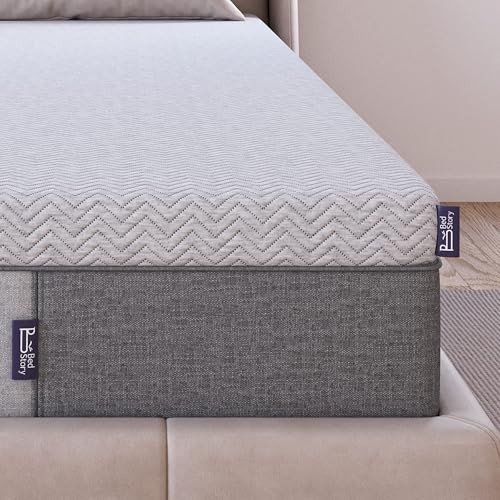
- RELIEVE PAIN & PROTECT THE SPINE - 2-layer pressure-relieving firm memory foam...
- 2-LAYER DESIGN & OPTIONAL FIRMNESS - Featuring double-layer foam design, the top...
- REMOVE MOISTURE & ALLEVIATE FATIGUE - Fusion memory foam contains bamboo...
RV Queen Bed Dimensions and Topper Sizes
Selecting the correct mattress topper begins with precise measurements. The term “RV queen” often refers to a unique, space-saving size. This distinction is the most critical factor for a perfect fit.
Standard Short Queen vs. Residential Queen Dimensions
The primary difference lies in the length of the mattress. A residential queen is designed for spacious bedrooms, while an RV queen accommodates compact living areas.
- RV Short Queen: Measures 60 inches wide by 75 inches long. This is the most common RV queen size.
- Residential Standard Queen: Measures 60 inches wide by 80 inches long. This size will overhang in an RV.
- Three-Quarter Queen: A less common 48″ x 75″ size; always verify your bed’s exact measurements.
How to Measure Your RV Bed for a Topper
Accurate measurement ensures you purchase the right product. Follow these simple steps for the best results.
- Remove all bedding to expose the bare mattress.
- Use a metal tape measure for accuracy, measuring from edge to edge.
- Record the width and length in inches, and note the mattress thickness.
Measure twice to confirm your numbers. This simple step prevents the hassle of returns and ensures your sleep surface is fully covered.
| Bed Type | Width (inches) | Length (inches) | Recommended Topper |
|---|---|---|---|
| RV Short Queen | 60 | 75 | Short Queen (60″ x 75″) |
| Residential Queen | 60 | 80 | Standard Queen (60″ x 80″) |
| Three-Quarter Queen | 48 | 75 | Three-Quarter Queen (48″ x 75″) |
Choosing the Right Mattress Topper Material for Your RV
The material of your topper directly impacts comfort, durability, and temperature regulation. Your choice should align with your sleep preferences and travel climate. This decision is as important as selecting the correct size.
Comparing Common Topper Materials and RV Suitability
Each material offers distinct benefits for life on the road. Your priority might be pressure relief, cooling, or hypoallergenic properties.
- Memory Foam: Excellent for pressure point relief and motion isolation. Can sleep warm and may off-gas initially; look for gel-infused or open-cell variants.
- Latex (Natural or Synthetic): Durable, responsive, and naturally cooler and more breathable than memory foam. It is also resistant to dust mites and mold.
- Wool or Feather Down: Provides plush, traditional comfort and good temperature regulation. May require frequent fluffing and can trigger allergies.
- Bamboo or Cooling Gel: Often used as a cover material; these are designed specifically for temperature control and moisture-wicking.
Ensuring a Secure Fit and Easy Maintenance
A topper that slides off the mattress creates a nightly nuisance. Proper securing mechanisms are essential for RV beds, which may be in corners or on platforms.
Look for toppers with deep pockets or strong elastic straps designed for the specific depth of your RV mattress. A fitted skirt or non-slip bottom layer can also prevent shifting during travel. For maintenance, prioritize removable, machine-washable covers to handle spills and keep the sleeping area fresh in a compact space.
| Material | Best For | RV Consideration |
|---|---|---|
| Memory Foam | Pressure relief, motion isolation | May retain heat; allow for ventilation |
| Latex | Durability, cooling, responsiveness | Excellent for varied climates |
| Wool/Down | Plush comfort, temperature regulation | Requires fluffing; check for allergies |
| Bamboo/Cooling Cover | Hot sleepers, moisture wicking | Ideal for summer travel; easy to clean |
Where to Buy and How to Install Your RV Mattress Topper
Knowing where to shop and how to properly set up your topper completes the process. Specialized retailers often provide the best fit for RV-specific sizes. Proper installation ensures you get the full comfort and longevity from your purchase.
Top Retailers for RV-Specific Bed Toppers
Not all mattress or department stores carry the short queen size. Focus your search on vendors familiar with the unique needs of RV owners.
- RV Dealerships and Specialty Stores: These often carry bedding specifically sized for various RV models, ensuring an exact fit.
- Online Marketplaces (Amazon, Walmart): Search using the precise term “short queen mattress topper” and always double-check product dimensions in the description.
- Direct-to-Consumer Bedding Brands: Some companies now offer RV sizes; check their size charts meticulously before ordering.
- Camping World and The RV Parts Store: These are dedicated retailers with extensive inventories of RV comfort products.
Step-by-Step Installation and Care Guide
A correct setup protects your investment. Follow these steps for a smooth installation in your RV’s potentially tight bedroom space.
- Unpack the topper on a flat surface and allow it to air out and expand fully, especially if compressed for shipping.
- Center the topper perfectly on your bare RV mattress, aligning the corners. Ensure any securing straps are tucked under.
- Secure a fitted mattress protector or sheet over the topper to hold it in place and simplify future bedding changes.
For care, regularly air out the topper and use a waterproof, breathable mattress protector. Spot clean as needed and follow the manufacturer’s instructions for washing any removable covers to maintain hygiene in your compact living space.
Fixing a Shifting or Ill-Fitting Mattress Topper
A topper that bunches or slides is a common frustration in an RV. This is often due to a slight size mismatch or the mattress’s slick surface.
- Use a Non-Slip Pad: Place a grippy, rubberized mattress pad between the topper and the mattress. This creates friction and prevents movement.
- Topper Suspenders/Straps: These elastic bands stretch under the mattress to anchor the topper at each corner, providing a secure hold.
- Deep-Pocket Fitted Sheet: Use a sheet with pockets deep enough to encase both the mattress and the topper’s combined height, locking it down.
Addressing Comfort and Temperature Concerns
Material choice directly affects sleep temperature and feel. If your topper isn’t comfortable, you can often adjust your setup.
For a topper that sleeps too hot, add a breathable, moisture-wicking mattress protector made from bamboo or Tencel. If the topper feels too firm, a plush, padded mattress pad on top can add a softening layer. Conversely, if it’s too soft, placing a firmer, thinner pad underneath can provide needed support.
| Common Problem | Likely Cause | Quick Solution |
|---|---|---|
| Topper slides off | Slick mattress surface, loose fit | Non-slip pad or suspender straps |
| Sleeping too hot | Memory foam material, lack of breathability | Cooling gel pad or bamboo protector |
| Corners not fitting | Mattress depth greater than topper pocket | Use topper straps or a deep-pocket sheet |
| Odors after unpacking | Off-gassing from compressed foam | Allow 48-72 hours of ventilation in a well-ventilated space |
Maximizing Value: Cost Considerations and Long-Term Care
Investing in an RV mattress topper involves balancing budget with quality for lasting comfort. price factors and proper maintenance protects your purchase. Smart shopping extends the life of your bedding upgrade.
Price Ranges and What You Pay For
Topper prices vary widely based on material, thickness, and brand. Knowing what influences cost helps you make an informed decision.
- Material Quality: Natural latex and high-density memory foam are more expensive but offer superior longevity and support compared to basic polyurethane foam.
- Thickness and Density: A 3-inch topper typically costs more than a 2-inch one. Higher density (measured in lbs/cu ft) also increases price and improves durability.
- Special Features: Cooling gel infusions, organic certifications, and advanced fabric covers add to the cost but address specific comfort needs.
- RV-Specific Sizing: Short queen toppers may have a slight price premium over standard sizes due to lower production volumes.
Essential Maintenance for Prolonging Topper Life
Regular care is simple but crucial, especially in the variable climate of a recreational vehicle. Follow a consistent routine to keep your topper fresh.
- Use a zippered, waterproof, and breathable mattress encasement. This is your first line of defense against moisture and allergens.
- Air out the topper regularly by removing bedding and opening windows or vents when the RV is not in use to prevent mildew.
- Rotate the topper head-to-foot every three to six months. This ensures even wear and prevents permanent body impressions from forming.
For cleaning, always follow the manufacturer’s label. Most topper cores should not be washed; instead, spot clean stains and frequently wash the removable cover. Avoid excessive moisture, which can damage foam layers and promote mold growth in confined spaces.
Expert Tips for the Ultimate RV Sleep Setup
Beyond just the topper, your overall sleep environment in the RV determines rest quality. Layering bedding correctly and managing the climate are final, crucial steps. These professional strategies ensure every trip includes rejuvenating sleep.
Layering Your Bedding for All-Season Comfort
A strategic bedding system provides versatility for warm summers and cool nights. This method lets you adapt quickly without changing the core topper.
- Base Layer: Your correctly sized mattress topper provides the foundational comfort and pressure relief.
- Protective Layer: A waterproof, breathable mattress protector safeguards your investment from spills and allergens.
- Adaptive Layers: Use separate blankets and quilts instead of one heavy comforter. This allows you to add or remove warmth as needed.
- Top Layer: Choose sheets made from natural fibers like cotton or bamboo for breathability and moisture-wicking comfort.
Optimizing the RV Bedroom Environment
The small space of an RV bedroom requires active management for ideal sleep conditions. Focus on air circulation and light control.
Ensure adequate ventilation by using roof vents or a small, quiet fan to circulate air and prevent the sleep space from feeling stuffy. Use blackout curtains or a sleep mask to block early morning light, which is essential for maintaining sleep schedules while camping. Finally, consider moisture-absorbing products like small desiccants to control humidity levels inside the RV, protecting your mattress and topper from dampness.
| Sleep Challenge | RV-Specific Solution | Product Example |
|---|---|---|
| Variable Temperatures | Layered bedding system | Separate sheet, blanket, quilt |
| Poor Air Circulation | Active ventilation | 12V roof fan or clip-on bed fan |
| Excess Morning Light | Complete light blocking | Custom-fit blackout curtains |
| Humidity & Moisture | Moisture control | Reusable desiccant dehumidifiers |
Final Checklist Before You Buy an RV Mattress Topper
Use this practical checklist to ensure you select the perfect topper on the first try. It consolidates all critical considerations into one simple guide. Following these steps prevents costly mistakes and returns.
The Essential Pre-Purchase Verification List
Complete these tasks before clicking “buy” or making a purchase in-store. This due diligence is the most important step.
- Measure Your Mattress: Record exact width, length, and depth (thickness) in inches. Confirm it is a 60″ x 75″ short queen.
- Identify Your Sleep Need: Determine if you require more softness, cooling, support for back pain, or motion isolation.
- Set Your Budget: Factor in the cost of necessary accessories like a non-slip pad or protective cover.
- Research Materials: Match your sleep need from step 2 to the appropriate material (e.g., cooling gel foam for hot sleepers).
- Check Return Policies: Verify the seller’s return window and process, especially for online purchases, in case the fit or feel isn’t right.
Quick-Reference Topper Selection Guide
Use this table to narrow down your options based on common priorities. It provides a clear starting point for your search.
| Your Primary Goal | Recommended Topper Type | Key Feature to Look For |
|---|---|---|
| Relieve Back Pain & Pressure | Medium-firm Memory Foam (3″+) | High density (4 lbs/cu ft or more) |
| Stay Cool at Night | Latex or Gel-Infused Memory Foam | Breathable cover, open-cell structure |
| Add Plush, Soft Comfort | Pillow-Top or Feather/Down | High fill power, quilted top |
| Durability & Resilience | Natural or Synthetic Latex | Dunlop or Talalay process |
| Budget-Friendly Upgrade | Egg Crate or Basic Polyfoam | Adequate thickness (2-3 inches) |
Best Recommended RV Queen Mattress Toppers
Based on common RV sleep needs, these three toppers offer excellent solutions. Each is available in the crucial short queen size for a proper fit. Consider your primary comfort goal when choosing.
NicePlus Dual Layer 4 Inch Memory Foam Mattress Topper – Best for Pressure Relief
This topper combines a 2-inch cooling gel foam layer with a 2-inch supportive base foam. The dual-layer design provides contouring comfort that eases joint pain while helping to regulate sleep temperature for a restful night.
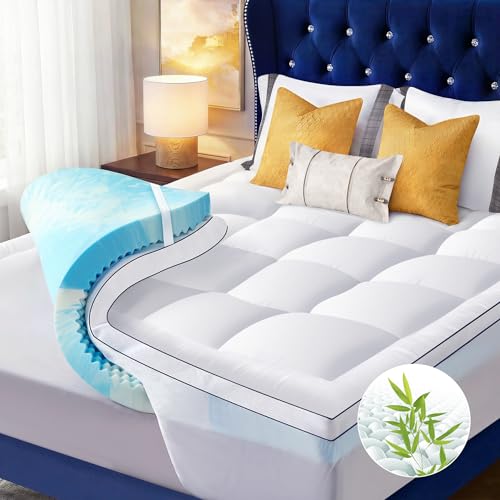
- 2-in-1 Double-Layer Mattress Topper: Featuring a dual-layer structure, designed...
- Relieves Pain & Supports Restful Sleep: The soft mattress topper bottom features...
- Cooling & Breathable: The 4 inch mattress topper fabric contains 40% Viscose...
Niagara Sleep Solution Ultra Soft Mattress Topper – Best for Plush Softness
Ideal for adding a cloud-like feel to a firm mattress. It features a luxurious 400TC cotton cover and fiberfill baffle box construction that prevents shifting. This topper delivers exceptional softness and traditional comfort.

- ULTRA SOFT: Niagara Queen Mattress Topper is made from viscose made from bamboo...
- CLOUD-LIKE SLEEP: This queen mattress topper adds an extra cushion to...
- EASY TO USE: The cooling bed pad has a deep pocket, is easy to put on, and has...
COONP King Mattress Topper – Best Cooling Option
Designed for hot sleepers, this topper uses 3-inch ventilated gel memory foam with a breathable bamboo cover. The air-flow channels and cooling materials work together to dissipate heat, promoting a cooler sleep surface all night.

- 1.Extra Thick and Luxury Comfort: Drift into a sounder, deeper sleep on this...
- 2.Cool and Breathable: The top surface features good ventilation and distributes...
- 3.Elastic Deep Pocket: Elastic deep pocket will wrap mattress(8-21") tightly. It...
Conclusion
Finding the correct topper width for your RV queen bed is the essential first step to better sleep on the road. By accurately measuring for a short queen size and selecting a material that matches your comfort needs, you can transform your RV mattress.
The main point is to prioritize the precise 60″ x 75″ dimensions, then invest in a quality topper and protective cover. This simple upgrade ensures restful nights and enhances your overall travel experience, making every destination feel like home.
Frequently Asked Questions about What Topper Width Fits An RV Queen Bed
What is the exact size of an RV queen mattress?
An RV queen mattress, often called a short queen, is typically 60 inches wide by 75 inches long. This is the most common size, but you must always measure your specific bed. Some RVs may have a three-quarter queen, which is 48 inches wide.
The five-inch shorter length compared to a standard 80-inch queen saves crucial space in the RV’s floor plan. Confirming this measurement before buying any bedding is the single most important step to ensure a proper fit.
Can I use a regular queen mattress topper in my RV?
You can, but it is not recommended. A standard residential queen topper measures 60 inches by 80 inches. This will result in a five-inch overhang at the foot of your 75-inch RV mattress.
This overhang can cause the topper to bunch up, slide off, and create an uncomfortable sleeping surface. For a secure, flush fit that maximizes comfort, a specifically sized short queen topper is always the best choice.
How do I stop my mattress topper from sliding in the RV?
A sliding topper is a common issue. The most effective solution is to use a non-slip mattress pad or gripper sheet placed between the topper and the mattress. This rubberized material creates friction.
Alternatively, you can use mattress topper suspenders or straps that anchor the corners under the mattress. A deep-pocket fitted sheet that tightly encases both the mattress and topper can also help hold everything securely in place.
Which mattress topper material is best for hot sleepers in an RV?
For hot sleepers, breathable materials like natural latex or gel-infused memory foam are excellent choices. These materials are designed to dissipate heat more effectively than traditional memory foam.
Look for toppers with ventilated designs or open-cell structures and pair them with a moisture-wicking bamboo or Tencel cover. Proper ventilation in the RV bedroom itself is also crucial for temperature control.
Are mattress toppers worth it for an RV bed?
Yes, a quality mattress topper is one of the most valuable upgrades for RV comfort. Most RV factory mattresses are thin and lack support. A topper can add cushioning, relieve pressure points, and extend the life of the existing mattress.
The investment significantly improves sleep quality, which is essential for enjoying your travels. It is a far more cost-effective solution than replacing the entire RV mattress.
How do I clean and maintain my RV mattress topper?
Always use a removable, machine-washable mattress protector as your first line of defense. For the topper itself, spot clean any stains with a mild detergent and allow it to air dry completely to prevent mold.
Regularly air out the topper by removing bedding and opening vents. Rotate it head-to-foot every few months to ensure even wear. Never saturate the foam core with water or liquid cleaners.