
Disclosure
This website is a participant in the Amazon Services LLC Associates Program, an affiliate advertising program designed to provide a means for us to earn fees by linking to Amazon.com and affiliated sites.
Choosing the right topper weight is crucial for comfort and support. It directly impacts your sleep quality and mattress longevity, making it a key purchase decision.
Your ideal weight depends on your primary sleep position and body type. Side sleepers often need heavier toppers for pressure relief, while back sleepers may prefer lighter options.
Waking Up Achy Because Your Mattress Feels Like a Rock?
That relentless firmness isn’t just uncomfortable; it steals your sleep and leaves you sore. The BedStory Firm Mattress Topper 3 Inch adds a crucial, supportive cushion that transforms a punishing surface into a perfectly balanced sleep haven, targeting pressure points for immediate relief and deeper rest.
For transformative comfort and support, choose the: BedStory Firm Mattress Topper 3 Inch
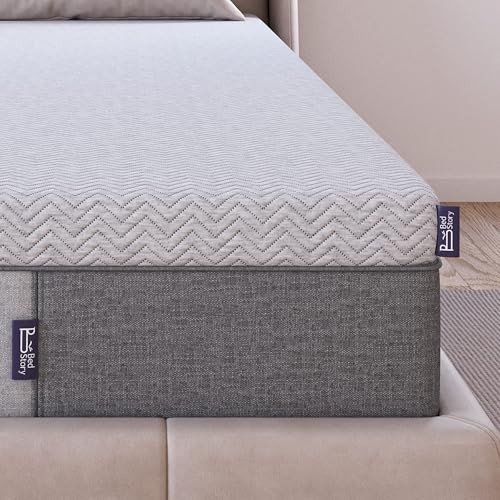
- RELIEVE PAIN & PROTECT THE SPINE - 2-layer pressure-relieving firm memory foam...
- 2-LAYER DESIGN & OPTIONAL FIRMNESS - Featuring double-layer foam design, the top...
- REMOVE MOISTURE & ALLEVIATE FATIGUE - Fusion memory foam contains bamboo...
Topper Weight and Density for Optimal Comfort
The weight of a mattress topper, often measured in pounds per cubic foot (PCF), indicates its density and support level. This specification is more important than thickness alone for determining durability and feel. Selecting the correct density prevents premature sagging and ensures proper spinal alignment.
How Topper Density Affects Sleep Quality
Density directly correlates with how the topper conforms to your body and resists wear. A low-density topper will feel soft initially but may flatten quickly. A high-density option provides firmer, more consistent support over many years.
- Low Density (Under 3 PCF): Best for lightweight sleepers or guest beds needing a plush, temporary soft layer.
- Medium Density (3 to 4 PCF): The most common choice, balancing comfort and support for average-weight sleepers.
- High Density (Over 4 PCF): Essential for heavier individuals or those seeking durable, firm contouring and pressure relief.
Matching Your Body Weight to Topper Density
Your body weight is the primary factor for choosing the right topper weight. A mismatch can lead to discomfort, poor sleep posture, and a shortened product lifespan. Use this simple guide to find your starting point.
For example, a person weighing 120 pounds may find a 3 PCF memory foam topper perfectly supportive. Conversely, someone over 230 pounds will likely need a 5 PCF or higher topper to prevent bottoming out and ensure adequate support.
Choosing Topper Weight Based on Your Sleep Position
Your preferred sleep position dictates the pressure points on your body. The correct topper weight and firmness will cushion these areas effectively. This alignment is key for preventing morning aches and improving rest.
Best Topper Weight for Side Sleepers
Side sleepers need a heavier, plusher topper to cushion the shoulders and hips. A medium to high-density memory foam or soft latex topper is often ideal. This prevents pressure buildup and keeps the spine in a neutral line.
- Primary Need: Pressure relief at shoulders and hips.
- Recommended Density: 3.5 to 4.5 PCF for contouring without sinking too deep.
- Example: A 4 PCF memory foam topper allows the shoulder to sink in just enough to align the spine.
Ideal Topper Firmness for Back and Stomach Sleepers
Back and stomach sleepers generally require a lighter, firmer topper to maintain support. Too much sinkage can cause the lower back to sag or the neck to crane. A medium-density topper or a firm option works best here.
For instance, a stomach sleeper might choose a 3 PCF firm latex topper. This provides a supportive, responsive surface that prevents the midsection from dipping too far into the mattress.
| Sleep Position | Recommended Topper Feel | Target Density (PCF) Guide |
|---|---|---|
| Side | Plush, Contouring | 3.5 – 4.5+ |
| Back | Medium-Firm, Supportive | 3.0 – 4.0 |
| Stomach | Firm, Responsive | 3.0 – 3.5 (Firm Feel) |
Material Types and Their Impact on Topper Weight Selection
Different topper materials have unique properties that influence the ideal weight and feel. these differences helps you match the material to your comfort and support goals. The density requirement can vary significantly between foam, latex, and fiberfill.
Memory Foam and Latex Density Explained
Memory foam is known for its deep contouring and pressure relief, which relies on adequate density. Latex offers a more buoyant, responsive support with different firmness levels. Choosing the right density in these materials is critical for performance.
- Memory Foam: Density is paramount. For durability, never choose memory foam under 3 PCF. High-quality options range from 4 to 5 PCF for lasting support.
- Latex: Measured in ILD (Indentation Load Deflection) rather than PCF. A higher ILD indicates a firmer feel. Look for natural or blended latex for best resilience.
- Comparison: A 4 PCF memory foam topper will feel much plusher and slower-moving than a medium-firm latex topper of similar thickness.
Lightweight Alternatives: Fiber and Down
Fiberfill and feather down toppers are measured by fill power or loft, not density. These are excellent for adding softness and warmth without significant weight or firmness. They are ideal for sleepers who find foam too hot or too conforming.
For example, a down-alternative topper adds a cloud-like layer perfect for someone with a firm mattress that just needs a touch of plushness. These materials require fluffing and lack the supportive structure of foam or latex.
Step-by-Step Guide to Finalizing Your Choice
Follow this simple process to narrow down the perfect topper weight for your needs. Combining all factors leads to a confident purchase.
- Assess Your Mattress: Identify if you need to add softness to a firm bed or support to a sagging one.
- Consider Sleep Position & Weight: Use the previous sections to determine your target density range.
- Select Your Material: Choose based on desired feel (contouring, bounce, plush loft) and budget.
- Check Specifications: Always verify the density (PCF for foam) or ILD (for latex) before buying.
Common Mistakes to Avoid When Buying a Mattress Topper
Selecting the wrong topper weight can waste money and worsen sleep. Many buyers focus only on price or thickness, overlooking critical specifications. Avoiding these common errors ensures your investment enhances your mattress effectively.
Overlooking Density for Thickness and Price
A thick, low-density topper will compress quickly, offering temporary comfort only. The cheapest option often uses inferior, low-density foam that fails within months. Always prioritize the density rating over the listed height or cost.
- Mistake: Choosing a 4-inch topper with 2.5 PCF foam because it seems like a great deal.
- Result: The topper loses its shape, provides no support, and needs replacement within a year.
- Solution: A 2-inch topper with 4.5 PCF foam will be more durable and supportive long-term.
Ignoring Your Existing Mattress Condition
A topper cannot fix a severely sagging or broken-down mattress. Adding a soft, heavy topper to a failed mattress often exacerbates support issues. The foundation must be structurally sound for a topper to perform correctly.
For instance, placing a plush memory foam topper on a decade-old mattress with a deep body impression will not level the surface. You will likely still feel the dip, leading to poor spinal alignment.
| Mistake | Why It’s a Problem | Better Approach |
|---|---|---|
| Buying by thickness alone | Does not indicate support or longevity. | Research material density (PCF/ILD) first. |
| Mismatching firmness to sleep position | Creates new pressure points and aches. | Use the sleep position guide in Section 2. |
| Using a topper to salvage a dead mattress | Wastes money; underlying support is gone. | Replace the mattress if it has major sagging. |
Final Checklist and Where to Find Topper Weight Information
Before you complete your purchase, use this final checklist to confirm your choice. Knowing exactly where to find the technical specifications prevents guesswork and ensures you get the product you expect. This step is crucial for online shopping where you cannot test the product first.
Your Pre-Purchase Topper Weight Checklist
Run through these key points to validate your selection matches all your criteria. This consolidates the guidance from previous sections into a simple verification list.
- Confirmed Density/Firmness: Have you checked the PCF for foam or ILD for latex against your body weight and sleep position?
- Material Suitability: Does the material (memory foam, latex, down) match your desired feel and temperature needs?
- Mattress Compatibility: Is your current mattress in good enough condition to support the topper effectively?
- Return Policy & Trial: Does the retailer offer a sleep trial or a clear return policy in case the weight or feel is wrong?
Locating Accurate Product Specifications
Manufacturers sometimes hide or obscure density information. The product title and images rarely tell the full story. You must dig into the detailed product description or specification sheet.
- Primary Source: Scroll to the “Specifications,” “Features,” or “Details” tab on the product page. Look for “Density” or “Weight.”
- Secondary Source: Check the FAQ section or customer Q&A. Often, the manufacturer responds to questions about density.
- Last Resort: If details are missing, contact customer service directly. A reputable brand will provide the density in pounds per cubic foot (PCF).
Armed with this checklist and knowledge of where to look, you can shop with confidence. You will avoid vague marketing terms and select a topper with the precise weight and density your sleep requires for lasting comfort.
How Much Heavier is a High-Density Topper?
The physical weight difference is noticeable but manageable. A high-density topper is significantly heavier than a low-density one of the same size and thickness due to more material used. This heft is a sign of quality and durability.
- Example: A Queen-size 3-inch topper at 2.5 PCF may weigh 10-12 pounds.
- Comparison: A Queen-size 3-inch topper at 5.0 PCF can weigh 20-25 pounds or more.
- Consideration: Ensure you can handle the weight for setup and washing (if applicable).
Can I Layer Two Light Toppers Instead of One Heavy One?
Layering toppers is generally not recommended for achieving a heavier feel. Multiple soft layers can create instability and fail to provide the unified support of a single, proper-density unit. They may also shift and slide apart during the night.
For instance, stacking two 2-inch, 3 PCF toppers does not equal the supportive structure of one 3-inch, 4.5 PCF topper. The interface between the two layers can create uncomfortable pressure points and reduce overall support.
Does Topper Weight Affect Sleeping Hot?
Material is the primary driver of temperature regulation, but density plays a role. Higher-density foam can retain more body heat if it lacks cooling features. However, many modern high-density foams include gel infusions or open-cell structures to mitigate this.
If sleeping cool is a top priority, consider high-density latex or gel-infused memory foam. These materials offer the necessary support weight with better breathability compared to traditional, solid memory foam.
Expert Recommendations for Different Sleeper Profiles
Combining all the factors can be complex. These expert profiles provide clear, tailored recommendations based on common sleeper types. Use these as a final reference to match your specific situation to a proven topper specification.
Recommendation for the Average-Weight Side Sleeper
This is one of the most common profiles, requiring excellent pressure relief. The goal is cushioning without excessive sinkage that could misalign the spine.
- Target Profile: 140-180 lbs, primarily side sleeper.
- Ideal Topper: 3-inch memory foam or soft latex.
- Key Spec: Density of 4.0 – 4.5 PCF (memory foam) or Low-Medium ILD (latex).
- Why it Works: This weight provides deep contouring for hips and shoulders while maintaining enough resilience to support the torso.
Recommendation for the Heavy Back Sleeper
Heavier individuals need firm support to prevent sinking through the comfort layer. Durability and edge support are critical considerations here.
For a sleeper over 230 pounds who sleeps on their back, a 3-inch firm latex or high-density memory foam topper is ideal. Look for a density of 5.0+ PCF in memory foam or a High ILD rating in latex to ensure lasting support and prevent bottoming out.
| Sleeper Profile | Primary Need | Top Material & Density Choice |
|---|---|---|
| Lightweight (<130 lbs) All Positions | Added Softness | 3 PCF Memory Foam or Medium-Firm Latex |
| Average Side Sleeper (140-180 lbs) | Pressure Relief | 4.0 – 4.5 PCF Memory Foam |
| Heavy Combination Sleeper (200+ lbs) | Durable Support | 5.0+ PCF Gel Foam or Firm Latex |
| Hot Sleeper Needing Firmness | Cool, Supportive Surface | Firm Talalay Latex or Open-Cell High-Density Foam |
Best Mattress Topper Weight Recommendations
Based on the criteria of density, material, and sleeper profile, these three toppers are excellent choices. Each is ideal for a specific use case, helping you find the right weight and support for your needs.
Sleepyhead Twin XL 3 Inch Gel Memory Foam Mattress Topper – Best for Hot Sleepers Needing Support
This topper combines cooling gel with a supportive 4.5 lb density memory foam. It’s ideal for average-weight sleepers who prioritize temperature regulation and durable contouring. The 3-inch profile adds plushness without excessive sink.

- COOLING TWIN XL MATTRESS TOPPER FOR DORM BEDS: Upgrade uncomfortable college...
- THE MUST-HAVE DORM ROOM ESSENTIAL: This mattress topper Twin XL measures 38" x...
- SECURE FIT WITH REMOVABLE COOLING COVER: Our Twin XL mattress topper includes...
Linenspa Memory Foam Mattress Topper – Best Budget-Friendly Medium Density Option
A versatile and affordable choice featuring a 3-inch profile with 3 lb density foam. It provides a balanced feel, making it a great introductory topper for guest rooms or lightweight to average-weight sleepers seeking reliable comfort.

- PRESSURE RELIEVING MEMORY FOAM: Plush gel infused memory foam conforms to your...
- COOLING GEL INFUSIONS: This topper is infused with a cooling gel that helps...
- MULTIPLE PROFILE OPTIONS: Choose your own level of comfort with a plush 2-inch...
Zalmureta 4 Inch Dual Layer Memory Foam Mattress Topper – Best for Maximum Pressure Relief
This dual-layer design offers a plush 2-inch top layer over a firmer 2-inch support base. It delivers deep cushioning ideal for side sleepers and those needing significant pressure point relief, all in a substantial 4-inch package.
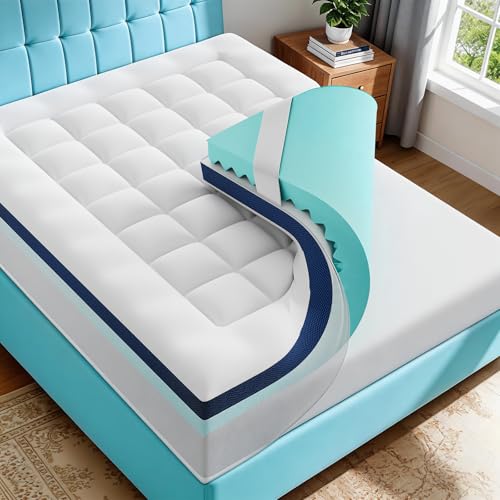
- 【4-Inch Dual-Layer Design】Our mattress topper features a 2-inch cooling...
- 【Breathable Design】This mattress topper is designed with Cold Gel Memory...
- 【Effective Body Support】Our mattress topper are ergonomically designed with...
Conclusion
Selecting the correct topper weight is a precise decision that hinges on your body weight, sleep position, and material preference. It is not about finding the thickest or cheapest option, but the one with the right density for lasting support.
The main point is to always verify the density (PCF for foam) before purchasing. By matching this specification to your personal sleep profile, you can transform your mattress for improved comfort, alignment, and restful sleep.
Frequently Asked Questions about What Topper Weight Should You Actually Buy
What is the most important number to look for when buying a foam topper?
The most critical specification is density, measured in pounds per cubic foot (PCF). This number indicates the material’s quality, durability, and support level. Ignoring it can lead to a topper that flattens quickly.
Thickness and price are secondary to density. A high-density topper, even if thinner, will provide better long-term support and spinal alignment than a thick, low-density option.
Can a topper fix a mattress that is too firm or too soft?
A topper is excellent for modifying the feel of a mattress that is slightly too firm. It adds a comfort layer for pressure relief. It can make a firm bed feel plusher and more accommodating.
However, a topper cannot effectively fix a mattress that is too soft or sagging. It will conform to the existing dip, failing to provide the foundational support needed for proper sleep posture.
How does my body weight specifically determine the topper weight I need?
Heavier individuals exert more pressure on the topper material. They require a higher density (PCF) to resist compression and prevent “bottoming out.” This ensures the support remains consistent throughout the night.
Lighter sleepers can use a lower-density topper effectively. A high-density option may feel too firm and unyielding for them, failing to provide the desired contouring and comfort.
Is there a universal “best” topper weight for all sleepers?
No, there is no single best weight or density for everyone. The ideal choice is highly personal and depends on the interplay of body weight, primary sleep position, and material preference.
A side sleeper’s need for pressure relief differs from a stomach sleeper’s need for firm support. Therefore, recommendations must be Designed for individual sleep profiles for optimal results.
Do I need a heavier topper if I sleep on my side?
Generally, yes. Side sleepers benefit from a medium to high-density topper that offers deeper contouring. This cushions the shoulders and hips, which bear the most pressure in this position.
The goal is to allow these areas to sink in enough to keep the spine aligned. A topper that is too light or firm will not relieve pressure adequately, leading to discomfort.
How long should a good quality, properly weighted topper last?
A high-density topper (4 PCF or higher) from a quality material should last between 3 to 5 years with regular use. Its durability is a direct result of the denser, more resilient foam structure.
Lower-density toppers often show significant wear, such as permanent body impressions, within 1-2 years. Investing in the correct density upfront extends the product’s lifespan and value.