
Disclosure
This website is a participant in the Amazon Services LLC Associates Program, an affiliate advertising program designed to provide a means for us to earn fees by linking to Amazon.com and affiliated sites.
Choosing the right mattress topper is crucial for heavy sleepers to achieve proper support and pressure relief. The wrong specs can lead to discomfort and poor sleep quality.
Heavier individuals often require a topper with higher density materials to prevent excessive sinkage. This ensures spinal alignment is maintained throughout the night for restorative rest.
Does Your Mattress Feel Like It’s Giving Up Under Your Weight?
Heavy sleepers often face sagging, pressure points, and a lack of support that ruins sleep quality. The Sleep On Latex Pure Green Topper directly combats this with its exceptionally durable, high-density natural latex. It provides the deep, resilient support needed to prevent sinkage and evenly distribute weight for restorative, pressure-free sleep.
For the ultimate in durable support, choose: Sleep On Latex Pure Green Natural Latex Mattress Topper
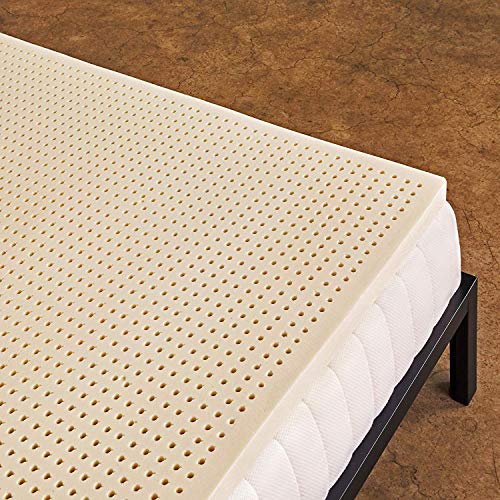
- Soft - Great for Adding Softness to the Surface of a Mattress
- Adjusts to Your Body Instantly - Latex Foam Naturally Stays Cool
- Made of Natural Latex Harvested from Organically Grown Rubber Trees
Key Mattress Topper Specifications for Heavy Sleepers
For heavier individuals, not all mattress toppers are created equal. Specific specifications directly impact support, durability, and comfort. these specs is the first step to a better night’s sleep.
Material Density and Firmness Level
Material density, measured in pounds per cubic foot (PCF), is arguably the most critical spec. It indicates how much material is packed into the topper, which correlates with support and longevity. A higher density foam resists compression and maintains its shape under greater weight.
- Memory Foam Density: Look for a minimum of 4 PCF for adequate support. A 5 PCF or higher density is ideal for heavy sleepers to prevent bottoming out.
- Latex Firmness: Opt for a firm or extra-firm ILD (Indentation Load Deflection) rating. An ILD of 30-40 provides the resilient, supportive push-back needed.
- Support Core: Some toppers combine a soft comfort layer with a high-density support base. This two-layer construction is excellent for balancing cushioning with foundational support.
Thickness and Supportive Construction
While thickness adds cushioning, it must be paired with the right material. A thick, low-density topper will simply compress completely. The goal is to add contouring without sacrificing spinal alignment.
A 3 to 4-inch topper is generally recommended. This provides enough material to cushion pressure points like hips and shoulders while allowing the supportive base layer to do its job. For example, a 3-inch firm latex topper can transform a too-soft mattress into a supportive surface.
Durability and Edge Support Features
Durability is a major concern, as heavier weights accelerate wear. A topper that sags after a few months is a poor investment. Look for construction features designed for longevity.
- Reinforced Edges: Toppers with denser foam or reinforced borders prevent the feeling of rolling off the bed, maximizing usable sleep surface.
- High-Quality Covers: A removable, quilted cover with strong stitching protects the core material and is easier to clean.
- Warranty Length: Manufacturers confident in their product’s durability often offer longer warranties. A 3 to 5-year warranty is a good indicator of quality for heavy-duty use.
Choosing the Best Mattress Topper Material for Heavy People
Material choice defines the feel and function of your topper. For heavier body types, some materials outperform others in providing the necessary support and pressure relief. This section breaks down the top options.
High-Density Memory Foam for Contouring Support
High-density memory foam is a top contender due to its excellent pressure relief. It conforms closely to the body, cradling joints and reducing pressure points. This is crucial for preventing morning aches.
The key is selecting a minimum 4-pound density foam. Lower densities will compress too quickly and fail to offer support. Look for products specifically marketed as “high-density” or “premium” for heavy sleepers.
- Benefit: Superior contouring alleviates hip and shoulder pressure.
- Consideration: Can retain heat; look for gel-infused or open-cell versions for cooling.
- Best For: Side sleepers and those needing maximum pressure point relief.
Durable Latex for Resilient, Supportive Push-Back
Natural or blended latex offers a uniquely supportive feel. Instead of sinking in, you experience a buoyant, lifting sensation. This promotes better spinal alignment by preventing the midsection from sinking too deeply.
For heavy individuals, a firm or extra-firm Dunlop latex is often the best choice. Dunlop latex is denser at the bottom, providing a stable, supportive base. Its natural durability ensures it won’t sag prematurely.
Hybrid and Supportive Fiber Options
Hybrid toppers combine materials to Use different benefits. A common design pairs a soft top layer with a firm, supportive core. This creates a plush surface that doesn’t compromise on foundational support.
While less common, high-loft wool or cotton toppers can add cushioning. They are best used in conjunction with a very firm mattress to add softness without sacrificing support. For most heavy sleepers, they are not supportive enough as a standalone solution.
- Hybrid Example: 2-inch soft memory foam on top of a 2-inch high-density base foam.
- Fiber Consideration: Ensure any fiber fill is dense and tightly packed to avoid flattening quickly.
- practical Tip: If you love a plush feel but need support, a hybrid topper is your ideal compromise.
How to Select a Supportive Mattress Topper for Heavy Sleepers
Knowing the specs and materials is one thing; applying that knowledge to a purchase is another. This section provides a practical, step-by-step framework for making the best choice for your body and sleep style.
Step-by-Step Selection Process for Maximum Support
Follow this logical process to narrow down your options efficiently. This method prioritizes the most critical factors first, saving you time and confusion.
- Assess Your Current Mattress: Identify the specific problem. Is it too soft, too firm, or sagging in the middle? Your topper should correct this issue.
- Set Your Material Priority: Decide between deep contouring (high-density memory foam) or buoyant support (firm latex) based on your primary sleep need.
- Filter by Key Specs: Immediately filter for toppers with a density of 4 PCF or higher for foam, or a high ILD for latex. This ensures baseline support.
- Check Thickness and Reviews: Confirm the thickness (3-4 inches is ideal) and read verified reviews from other heavy individuals regarding long-term support.
Evaluating Your Sleep Position and Weight Distribution
Your preferred sleep position dramatically affects the type of support you need. A topper must accommodate your weight distribution to keep your spine neutral.
Side sleepers need excellent pressure relief at the hips and shoulders. A medium-firm to firm high-density memory foam topper is often ideal. It cushions these points while preventing the hips from sinking too far.
Back and stomach sleepers require firmer support to keep the spine from bowing. A firm latex or very high-density foam topper provides the necessary push-back to maintain alignment.
Product Listings and Marketing Terms
Marketing language can be misleading. Look beyond terms like “plush” or “supportive” and find the technical specifications. If density or ILD is not listed, contact customer service directly to ask.
- “Firm” is Relative: A “firm” topper for an average person may be “medium” for a heavy sleeper. Always reference the actual density number.
- Beware of Low Prices: Extremely low-cost toppers often use low-density foams that will compress and fail quickly. Invest in quality for longevity.
- Look for Certifications: CertiPUR-US® for foam or OEKO-TEX® for fabrics indicate safer, higher-quality materials free from harmful chemicals.
Maintaining Your Mattress Topper for Long-Term Durability
A high-quality topper is an investment. Proper care extends its lifespan and ensures it continues to provide optimal support. These maintenance tips are especially important for heavy sleepers to combat accelerated wear.
Essential Care Routine to Prevent Sagging
Consistent, simple habits can dramatically slow down material breakdown. The goal is to evenly distribute wear and allow materials to recover their shape.
- Regular Rotation: Rotate your topper 180 degrees (head to foot) every 1-2 months. This prevents permanent body impressions from forming in the same spot.
- Use a Protective Cover: A high-quality, waterproof, and breathable mattress protector is non-negotiable. It shields against spills, sweat, and dust mites that can degrade materials.
- Allow for Airflow: When changing sheets, pull back the covers for 30 minutes to let the topper air out and release moisture. This is crucial for foam products.
Cleaning Guidelines for Different Topper Materials
Never submerge a mattress topper in water. Cleaning methods vary by material, and using the wrong one can cause damage. Always check the manufacturer’s label first.
For memory foam and latex, spot cleaning is the only safe method. Use a mild detergent mixed with cold water, dab (don’t rub) the stain, and blot dry. Direct sunlight or high heat from dryers will damage these materials.
Most removable covers are machine washable on a gentle, cold cycle. Tumble dry on low heat or air dry. Washing the cover regularly prevents dirt from grinding into the core material.
| Material | Key Maintenance Action | What to Avoid |
|---|---|---|
| High-Density Memory Foam | Monthly rotation, spot clean only | Steam cleaning, direct heat |
| Latex | Quarterly rotation, air out frequently | Harsh chemicals, folding for storage |
| Hybrid (Foam + Fiber) | Wash cover monthly, rotate core | Over-wetting the core layer |
When to Replace Your Mattress Topper
Even with excellent care, all toppers eventually wear out. Recognizing the signs of failure prevents you from sleeping on an unsupportive surface.
Visible, permanent sagging or body impressions deeper than 1.5 inches indicate the material has lost its resilience. If you wake up with new or increased aches, or feel like you are “bottoming out,” the topper is no longer providing adequate support. Typically, a high-quality topper for a heavy sleeper should last 2-4 years with proper care.
Common Mistakes Heavy Sleepers Make When Buying a Topper
Avoiding these frequent errors can save you money and frustration. Many well-intentioned purchases fail because they overlook the specific needs of a heavier body type. Learn from these common pitfalls.
Prioritizing Thickness Over Density and Firmness
This is the most critical mistake. A thick, plush topper seems inviting but often lacks the necessary support. Thickness adds cushioning, but only density provides the structural integrity to prevent bottoming out.
For example, a 4-inch low-density (2 PCF) memory foam topper will compress almost completely under higher weight. A 3-inch high-density (5 PCF) topper will provide far better support and last longer. Always check the pounds per cubic foot (PCF) specification before considering thickness.
- Mistake: Choosing the thickest, plushest topper for cushioning.
- Solution: Select a topper with adequate density first, then choose an appropriate thickness (3-4 inches).
- Result: You gain contouring comfort without sacrificing essential spinal support.
Ignoring Edge Support and Overall Dimensions
Many toppers have soft, collapsing edges. For a heavier sleeper, this significantly reduces the usable sleep surface and can create a feeling of rolling off the bed. It compromises comfort and safety.
Look for toppers that mention reinforced edges or “edge-to-edge support.” Additionally, ensure the topper’s dimensions match your mattress exactly. An ill-fitting topper will shift, bunch, and fail to provide consistent support across the entire surface.
Overlooking the Foundation and Mattress Condition
A topper is a comfort layer, not a structural fix for a broken-down mattress. Placing a high-quality topper on a sagging, unsupportive mattress base is a wasted effort. The underlying problem will persist.
Your mattress and foundation must be in good, supportive condition. If your mattress has a deep permanent dip or the foundation is slatted with gaps over 3 inches, a topper cannot correct this. The topper’s role is to modify the feel of a fundamentally sound sleep surface.
- Foundation Check: Ensure your bed frame or foundation is sturdy and provides uniform, solid support without flex.
- Mattress Assessment: If your mattress is over 7-8 years old and sagging, consider replacement instead of adding a topper.
- combination: The best results come from pairing a supportive topper with a firm, intact mattress.
What is the Best Mattress Topper for a Heavy Person?
The “best” depends on your primary need, but the most reliably supportive options are high-density memory foam (5 PCF or higher) or firm Dunlop latex. These materials provide the necessary resistance to compression.
For pressure relief on shoulders and hips, choose high-density memory foam. For a bouncier, more supportive feel that prevents sinkage, choose firm latex. Always verify the material specifications rather than relying on marketing terms like “firm.”
- For Side Sleepers: 3-inch, 5 PCF memory foam for contouring.
- For Back/Stomach Sleepers: 3-inch, firm ILD latex for alignment.
- For Combination Sleepers: A hybrid topper with a supportive base layer.
Can a Mattress Topper Fix a Sagging Mattress?
A topper can mask minor firmness issues, but it cannot fix structural sagging. If your mattress has a deep body impression or a visible dip, the underlying support is compromised.
Adding a topper on top of a sag creates an uneven surface. You will still experience poor spinal alignment. A topper is designed to enhance a mattress that is structurally sound but too firm or lacks cushioning.
How Long Should a Mattress Topper Last for a Heavy Sleeper?
With proper care, a high-quality, high-density topper should last a heavy sleeper 2 to 4 years. Lower-density toppers may show significant wear in under a year. Durability is directly tied to material density and construction.
Signs it’s time to replace your topper include permanent deep impressions, loss of support (feeling the mattress underneath), and increased morning stiffness. A strong warranty (3+ years) is a good indicator of expected longevity.
- Extend Lifespan: Use a protector, rotate regularly, and ensure proper foundation support.
- Warranty Check: Look for warranties that cover sagging over a certain depth (e.g., 1.5 inches).
- Proactive Replacement: Don’t wait for complete failure; replace when support noticeably declines.
Top Recommended Mattress Topper Brands for Heavy Individuals
Several brands consistently produce toppers that meet the rigorous demands of heavier sleepers. This section highlights reputable options known for quality materials, clear specifications, and supportive designs.
Brands Specializing in High-Density Support Foams
These companies focus on engineering foams with higher density and durability. They often provide detailed specifications, making it easier to verify support levels before purchasing.
- Tempur-Pedic: Known for their high-quality, high-density memory foam. Their toppers, like the TEMPUR-Adapt, offer exceptional contouring and pressure relief with excellent longevity, though at a premium price.
- Sleep On Latex: A standout for pure, durable latex. They offer firm and extra-firm Dunlop latex toppers with clear ILD ratings, providing exceptional push-back and support for heavier body types.
- Lucid: Offers a range of affordable, high-density memory foam and latex hybrid toppers. Their specifications are usually transparent, with many options at or above 4 PCF, providing good value.
What to Look for in Brand Reputation and Policies
A brand’s customer policies are as important as its products. For a significant purchase like this, protective policies provide peace of mind and reflect product confidence.
Prioritize brands that offer a lengthy sleep trial (90+ nights) and a warranty of at least 3 years. This allows you to test the topper’s support in your own home and ensures coverage against premature sagging. Always read verified customer reviews, specifically filtering for feedback from other heavy sleepers.
| Brand/Type | Key Strength for Heavy Sleepers | Consideration |
|---|---|---|
| Tempur-Pedic (Memory Foam) | Superior density & contouring; proven durability | Higher price point; can sleep warm |
| Sleep On Latex (Latex) | Exceptional resilient support; natural cooling | Firmer feel may not suit those wanting deep sink |
| Lucid (Hybrid/Value) | Clear specs, good density for price; cooling options | Long-term durability may vary; check return window |
Final Checklist Before You Purchase
Use this final verification list immediately before completing your order. It consolidates the critical lessons from this guide into practical steps.
- Confirmed material density (4+ PCF) or firm ILD rating is listed.
- Checked for reinforced edge support in product description or reviews.
- Verified the sleep trial period is at least 90 nights.
- Read recent reviews from verified purchasers who mention being heavy.
- Ensured your mattress foundation is solid and level.
Best Mattress Topper Recommendations for Heavy Sleepers
Based on the critical specifications discussed, these three products stand out for their supportive designs. Each offers a combination of high-density materials and thoughtful construction ideal for heavier individuals.
Biteany Dual Layer Memory Foam Mattress Topper – Best Overall Support
This topper features a smart dual-layer design with a cooling gel-infused top layer and a high-density supportive base. The combination provides pressure relief while preventing excessive sinkage, making it an excellent all-around choice for various sleep positions.

- GET 2X SUPPORT FROM MATERIAL REVOLUTION! Biteany queen mattress topper combines...
- PAIN-FREE SLEEP, CUSTOMIZES COMFORT! Our queen size mattress topper can...
- STAY COOL & SLEEP SAFE! The cooling mattress topper features a 3D air mesh...
NicePlus Dual Layer 4 Inch Memory Foam Mattress Topper – Best for Deep Cushioning
With a full 4-inch profile, this option offers substantial cushioning for pressure points. Its dual-layer construction includes a breathable comfort layer over a firm support core, ideal for side sleepers or those on a very firm mattress needing extra softness without sacrificing support.
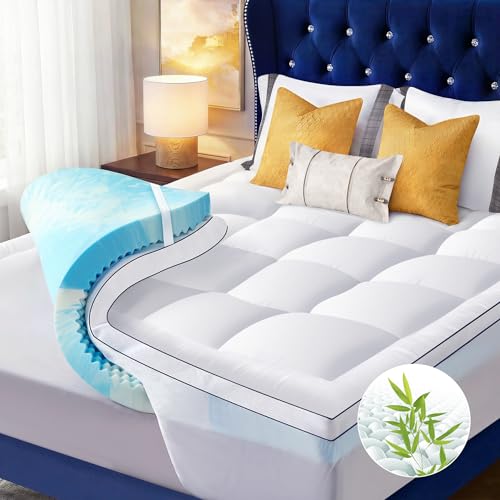
- 2-in-1 Double-Layer Mattress Topper: Featuring a dual-layer structure, designed...
- Relieves Pain & Supports Restful Sleep: The soft mattress topper bottom features...
- Cooling & Breathable: The 4 inch mattress topper fabric contains 40% Viscose...
SINWEEK Mattress Topper Twin XL – Best Value Option
This topper delivers essential support at a competitive price point. It utilizes certified high-density foam to ensure durability and proper body support. A great entry-level option that focuses on the fundamental need for a supportive, non-sagging sleep surface.

- GEL MEMORY FOAM MATERIAL: Our memory foam mattress topper readily conforms to...
- MORE COMFORTABLE SLEEP: The gel memory foam material used in our mattresses...
- SOFT BUT NOT FOLDABLE: our mattress is soft, do not roll up and store too long...
Conclusion
Selecting the right mattress topper as a heavy sleeper hinges on and prioritizing key specifications. Material density, firmness level, and supportive construction are far more critical than thickness or plushness alone.
By focusing on high-density foams or firm latex, ensuring a proper fit, and maintaining your topper well, you can transform your sleep surface. This investment in the correct specs leads to better spinal alignment, pressure relief, and truly restorative sleep.
Frequently Asked Questions about What Topper Specs Matter For Heavy Sleepers
What is the most important mattress topper spec for a heavy person?
Material density is the most critical specification. Measured in pounds per cubic foot (PCF), it determines the foam’s support and durability. A higher density resists compression and prevents the feeling of bottoming out.
For memory foam, prioritize a density of 4 PCF or higher. For latex, look for a firm or extra-firm ILD rating. This ensures the topper provides genuine structural support rather than just superficial cushioning.
Can a mattress topper make my bed firmer?
Yes, a topper can make a bed feel firmer if you choose the correct type. A firm latex or very high-density memory foam topper adds a supportive layer that reduces sinkage into a soft mattress.
It modifies the surface feel by providing a more resilient push-back. However, it cannot fix a sagging or broken-down mattress core; the underlying support must still be intact.
How thick should a mattress topper be for a heavy sleeper?
A thickness of 3 to 4 inches is generally ideal. This provides enough material to cushion pressure points effectively without allowing excessive sinkage. Thickness must be paired with high-density materials.
A thick, low-density topper will compress completely. A 3-inch high-density topper often provides better support than a 4-inch low-density one by maintaining its shape under weight.
Is memory foam or latex better for heavy sleepers?
Both are excellent if they meet density requirements. High-density memory foam is better for deep contouring and pressure relief. Firm latex offers more buoyant, resilient support that promotes alignment.
The choice depends on feel preference. Side sleepers often prefer memory foam for hip/shoulder relief. Back and stomach sleepers may prefer latex for its lifting, supportive sensation.
Do I need a special bed frame for a mattress topper?
You need a sturdy, supportive foundation, but not necessarily a special frame. A solid platform bed, a bunkie board, or a slatted frame with gaps under 3 inches is essential.
A weak or flexible foundation will compromise any topper’s support. The goal is a flat, stable base so the topper and mattress can function correctly without sagging.
Will a cooling mattress topper work for a heavy sleeper?
Yes, but focus on the support specs first. Look for cooling features in high-density products, such as gel-infused memory foam, open-cell foam, or naturally breathable latex.
A cooling cover made from bamboo or Tencel can also help. Ensure the topper’s core density is sufficient; a cool but unsupportive topper will not improve sleep quality.