
Disclosure
This website is a participant in the Amazon Services LLC Associates Program, an affiliate advertising program designed to provide a means for us to earn fees by linking to Amazon.com and affiliated sites.
Choosing the right mattress topper softness is crucial for managing hip pain, as it directly impacts pressure relief and spinal alignment during sleep. The wrong firmness can worsen discomfort, while the correct choice promotes healing and rest.
For side sleepers with hip pain, a medium-soft topper often provides the ideal balance, cushioning the hip joint without allowing the spine to sag. The goal is to keep the hips, shoulders, and spine in a neutral line throughout the night.
Waking Up With Aching Hips Every Morning?
Hip pain from a too-firm mattress can ruin your sleep and your day. The COONP King Mattress Topper provides the perfect medium-soft cushioning. It contours to your hips and shoulders to relieve pressure points, promoting proper spinal alignment and allowing you to sleep comfortably and wake up pain-free.
For the ideal balance of softness and support, choose the: COONP King Mattress Topper

- 1.Extra Thick and Luxury Comfort: Drift into a sounder, deeper sleep on this...
- 2.Cool and Breathable: The top surface features good ventilation and distributes...
- 3.Elastic Deep Pocket: Elastic deep pocket will wrap mattress(8-21") tightly. It...
Mattress Topper Firmness Levels for Hip Pain Relief
Selecting the correct mattress topper firmness is a balancing act for hip pain sufferers. The ideal softness level depends on your sleeping position and body weight, as these factors determine how much your hips sink into the surface. A topper that is too soft or too firm can misalign your spine and increase pressure points.
How Your Sleep Position Determines Ideal Topper Softness
Your body’s alignment changes dramatically with each sleep position, placing unique demands on your mattress topper. The goal is to maintain a neutral spinal alignment from your neck down to your hips. This prevents the joints from twisting or bearing excessive weight throughout the night.
- Side Sleepers: Typically benefit most from a medium-soft to medium-firm topper. This softness allows the hip and shoulder to sink in slightly for pressure relief, while preventing the spine from curving downward.
- Back Sleepers: Often require a medium-firm surface. This provides enough cushioning for the lower back and hips without allowing them to sink too deeply, which can strain the lumbar region.
- Stomach Sleepers: Generally need the firmest option to keep the hips from sinking and arching the spine unnaturally. However, stomach sleeping is often discouraged for those with hip pain.
Material Types and Their Impact on Pressure Relief
The material of your mattress topper is just as important as its firmness rating for managing hip discomfort. Different materials offer distinct combinations of contouring, support, and temperature regulation. Memory foam and latex are two of the most popular choices for therapeutic support.
Memory foam is renowned for its pressure-relieving qualities, as it conforms closely to the body’s contours. This can be excellent for cushioning the hip joint, but some find it sleeps too warm. High-density foam provides more foundational support than low-density options.
Latex toppers, whether natural or synthetic, offer a more resilient and buoyant feel. They provide responsive support that cradles the hips without excessive sinkage, promoting better spinal alignment. Latex also tends to sleep cooler and is more durable over time.
Choosing the Right Topper Thickness and Density for Hip Support
Beyond softness, the thickness and density of a mattress topper are critical specifications for hip pain. These factors work together to determine how much the topper will compress under your weight and how much support it provides. A topper that is too thin may not offer enough cushioning, while one that is too thick can destabilize your sleep surface.
The Role of Topper Thickness in Alleviating Hip Pressure
Topper thickness dictates how much cushioning material lies between your body and the mattress. For significant hip pain relief, you generally need enough material to properly offload pressure from the joint. However, the optimal thickness is also influenced by the firmness of your existing mattress.
- 2 to 3 Inches: This is the most common and versatile range. It provides substantial contouring and pressure relief for most side and back sleepers without dramatically changing the feel of a supportive mattress.
- 4 Inches or More: Consider a thicker topper if your current mattress is very firm or you are a heavier individual. The extra depth allows for deeper sinkage at the hips and shoulders while still providing a supportive base layer.
- 1 to 1.5 Inches: A thinner topper is best for minor adjustments or for individuals who primarily need a slight softening of a medium-firm mattress. It adds comfort without significant contouring.
Why Density Matters for Long-Term Hip Pain Management
Density, measured in pounds per cubic foot (PCF), indicates the material’s weight and durability. For pressure relief on the hips, density is a key indicator of supportive longevity. A higher-density foam will resist bottoming out and maintain its supportive properties for years.
For memory foam, look for a density of at least 3 to 5 PCF for effective hip support. Lower-density foams may feel plush initially but can quickly compress and lose their ability to cradle the joint. Higher-density foams provide more consistent, durable support that prevents pressure points.
| Density (PCF) | Best For | Consideration |
|---|---|---|
| 2.5 or less | Lightweight sleepers, temporary comfort | May compress quickly, offering less hip support over time |
| 3.0 – 4.0 | Average-weight side sleepers | Good balance of comfort and durable pressure relief |
| 5.0+ | Heavier individuals, severe hip pain | Maximum support and longevity, though may feel firmer |
Additional Features and Tips for Hip Pain Sufferers
Selecting the correct softness, thickness, and density forms the foundation for hip pain relief. However, several additional features and strategic tips can further enhance your sleep comfort and support. Addressing temperature regulation and proper setup can make a significant difference in your overall results.
Cooling Technologies and Contouring for Joint Relief
Many therapeutic mattress toppers now incorporate cooling technologies, which is vital as some pain-relieving materials can retain heat. Gel-infused memory foam, copper-infused covers, and breathable latex help dissipate body heat throughout the night. A cooler sleep environment can reduce inflammation and prevent discomfort from overheating.
Look for toppers with zoned support or ergonomic designs. These are engineered with firmer sections in the torso and hip areas to promote spinal alignment and softer zones at the shoulders and legs. This targeted approach provides enhanced pressure point relief exactly where you need it most for hip pain.
How to Test and Integrate Your New Mattress Topper
Once you select a topper, proper integration into your sleep routine is crucial. Always check the retailer’s return policy and trial period, as comfort is highly personal. It can take your body several nights to adjust to the new support level, so allow for an adjustment period before making a final judgment.
Pay close attention to your body’s feedback in the first week. Monitor if your morning hip stiffness has decreased and if your spine feels more aligned. If pain persists or increases, you may need to reassess the softness level or material choice based on your sleep position and the guidelines discussed.
Common Mistakes to Avoid When Selecting a Topper for Hip Pain
Choosing a mattress topper to alleviate hip discomfort involves careful consideration. Many people make well-intentioned errors that can inadvertently worsen their pain or lead to a disappointing purchase. these common pitfalls will help you make a more informed and effective decision for long-term relief.
Choosing Based on Feel Alone Without Considering Support
A plush, soft topper may feel incredibly comfortable in the store for a few minutes, but this can be misleading for all-night support. The initial plush sensation often comes from low-density materials that compress too easily. This lack of supportive density allows your hips to sink too deeply, leading to spinal misalignment by morning.
- Mistake: Prioritizing immediate softness over durable support.
- Result: The topper loses its shape quickly, creating a hammock effect that strains the hips and lower back.
- Solution: Always check material density (PCF) and look for balanced reviews that mention long-term performance, not just initial comfort.
Ignoring Your Existing Mattress Foundation
Your mattress topper works in tandem with your current mattress; it is not a standalone solution for a broken-down bed. A topper cannot fix a mattress that is sagging or lacks inherent support. Placing a soft topper on a sagging mattress will only conform to the existing dip, failing to provide the level surface needed for hip alignment.
Another frequent error is mismatching the topper’s intended feel with your sleep position needs. For example, a stomach sleeper choosing a soft, contouring topper will likely experience increased hip and back pain. Always cross-reference the topper’s advertised firmness profile with the recommended softness level for your primary sleep position.
When to Consult a Healthcare Professional About Hip Pain and Sleep
While a quality mattress topper can significantly improve sleep comfort, it is important to recognize its role as a supportive tool, not a medical treatment. Persistent or severe hip pain often has underlying causes that require professional diagnosis and care. when to seek medical advice ensures you address the root of the problem effectively.
Recognizing Signs That Your Pain Needs Medical Evaluation
If your hip pain is sharp, shooting, or accompanied by swelling, redness, or warmth in the joint, these are clear indicators to consult a doctor. Pain that radiates down your leg, causes numbness or tingling, or is the result of a recent injury also warrants immediate professional assessment. A mattress topper will not resolve these types of acute or neurological symptoms.
- Persistent Pain: Discomfort that continues or worsens despite changes to your sleep surface and posture.
- Morning Stiffness: Joint stiffness lasting more than 30 minutes after waking, which can be a sign of inflammatory conditions like arthritis.
- Limited Mobility: Difficulty walking, bearing weight on the hip, or a noticeable decrease in your range of motion.
How Sleep Support Complements Medical Treatment Plans
For diagnosed conditions like osteoarthritis, bursitis, or sciatica, a properly selected mattress topper becomes part of a Complete management plan. It works alongside physical therapy, medication, and exercises prescribed by your healthcare provider. The right topper helps maintain neutral spinal alignment overnight, reducing mechanical stress on the joint and supporting the healing process.
Ultimately, investing in the correct mattress topper softness is a proactive step toward better sleep hygiene and pain management. By combining professional medical guidance with an optimized sleep environment, you create the best possible conditions for rest, recovery, and long-term joint health.
Is a Firm or Soft Mattress Topper Better for Hip Pain?
Neither extreme is ideal; the best mattress topper for hip pain typically falls in the medium range. The perfect firmness depends primarily on your sleep position. Side sleepers usually need a medium-soft to medium topper to cushion the hip, while back sleepers often require medium-firm support to prevent the pelvis from sinking.
- For Side Sleepers: A topper that is too firm won’t relieve pressure, while one that is too soft allows the spine to sag.
- For Back Sleepers: A topper that is too soft can cause the hips to sink and strain the lower back.
- General Rule: Aim for a topper that keeps your spine in a neutral, straight line from head to hips.
What Type of Mattress Topper is Best for Side Sleepers with Hip Pain?
Side sleepers with hip pain benefit most from a pressure-relieving mattress topper that contours to the body’s curves. A 2 to 3-inch thick memory foam or latex topper with a medium-soft to medium feel is often ideal. This combination cushions the hip and shoulder while providing enough support to maintain alignment.
Look for features like zoned support or gel infusion. Zoned support offers extra cushioning at the hips and shoulders with firmer support at the lumbar region. Gel infusion helps regulate temperature, which is important as some foams can retain heat and increase discomfort.
How Long Does It Take for a New Mattress Topper to Help with Hip Pain?
Your body may need an adjustment period of one to two weeks to adapt to the new support surface. Initial improvement in morning stiffness can sometimes be felt within a few nights. Full assessment of the topper’s effectiveness should be made after this break-in period, once your body has acclimated to the changed alignment.
Recommended Mattress Toppers for Hip Pain Relief
Based on the principles of softness, support, and pressure relief discussed, here are three highly-rated mattress toppers that cater to different needs for managing hip discomfort. Each offers a specific combination of features to help you achieve better alignment and a more restful night’s sleep.
Lucid 4 Inch Memory Foam Mattress Topper – Best Overall Value
This topper provides excellent pressure relief with its 4-inch thickness and ventilated memory foam. It is a versatile choice for side and back sleepers needing deep cushioning for the hips. The plush feel helps alleviate pressure points while the breathable design promotes cooler sleep.
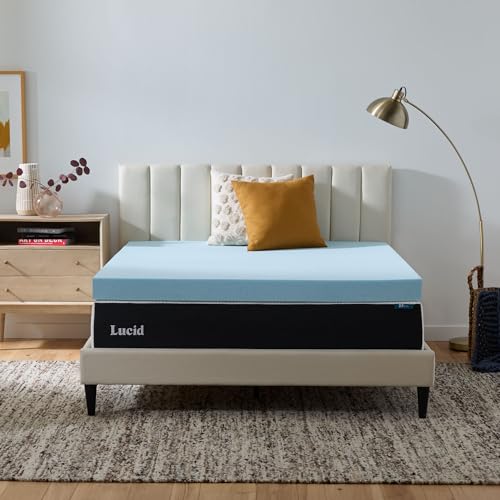
- ULTRA PLUSH FEEL – Lucid memory foam mattress toppers are designed to enhance...
- COOLER SLEEP: Cooling gel is infused in the memory foam to help regulate your...
- CHOOSE YOUR SIZE: 2-inch profile adds a soft layer of support to any mattress...
ChiXpace Dual Layer 4 Inch Memory Foam Mattress Topper – Best for Targeted Support
Featuring a dual-layer design with a soft top and firmer base, this topper offers balanced comfort and support. It is ideal for combination sleepers or those who need contouring without excessive sinkage. The construction helps maintain spinal alignment, crucial for hip pain sufferers.
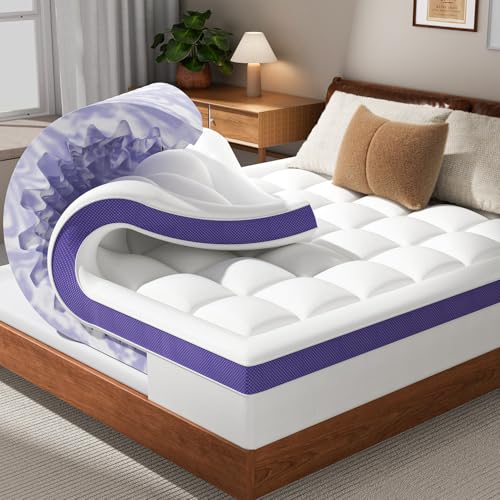
- Dual-Layer Design: This is Queen (60" x 80") size mattress topper. Our mattress...
- Comfortable Support: The memory foam with an egg-crate pattern provides...
- Cooling & Breathable: The ultra-soft fabric and premium gel-infused memory foam...
Sweetcrispy Memory Foam Mattress Topper – Best Cooling Option
This topper incorporates gel-infused memory foam and a breathable bamboo cover to actively dissipate heat. It provides the conforming pressure relief needed for hip joints while addressing the common issue of sleeping hot. A great option for those who prioritize temperature regulation.
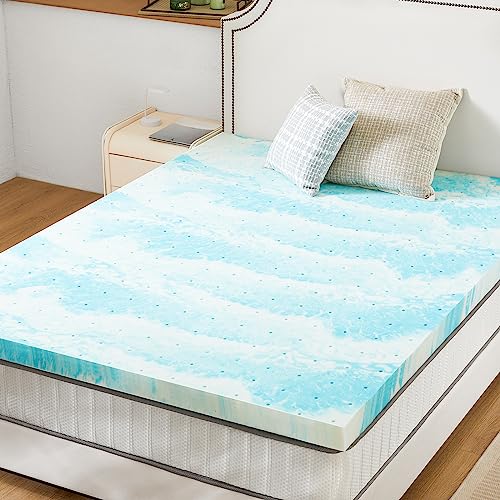
- ENHANCED COMFORT - With this memory foam mattress topper, say goodbye to...
- IMPROVED AIRFLOW - The gel infusion in this mattress pad helps to dissipate heat...
- VERSATILE USE - Whether you use it on your bed, sofa, or even in your RV, this...
Conclusion
Finding the best mattress topper softness for hip pain is a personalized process centered on your sleep position, body weight, and material preferences. The goal is to achieve a neutral spinal alignment that offloads pressure from the hip joint throughout the night.
By carefully considering firmness levels, thickness, density, and integrating professional advice when needed, you can transform your sleep surface into a supportive tool for pain management and restorative rest. The right topper is a valuable investment in your long-term comfort and joint health.
Frequently Asked Questions about What Topper Softness Is Best For Hip Pain
Can a mattress topper cure my hip pain?
A mattress topper cannot cure underlying medical conditions causing hip pain. It is a supportive tool designed to improve sleep posture and alleviate pressure on the joint. Proper alignment during sleep can significantly reduce discomfort and morning stiffness.
For chronic or severe pain, consult a healthcare professional for a diagnosis. A topper should be used as part of a Complete management plan that may include physical therapy, medication, or other treatments recommended by your doctor.
How do I know if my topper is too soft or too firm for my hips?
If your topper is too soft, your hips will sink deeply, causing your spine to curve downward and potentially increasing lower back pain. You may also feel like you are stuck or have difficulty changing positions during the night.
If the topper is too firm, you will not experience adequate pressure relief, and your hip bone may feel like it is pressing against a hard surface. This can lead to increased point pressure and discomfort on your side.
Is memory foam or latex better for hip pain?
Memory foam excels at contouring and pressure relief, cradling the hip joint to distribute weight evenly. This makes it excellent for side sleepers. However, some memory foam can sleep warm and may have a slight initial odor.
Latex offers more resilient, buoyant support that prevents excessive sinkage, promoting better spinal alignment. It sleeps cooler and is highly durable. The choice depends on whether you prefer deep contouring (foam) or responsive lift (latex).
Should I get a 2-inch or 4-inch topper for hip pain?
A 2-inch topper is suitable for adding a slight comfort layer to a mattress that is already in good, supportive condition. It provides minor cushioning and is less likely to dramatically change the bed’s feel.
For significant pressure relief, especially on a firm mattress or for heavier individuals, a 3 to 4-inch topper is generally recommended. The extra thickness allows for deeper contouring around the hip and shoulder without bottoming out.
How often should I replace a mattress topper used for hip pain?
A high-quality mattress topper should last between 3 to 5 years with regular use. Over time, the materials can compress and lose their supportive and pressure-relieving properties, reducing their effectiveness for pain management.
Signs you need a replacement include visible permanent indentations, a lumpy feel, or a return of hip pain and stiffness that the topper previously alleviated. Investing in a topper with higher density can extend its lifespan.
Can stomach sleepers use a soft topper for hip pain?
Stomach sleepers are generally advised against using a soft topper, as it allows the hips and pelvis to sink too deeply. This position can hyperextend the lower back and misalign the spine, often worsening hip and back pain.
If you must sleep on your stomach, a very thin, firm topper or none at all is preferable to maintain a flatter surface. However, transitioning to side or back sleeping with proper support is usually recommended for hip pain relief.